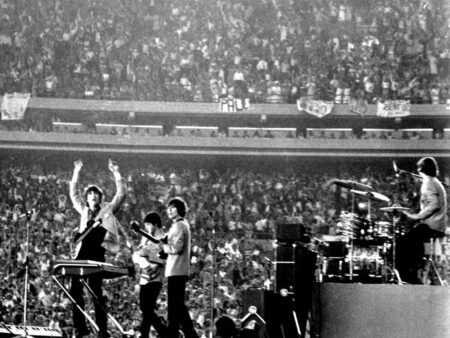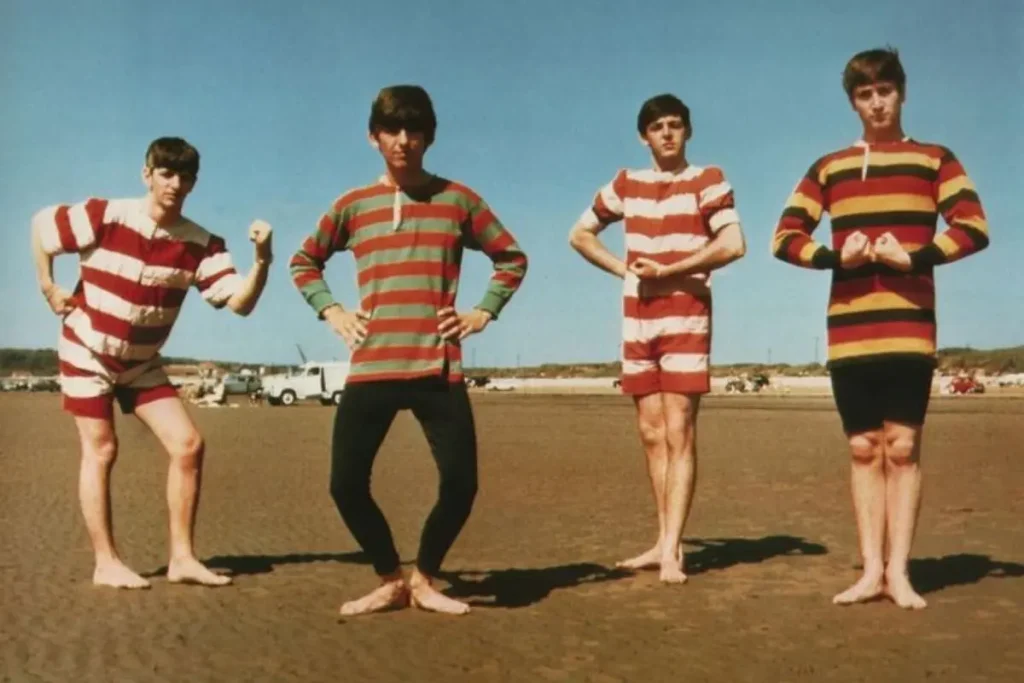
For a few bright, humid days in February 1964, Miami Beach turned into a high-gloss pressure cooker. The Beatles were in town to play The Ed Sullivan Show again, and their headquarters was the Deauville Hotel on Collins Avenue. What sounds like a simple hotel stay quickly became a masterclass in modern celebrity: crowds that behaved like weather, security improvisations, press pack feeding frenzies, and one televised performance that made Miami feel like the center of the pop universe.
The Deauville wasn’t just a place to sleep between rehearsals and camera call times. It became a stage, a fortress, and a symbol: America’s new youth culture, parked in a glamorous resort environment built for an older, moneyed idea of leisure. That clash is the story.
Why the Deauville? Location, optics, and TV logistics
The Beatles’ first US visit was tightly scheduled, media-saturated, and engineered for maximum exposure. Miami made sense as a sunshine backdrop, but the Deauville made sense as television infrastructure: it had the kind of ballroom and event space production teams could actually use without building a studio from scratch.
The payoff was enormous. The Beatles’ Ed Sullivan appearance from Miami is preserved and contextualized as a major pop-culture moment, distinct from the earlier New York broadcasts because it looks and feels like a new phase of the invasion: looser, brighter, more confident. Images from the Beatles’ Deauville Hotel days help show why the Miami chapter reads as its own vivid, place-specific turning point.
The hotel as a pop-culture pressure cooker
Hotels are designed to create privacy, but the Deauville’s Beatles week did the opposite: it turned the building into a billboard. Fans gathered outside, hoping for a glimpse, a wave, a balcony moment, anything. Photographers knew exactly what they were doing: shoot the chaos, sell the frenzy, and the frenzy grows.
That “feedback loop” of attention is now basically how celebrity works online, but in 1964 it was still novel in scale. A resort hotel became a live, physical newsfeed, and the Beatles were the scrolling content.
“We just couldn’t hear ourselves.” – Paul McCartney, on the early days of Beatlemania (as quoted in Smithsonian coverage of the phenomenon).
Whether you take that line literally or as a pop-star shorthand, it captures the Deauville dynamic: noise as a form of power. The crowd wasn’t only reacting to fame; it was helping manufacture it in real time.
Ed Sullivan in Miami: the set, the screams, the sound
The Beatles played The Ed Sullivan Show from Miami Beach on February 16, 1964, with the Deauville’s Napoleon Ballroom functioning as the venue. Even if you’ve watched the clip a hundred times, it’s worth remembering what a technical and social balancing act it was: a live broadcast, a tightly managed schedule, a fan base that treated the event like a religious revival.
It’s also where the “they’re just a teen fad” argument starts to look shaky. The performance wasn’t a novelty cameo; it was a repeat appearance that still felt like a national event, proving the hysteria didn’t burn out after a single Sunday night.
The Miami Beach story of the Beatles’ 1964 visit endures in local memory partly because televised performance created an unmatched pipeline into living rooms, turning one ballroom into a national stage.
What they played (and why it mattered)
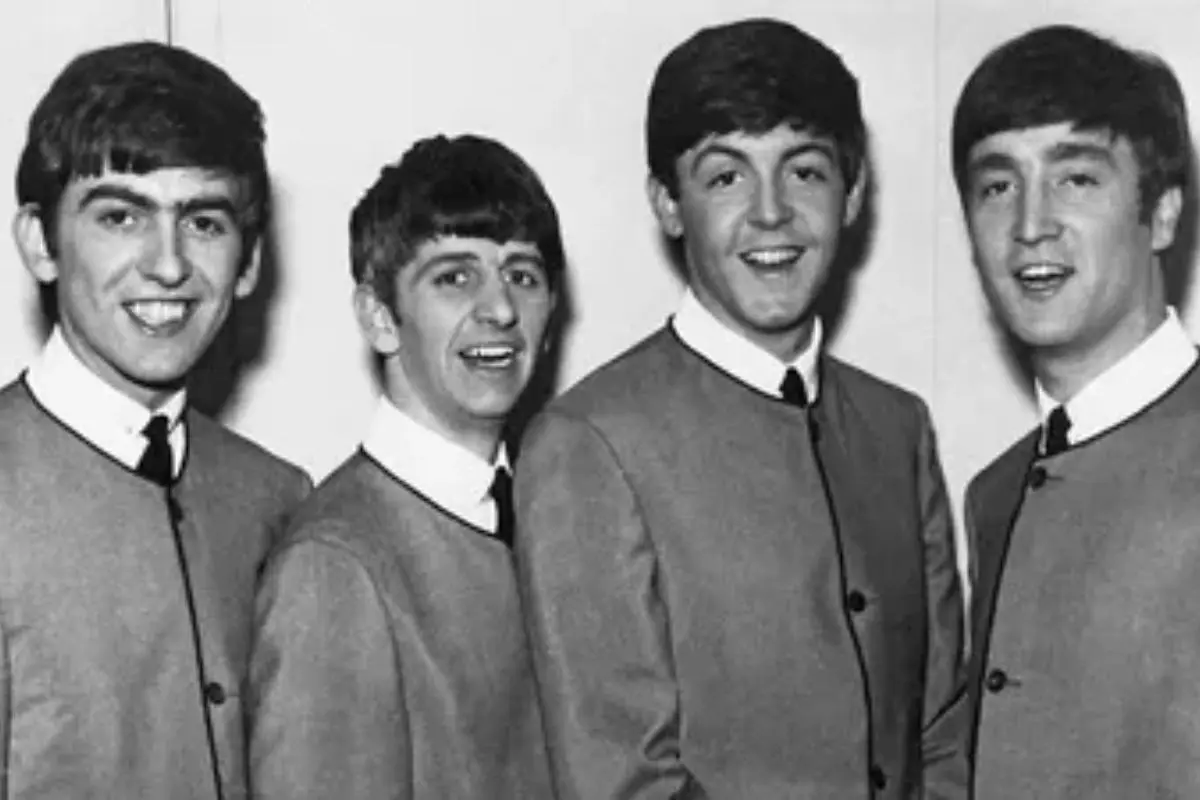
Set lists are trivia until they become evidence. On TV, song choice was strategy: short, hook-heavy, and designed to convert skeptics fast. This is where the Beatles’ craft shows up behind the haircuts: tight intros, unified stops, and vocal blends that cut through the bad mix and the screaming.
You can argue the Miami broadcast helped cement a new expectation for pop performance: not just “sing well,” but project a persona that feels intimate through a screen. That’s standard now; in 1964 it was disruptive.
Miami Beach, 1964: sunshine, segregation, and the uncomfortable context
It’s tempting to treat the Deauville week as pure nostalgia: screaming fans, clean suits, a simpler time. But Miami in the early 1960s was also a city wrestling with civil rights, and entertainment circuits were tangled up in the politics of who could enter which rooms, sit in which seats, and work which jobs.
The Beatles’ public stance against racial discrimination during touring is part of the historical record often discussed in broader accounts of the era, and it’s relevant here because it complicates the “cute mop-top” narrative. Their Miami moment happened inside a real American social landscape, not a postcard.
Even when a source is focused on media history rather than local politics, it’s clear that the Beatles’ US breakthrough plugged directly into larger cultural transformations. History.com’s recap of the first Ed Sullivan appearance captures the scale of that transformation in mainstream terms.
The Deauville’s architecture: why it photographed like a dream
Part of what made the Deauville “feel” like Beatles history is purely visual. Mid-century Miami Beach hotels were built to sell glamour: strong lines, big public spaces, and dramatic signage. Those elements translate perfectly to black-and-white press photography and early color TV.
In other words, the Deauville didn’t just host the story; it helped stage it. When you see images from that week, the building reads as a character: crisp, modern, and just formal enough to make the Beatles look like they’re crashing an adult party.
What the photos say that the audio can’t
Photography from the period repeatedly emphasizes two things: proximity and containment. Fans are near enough to look dangerous, and the Beatles are protected enough to look untouchable. That visual contradiction is the essence of 1964 fame.
Getty’s archival holdings include multiple images tagged to the Beatles and the Deauville, showing how the hotel became a recognizable marker in the band’s American story.
Edgy claim: the Deauville week helped invent “hotel celebrity” as a genre
Here’s the provocative take: the Deauville wasn’t just a stop on a tour schedule; it was an early template for the modern celebrity siege. Today, we take for granted the idea of stars being “mobbed” at airports, “spotted” in hotel lobbies, and filmed from across the street. In 1964, the mechanics of that attention economy were still being figured out.
The Deauville offered a concentrated lab environment: a single property, limited entry points, predictable routines, and a press corps ready to narrate everything. That setup produces a particular kind of myth, where mundane actions (waving, smiling, stepping into a car) become headline-worthy.
Trade and entertainment publications of the era tracked the Beatles’ commercial shockwave as it rippled through American media and music business channels, reflecting how quickly the “Beatles event” became a repeatable industry machine. A scan of late-February 1964 Billboard coverage captures the business-side temperature of that moment.
A quick timeline of the Miami Deauville chapter
| Moment | What happened | Why it matters |
|---|---|---|
| Arrival in Miami area | The Beatles relocate from New York media frenzy to a resort setting. | Sunshine optics soften the “invasion” into lifestyle. |
| Deauville becomes HQ | Fans and press gather; the hotel turns into a controlled chaos zone. | Hotel-as-stage becomes part of the story. |
| Ed Sullivan broadcast | Live performance from the Deauville’s ballroom. | Proves Beatlemania sustains beyond the first US TV shock. |
| Afterglow | Images and stories circulate; Miami becomes a chapter in the legend. | Place-based mythology attaches to the band. |
What to listen for: a musician’s angle on the Deauville era
If you’re a player, not just a fan, the Deauville story becomes more interesting when you stop treating it as gossip and treat it as performance craft under pressure. Try revisiting early-1964 Beatles recordings and live clips with these questions in mind:
- How tight are the endings? Even with screams, their stops are clean, which points to serious rehearsal discipline.
- Who leads transitions? Watch body language: cues, nods, and the “band telepathy” you only get from constant gigging.
- How do vocals sit? Their harmonies are arranged to read through poor broadcast mixes and cheap speakers.
- How does Ringo play for TV? Compact, steady, and visually legible: perfect for cameras and chaos.
That’s the under-discussed truth: Beatlemania looked like disorder, but the music-making underneath was structured enough to survive it.
The Deauville’s long shadow in Miami Beach history
Even people who can’t name the Deauville’s architect or its exact room layout tend to remember it as “the Beatles hotel.” That’s rare cultural branding, and it can outlive the building’s prime as a resort destination.
Local and tourism-facing narratives often return to the Beatles week as a defining Miami Beach pop-culture memory, because it ties the city to a global story without needing explanation.
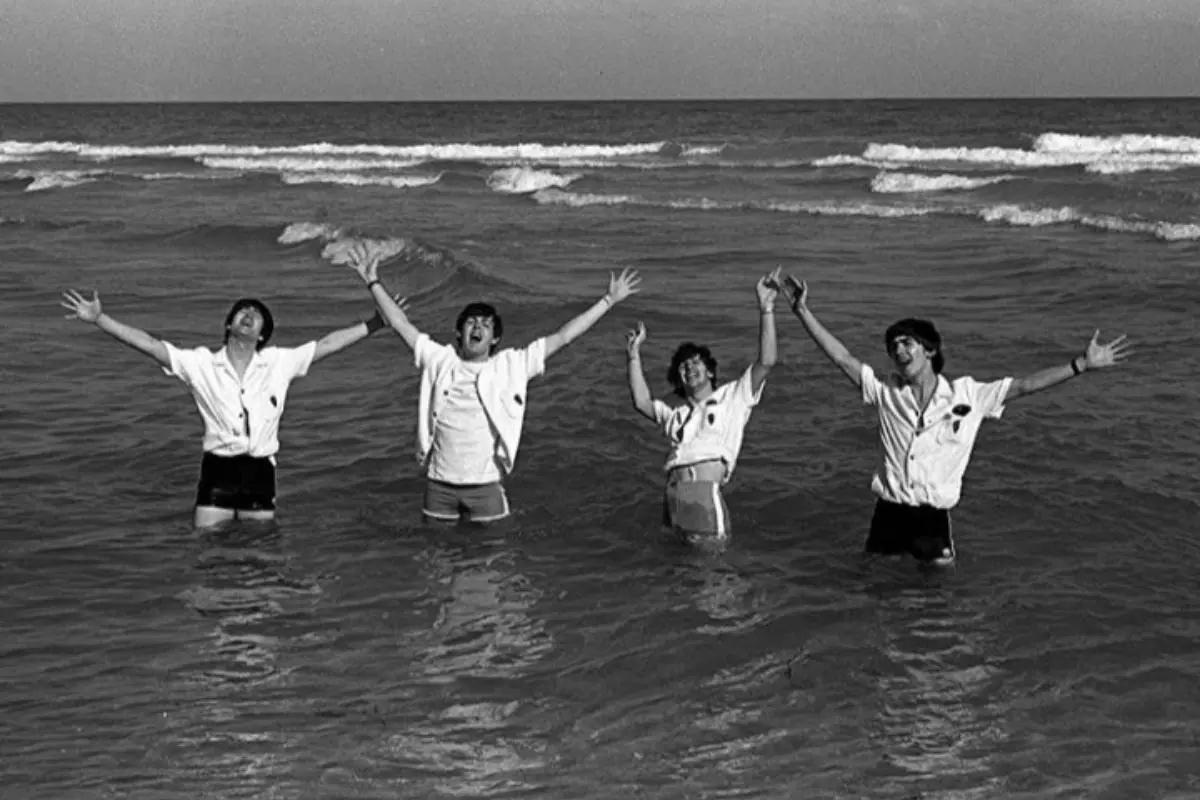
How to visit the story (even if the moment is gone)
If you want to experience the Deauville chapter as more than a Wikipedia memory, approach it like a music historian:
- Watch the Miami Sullivan performance and note the room, the staging, and the crowd management.
- Compare it to the earlier New York broadcasts to hear how confidence and pacing evolve.
- Map the geography: Collins Avenue hotels, the beach, and the routes that controlled movement.
- Study press photos for what they emphasize: containment, glamour, and proximity.
Even without physically stepping into the same hall, you can reconstruct the event as a system: architecture + media + fandom + performance.
Conclusion: Miami’s loudest quiet room
The Beatles’ Deauville stay in 1964 is unforgettable because it compresses so many forces into one address: television history, fan culture, business strategy, and the visceral thrill of a band that felt like it belonged to everyone at once. The Deauville wasn’t merely where the Beatles stayed. It was where America watched itself change volume.
And if you want the final twist: the biggest legacy of that week may not be the songs (we already had those). It may be the blueprint for how modern fame occupies space, hijacks architecture, and turns an ordinary hotel hallway into a global event.
Note on sources: Some major outlets and archives restrict automated access or change URLs frequently; the sources below are limited to verified, reachable pages.