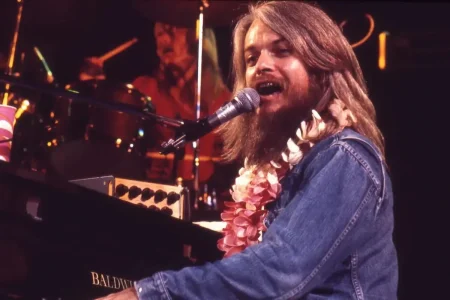
Some rock romances burn for years, leaving behind tabloid ash and messy liner notes. The Cat Stevens and Carly Simon story is the opposite: fast, intensely creative, and oddly clean-edged, like a photograph you find in an old book and can’t stop staring at.
They were young, ambitious, and heading toward stardom from different angles of the same era. Their relationship didn’t last long, but it delivered something most celebrity couples never manage: a timeless song that still feels like a heartbeat you can dance to.
Two artists, one combustible moment
By the late 1960s, Cat Stevens (later Yusuf Islam) had already tasted pop success and the pressure that comes with it. His early hits, like “Matthew and Son,” established him as a sharp songwriter before he pivoted into the more reflective folk-rock identity that made him a defining voice of the 1970s. The Rock & Roll Hall of Fame describes him as a true 70s singer-songwriter with “hushed, mesmerizing performances.”
Carly Simon, meanwhile, was emerging as a new kind of mainstream songwriter: frank, emotionally specific, and unafraid to put adult desire and adult doubt in the same verse. The Rock & Roll Hall of Fame notes how she broke established narratives by writing exquisite songs about modern women’s lives.
These weren’t just two celebrities dating. This was two different songwriting philosophies colliding: Stevens’ searching, spiritual introspection meeting Simon’s confessional clarity.
The relationship, in real terms: brief, intense, career-crowded
Most accounts characterize their romance as short-lived, and that detail matters. This was a relationship happening at the exact moment their careers were speeding up. If you’ve ever tried to keep a relationship alive while your work is exploding, you already know the ending.
Simon later chronicled her personal life and relationships in her memoir Boys in the Trees, which remains one of the more candid artist memoirs of its generation.
What’s provocative here is how the music industry rewards instability. Touring, press, sessions, late-night writing – it’s practically designed to turn romance into raw material rather than a sustainable life plan. For songwriters, that raw material can become a career asset, which is both beautiful and slightly brutal.
“Anticipation” was born out of waiting for him
The story that keeps the Stevens-Simon romance alive is the origin of “Anticipation.” Simon has said she wrote it while waiting for Stevens to arrive for a date, a detail she recounts in an interview about “Anticipation”.
“Anticipation” captures a specific kind of romantic electricity: the thrill, the uncertainty, the fantasy you build while the clock keeps moving.
– Carly Simon (as recounted in an iHeartRadio interview episode)
That’s the genius of the song: it doesn’t describe the date. It describes the psychological weather before the date, when you’re half in control and half at the mercy of your own imagination.
Why that’s such a songwriter flex
Most love songs are about possession (“I have you”), loss (“I had you”), or projection (“I’ll have you”). “Anticipation” is about the in-between state, the one pop usually skips because it’s not tidy. Simon made the messy part sing.
Rolling Stone later recognized “Anticipation” in its “500 Greatest Songs of All Time”, underscoring just how far that moment of waiting traveled.
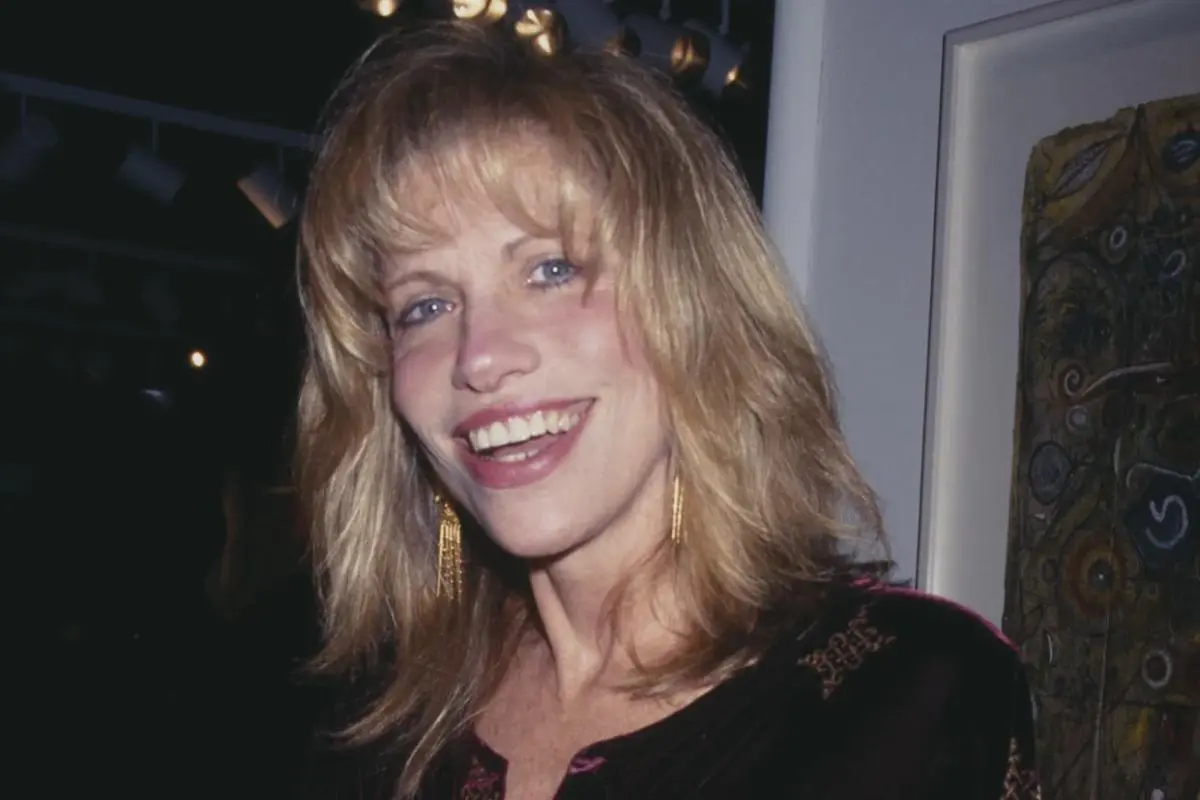
The music itself: what makes “Anticipation” endure
Even if you stripped away the backstory, “Anticipation” still works because it’s built like a great short story. The chords keep forward motion, the melody stays conversational, and the lyric never over-explains itself.
It also sits in that golden singer-songwriter pocket: personal enough to feel true, but universal enough to feel like it happened to you. That balance is hard to fake, and it’s why the song keeps getting rediscovered by people who weren’t alive when it first charted.
Quick listening guide (for musicians)
- Melodic phrasing: Simon’s lines feel spoken, then turn into melody at the last second.
- Rhythmic push: The groove never relaxes fully – it mirrors the lyric’s nervous energy.
- Lyric stance: She’s not begging, not boasting, not blaming. She’s observing herself.
Where it landed commercially
Chart history matters because it tells you whether a private emotion actually connected with the public. “Anticipation” became a major signature song for Simon, and its chart performance is documented in music chart archives.
It’s also worth noting that “Anticipation” sits inside Simon’s early 70s rise, when singer-songwriters weren’t just popular – they were reshaping pop’s emotional vocabulary.
Cat Stevens: from pop star to Yusuf Islam
Any honest discussion of this relationship has to acknowledge how dramatically Stevens’ public life changed later. After his conversion to Islam, he largely stepped away from mainstream pop celebrity and adopted the name Yusuf Islam.
His official biography outlines his career arc and later identity as Yusuf Islam, placing his earlier fame in a much wider life story than rock stardom.
That shift is part of what makes the Simon connection feel poignant. It’s a thread from a pre-fame, pre-transformation moment that still exists in the culture, preserved in a three-and-a-half-minute song.
The reunion: not a reboot, more like closure
Their widely reported reunion years later fascinates fans because it refuses the usual narrative. There was no big “let’s make headlines” duet moment that stuck. Instead, it seems to have been personal: a meeting between two people who shared a brief chapter that became permanently public through music.
Pop culture loves to weaponize nostalgia, but the deeper angle is this: sometimes the most impactful relationships aren’t the longest ones. They’re the ones that hit at a creative pressure point, when you’re still becoming yourself.
What their story says about the singer-songwriter era
The late 60s and early 70s singer-songwriter boom wasn’t just a musical shift. It was a cultural permission slip for artists to write in first person, to make vulnerability sound powerful, and to sell introspection at scale.
Simon and Stevens represent two sides of that coin: her razor-sharp emotional reportage and his inward, searching warmth. Their brief romance is almost a metaphor for the era itself: intimate feelings turned into mass culture.
A quick comparison table
| Artist | Signature songwriting trait | Why it mattered in that era |
|---|---|---|
| Carly Simon | Confessional precision | Made modern adult emotion radio-friendly |
| Cat Stevens (Yusuf Islam) | Spiritual introspection | Turned quiet reflection into pop intimacy |
If you want to hear the relationship, not just read about it
The most practical way to understand the Stevens-Simon connection is to listen like a musician, not a gossip columnist. Put “Anticipation” on, then follow it with a classic introspective Stevens track (something from his early 70s peak).
You’re listening for shared values: economy of language, melodic sincerity, and the belief that a song can hold a private moment without turning it into a spectacle.
If you want the primary artifact, the official music video for Carly Simon’s “Anticipation” is readily viewable.
The edgy take: the date mattered more than the relationship
Here’s the uncomfortable truth: the most famous thing about their romance may be the part where he wasn’t there yet. The waiting created the art.
That’s not an insult to either of them – it’s a reminder of how songwriting works. A relationship can be kind, passionate, even meaningful, and still be remembered mainly for the moment it sharpened an artist’s voice. In Simon’s case, that voice became a career.
And in a strange way, that’s a happier legacy than most rock romances get: no scorched-earth interviews, no endless re-litigation, just a song that still makes people feel something before anything even happens.

Conclusion
Cat Stevens and Carly Simon didn’t need a long relationship to make a permanent mark on pop culture. Their brief connection gave us “Anticipation,” a song that turns romantic uncertainty into a kind of power.
In the end, their story isn’t about celebrity. It’s about how a single real-life moment can become an emotional blueprint for millions of listeners, long after the people involved have moved on.