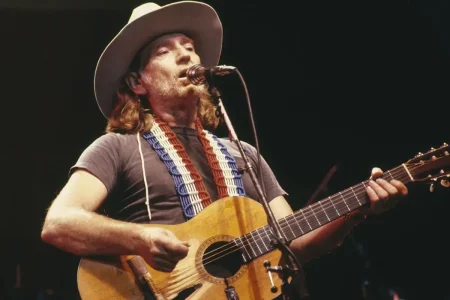
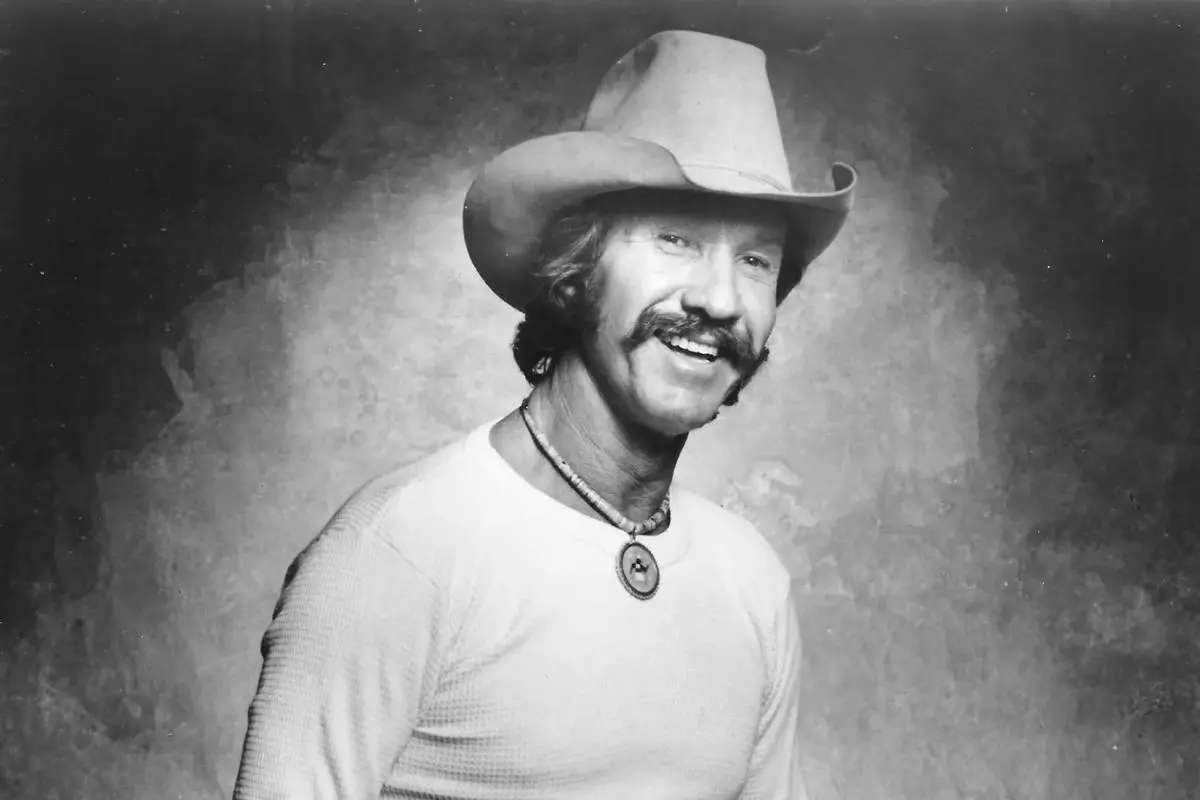
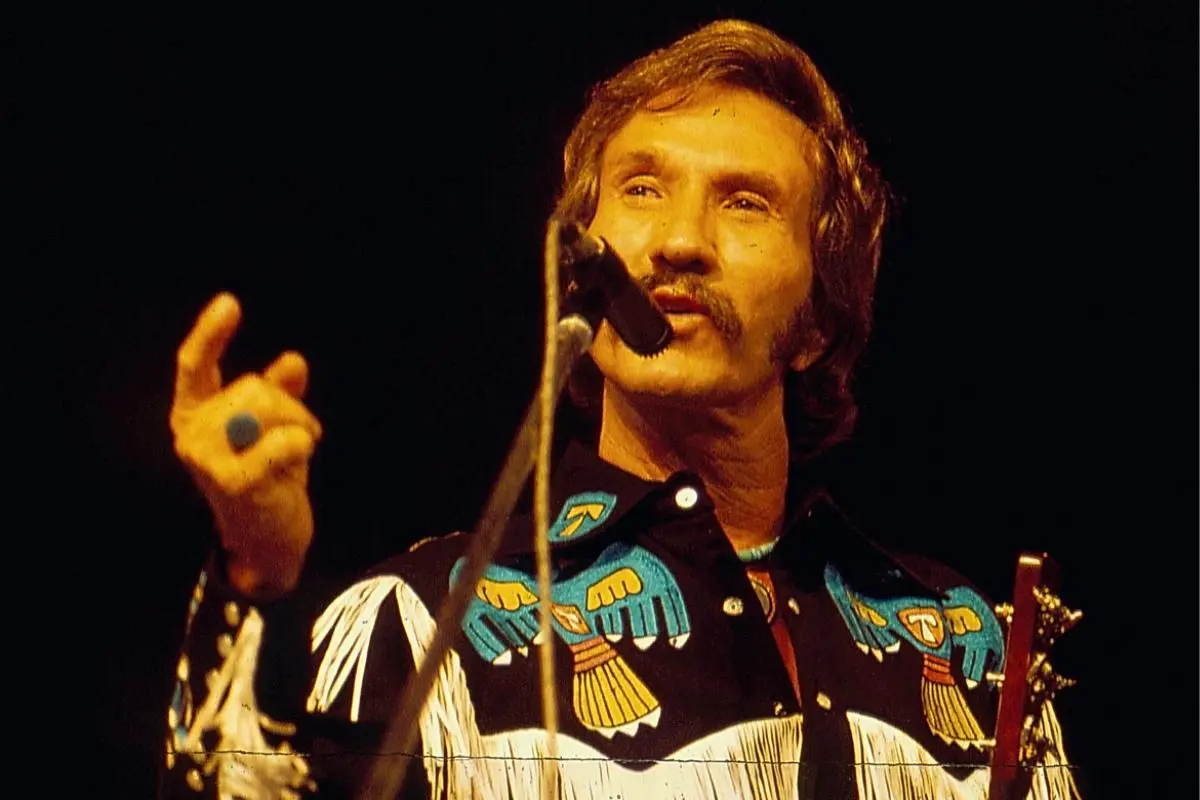
Marty Robbins was the kind of star country music loves to mythologize: a chart monster, a storyteller with Hollywood-grade instincts, and a man whose reputation for decency followed him as closely as his hit records. In 1970, the Academy of Country Music singled him out as “Man of the Decade,” a title that suggested more than sales figures. It hinted at character.
One story often used to prove that character is tied to a tearjerker called “Two Little Boys.” The legend says Robbins wrote it after the 1963 plane crash that killed Hawkshaw Hawkins and Patsy Cline, then refused songwriting credit so Hawkins’ children would receive the royalties. It’s a beautiful claim, and also the kind of claim that deserves a hard look.
The tragedy that reset Nashville
On March 5, 1963, a small aircraft carrying Patsy Cline, Cowboy Copas, Hawkshaw Hawkins, and pilot Randy Hughes crashed in bad weather, killing everyone aboard. Aviation accident databases list the flight details and fatal outcome in stark, bureaucratic language that still feels chilling decades later. Aviation Safety Network’s accident record of the fatal March 5, 1963 flight is a sober reminder that “music history” is sometimes just “a preventable day that went wrong.”
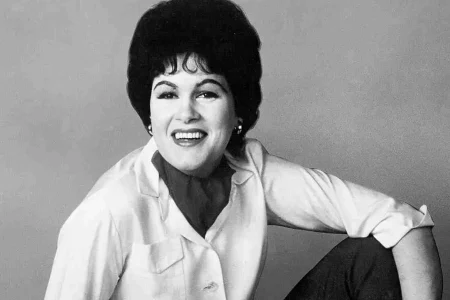
For country music, the emotional blast radius was huge. Patsy Cline’s career was still climbing, and Hawkshaw Hawkins had become a recognizable voice and stage presence, including at the Grand Ole Opry. Popular biographical overviews of the era’s major figures often underline Cline’s lasting impact and the shock of her death, which only sharpened the sense of abrupt loss.
Jean Shepard: grief with a microphone still in her hand
Hawkshaw Hawkins’ wife, Jean Shepard, was not “the widow of a singer.” She was a major artist in her own right, a pioneer female voice in honky-tonk and Opry culture, and a working professional who had to keep going. A widely shared Jean Shepard performance clip circulating online gives a sense of why the aftermath wasn’t only personal, it was public.
Popular summaries of Shepard’s life commonly mention that she and Hawkins had children and that she continued her career after his death. General institutional resources about country music and its community are useful here as a broad, non-interpretive reference point for how public narratives around artists often travel and persist.
Where Marty Robbins fits in
Robbins had already proven he could write songs that felt like short films. He also had the commercial muscle to make a compassionate idea matter financially if he chose to record it or promote it. Contemporary biographical sketches – like the kind often compiled in period crash documentation and related public records – help situate how quickly tragedy could ripple through a working music community.
Institutional recognition followed him, too. The Country Music Hall of Fame’s profile of Robbins describes him as one of country’s most versatile and successful performers, a status that gave weight to any gesture he made behind the scenes.
“Two Little Boys”: a song older than the story
Here’s the twist that makes this topic genuinely interesting: “Two Little Boys” is not originally a Marty Robbins composition. It is a much older song with deep roots in popular music, and the best-known early authorship is typically credited to Theodore F. Morse (music) and Edward Madden (lyrics). The song’s documented early authorship and history lays out that origin plainly and is consistent with long-standing catalog listings.
That matters because it changes what Robbins could have done. He could not truthfully “officially credit” the Hawkins children as the original composers of a pre-existing standard without creating legal and publishing conflicts. In other words, the viral version of the story, as told, runs headfirst into how copyright actually works.
So did Robbins record “Two Little Boys” at all?
Robbins did record many traditional and older songs across his career, and performances circulate widely. A commonly shared upload of “Two Little Boys” credited to Marty Robbins demonstrates that the Robbins association with the song is at least real in the sense that listeners can find and hear a recording attributed to him.
But “association” is not the same as “authorship,” and it’s definitely not the same as “secretly signing over royalties.” Those are different claims with different evidence requirements.
The “signing away royalties” claim: what we can and can’t prove
The legend says Robbins wrote new lyrics as a widow’s monologue, saw Hawkshaw in his sons, then credited the boys to guarantee royalties. It’s a perfect country-music morality tale: grief, loyalty, and a quiet act of generosity that the industry machine didn’t force, it couldn’t even understand.
The problem is that the cleanest, most verifiable public references available today do not confirm that precise chain of events. Authoritative pages we can verify reliably establish the crash, the people involved, and the stature of Robbins and Shepard. They do not, by themselves, document a legal change in songwriting credit to Don and Harold Hawkins.
“Country music loves a good story, but publishing loves paperwork.”
Common industry maxim (attributed generally to music publishing professionals)
Without a verifiable publishing registry entry or a primary interview in which Shepard, Robbins, or the Hawkins family states the credit transfer in specific terms, the safest conclusion is this: the “Two Little Boys” generosity story is widely repeated, emotionally plausible, but hard to prove exactly as told.
What likely happened: the more believable version
Even if the songwriting-credit detail is shaky, Robbins could still have helped in meaningful, documentable ways that don’t break copyright law. Here are the most plausible mechanisms, based on how country artists commonly supported families after tragedies:
- Direct financial support – cash assistance, benefit shows, paying bills quietly.
- Performance and recording choices – choosing material that raised attention or funds for a cause.
- Publishing generosity that is legal – assigning a portion of a performance royalty stream or recording income, without falsifying authorship.
- Career support for Shepard – leveraging contacts, bookings, or studio access.
None of those require a fairytale credit swap. They require relationships, empathy, and follow-through, which is exactly the kind of character Robbins is praised for.
Why the myth persists (and why it’s not automatically “bad”)
The enduring power of this story says something a little uncomfortable about the business side of Nashville. Fans want to believe there are saints inside the machine, because the machine itself can feel indifferent. The more contracts and labels dominate the narrative, the more audiences crave a human counter-story.
That doesn’t mean we should accept unverified claims. It does mean we should understand why a community that has buried so many stars young still clings to stories where somebody did the right thing when nobody was watching.
Country music’s moral economy
Country songs often work like moral courtroom dramas: who deserves mercy, who pays, who stands by family. “Two Little Boys” as a concept fits that tradition perfectly, which is why it’s so shareable. The crash is real. The grief is real. The need for help was real. That’s enough for a legend to attach itself to a song title and become “truth” by repetition.
ACM “Man of the Decade”: what that title really signaled
Even without leaning on disputed anecdotes, Robbins’ honors tell you the industry viewed him as a defining figure. Major awards institutions and their honors frameworks provide context for how industry recognition works at the “career-defining” level, and why decade-scale praise tends to signal more than one hit or one good year.
If you want an “edgy” takeaway, here it is: the most radical thing Marty Robbins did might not be a secret royalty transfer. It might have been staying respected in a business that often rewards ruthless behavior and calls it “hustle.”
A quick reality-check table: legend vs. verifiable facts
| Claim | What we can verify | What remains uncertain |
|---|---|---|
| 1963 plane crash killed Cline and Hawkins | Confirmed by aviation records and museum histories | None |
| Jean Shepard was Hawkins’ wife | Confirmed in major biographical summaries | None |
| Robbins was a top-tier star known for versatility | Confirmed by Country Music Hall of Fame profile | None |
| “Two Little Boys” was written by Robbins and credited to the Hawkins boys | Song’s older authorship is well documented | Whether Robbins created a new version and legally routed income to them |
If you’re a listener: how to hear the song with clearer ears
Don’t let debunking kill the emotion. Let it sharpen it. If you listen to “Two Little Boys,” focus on what the song does well: it compresses grief into a simple narrative and makes the listener supply the missing details from their own life.
And if you want to honor the real people in the story, go deeper than the meme version. Read about Patsy Cline’s place in country history and the shock of her death. Biography.com’s profile provides a digestible overview of her impact and career arc for anyone who needs a refresher.
Conclusion: the heart is believable, the paperwork is not
Marty Robbins didn’t need a miracle anecdote to prove he mattered. The crash that killed Hawkshaw Hawkins and Patsy Cline was real, and it left real families dealing with the kind of grief that doesn’t fit into liner notes. The story that Robbins wrote “Two Little Boys” and signed away the credit may be more legend than law, but it points toward a deeper truth: country music survives on community, and the best artists know their job includes showing up for people, not just audiences.
If more stars chased that kind of reputation, the genre would have fewer myths to cling to and more verified goodness to celebrate.