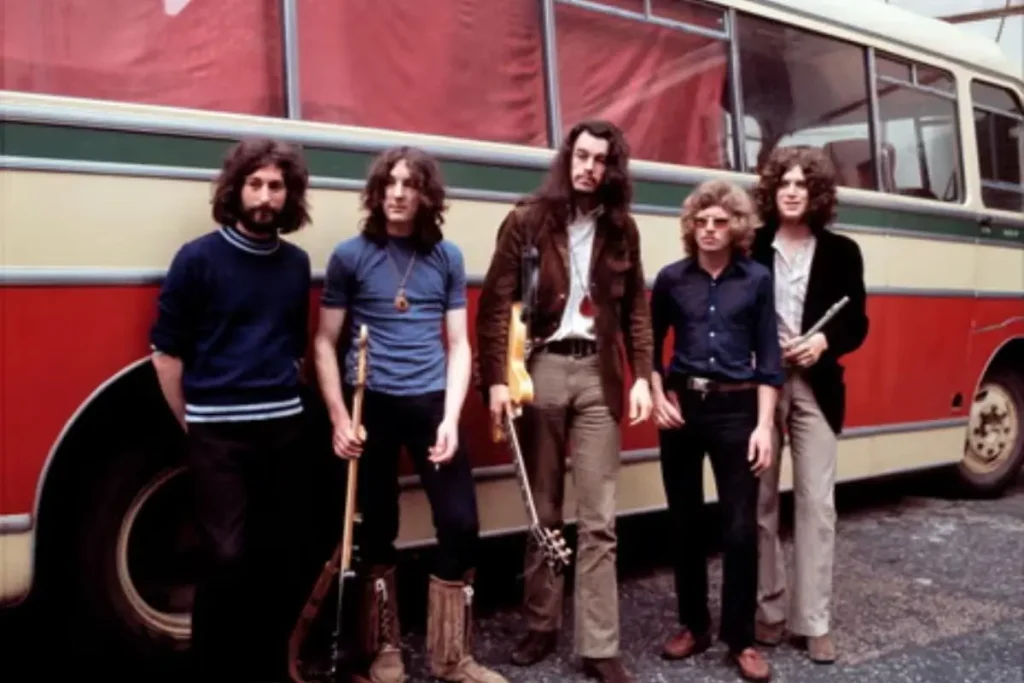
Supertramp sound like the ultimate everyman band: office-life anxiety, small victories, big feelings, and a piano that always seems to be arguing with the guitar. But their earliest chapter has a twist that feels almost un-rock-and-roll: they were, in a very literal sense, funded into existence.
In the late 1960s, Rick Davies wanted a serious band in London. Enter Dutch millionaire Stanley “Sam” August Miesegaes, who offered backing that most unknown groups could only dream about: rehearsal space, equipment, and basic living expenses. That one decision gave Davies something more valuable than cash: time. And time, in the band economy, is basically cheat-code money.
“Our original patron was a Dutch millionaire.”
Rick Davies, as summarized in the overview of Supertramp’s early patronage
The London problem: talent is common, rent is not
London at the end of the ’60s was full of musicians chasing a break. The dirty secret is that the “starving artist” myth can kill a project before it ever develops a sound. If your band can only rehearse twice a week because everyone’s working shifts, your songs develop at the speed of a bus timetable.
This is why Miesegaes matters. Instead of fighting for scraps of practice time, Davies could build a band like an incubator builds a startup: controlled conditions, long runway, and no immediate pressure to become commercially viable. In other words, Supertramp’s early advantage was less “sex, drugs and rock” and more “angel investor with a checkbook.”
Meet the patron: Stanley “Sam” August Miesegaes
Accounts agree on the essentials: Miesegaes was a wealthy Dutchman who became interested after seeing Davies perform, then financed a new band project around him. The finer details vary by retelling, but the core reality holds: without this benefactor, the early band would likely have been another short-lived London lineup swallowed by rent.
Even fan-compiled histories consistently frame the arrangement as unusually comprehensive for unknown musicians, emphasizing the group’s unusual bankrolling arrangement that funded rehearsal and development in a way that was rarely possible for a new act.
“Daddy” to Supertramp: the name switch that signaled ambition
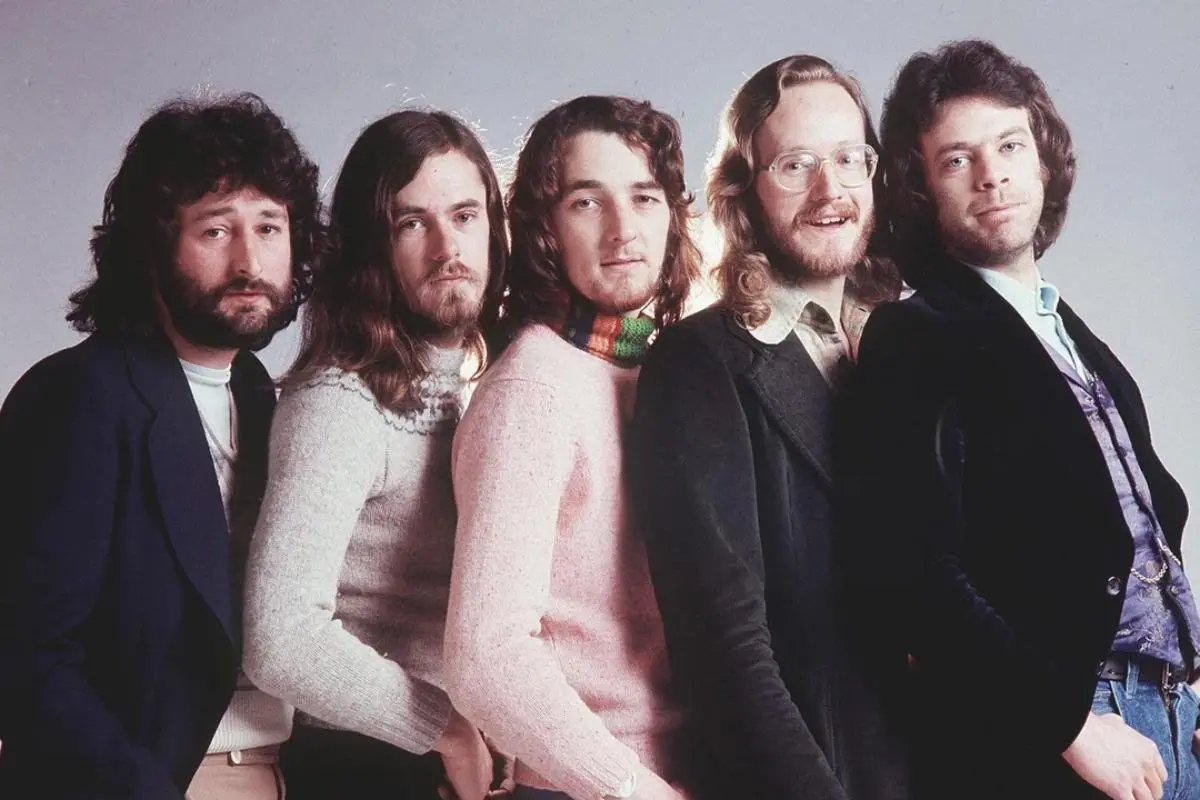
The early band began under the name Daddy, before becoming Supertramp. The new name carried a whiff of outsider romanticism, but not in a cartoonish “rebel” way. It was literary, self-aware, and a little bleak, which fits where the band would eventually go.
The inspiration traces back to W. H. Davies’ book The Autobiography of a Super-Tramp, a work associated with itinerancy, hardship, and observation. A modern bibliographic entry notes the enduring publication life of The Autobiography of a Super-Tramp, underscoring that it’s a real title rather than a retro myth.
Why the name matters musically
Supertramp’s later songwriting often treats “ordinary life” as both prison and poetry. That’s a strange pairing with a moneyed origin story, and that contrast is exactly why it’s fascinating: the band’s emotional point-of-view wasn’t purchased, but the space to refine it arguably was.
What patronage actually bought them (and why it’s so rare)
It’s easy to imagine a millionaire “buying” a band in the cynical sense. What’s more interesting here is that the financing didn’t instantly manufacture success. It bought development time, and the ability to try lineups, songs, and directions without the project collapsing in month three.
| What the money likely covered | Why it mattered |
|---|---|
| Rehearsal space | A consistent room turns “jamming” into a repeatable craft process |
| Living expenses | More hours for writing, arranging, and tightening a set |
| Gear and transport | Better instruments and reliable logistics reduce friction and flake-outs |
| Time | The real asset – enough runway to become a band instead of a project |
In the modern music world, we’d call this “pre-label funding.” In the 1969 rock world, it was practically science fiction. That’s the edgy, uncomfortable truth behind the “everyman” Supertramp: they had a private safety net before they had a fanbase.
The revolving door years: when money doesn’t guarantee chemistry
Here’s the part that keeps this story from becoming a fairy tale. The early Supertramp lineups were unstable. Personnel shifted. Direction wasn’t fixed. Patronage prevented immediate collapse, but it couldn’t magically generate the one thing that makes bands immortal: the right internal pairing of voices and writing instincts.
That pairing arrived when Roger Hodgson joined and the group eventually moved toward the recognizable blend: Davies’ grounded, blues-leaning cynicism against Hodgson’s higher, more yearning melodic sensibility. If you want a snapshot of how widely that classic identity is recognized, even broad music fact summaries emphasize the Davies–Hodgson axis as central to the band’s best-known era.
From funded rehearsal room to “Crime of the Century” level focus
By the time Crime of the Century landed, Supertramp didn’t sound like a group that had been hurried into a debut. It sounds meticulous: arranged, layered, paced. The band’s dynamic range is confident, moving from quiet piano confessionals to big, engineered crescendos.
Industry retrospectives frequently underline how pivotal Crime of the Century was in turning Supertramp into a major act, with the record often treated as the moment the group’s songwriting and sonic ambition fully clicked.
The uncomfortable takeaway
There’s a provocative argument hiding in plain sight: sometimes the “authentic” classics we love were made possible by unseen privilege. Not in the sense that the art is fake, but in the sense that the conditions to create it were unusually favorable. Greatness still requires talent and taste. But time, stability, and the ability to fail privately are enormous advantages.
“Breakfast in America”: the irony of an everyman masterpiece
Breakfast in America became the global megaphone, full of catchy hooks and lyrical snapshots of aspiration and disillusionment. It’s also where the band’s mainstream reputation hardened: smart pop-rock with a bite, approachable but not brainless.
Recognition from major industry institutions helped cement that album’s status and the band’s era-defining run; the Grammy Awards’ official record for the 22nd Annual ceremony documents .
So was Supertramp “manufactured”?
No. And yes, depending on what you mean.
No, because you can’t purchase the kind of songwriting that holds up for decades. You can’t buy the specific friction between Davies and Hodgson that produced songs people still argue about at dinner parties. Money doesn’t write “The Logical Song.”
Yes, if by “manufactured” you mean the band had an unusually engineered runway. Miesegaes effectively subsidized the messy early stage that ruins most bands. He paid for the awkward trial-and-error years so the group could reach competence, then excellence, before the world started judging.
Why this origin story matters (even if you only care about the music)
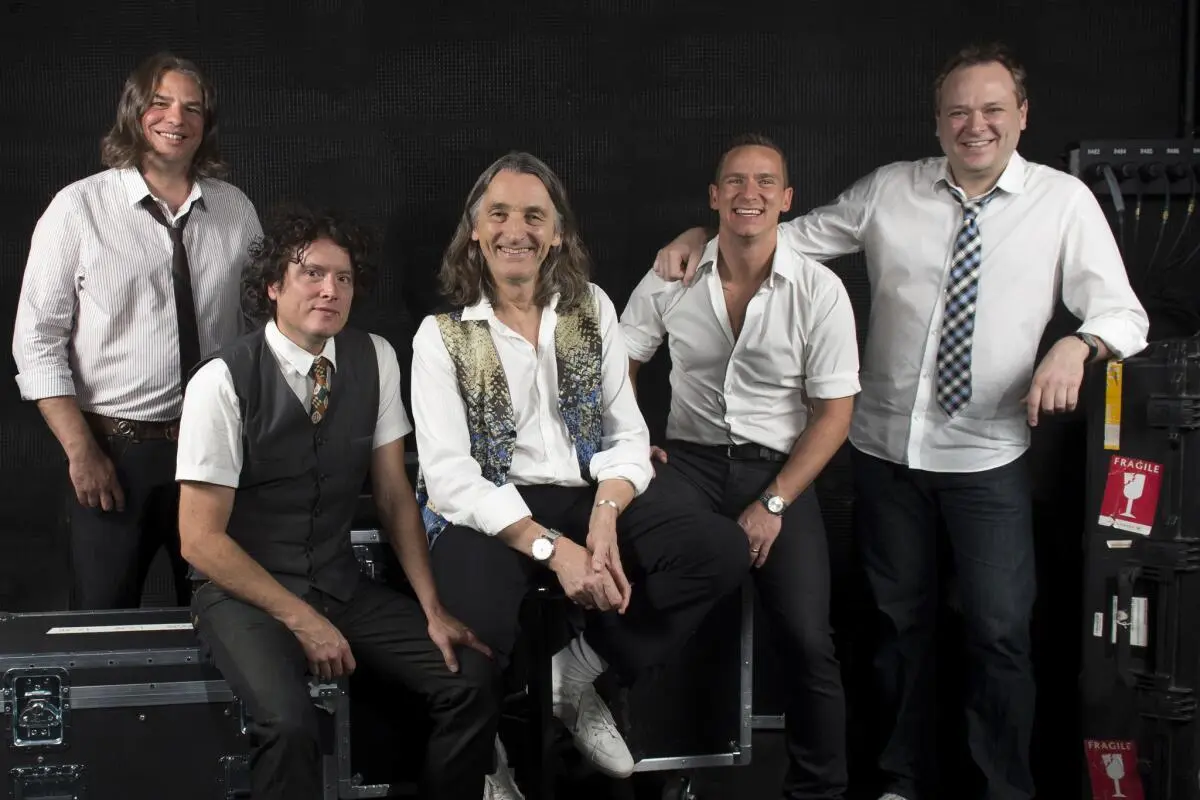
This isn’t gossip trivia. It’s a window into how music careers actually happen. Most “overnight successes” are the end of a long chain of enabling conditions: a supportive partner, a cheap apartment, a label advance, a rich friend, or a patron with deep pockets and a taste for risk.
Supertramp are a particularly clean example because the patronage was so direct and so early. Their story can make longtime fans feel conflicted, but it shouldn’t. If anything, it highlights how much skill it takes to turn opportunity into enduring records. Plenty of artists have had money behind them and still produced nothing memorable.
Three practical lessons musicians can steal from this story
- Time is the real currency. Find ways to buy rehearsal and writing time, even if it’s just one consistent night a week.
- Stability beats hustle. A reliable room, routine, and lineup development plan can outperform constant gig-chasing early on.
- Backers can be invisible. If you have support, use it to build craft, not hype. The audience hears the difference.
Conclusion: the least rock-and-roll detail that made a rock-and-roll band
Supertramp’s early benefactor story doesn’t shrink the band. It sharpens them. It reveals that behind the relatable songs was a rare structural advantage: someone quietly paid the bills so the music could get good before the market got loud.
That’s not a scandal. It’s a reminder that art is often the result of patronage, patience, and the unglamorous logistics of keeping a band alive long enough to find its voice.