
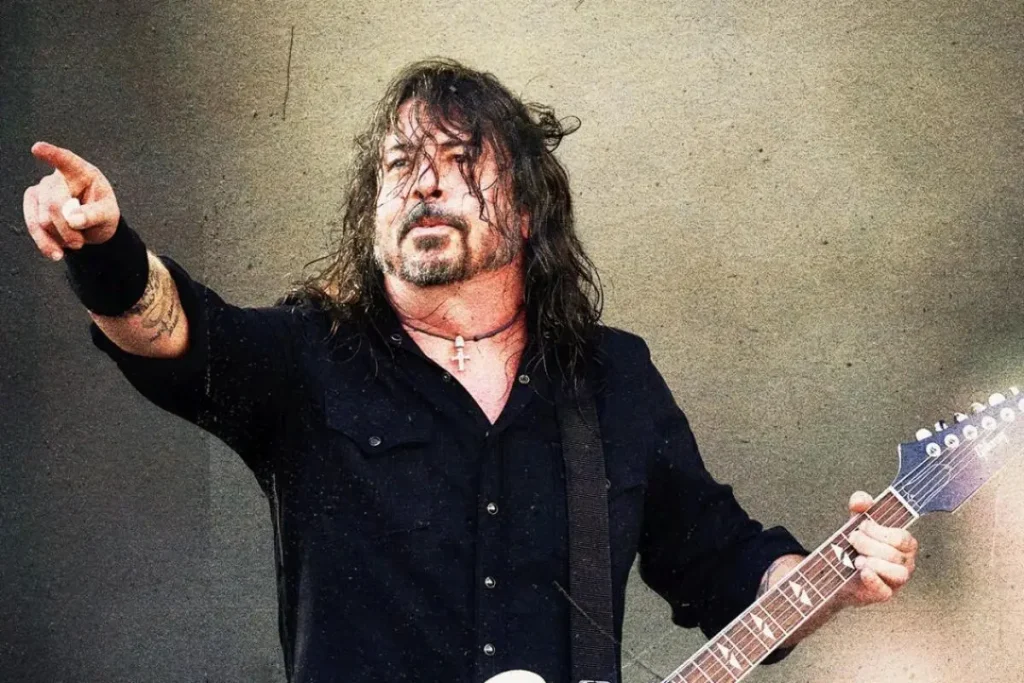
There are great rock albums, and then there are albums that feel like places. Queens of the Stone Age’s Songs for the Deaf is a place: a sun-blasted highway at night, a dashboard glowing, and a radio scan that keeps landing on something dangerous. Released on August 27, 2002, it fused brute-force riffs with pop instincts sharp enough to cut glass. The result is an album that didn’t just revive hard rock – it made it feel modern, sweaty, and strangely sophisticated, as captured in the album’s release history and overall concept.
“Rock should be heavy enough for the boys and sweet enough for the girls. That way, everyone’s happy, and it’s more of a party.”
Josh Homme
That philosophy explains why Songs for the Deaf still plays like a party where the punch is spiked: it’s hooky, heavy, and just unhinged enough to feel alive. Below is how this record came together, why it worked, and what musicians can steal from it today.
From desert myth to mainstream target
After Kyuss imploded, Homme didn’t immediately become a rock emperor. He drifted, collaborated, and kept his antenna up, circling the desert scene that had already taught him a crucial lesson: repetition can be hypnotic, not boring.
By the time QOTSA’s earlier records built a cult, Homme’s real weapon wasn’t volume – it was control. QOTSA could sound like a bar fight while arranging parts like a producer who grew up loving radio singles.
Why the “revolving door” lineup mattered
The band’s early years were defined by shifting personnel, and it wasn’t a bug – it was the feature. Homme stayed the creative constant, while collaborators added texture, attitude, and surprise. That approach peaks on Songs for the Deaf, where personalities collide rather than blend politely.
Official credits and track details vary by edition, but the core recording lineup is widely documented as Josh Homme, Nick Oliveri, Mark Lanegan, and Dave Grohl, with Grohl relishing the chance to be “the drummer” again (on drums for most of the album).
Dave Grohl’s drums: the steel spine
Grohl’s involvement became the headline, and not just because of name recognition. He plays like a man trying to win each song, turning even mid-tempo grooves into forward motion. His sound is big, dry, and immediate – like the kit is in the passenger seat.
That’s audible: no cautious “session guy” restraint, just commitment.
Two drummers, one album, zero confusion
One of the album’s fun bits of trivia is that Grohl didn’t play every track. For example, “Go With the Flow” is credited to Gene Trautmann on drums. Rather than feel inconsistent, the drum-chair changes underline the album’s larger theme: you’re flipping stations, not watching one band in one room.
The concept that makes it feel like a movie
The “drive through the dial” format is the secret sauce. Interludes mimic radio DJs, commercials, station IDs, and static, turning the album into a narrative experience instead of a simple collection of songs.
It’s satire, but it also solves a musical problem: how do you stitch wildly different moods together without losing momentum? You make the listener a driver, and the band’s best-known single sits right inside that channel-surfing fever dream.
| Radio element | What it does | Why it still works |
|---|---|---|
| DJ voices and station IDs | Breaks tension and resets mood | Makes sequencing feel intentional, not random |
| Static and channel surfing | Creates movement between songs | Turns stylistic jumps into part of the story |
| Fake ads and absurd banter | Adds humor and sleaze | Gives the record personality beyond riffs |
Track-by-track: the moments that built a monster
“You Think I Ain’t Worth a Dollar, But I Feel Like a Millionaire”
The opener is basically a mission statement: contemptuous, swaggering, and slightly deranged. The riff is simple, but the feel is elastic, with a swing that keeps the aggression dancing. It’s also where the album’s “radio” conceit starts – keys in the ignition, the dial turning, then impact.
“No One Knows”
This is the crossover that didn’t sand off the edges. The verse riff struts, the chorus blooms, and the groove locks in like a muscle memory you didn’t know you had. The song’s chart performance and cultural ubiquity are the obvious story, but the musical trick is subtler: it’s heavy, yet it smiles.
The official video helped cement the band’s identity as both menacing and cartoonishly fun, which mattered in an era when rock often took itself too seriously – something reinforced by how strongly the record scored across critical reception at the time.

“First It Giveth”
One of the album’s sharpest self-portraits: addiction, inspiration, and the ugly bargain artists make with their own appetites. The dynamics are key – quiet tension, then an eruption that feels like the body overriding the brain.
“Song for the Dead”
If you want to explain to someone why Grohl was the perfect guest drummer, play this and wait for the outro. It’s a locomotive. Lanegan’s vocal is a weathered blade, and the arrangement leaves room for the drums to be a lead instrument without sounding like a drum solo.
“Go With the Flow”
Three chords, no fat, all motion. The black-and-white kinetic video became an MTV-era staple and a second door into the band for casual listeners, and you can still see it presented front-and-center on the album’s streaming tracklist. The track’s Grammy nomination for Best Hard Rock Performance underscored how far the band had pushed into the mainstream without turning polite.
Deep cuts that reward repeat drives
Plenty of albums have famous singles and filler. This one has famous singles and weirdly essential supporting scenes. “God Is in the Radio” is slow-burn menace with Lanegan as preacher. “Hanging Tree” and “Song for the Deaf” tilt toward desert psychedelia without losing punch. And “Mosquito Song” closes like a medieval campfire hallucination, proving the band could disarm you after pummeling you.
Edgy claim, backed by the evidence: this album bullied rock radio into liking it
Rock radio in the early 2000s could be conservative: a narrow definition of “acceptable” heaviness, safe tempos, predictable voices. Songs for the Deaf is openly hostile to that system, yet it also speaks radio’s language: concise hooks, memorable riffs, and punchy structures.
That’s why the album’s concept feels like more than a joke. It’s a challenge: “You won’t play us? Fine. We’ll build our own stations, and the audience will come anyway.” Critical reception at release reflected that the band had delivered something both immediately enjoyable and artistically ambitious, as echoed in a major contemporary review.
How to steal QOTSA’s “heavy and sweet” formula (without copying riffs)
1) Treat groove as the main event
The guitars are monstrous, but the swing is what makes them sexy. Practice riffs to a click, then deliberately loosen them until they feel like they’re leaning forward.
2) Make the bass a second hook machine
Nick Oliveri’s presence is more than chaos; it’s propulsion. Even when the guitars dominate, the bass often defines the urgency of the part. Write bass lines that argue with the guitar instead of simply doubling it.
3) Use vocals like casting
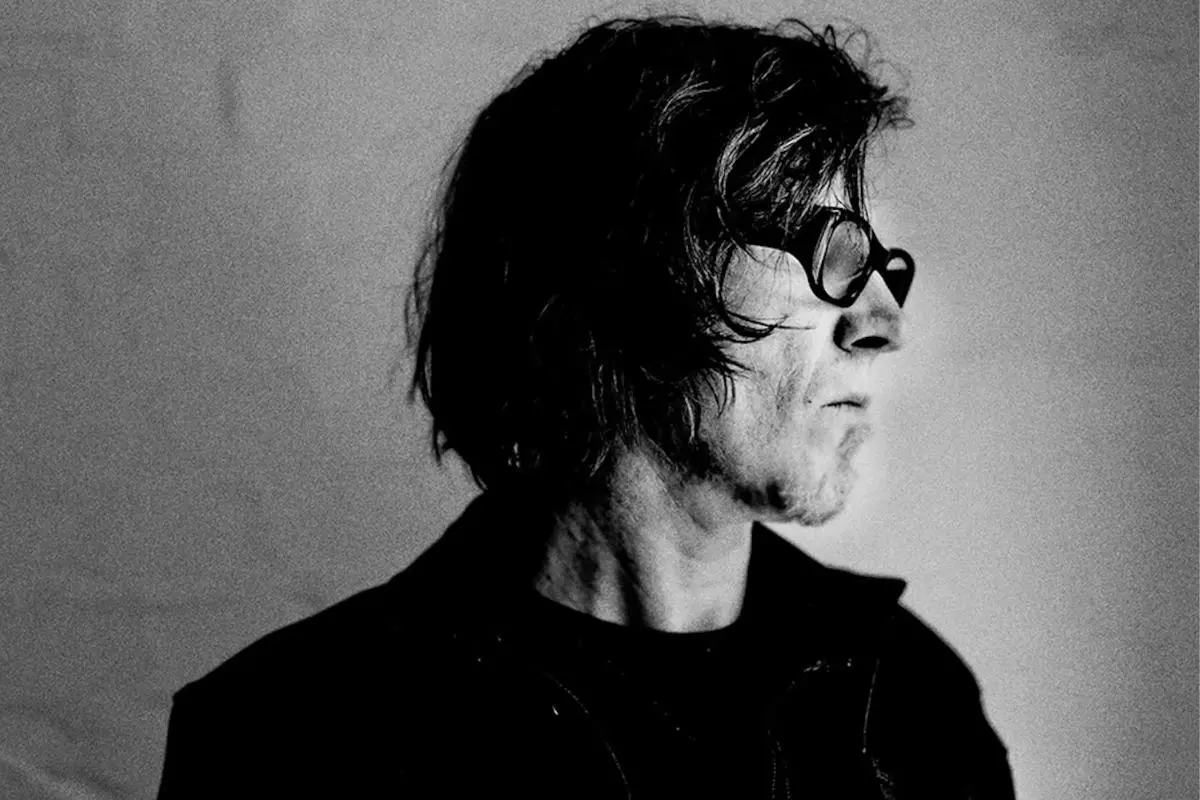
Homme is the cool narrator; Lanegan is the burned prophet; Oliveri is the manic instigator. That contrast creates dimension. If you’re in a band with one singer, fake this by changing delivery – whisper, croon, bark – and committing to the character.
4) Sequence like a storyteller
The interludes are essentially “scene changes.” Even if you’re not doing fake DJs, use transitions: a short noise swell, a spoken line, a drum fill that bridges tempos. Make the listener feel guided.
Legacy: why it still hits harder than nostalgia
Songs for the Deaf didn’t just launch QOTSA into bigger rooms; it helped redefine what “modern hard rock” could be: tight, groovy, sonically intentional, and unafraid of humor. Streaming platforms now present the album as a canonical entry in 2000s rock, and its tracklist continues to rack up plays because it functions like a complete experience, not a playlist.
Even its best-known songs haven’t been worn out – a rare trick. “No One Knows” still feels like a dare, and “Go With the Flow” still sounds like it’s accelerating. That’s not just good writing; it’s good engineering of feeling.
Conclusion: the party record with teeth
Homme’s “heavy and sweet” credo wasn’t marketing fluff. Songs for the Deaf is proof you can make rock that’s brutal and inviting at the same time – a record that seduces you with hooks and then drives too fast on purpose. Put it on in the car, let the dial spin, and remember: sometimes the best way to beat the radio is to become the radio.


