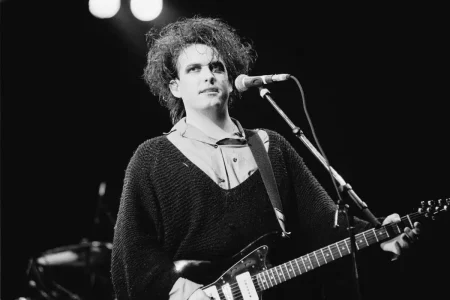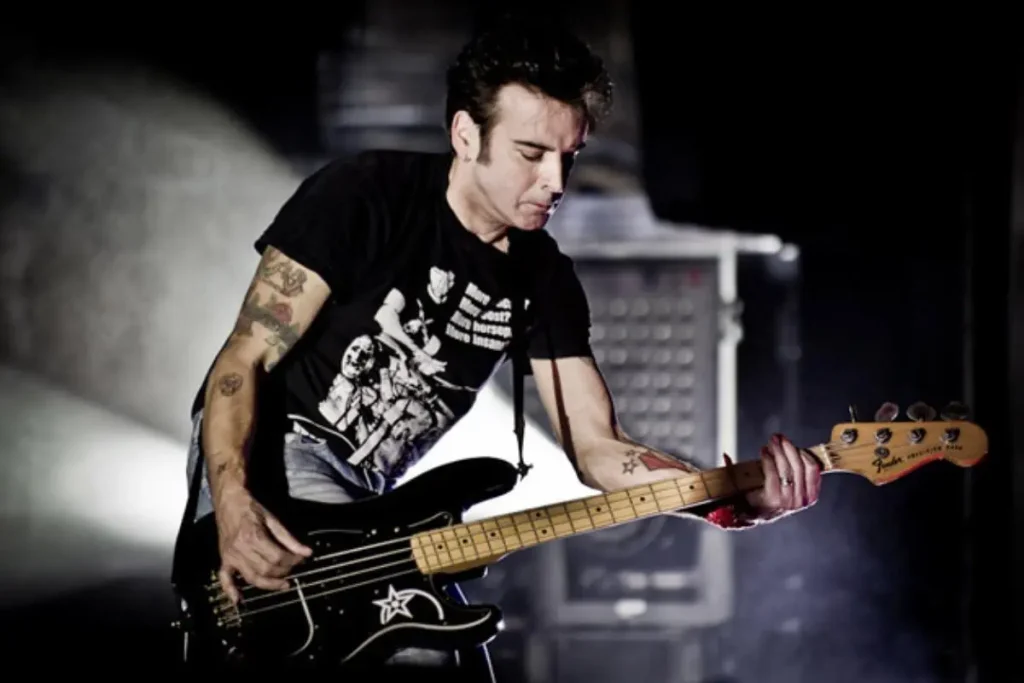
There’s a version of The Cure that lives in the public imagination: Robert Smith’s voice, chorus-drenched guitars, and a fog-machine atmosphere thick enough to chew. But the “classic Cure” feeling-the one that turns a simple chord cycle into a moving picture-is often carried by something less romantic and more physical: Simon Gallup’s bass, loud, melodic, and stubbornly present.
Gallup doesn’t just “support” songs. He drives them like a second lead, a narrative voice that tells you what the track means emotionally even before Smith sings. That choice is borderline rebellious in rock arrangements, where bass is traditionally punished for having too much personality.
Why Gallup’s bass feels like a lead instrument
Plenty of bassists play busy lines. Few make them feel inevitable. Gallup’s trick is that his lines often provide the hook, while the guitars paint the weather. When the bass is high in the mix, you don’t hear “low end”; you hear motion.
He also has the rare ability to make repetition feel like obsession rather than boredom. On early-80s material, he’ll lock into a pattern and subtly sharpen it with placement, accents, and note choice until it becomes a psychological loop.
“I just want to play bass. I don’t want to have to think about it too much.” – Simon Gallup, quoted in a biographical summary of his career and approach to music-making
The “propulsive early-80s” engine: how it’s built
If you want the classic Cure push, start by understanding what the bass is doing in relation to the drums. Gallup’s lines frequently emphasize forward momentum by leaning on eighth notes, strategic octave jumps, and melodic anchors on chord tones.
That propulsion is especially obvious in the band’s transition from the sparse post-punk of Seventeen Seconds into the darker, heavier early-80s run. The bass doesn’t simply follow the harmony; it insists on a road map.
Gallup’s three-part “classic Cure” bass recipe
- Melody first, root notes second – the line sings even if you mute everything else.
- Pick-style articulation (whether literal pick or pick-like attack) – clear transient, less “pillowy” sustain.
- Chorus and space – modulation and ambience that match the guitars instead of hiding underneath them.
Song case studies: where the bass is the plot
Rather than pretending there’s a single “best” Gallup line, it’s more useful to look at types of lines he writes and how they steer the mood. Here are three Cure bass archetypes you can hear across the catalog and live recordings.
1) The chase scene: “A Forest”
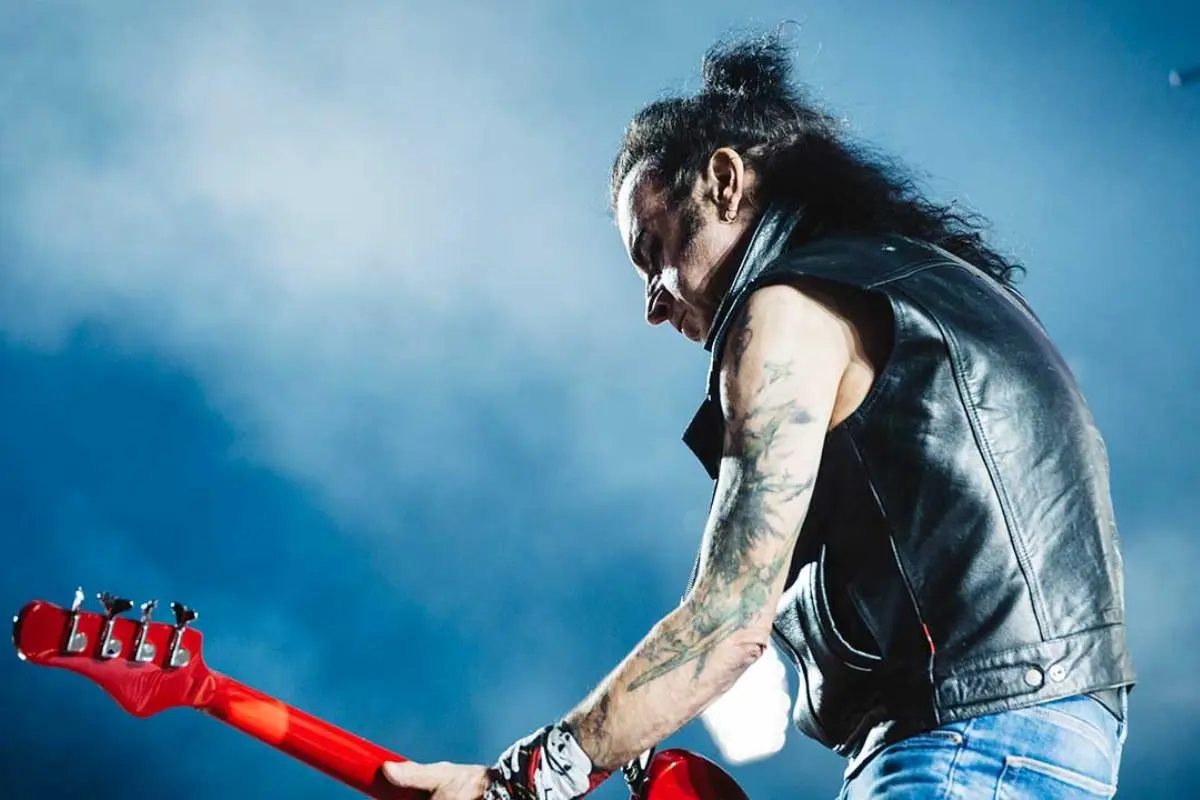
“A Forest” is a masterclass in using bass to create pursuit: steady, hypnotic, and slightly menacing. The line becomes a treadmill, and the band builds tension by adding layers on top of that unblinking pulse.
As the song’s background is often told, the track developed from a demo and evolved into one of the band’s defining releases, with arrangement choices central to its impact. That impact is inseparable from the bassline’s insistence.
2) The boulevard strut: “Fascination Street”
When The Cure go widescreen, Gallup often becomes the tour guide. “Fascination Street” is a perfect example: the bass doesn’t just outline chords, it sets a dangerous, glamorous gait, like boots on wet pavement.
The album’s creation story around the making of Disintegration helps explain how that kind of mood-forward arrangement thinking can become the point, not just the backdrop. The bass is what makes that noir feel physical rather than poetic.
3) The pop spine: “Just Like Heaven”
In brighter Cure songs, Gallup’s role is even more revealing. A lot of pop-rock bass disappears into the kick drum. On “Just Like Heaven,” the band’s buoyancy depends on how the bass and drums hold a clean, dancing framework under chiming guitars.
Its status as one of the band’s signature songs within pop history is well established. What’s often missed is that the pop “lift” is as much Gallup as it is guitar sparkle.
Mix and arrangement: how the bass gets away with being so loud
Let’s say the quiet part out loud: if another band mixed its bass like The Cure often do, it might sound wrong. Gallup gets away with it because the arrangements leave him room, and because his tonal choices stay focused.
Classic Cure guitar parts frequently avoid heavy low-mid occupation. They live in chorusy upper mids and shimmering top end, leaving the bass free to occupy not only lows but also a melodic “speaking range.” The result is a band mix where bass can be prominent without crowding the vocal.
A practical frequency and role map
| Element | Primary job | How it leaves space for Gallup |
|---|---|---|
| Guitars | Texture, color, rhythm shimmer | Less low-mid bulk; more chorus and top-end |
| Vocals | Story and emotion | Centered presence; bass avoids fighting the vocal range |
| Drums | Pulse and dynamics | Kick provides weight; bass provides movement |
| Bass | Melody + forward motion | Clear attack and defined notes allow loudness without mud |
The live factor: why Gallup’s lines hit harder on stage
The Cure are famously a live band: long sets, deep catalogs, and arrangements that can stretch without snapping. That format rewards basslines that are structural, not decorative.
The band’s concert film The Cure in Orange is often cited by fans as a document of peak-era power and interplay, and it’s a strong example of the bass sitting upfront in the live sound. When you hear the band in that context, you realize the “mood” is largely a rhythm section phenomenon.
Also, live Cure tempos can feel slightly more urgent than studio versions. A melodic bassline at a hair faster tempo doesn’t just move more, it hunts. Gallup’s phrasing and consistency make those long performances feel like one continuous emotional arc rather than a set of songs.
Band chemistry: the part people don’t want to credit
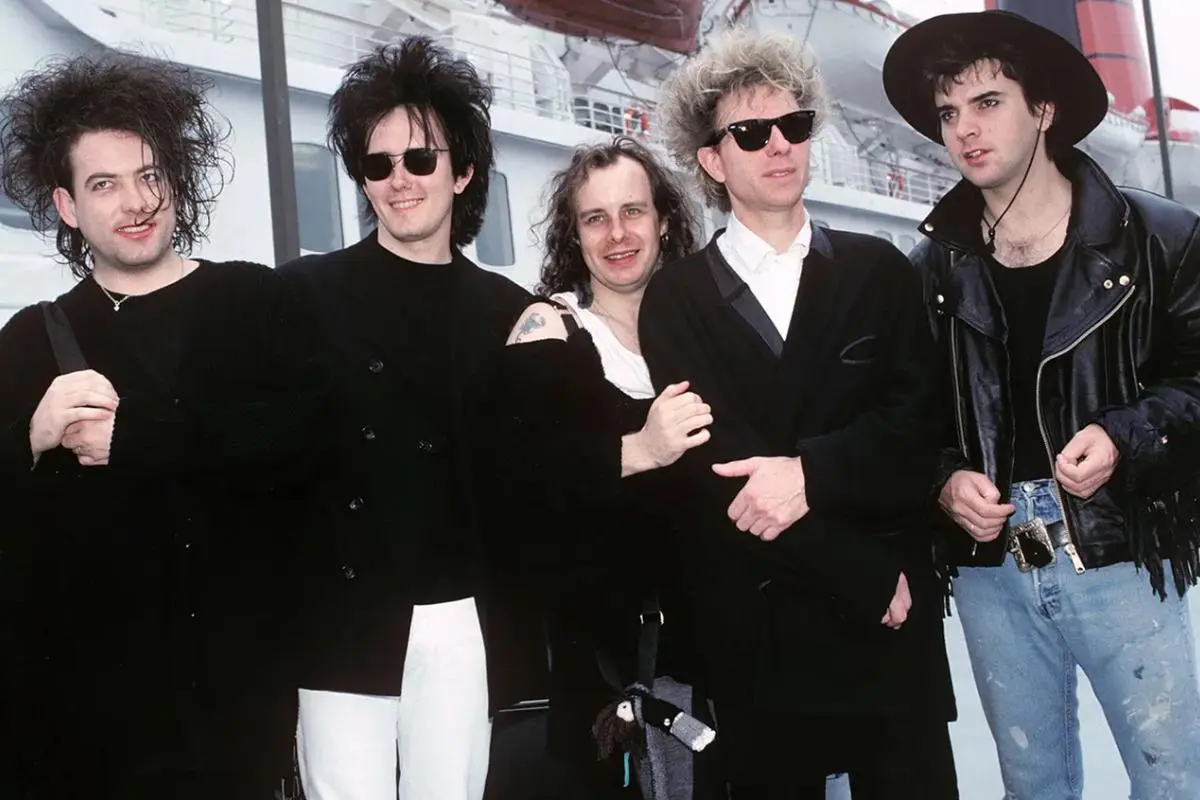
It’s tempting to treat The Cure as Robert Smith plus atmosphere. That story sells, but it’s incomplete. Gallup has been central to the band’s most iconic eras, and his playing shapes the identity enough that many listeners can “hear” when it’s him.
That’s why lineup narratives around Gallup matter. Documented membership timelines and activity periods aren’t trivia; they’re a way to understand why certain Cure periods feel like a specific machine clicking into place.
“The group’s sound depends on its internal tensions.” – Robert Smith, in a profile/interview discussing The Cure’s dynamics and longevity
How to get a “Gallup-ish” sound without copying gear
You can chase exact instruments and pedals forever, and still miss the point. The “classic Cure” bass effect is more about choices: attack, note length, chorus usage, and mix placement.
Try this 5-step approach (works with most basses)
- Brighten the attack – raise tone, pick closer to the bridge, or use a pick for more definition.
- Keep notes clean – aim for consistent volume across strings; sloppy dynamics kill that Cure propulsion.
- Add subtle chorus – enough to widen the sound, not so much that pitch wobble becomes the main event.
- Write a singable line – if you can’t hum it, it’s probably just a bass part, not a Cure-style “second lead.”
- Mix it bravely – turn up until it feels risky, then carve mud rather than lowering volume.
If you’re recording at home, here’s the provocative claim that will save you time: don’t EQ the bass “like bass.” EQ it like a guitar hook that happens to be low. That mental shift gets you closer to the Cure’s emotional geometry.
Gallup’s influence: why so many bands borrowed the blueprint
The Cure’s DNA shows up in countless post-punk, goth, and alternative bands, but Gallup’s specific influence is often under-credited. You can trace it through bass-forward mixes and melodic low-end writing in entire scenes.
A map of related artists and stylistic connections makes it easy to see how wide their influence runs across alternative music ecosystems. When you listen closely, a lot of those offshoots share one core idea: bass as mood-setter, not just foundation.
And within the fan and press ecosystem, The Cure’s ongoing cultural weight is constantly refreshed, with an active artist hub tracking the band’s news and legacy. That legacy is built on signature sound choices, and Gallup’s bass is one of the biggest.
Conclusion: the Cure’s mood is low-frequency storytelling
Simon Gallup’s greatest achievement isn’t technical flash. It’s emotional authority. His lines don’t merely support The Cure’s songs; they narrate them, pushing the band forward while dragging your feelings behind like a coat in the rain.
If you want to understand “classic Cure,” stop staring at the chorus pedals and the eyeliner mythology. Listen to the bass as the lead instrument it quietly has been all along.