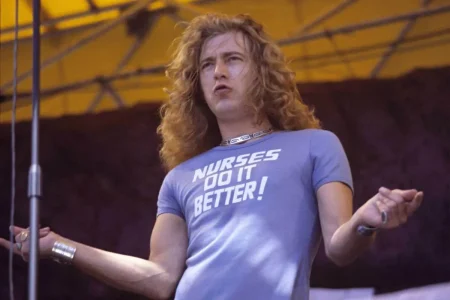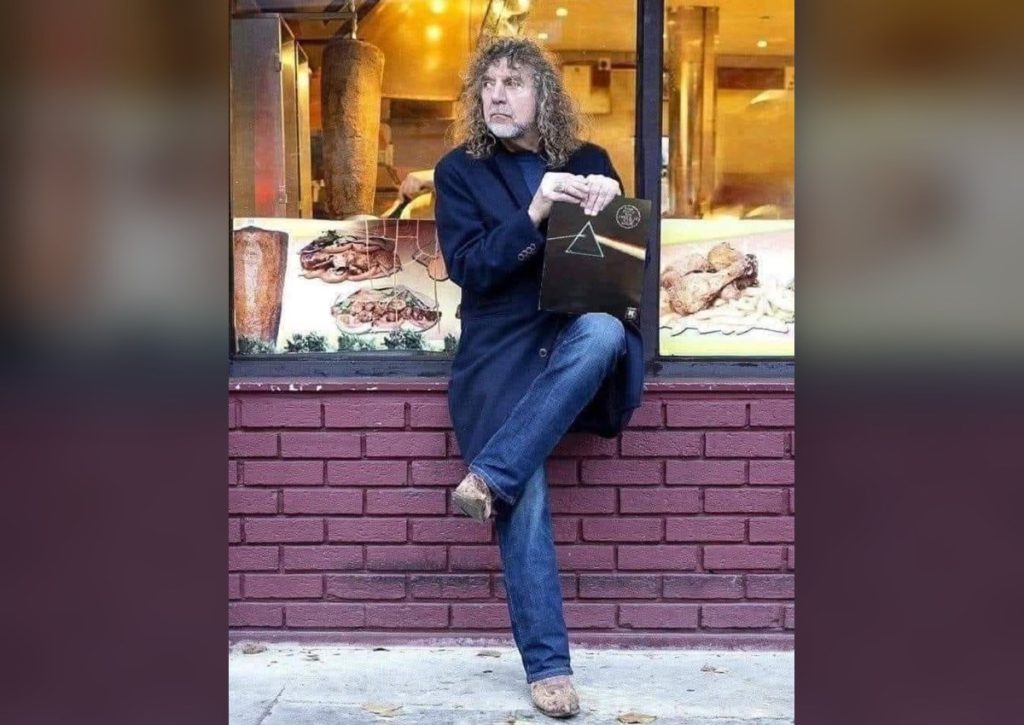
Every few months, somewhere in the world, the same small news story repeats. Staff at an independent record shop look up from the counter and realise the tall, silver-curled man flipping through the racks is the singer of Led Zeppelin. He buys something obscure, poses for a slightly stunned photo, and leaves. In June 2024 it was a shop in Madison, Wisconsin, where Plant bought a Ratboys album on vinyl — a young Chicago indie band most men his age have never heard of. That detail is the whole story of late-period Robert Plant in miniature.
The collector who never stopped
Plant’s crate-digging is not a photo op; it’s a lifelong compulsion with a paper trail. Recent sightings alone span West Virginia, Kansas City, Raleigh and Austin, and his personal collection is a dizzying sprawl of LPs and seven-inches running from Delta blues to Malian desert rock to British folk. In 2026 the industry formalised what shop owners had long known, naming him Record Store Day’s Record Store Legend — an honour previously held only by Elton John and Johnny Marr — which he accepted, characteristically, standing in the world’s oldest record shop, Spillers in Cardiff, talking about record stores as a lifelong habit.
“Record stores have always been a part of my life,” he said there. The tense matters: not were. Are.
The curiosity that saved him
Here is why the shopping habit deserves an article rather than a caption: it is the engine of one of the great second acts in rock. Consider the problem Plant faced from 1980 onward. He had fronted the biggest band of its era; the safest and most lucrative path available to him — permanently — was to be Led Zeppelin’s singer emeritus, touring the catalogue to stadiums until the end of time. The offers never stopped. One reunion in 2007 reportedly left hundreds of millions on the table when he declined to extend it.
Instead, he followed the records. The bluegrass and Americana absorbed over decades of listening surfaced in Raising Sand, his Grammy-sweeping partnership with Alison Krauss. The North African and Middle Eastern obsessions audible as far back as “Kashmir” became whole touring bands built around Gnawa and Tuareg textures. The folk records fed the Sensational Space Shifters and Saving Grace. Each reinvention baffled a portion of the old audience and won him a new one — and each traces directly back to a man in a shop, buying music by people he’d never met, the same way he once wandered New Orleans chasing the sources of the sound.
The habit also keeps him honest about his own place in the ecosystem. A man who buys records understands viscerally what a record shop is for: not distribution — streaming solved that — but filtering. The rack rewards curiosity and punishes algorithmic passivity; the person behind the counter is a critic with inventory. Plant has spent decades name-checking the shops of his youth, the imports that rewired him, the B-sides that mattered more than the hits. When he calls record stores part of his life, he’s describing his actual education — the one that predates and outlasts every band he’s fronted.
Fifty years of refusing the museum
Plant’s peers largely chose the museum. There is no shame in it — the catalogue tours, the residencies, the farewell laps. But Plant has been noisily allergic to his own waxwork, deflecting Zeppelin questions with jokes and steering every interview toward whatever he’s currently listening to. The man who could sell out any stadium on nostalgia plays theatres with new material and seems genuinely happier for it.
The record shops are where that stance gets renewed. A collector, by definition, believes the best thing he owns might still be out there. Every visit to the racks is a small wager that somebody unknown — a Ratboys, a Malian guitarist, a dead bluesman with one reissued single — has something to teach the voice of “Whole Lotta Love”. Fifty-plus years into one of the most celebrated careers in music, Plant still walks in as a student.
There’s also something quietly generous in the way he does it. A surprise visit from Robert Plant is, for an independent record shop, a week of free publicity and a story staff will tell for years — and he clearly knows it, posing gamely, buying properly, treating the counter transaction as the point rather than an interruption. The 2026 Record Store Day honour formalised a relationship that was already decades deep on both sides: the shops kept feeding him music, and he kept reminding the world the shops exist.
The lesson in the racks
There’s a practical moral here for musicians, and honestly for everyone else. Careers calcify when input stops — when a person begins consuming only their own reflection. Plant’s shop-counter sightings are charming precisely because they’re evidence of the opposite: an artist maintaining, well into his golden years, the habit that made him an artist in the first place. He was a Black Country teenager haunting record stalls for blues imports before Zeppelin existed; he is that person still, with better anecdotes.
The fans get it exactly right when they meet him at the counter. They don’t ask about the private jets or the hotel legends. They look at what’s in his hand — because whatever Robert Plant is buying today is probably what Robert Plant will sound like next.