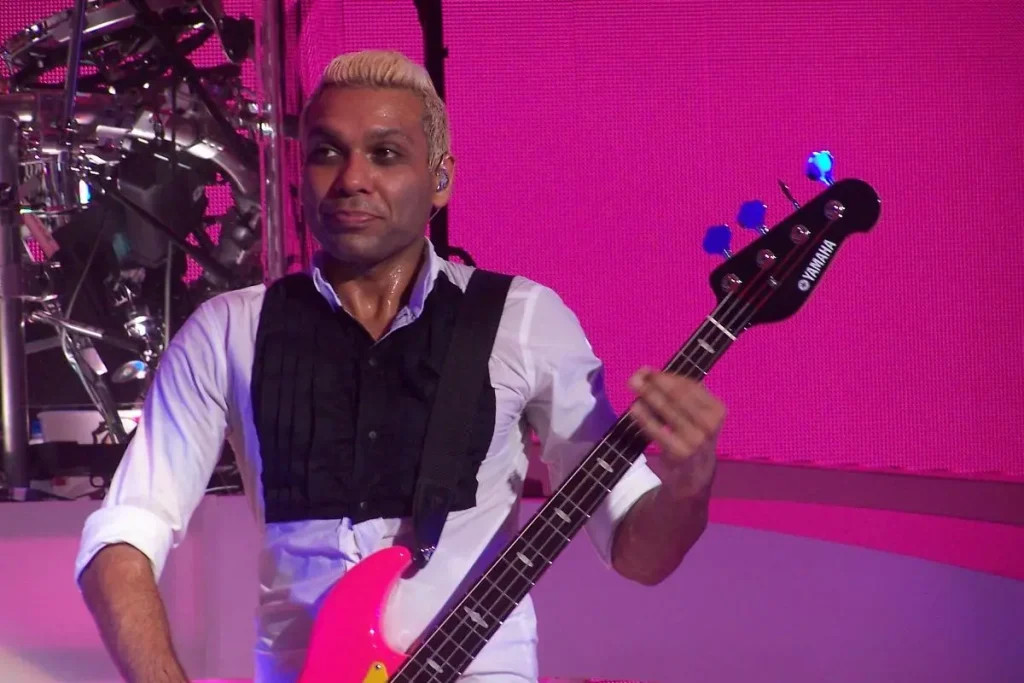
Some hit songs feel manufactured in a conference room. No Doubt’s “Don’t Speak” feels like it was pulled out of someone’s chest while it was still beating. It is also the rare pop smash that carries a personal scandal in plain sight: the band’s singer wrote it about the band’s bassist, and then had to sing it next to him every night.
Over time, the story has hardened into myth: teenage sweethearts, a devastating breakup, a band in turmoil, and one song that didn’t just save the project, it effectively launched Gwen Stefani’s long, strange, wildly successful career. The details matter, though, because the details are what make “Don’t Speak” hit so hard decades later.
The teenage relationship that became the band’s fault line
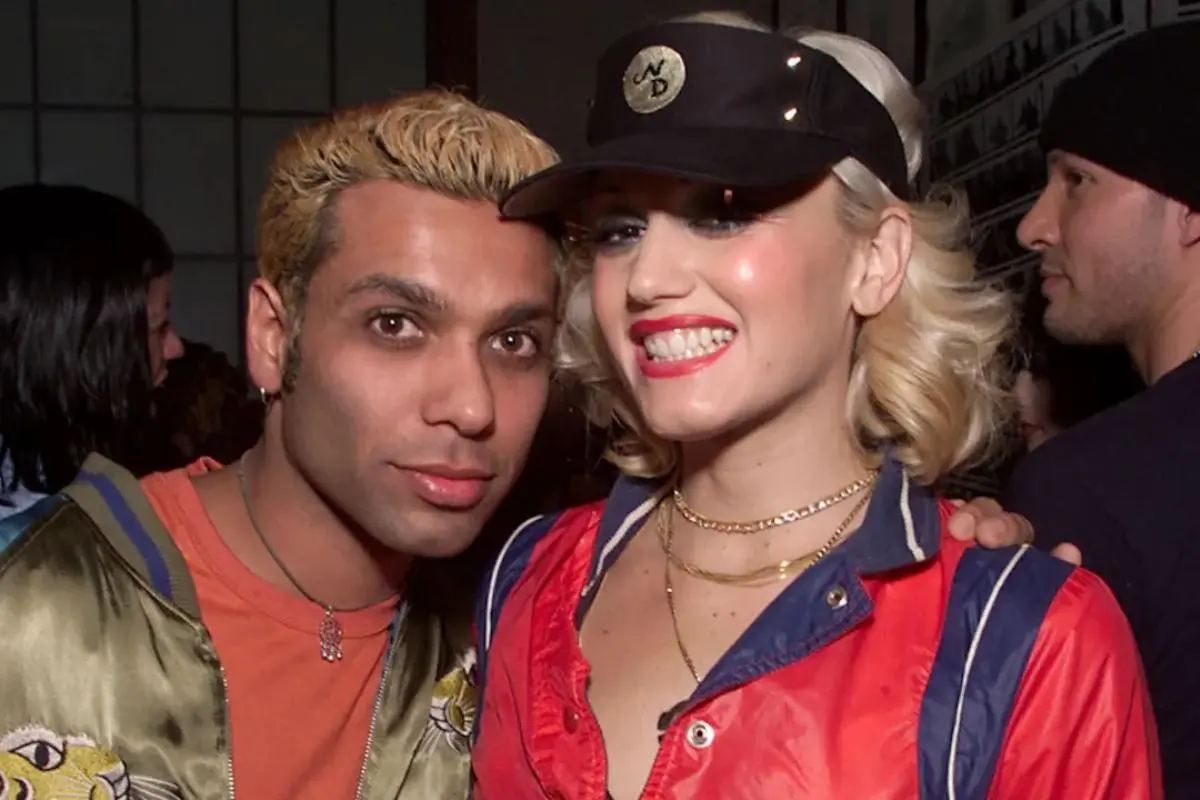
No Doubt grew out of Orange County’s ska and punk ecosystem, but the most consequential chemistry in the early years wasn’t just musical. Gwen Stefani and bassist Tony Kanal dated for years, beginning when they were teenagers, and that long relationship ran right through the group’s formative era.
By the mid-1990s, No Doubt had weathered label expectations, lineup changes, and the hard reality that being “a local favorite” doesn’t pay rent. Then, as the band’s major-label momentum finally started to build, Stefani and Kanal split. The breakup wasn’t a footnote – it became a creative crisis and, ultimately, a lyrical goldmine.
“Don’t Speak” is rooted in Stefani’s breakup with Kanal – a story often cited as the emotional core of the song’s lyric.
“Don’t Speak” started as something else (and that twist is the point)
One of the most misunderstood parts of “Don’t Speak” is that it did not begin life as a sorrowful breakup ballad. The song’s early idea was reportedly closer to an upbeat track, then shifted as Stefani processed what was happening in real time.
That pivot is why the final version feels so brutally direct. The song isn’t simply “about heartbreak” in the abstract. It is about the moment two people realize the relationship is over, but the conversation is still happening – and every sentence makes it worse.
The lyric that makes it a classic
“Don’t Speak” weaponizes restraint. Instead of dramatic threats or big cinematic metaphors, Stefani makes the listener sit inside the awkward silence: Don’t speak, I know just what you’re saying
. The line is mature, but it also sounds like a teenager trying to stay dignified while falling apart.
The other band rupture: Eric Stefani’s exit
If the romantic breakup was the emotional earthquake, the band’s internal shake-up was the aftershock. Gwen’s brother Eric Stefani, an early creative force in No Doubt, left around the era when Tragic Kingdom was coming together. Fans love to frame it as a single cause, but band departures are rarely that clean – they usually involve creative direction, workload, and life goals colliding at the worst possible time.
What matters for “Don’t Speak” is the pile-on effect: Stefani was navigating the end of a long relationship and a major change in the band’s internal identity. The song reads like someone clawing for stability while the ground keeps shifting.
The song that radio couldn’t ignore (even when charts tried)
Here’s the deliciously nerdy part: “Don’t Speak” became a gigantic radio hit in the U.S. during an era when chart rules didn’t always capture airplay-dominant singles in a straightforward way. In other words, the cultural takeover was obvious even when the numbers didn’t perfectly reflect it.
Globally, the song’s performance made its status undeniable. It became a defining pop-rock single of the 1990s, and it helped turn Tragic Kingdom from a successful album into a generation’s time capsule of heartbreak, eyeliner, and post-ska crossover ambition.
One widely cited data point is how strongly it performed across international charts, reflecting the song’s reach beyond the American alternative pipeline.
Why “Don’t Speak” feels like Gwen Stefani’s origin story
It’s tempting to claim “Don’t Speak” is the only reason Gwen Stefani has a career. That’s overstated, because her voice, charisma, and instincts are real, and No Doubt already had momentum. But it’s fair to say the song crystalized her public persona: emotionally exposed, stylistically bold, and willing to turn private pain into communal spectacle.
That move is basically the blueprint for modern pop stardom. The difference is that Stefani did it in a band format, where the person who broke your heart is literally part of the arrangement. This is not just “writing from experience.” It’s writing from experience while the experience is still in the room.
The edgy take: “Don’t Speak” is a power move disguised as a plea
On the surface, the chorus sounds like surrender. Underneath, it’s a takeover. “Don’t speak” is not a request for clarity – it’s a demand to stop negotiating the breakup on the other person’s terms. It is the sound of someone choosing the final edit.
And then, in the most pop-star move imaginable, she makes that demand into a hook the entire world sings back at full volume.
Musically, it’s not just sad: it’s engineered to ache
The track’s impact isn’t only lyrical. The arrangement does what great breakup ballads do: it creates a slow, controlled burn where tension rises without exploding too early. The verses sit in a conversational register, then the chorus opens up just enough to feel like a confession slipping out.
The guitar work and chord movement push a kind of melancholy elegance rather than pure despair. That matters because “Don’t Speak” isn’t a collapse. It’s grief with posture – someone trying to remain composed while the truth lands.
A quick listener’s breakdown
| Element | What you hear | Why it works |
|---|---|---|
| Vocal delivery | Intimate in verses, soaring in chorus | Mirrors denial turning into acceptance |
| Dynamics | Controlled build rather than a sudden blast | Keeps the pain believable, not theatrical |
| Hook writing | Simple command: “Don’t speak” | It’s memorable and emotionally specific |
| Band context | You can sense a band playing, not just a backing track | Amplifies the “this is real people” feeling |
The music video: heartbreak as public performance
The “Don’t Speak” video helped lock in the song’s legend by dramatizing the tension of being in a band while being emotionally fractured. It frames fame as a spotlight that doesn’t heal anything – it just makes the pain more visible.
Even if you don’t remember every shot, you probably remember the mood: glamorous misery. That’s the Stefani brand in embryo, and it is a big reason the song stayed stuck in pop culture’s throat for so long.
The official “Don’t Speak” music video remains a central document of the era.
Listening today: what musicians can steal from “Don’t Speak”
For songwriters, “Don’t Speak” is a masterclass in turning autobiography into a universal script without sanding off the sharp edges. For bands, it’s a warning and a lesson: interpersonal drama can destroy you, or it can become your most potent material.
Practical takeaways (without the emotional wreckage)
- Write the fight, not the summary. The song captures a moment, not a biography.
- Use restraint as a hook. Big feelings don’t require big words.
- Let the arrangement support the psychology. The slow build matches the lyric’s reluctant acceptance.
- Don’t over-explain. Ambiguity invites listeners to project their own story.
Is it really the song Gwen Stefani “owes her entire career” to?
If you measure “career” as cultural permanence, “Don’t Speak” is the pillar. It’s the track that turned No Doubt into more than a scene crossover and made Stefani a frontwoman people watched, not just listened to.
But it’s more accurate, and more interesting, to say this: “Don’t Speak” is the moment Gwen Stefani became a narrator instead of just a singer. The song didn’t create her talent. It forced her to aim it like a laser.
And that is why it still stings.

Conclusion: the hit that hurt, and the hurt that hit back
“Don’t Speak” endures because it’s not a breakup fantasy – it’s a breakup document. It catches the humiliation of knowing what’s coming, the rage of not being able to stop it, and the strange dignity of refusing to keep arguing when the ending is already written.
For No Doubt, it was a world-conquering single. For Gwen Stefani, it was the start of a public identity built on turning private fractures into pop architecture. And for everyone else, it remains the perfect song for when silence is the only honest answer.