
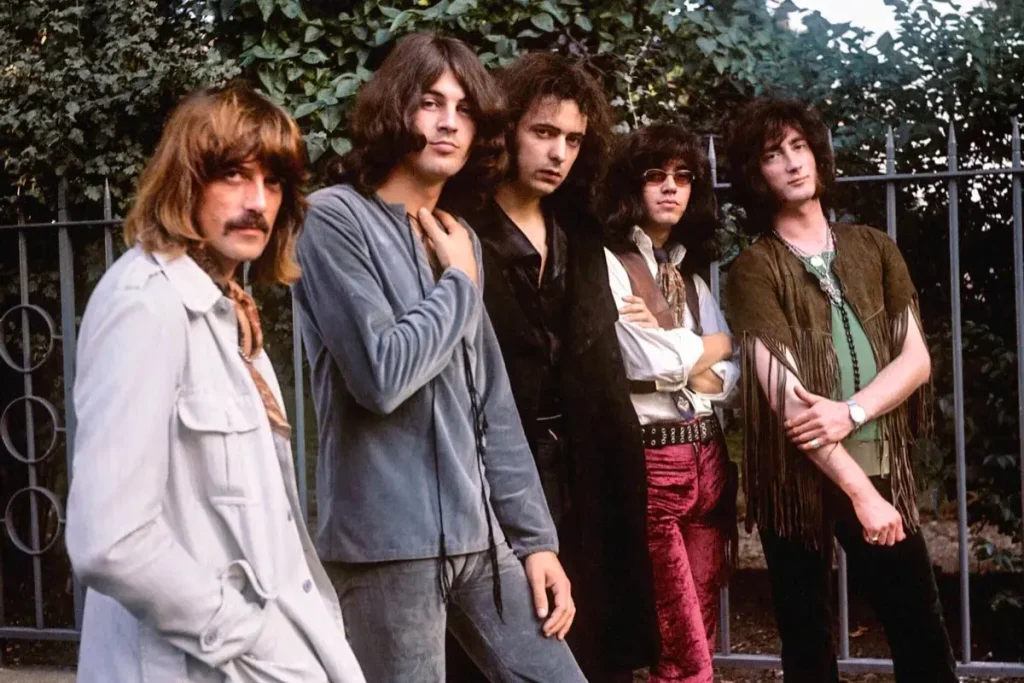
Machine Head sounds like the work of a band with unlimited budget, unlimited volume, and a giant studio that exists only to serve guitar riffs. The truth is nastier and better: Deep Purple built it in Montreux under a cloud of literal smoke, then finished it in a hotel that was closed for the season, with a recording studio parked outside like a getaway car.
If you ever needed proof that classic rock is less “sex, drugs, and champagne” and more “problem-solving under pressure,” the making of Machine Head is the case study. The band had a deadline, a rented mobile studio, and a Swiss resort town that was suddenly not in the mood for loud British men.
The disaster that turned into a lyric
Deep Purple arrived in Montreux intending to record at the Montreux Casino, using the Rolling Stones Mobile Studio (RSM) to capture a live, punchy sound. Then a fire destroyed the casino during a Frank Zappa and the Mothers show, forcing the band to scramble for a new location.
The casino blaze is not just background trivia, it is baked into rock history via “Smoke on the Water.” The overview of the casino fire, the recording plan, and the move to the Grand Hotel usefully pins down the core chain of events.
“We all came out to Montreux… to make records with a mobile.” – Ian Gillan, “Smoke on the Water” (lyrics)
Why a mobile studio was the whole point
In the early 1970s, the idea of rolling a full professional control room into a truck was still exciting and slightly insane. The Rolling Stones Mobile Studio was built to record outside traditional studios, letting artists capture big sounds in unconventional spaces.
Deep Purple were not chasing novelty for its own sake. They wanted speed, control, and the ability to work wherever they could find a room big enough to breathe and loud enough to excite a hard rock band.
The hidden compromise of “mobile”
A mobile studio solves one problem (where you can record) and creates others (how you monitor, isolate, and keep noise out). When the “studio” is a truck parked outside a hotel, the distance between musicians and engineers is literal, and cable runs become part of your tone and your anxiety.
From casino to Grand Hotel: the unglamorous pivot
After the casino burned, the band relocated to the Grand Hotel in Montreux, which was closed for the winter season. The mobile studio parked outside while the band used rooms and hallways inside as makeshift recording spaces.
This is where the myth becomes real: it was not a romantic “we rented a hotel” situation. It was closer to “we found an empty building and tried to behave like tenants.” Sound traveled through corridors, stairwells, and floors, and the band had to adapt to the building instead of the building serving the band.
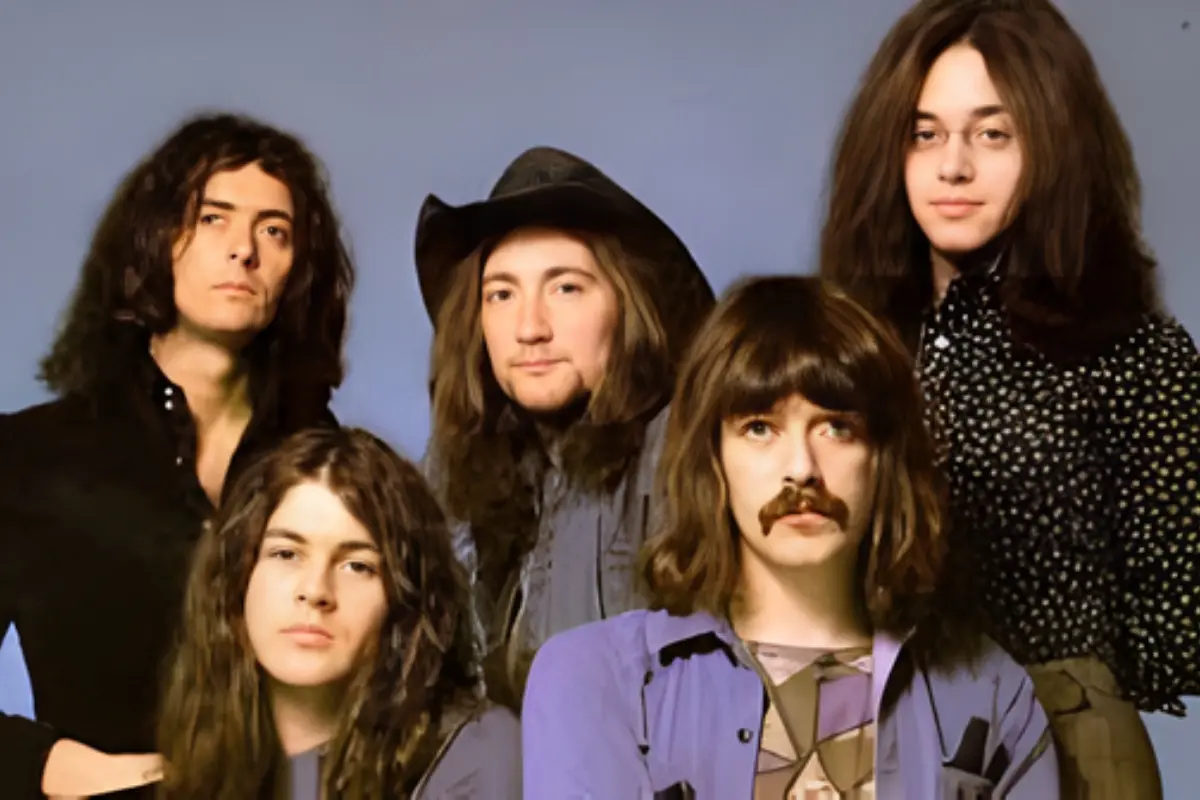
Recording while trying not to get kicked out
The band’s own recollections paint a picture of constant negotiation with the environment. Loud amps and drums can make any building feel like a megaphone, and a hotel is basically designed to carry footsteps and voices, not to contain a rock kit.
Accounts of the sessions regularly mention having to keep takes controlled, and being mindful of how sound carried through the structure. One recap of the recording saga emphasizes the chaos of losing the casino and finishing the album in an improvised hotel setup.
What made the hotel sessions work anyway
It is tempting to credit the limitations for the magic: “They had to be quiet, so they got tighter.” That is partly true, but the bigger reason is that Deep Purple were already a touring machine in the Mark II era. When you are playing hard every night, the band’s internal balance becomes a kind of muscle memory.
Also, constraints force decisions. If you cannot endlessly swap rooms, rebuild mic setups, or chase perfection for weeks, you commit. Machine Head has the sound of a band committing and moving on, even when the surroundings were pushing back.
A quick “hotel recording” reality check
| Problem | Why it’s brutal in a hotel | What bands typically do |
|---|---|---|
| Sound bleed | Rooms are reflective and connected by corridors | Use smaller amp setups, baffling, and careful mic placement |
| Monitoring | Control room is outside in a truck | Headphone mixes, talkback discipline, lots of walking |
| Neighbors and management | Hotels are built for comfort, not SPL | Record at odd hours, relocate instruments, stay polite |
| Weather and power | Cold season plus temporary power needs | Backup plans, generators or robust mains, and patience |
“Smoke on the Water” was not born legendary
One of the funniest truths about “Smoke on the Water” is that it was not initially treated like the centerpiece of the album’s legacy. Its riff became a rite of passage later, partly because it is memorable, playable, and heavy without being complicated.
One retelling of the Montreux narrative ties the song’s lyrics to the casino fire, reflecting how the band turned an awful event into an instantly visual lyric.
The “quiet takes” myth: what to believe (and what to question)
Stories about having to play “quiet” can mislead readers into imagining the band whispering through a Marshall stack. In practice, “quiet” in this context usually means “not absurdly loud for a hard rock recording,” and “quiet enough not to cause complaints or logistical shutdowns.”
What is consistent across credible retellings is the basic tension: Deep Purple wanted a huge sound, but the building and situation were fragile. The album’s achievement is not that it sounds like it was recorded under duress, but that it barely does.
Edgy claim (with a point)
There is a strong argument that Machine Head is a better rock record because it was made in a borderline-hostile environment. Comfort invites indecision, and indecision kills momentum faster than any casino fire ever could.
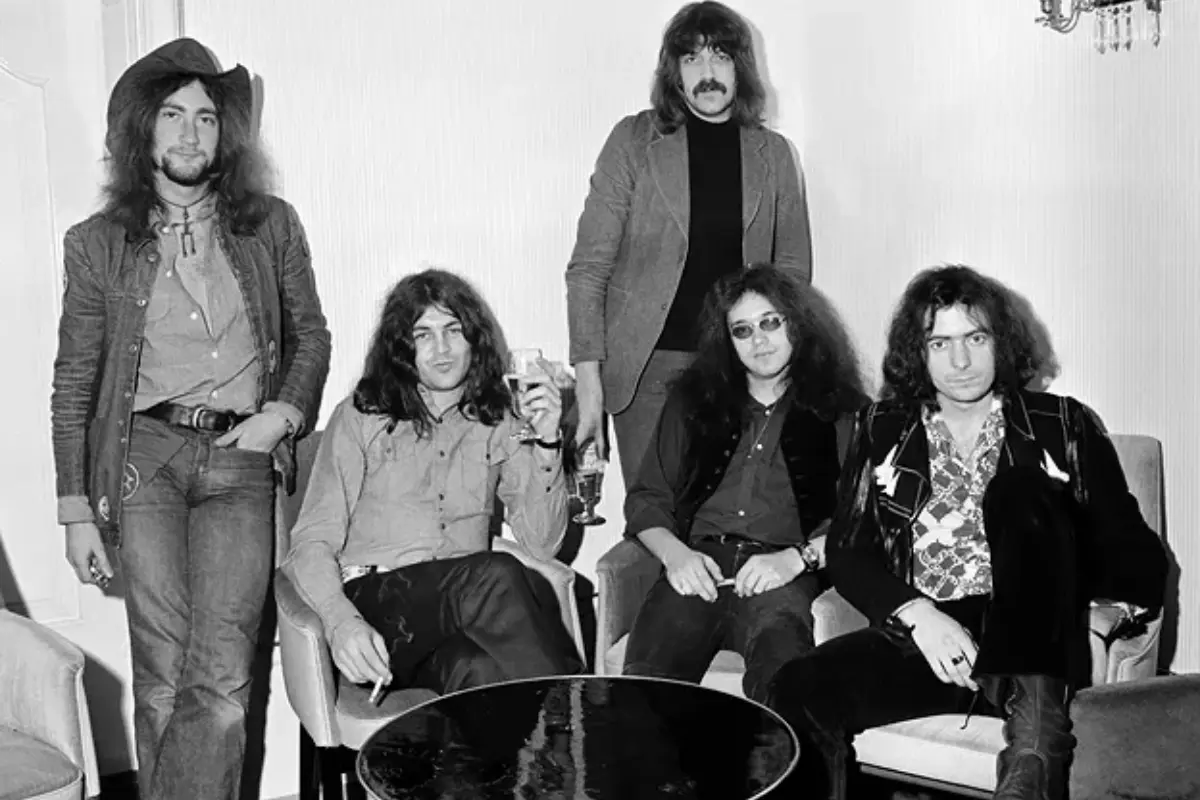
Gear and performance: the real engine of the album
Even in makeshift conditions, Deep Purple’s signature came from the interaction of guitar, organ, bass, and drums – and the fact that everyone played like they were trying to win. The band were not building tracks from scratch with endless overdubs; they were capturing a unit.
If you want to hear the “hotel factor,” listen for the room energy: drums that feel like they are pushing air, guitars that bite without fizz, and an organ tone that fills space like a second rhythm guitarist. None of that requires luxury, but it does require conviction.
Why this story still matters to musicians (not just trivia nerds)
For players, producers, and home recordists, the Machine Head saga is not just a fun rock anecdote. It is a practical reminder that location is a tool, not a prerequisite, and that you can make a classic while dealing with ridiculous limitations.
Steal these lessons from Deep Purple
- Pick a sound and commit – momentum beats endless tweaking.
- Let the room be a character – if it is lively, capture it; if it is harsh, tame it.
- Control what you can – performance, arrangement, and tuning matter more than the building.
- Use constraints as a filter – they force you to choose what actually matters.
Conclusion: the most famous “uncomfortable” album in hard rock
Machine Head is a monument to controlled chaos: a casino burns, the band relocates, the “studio” is a truck, and the recording space is a closed hotel. And yet the record landed with the authority of something carved in stone.
Deep Purple did not get the circumstances they wanted. They got the circumstances they could survive, and that survival instinct is one reason the album still hits like a truck parked outside your hotel room.


