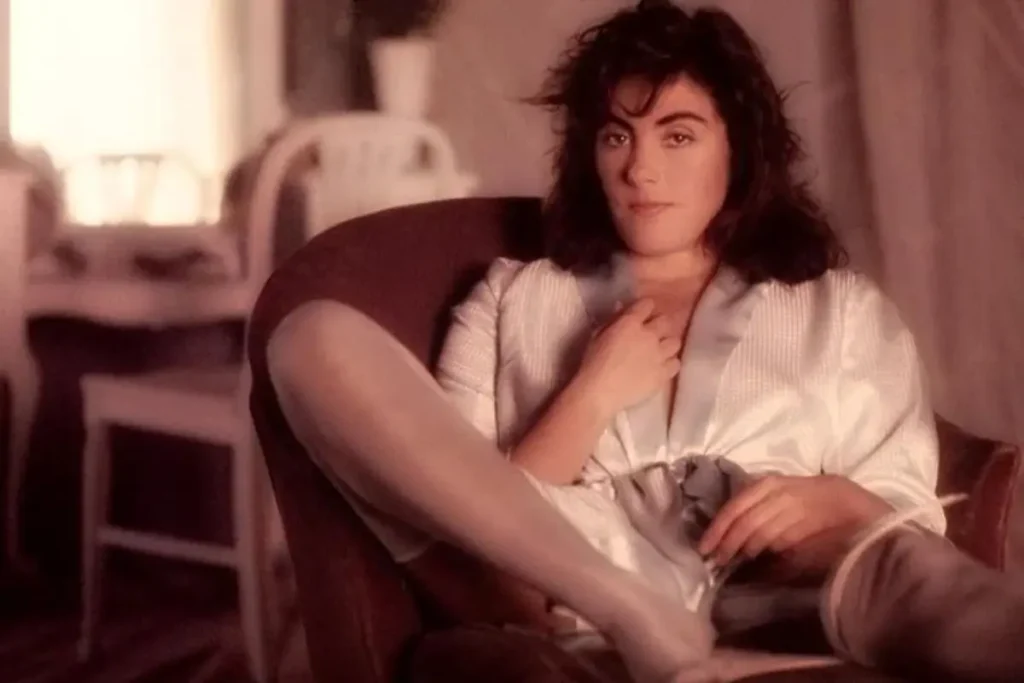
Some hits arrive like a lightning strike: a week of hysteria, a quick peak, then a polite fade. Laura Branigan’s “Gloria” did the opposite. It crept in, got its hooks into radio, and refused to leave. That staying power mattered because it turned a translated European disco tune into an American pop-rock staple and helped blueprint the early-’80s “high-powered vocal” era where singers didn’t just perform songs – they wrestled them into submission.
And yes, it’s also one of those tracks people swear was “always on,” which is usually nostalgia talking. In this case, the numbers back the feeling up.
Before Branigan: “Gloria” as Italian pop-disco
“Gloria” wasn’t born in Hollywood or New York. It started in Italy with Umberto Tozzi, co-written with Giancarlo Bigazzi, and became a major European hit before the English-language version existed. That origin matters because the melody is already built like a siren: tight verses, a chorus that climbs, and a title-name hook that practically forces audience participation in the original Italian hit.
In other words, Branigan did not “discover” a random deep cut. She inherited a proven anthem and then re-engineered it for American radio, which is a very different craft than simply covering a song.
How Laura Branigan turned it into an American event
Branigan’s recording, released on her debut album Branigan, moved “Gloria” out of pure disco and into a punchier hybrid: pop-rock drive with dance-floor lift. The English lyrics (credited to Branigan and others in official references) keep the name “Gloria,” but the phrasing and drama are tailored to her voice and to U.S. contemporary radio sensibilities in the English-language lyric adaptation.
One reason the record lands so hard is the performance philosophy: she sings like she’s chasing someone down a city street at 2 a.m. Even the breaths feel intentional. If you want a quick way to hear the arrangement’s “Americanization,” compare the insistent, rock-leaning pulse and vocal attack to the sleeker European feel of the earlier version.
“Gloria, you’re always on the run now…” – Laura Branigan, “Gloria” (lyric excerpt) as heard in the official music video performance.
The slow-burn chart story: not a spike, a siege
“Gloria” is often described as a smash, but the more interesting detail is how it smashed. Branigan’s version became famous for its longevity on the U.S. charts, spending 36 weeks on the Billboard Hot 100 and peaking at No. 2 – a run frequently cited in summaries of the song’s chart performance.
That’s the difference between a song people remember and a song that shapes a season. A long chart run means the record isn’t just being bought by early adopters. It’s being added by stations across formats, carried by word of mouth, and kept alive by constant exposure. The “it was always on” effect is exactly what a 36-week run sounds like in real life.
Radio reality check: why long-haul hits matter
In the early ’80s, Top 40 radio still acted like a national amplifier. If a record hung around, it wasn’t because of a single viral moment – it was because programmers believed the audience wouldn’t get tired of it (or couldn’t). “Gloria” became a test case for the era’s appetite for big vocals and bigger feelings.

Why “Gloria” helped define the early-’80s power-vocal style
When people talk about “dramatic, high-powered pop vocals,” they often jump straight to later ’80s power ballads. But “Gloria” is an earlier, more kinetic version of the same instinct: a singer taking a pop structure and singing it with near-theatrical force.
Branigan’s vocal approach sits in a sweet spot: aggressive without being metal, emotional without becoming adult-contemporary syrup. It’s the sound of a pop singer borrowing rock authority, which is part of why the track crosses generations.
The “name chorus” as a weapon
One underrated trick is how the song uses the name “Gloria.” It’s not just a title – it’s percussion. The repeated shout functions like a rhythmic anchor that lets the band push harder while the audience stays locked in.
The music video and the early MTV era factor
“Gloria” is deeply visual even without the video: neon-night drama, chase energy, and a sense that something messy is about to happen. That made it perfect for the early MTV era, when performance and attitude could turn a single into a personality, and the song’s later pop-culture afterlife has been helped by the modern attention it received around Joker.
It’s easy to forget how important this was: a video didn’t just sell the single. It sold the singer’s type. Branigan came across as a force, and the record needed that.
Legacy boost: “Gloria” returns via Joker
Decades later, “Gloria” got a jolt of modern cultural relevance thanks to its prominent placement in Todd Phillips’ film Joker. That resurgence is echoed in the way chart histories keep the single searchable and comparable across eras, inviting new listeners to trace where it landed and how long it stuck.
That’s the funny thing about durable pop: the chorus survives long enough that filmmakers can re-contextualize it. “Gloria” can be triumphant, ironic, menacing, nostalgic, or all of the above depending on the frame around it.
International footprint: not just a U.S. phenomenon
“Gloria” also traveled. Chart databases show Branigan’s single charting in multiple territories, reinforcing that this wasn’t simply an American rework that stayed domestic. Its cross-border success is part of why it remains an era-defining reference point rather than a one-market curiosity, and you can see that reach reflected in international certification records.
That global spread is crucial to the song’s long tail: a record that lives in many countries’ collective memory is more likely to be revived by playlists, films, and radio formats later.
Credits, publishing, and the reality of “adaptations”
Pop history can get messy when a hit is an adaptation, because fans tend to argue about who “really” wrote it. Contemporary industry documentation like trade-paper listings and credits exist precisely to document writer and publisher details as works move across languages and markets.
The key point is practical: “Gloria” is a case study in how international pop becomes local pop. It takes business infrastructure (rights, publishing, label commitment) and an artist who can sell the transformation emotionally.
Listening guide: what to focus on (and steal for your own singing)
If you’re a singer, “Gloria” is less a nostalgia trip and more a clinic in committing to a track without oversinging it. Here are the takeaways that still translate for modern pop and rock vocals:
- Attack the consonants. Branigan’s articulation makes the groove feel faster and more urgent.
- Build the arc. The early choruses feel strong; the later ones feel inevitable.
- Hold back just enough. The record hints there’s still more in the tank, which keeps tension alive.
- Use the hook as rhythm. Treat “Gloria” like a drum hit, not just a note.
A quick table: why it still works
| Element | What you hear | Why it lasts |
|---|---|---|
| Chorus hook | Repeated name-shout | Instant recall and crowd participation |
| Vocal delivery | Controlled grit and urgency | Feels physical, not decorative |
| Arrangement | Dance energy with rock punch | Fits multiple radio formats |
| Story tone | Late-night drama, borderline obsession | Timeless pop subject matter |
The bigger legacy: a template for crossover pop intensity
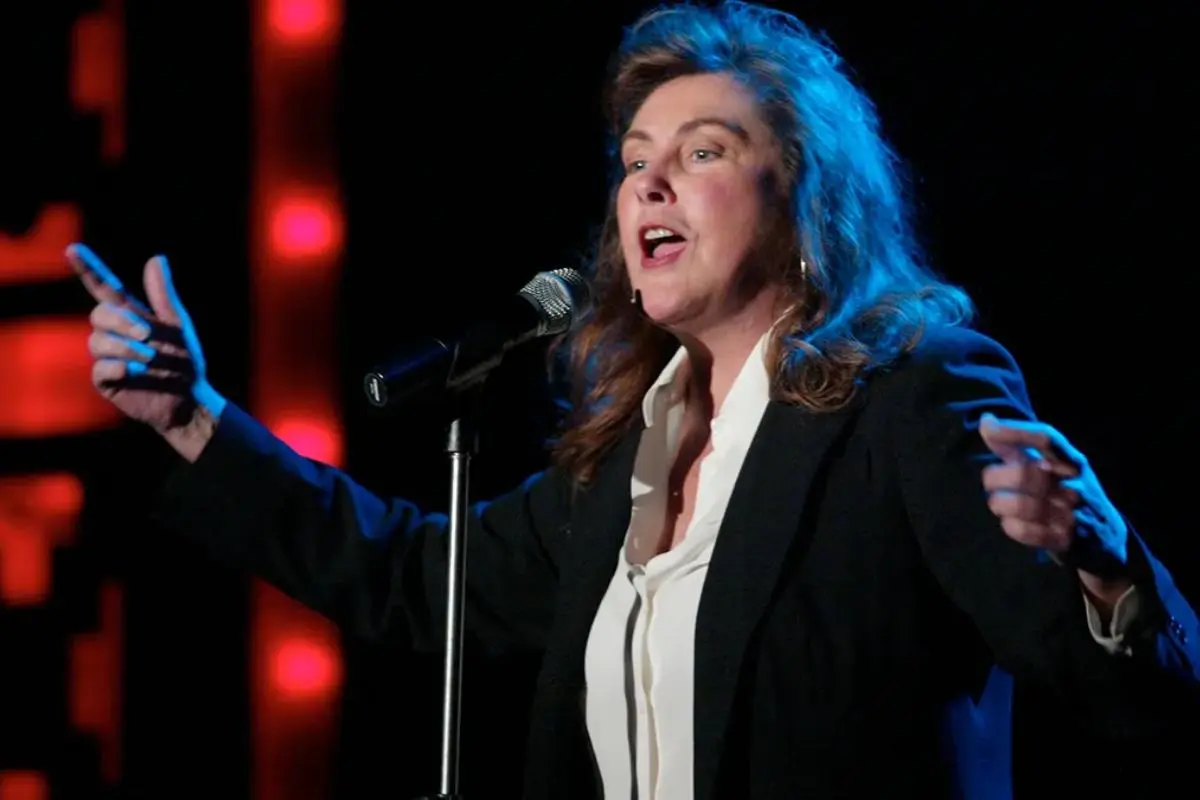
Branigan’s “Gloria” helped normalize the idea that a pop singer could deliver with near-rock ferocity and still dominate mainstream radio. It’s one of the tracks that made “big singing” feel modern in the early ’80s, paving the way for the decade’s vocal maximalism.
It also helped open the U.S. market to the notion that European hits could be reimagined, not merely imported. The record is effectively an argument that translation can be transformation.
Conclusion: why the slow burn is the point
“Gloria” endures because it wasn’t designed to be a novelty. It was designed to wear you down in the best way – chorus by chorus, week by week, station by station. That’s why it still sounds like the early ’80s in one shot: huge voice, relentless hook, and just enough chaos to feel alive.
If you lived through it, you remember it as constant. If you didn’t, you hear it now and understand why it became unavoidable.