
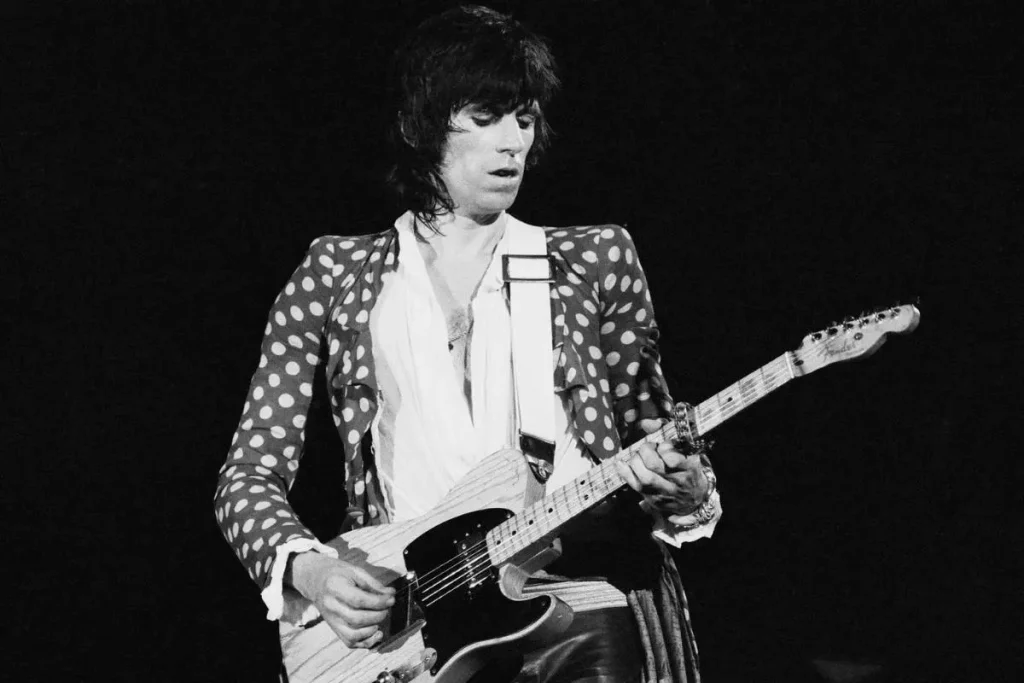
Keith Richards still tells the story of his first encounters with the old bluesmen like a kid who has snuck into a sacred temple. Young, jet-lagged and unknown in America, he walks into a Chicago studio and finds his heroes already hard at work, just not in the glamorous way his teenage imagination had promised.
From there the tale turns almost mythic: a giant called Howlin’ Wolf who barely needs to speak, Muddy Waters on a ladder with a paintbrush, and songwriter Willie Dixon treating a pack of British kids as if they belonged. Tucked inside that scene is the whole tension of the British blues boom – awe, mentorship, money, and the uncomfortable fact that the Rolling Stones were about to make a fortune on music they did not invent.
If you came of age with 45s by the Stones, the Beatles or Cream, this backstory is not trivia. It explains why Richards still daydreams about time-traveling to hear Robert Johnson, why he lights up talking about Big Bill Broonzy, and why the strongest figures in his stories are never the loudest ones.
Walking into the blues: from skiffle kids to blues missionaries
By the early 1960s Britain had developed a full-blown blues obsession, fed by skiffle bands, trad jazz outfits and a trickle of imported 78s. A PBS history of the British scene points out how bandleader Chris Barber brought Muddy Waters and Otis Spann to England, and how Willie Dixon helped launch the American Folk Blues Festival tours that landed Muddy, Howlin’ Wolf, Buddy Guy and others on British stages, giving kids like Richards a close-up view of the real thing.
Out of that stew came the Rolling Stones, built by vinyl nerds who treated Chess and Vee-Jay labels like holy texts. Their early records were effectively Chicago blues in sharper suits, a teenage attempt to blast Muddy, Jimmy Reed and Wolf out of London club speakers and back into the charts on both sides of the Atlantic.
Richards’ gear choices fit the same stripped-down ethic. Years later he would fall in love with a hacked Telecaster Custom – a Tele body with a humbucker at the neck and four knobs – the very configuration Fender eventually baked into its official Telecaster lineup, a design Know Your Instrument notes quickly won Richards’ heart.
Howlin’ Wolf and the lesson of real strength
Asked in a 1992 Guitar Player interview what it felt like to meet Howlin’ Wolf, Richards reached for animal scale metaphors. He said it was like meeting a “great big old bull elephant that knew it all,” a huge man who only had to nod and mumble “very good” to reduce a young English guitarist to rubble, then added that the truly strong men he met – Wolf, Muddy, Willie Dixon – were always the gentlest, even when they were indulging “some snotty-nose little kids from London” invading their turf.
The historical Wolf lines up with that portrait. Born Chester Burnett in rural Mississippi, he clawed his way out of plantation poverty to become one of the dominant architects of electric Chicago blues, famed for a booming voice, an imposing physical presence and a roster of songs – “Smokestack Lightning,” “Little Red Rooster,” “Spoonful” – that became foundational rock repertoire.
Richards’ point is brutally simple: the truly dangerous men in his world do not need to posture. Wolf could scare a room to death onstage, then stand in the studio like an old bull elephant, radiating quiet judgment and a kind of amused patience toward these British kids sprinting through doors he had kicked down decades earlier.
Muddy Waters, Willie Dixon and the debt nobody can repay
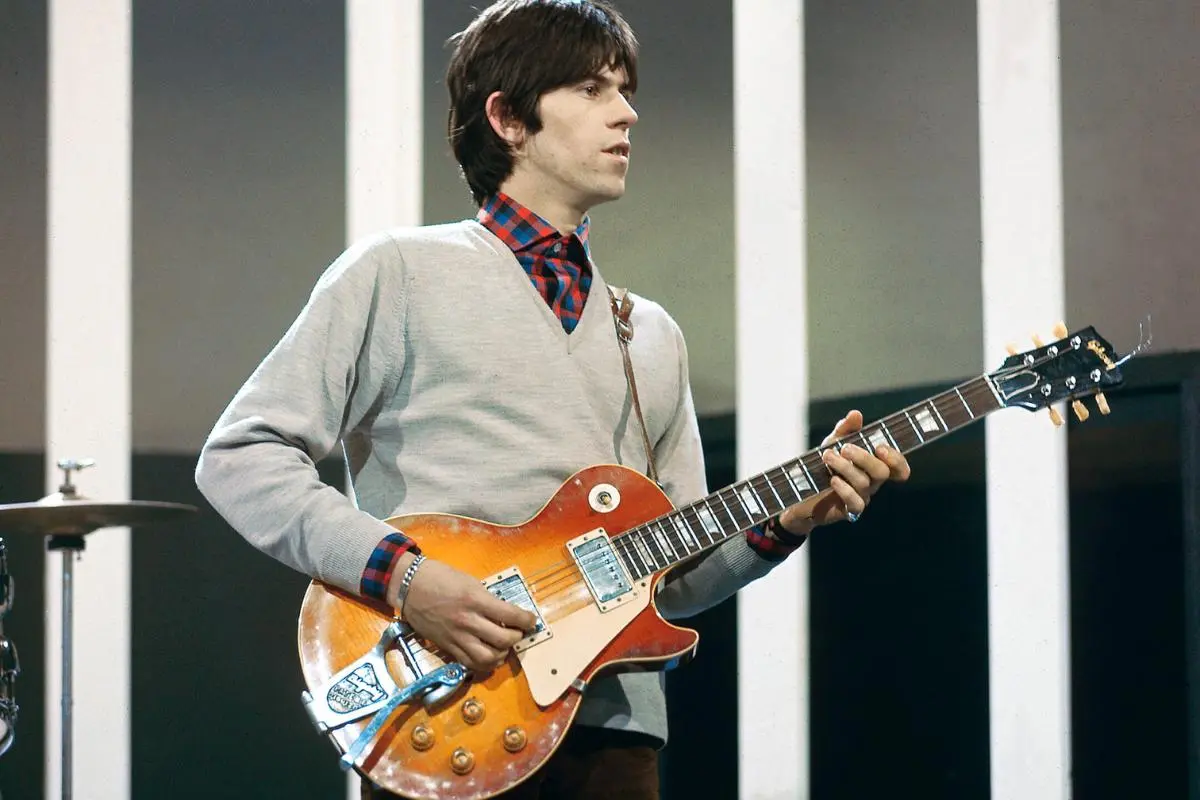
The sweetest detail in Richards’ Chicago memories is also the ugliest. During that first trip to Chess in 1964 he walked in and saw Muddy Waters – the man whose records inspired the band’s name – on a ladder, in overalls, painting the ceiling instead of cutting sides, a story he has repeated often enough that it has become part of rock folklore about how badly the industry can treat its own architects.
Willie Dixon sits in the background of all this like a chess master. Encyclopaedia Britannica notes that his songbook includes “Hoochie Coochie Man” and “I’m Ready” for Muddy Waters, “Little Red Rooster” and “Back Door Man” for Howlin’ Wolf, and “My Babe” for Little Walter, and that later rock acts such as the Rolling Stones, Jimi Hendrix and Led Zeppelin built key tracks directly on those compositions.
So when Richards talks about the “pleasure” of doing Dixon’s songs, he is being modest to the point of distortion. British rock did not just cover Willie Dixon – it ran on Willie Dixon. The British Invasion paid the blues back in visibility and touring opportunities, but the original creditors rarely saw Rolling Stones sized money.
Recent writing on the Brian Jones and Led Zeppelin documentaries has been blunt about this. One Le Monde analysis describes how early Stones and Zep releases leaned heavily on Dixon and Howlin’ Wolf material, sometimes sliding into outright plagiarism until lawsuits forced retroactive credits, framing the whole British blues boom as a hazy line between homage and theft.
Robert Johnson, Big Bill Broonzy and Keith’s time machine
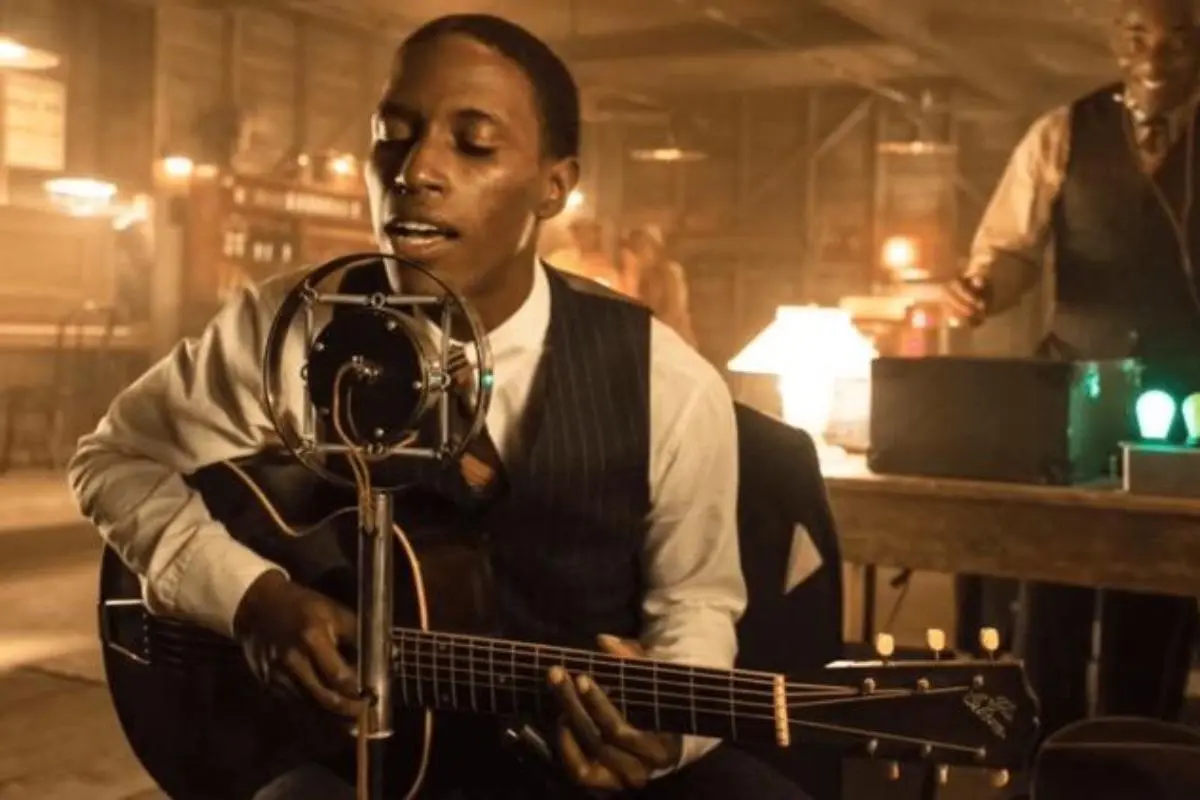
In that same 1992 conversation, when asked which historic musicians he would see if he could bend time, Richards did not hesitate: Robert Johnson and Big Bill Broonzy. For Johnson, he was chasing a transformation story he had heard from the source – Son House remembered Johnson as a brilliant jew’s harp player who made horrible noise on guitar, disappeared to Arkansas, then returned suddenly playing so well that House turned to Willie Brown and said, “that boy’s good.” TeachRock’s account of the legend traces how that leap fed the myth-making that followed.
That little arc – from local pest to terrifying virtuoso – is why the crossroads myth stuck. It is also why Johnson’s 29 sides still sound less like a regional document and more like a manual on how to weaponize a six-string: haunted, harmonically sophisticated, and brutally economical.
When Richards later broke down Johnson’s playing on camera, he zeroed in on mechanics rather than demons. He pointed to the way Johnson’s thumb hammers a relentless bass on the lower strings while his fingers sketch melodies on top, giving the illusion of two guitars at once, and writers have argued that Johnson’s use of open G and open D tunings fed directly into Richards’ own signature open-G, five-string riffing.
Broonzy is a different ghost. In the 1950s he was a towering, dapper presence on the European circuit, and you can still watch the film of him singing “When Did You Leave Heaven” in a Belgian nightclub – a quiet, close-miked performance later rebroadcast in the BBC’s Big Bill Blues documentary that feels eerily like the “classic video before its time” Richards raves about.
Put those two together and you get the poles of Richards’ blues imagination: Johnson the brief, supernatural flash on cheap hotel recordings, Broonzy the seasoned, worldly storyteller holding a club in the palm of his hand.
Five blues ghosts behind Keith’s stories
Who they are and what to spin
| Musician | Why Keith cares | One track to cue up |
|---|---|---|
| Howlin’ Wolf | The “bull elephant” in the room, terrifying onstage, gentle off it. | “Smokestack Lightning” or “The Red Rooster” |
| Muddy Waters | Patron saint of the Stones, still painting studio ceilings when the kids arrived. | “Rollin’ Stone” or “I Just Want to Make Love to You” |
| Willie Dixon | Songwriter and bassist whose riffs and lyrics power half of classic rock. | “His own “Back Door Man” or “Hoochie Coochie Man” |
| Robert Johnson | The time-travel wish – a one man orchestra whose technique still scares guitarists. | “Hellhound on My Trail” or “Love in Vain” |
| Big Bill Broonzy | Bridge between rural and urban blues, endlessly adaptable and relaxed. | “When Did You Leave Heaven” |
If you want to hear what Richards heard, start with those cuts and notice what survived into rock. Wolf’s records carry the same ominous, hypnotic one-chord churn that later drives “Midnight Rambler.” Muddy’s slide phrases and Dixon’s stop-time grooves pop up all over early Stones albums even when the credits pretend otherwise.
Then flip to Johnson and Broonzy and listen for economy. Johnson crams three guitar parts into one performance without ever sounding busy. Broonzy lets huge spaces hang between phrases, trusting his time feel and the room, a sense of patience nearly every overplaying bar-band guitarist could learn from.
Why Keith’s blues ghosts still matter
Watch the Stones slog through their rain-soaked Halloween show at the Cotton Bowl – the band soaked, the stage slick, Richards grinning through the storm – and you can still hear those ghosts inside the big riffs and radio hits.
The edgy truth is that British rock rode on the backs of Black American musicians who were rarely paid or credited fairly. Richards’ stories do not erase that; if anything, they sharpen it. The men he calls gentle were tough enough to survive poverty, racism and an indifferent industry, and still kind enough to nod “very good” at the kids who would take their sound global.
If you grew up with the Stones on the radio, going back to Howlin’ Wolf, Muddy Waters, Willie Dixon, Robert Johnson and Big Bill Broonzy is not nostalgia. It is homework – and a reminder that the loudest guitar in the room is usually carrying someone else’s quiet, stubborn genius.


