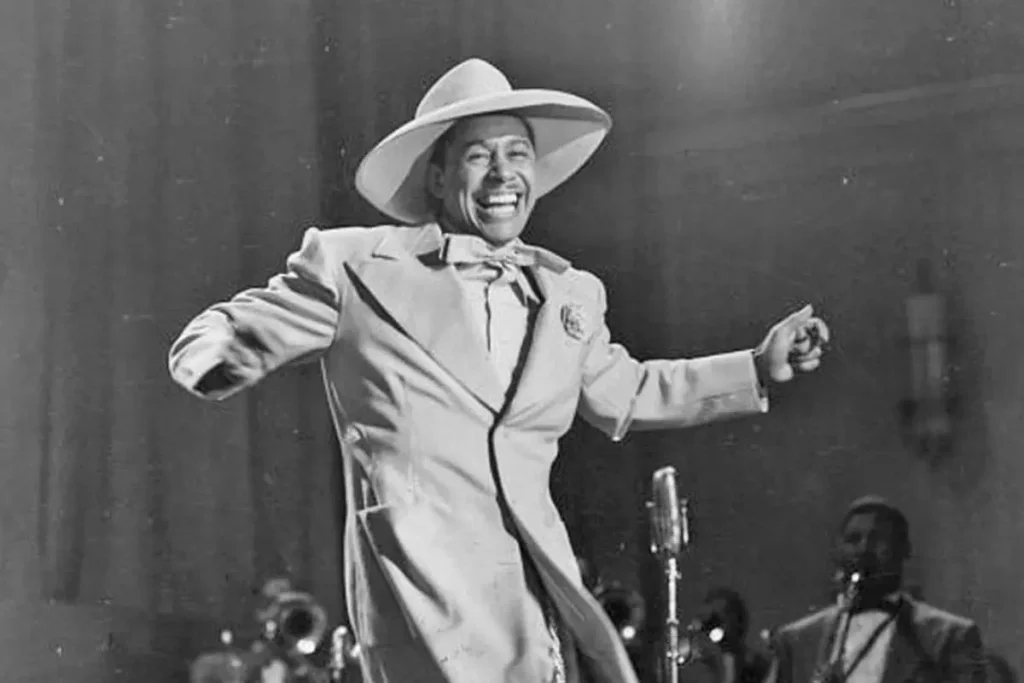
Cab Calloway didn’t ease his way into American entertainment. He kicked the door open in a white tuxedo, grinning like he owned the building, and then proved it by making a band swing like a runaway train. Long before “multimedia artist” was a respectable label, Calloway fused music, dance, comedy, and language into one loud identity that audiences couldn’t ignore.
He is often described as a bandleader, but that is too small. Cab was a cultural engineer: he packaged Black performance traditions for mass audiences, sometimes on terms he controlled and sometimes under the brutal rules of segregation. Either way, the result was seismic.
From Baltimore to the big leagues: the making of Cab
Born in 1907, Calloway came up in a world where Black excellence had to be undeniable just to be acknowledged. He studied voice and performance early, and he treated stagecraft like a sport: timing, stamina, charisma, and precision all mattered. His later career shows how completely he understood the marketplace of attention: if you wanted the spotlight, you had to outperform it.
By the early 1930s he was leading a major orchestra and becoming a national star, a rare position for a Black performer in mainstream American entertainment at the time. His public image was slick, but the engine was serious musicianship and relentless rehearsal.
“Minnie the Moocher”: a hook that hit like a hurricane
“Minnie the Moocher” was more than a hit record. It was a template for how to turn a jazz performance into mass participatory culture, built around call-and-response and the now-legendary “hi-de-hi-de-ho” chant. The point wasn’t just melody; it was permission for a crowd to become part of the show.
“Hi-de-hi-de-hi-de-ho!”
Cab Calloway, signature refrain associated with “Minnie the Moocher”
The record’s success is often summarized with a bold claim: it was the first million-selling record by a Black artist. That statement appears frequently in popular storytelling, but sales documentation from the era can be fuzzy, and historians debate “firsts” depending on category and accounting. What is not debatable is that “Minnie” became one of the defining songs of the early 1930s and a career-making phenomenon for Calloway.
And here’s the edgy part: mainstream America loved the sound while often refusing the people and communities that produced it. The chant’s roots in Black performance practice were the very thing that made it contagious, yet plenty of fans consumed it with zero curiosity about where it came from. Calloway understood that contradiction and played it like a bandleader cues a brass section: loudly, on beat, and without apology.
The Cotton Club paradox: stardom inside a segregated machine
Cab’s rise is inseparable from Harlem’s Cotton Club, a venue that broadcast Black talent to wealthy white audiences while enforcing racist policies and aesthetics. Calloway led one of the club’s most prominent orchestras, and radio exposure helped amplify his fame. It is a career milestone that also comes with an asterisk the size of a marquee.
That paradox matters because it reveals what Calloway was really doing: building a Black-led cultural product inside a system designed to profit from Black culture while limiting Black freedom. He didn’t fix the system, but he exploited every crack in it to get his music and persona into the national bloodstream. Contemporary references to Calloway’s “Hepster” era also hint at how widely Cotton Club–adjacent culture circulated in public conversation, even as the club’s racial politics stayed ugly.
Cab made big-band music into theater (and that changed the job)
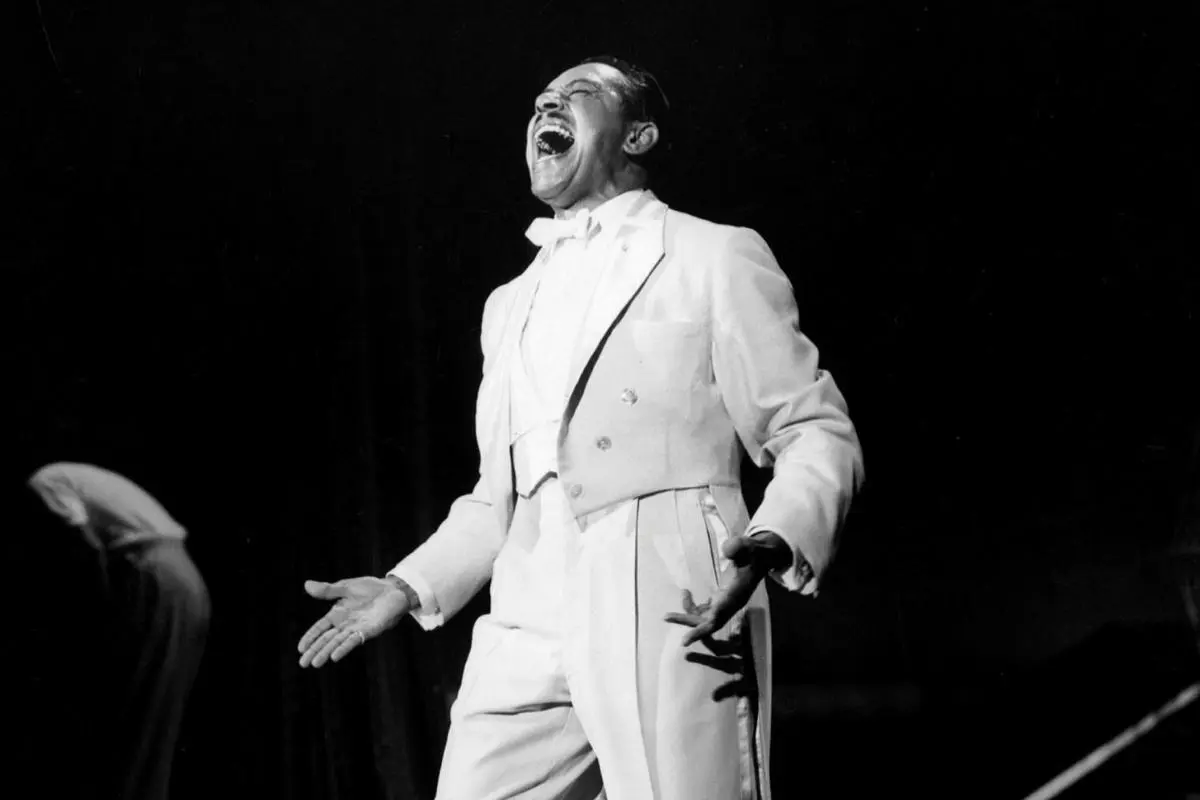
Plenty of bandleaders could swing. Cab could swing and sell the swing. He used movement, facial expression, comedic timing, and dramatic pacing so the audience felt like they were watching an event, not just hearing songs.
What made his stagecraft different?
- Physical conducting – he led with his whole body, not just a baton or a stare.
- Vocal character – he didn’t merely sing lyrics; he performed personalities.
- Audience choreography – call-and-response made the crowd part of the arrangement.
- Visual branding – the tux, the hair, the grin: instantly recognizable silhouettes.
This matters to musicians today because it reframes “frontman energy” as a learnable craft. Calloway treated the bandstand like a stage play where rhythm was the plot.
The Hepster’s Dictionary: Cab as a curator of Black language
In 1938, Calloway published The Hepster’s Dictionary, a compact glossary of jive-era slang. The book is often described as the first dictionary of African American slang, and while categorizing “first” can get messy, its importance is clear: it documents a living Black vernacular as something worthy of print, not something to be mocked or erased.
That move was quietly radical. Linguists and universities were not lining up to preserve Black speech as cultural history. Cab did it anyway, in the same way he did everything: with showmanship, confidence, and a clear eye for what the mainstream would borrow next.
Mini glossary: jive words that still echo
| Term | Then (jive-era vibe) | Now (why it matters) |
|---|---|---|
| hep | In the know, fashionable, aware | A reminder that “cool” had a vocabulary before it had a brand deal in the wider jazz-age spotlight of Cab’s pop-cultural orbit |
| reefer | Marijuana (often coded in swing-era culture) | Shows how slang tracks social taboos and underground scenes heard on period 78 rpm records |
| zoot suit | Flashy, oversized style with swagger | Style as identity and resistance, later tied to cultural conflict reflected in America’s evolving songbook and pop memory mapped by major film-song canons |
| jive | Slang, talk, or style tied to jazz culture | A word whose definitions reveal how mainstream America framed jazz culture – and why education efforts still unpack that history in places like Jazz at Lincoln Center |
Calloway didn’t invent the language. He amplified it. That’s the key: he took words already alive in Black communities and put them under national stage lights.
Sound, film, and the early multimedia star
Cab’s impact traveled through more than records and live shows. He appeared in films and was also referenced and adapted through animation, especially via the era’s jazz-cartoon ecosystem. His career record across music and screen reinforces his role as a visual as well as musical icon.
That visibility mattered because it created a feedback loop: the more America saw Cab, the more “Cab energy” became a standard for what swing performance could look like. He didn’t just lead a band; he defined the camera-ready language of jazz showmanship.
Influence you can hear in James Brown, Michael Jackson, and beyond
If you track the lineage of high-voltage frontmen, Calloway sits near the root. The sharp footwork, the precision posing, the crowd control, the grin that dares you to look away: these are performance technologies. Later stars refined them, but Cab made them mainstream in the swing era.
Even when specific influence is hard to document as a direct quote or lesson, the resemblance is structural: Calloway treated rhythm as something you see. That approach sits behind funk’s bandstand choreography, soul’s preacher-like delivery, and pop’s stadium-scale call-and-response.
A practical listening guide: how to hear Cab like a musician
If you want to understand why Calloway still matters, don’t just play the hits in the background. Listen like you’re studying stagecraft.
Try this 5-step “Cab decode”
- Follow the band cues – notice where the arrangement opens up for vocals and where it punches back.
- Mark the crowd moments – identify the phrases designed for audience response.
- Listen for character – Cab often performs a persona, not a neutral narrator.
- Track dynamics – he uses volume and intensity like a director uses lighting.
- Watch the body language (when you can) – the movement is part of the rhythm.
For modern performers, this is a lesson in arrangement and presentation: the “hook” is not only in the melody. It is in how the band, the singer, and the audience are choreographed into one machine.
The uncomfortable truth: America loved the “sound” more than the source
Cab Calloway’s story is thrilling, but it isn’t clean. He became famous inside a segregated industry that marketed Black culture while restricting Black lives. That contradiction is part of why his success matters: it shows what it took for a Black entertainer to dominate mainstream attention in that era.
There’s also a modern echo here. Today, algorithms remix culture at scale, and credit gets blurred fast. Calloway fought a 1930s version of the same battle: keeping authorship, style, and identity visible while the mainstream tried to consume the product without the context.
Conclusion: Cab didn’t just perform America – he edited it
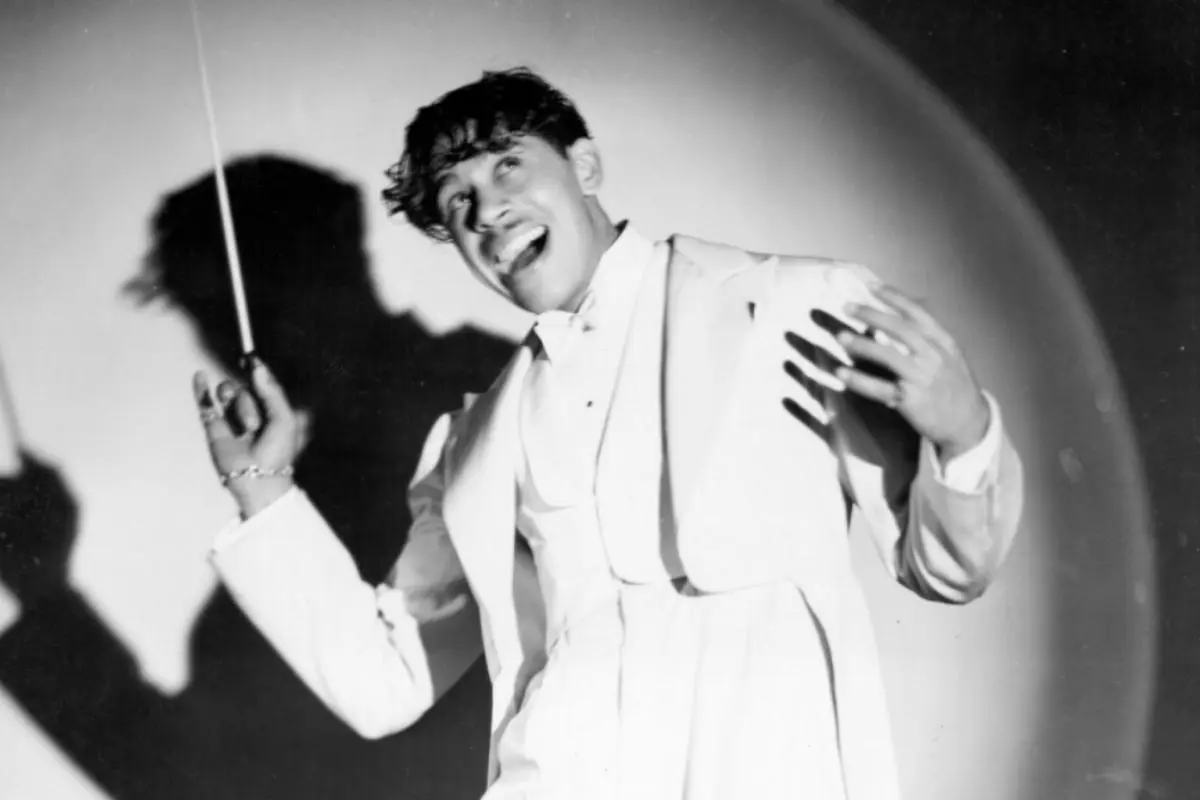
Cab Calloway lived loud and worked smart. He turned swing into theater, made audiences chant like a congregation, and put Black language into print before academia bothered to take it seriously. Whether you come to him for the music, the dance, or the slang, the takeaway is the same: Cab didn’t simply entertain the culture. He helped write it.
And if that feels like a bold claim, good. Calloway made a career out of bold.