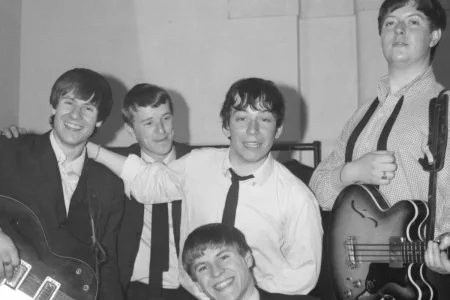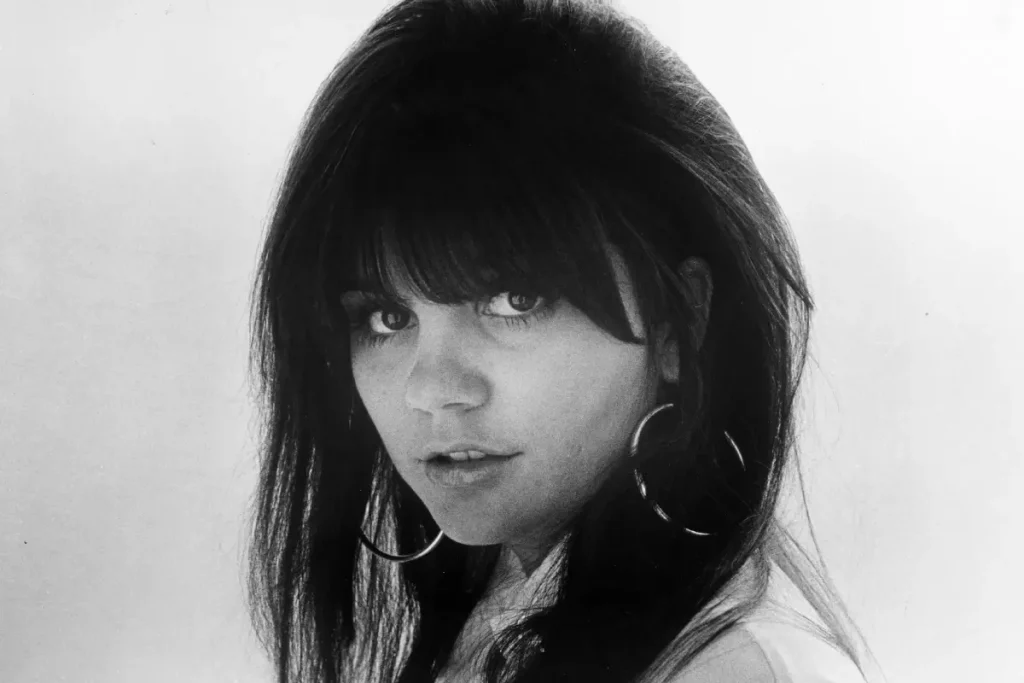
“Different Drum” is one of those songs that sounds sunny until you actually listen. It smiles while it pulls the pin on a relationship grenade, then walks away in perfect harmony. When Linda Ronstadt sang it with the Stone Poneys, she effectively introduced a new kind of pop-rock heroine: a woman who didn’t apologize for wanting freedom.
That’s the real reason “Different Drum” matters. It is not just a 1960s hit or a “before she went solo” footnote. It’s a clean, catchy declaration that compatibility is not negotiable, and if your partner can’t handle that, that’s their problem.
What is “Different Drum” and why do people still talk about it?
“Different Drum” was written by Michael Nesmith (yes, that Michael Nesmith from the Monkees) and became a breakout hit for the Stone Poneys featuring Linda Ronstadt in 1967. It’s frequently treated as an early Ronstadt milestone because the vocal is so unmistakably her: precise, bright, and emotionally firm without being melodramatic. The song’s basic release details and chart trajectory are widely documented.
The hook is deceptively light, but the lyric is a hard boundary. The narrator is not “confused,” not “mixed up,” not “afraid of commitment.” She’s simply telling the truth: she and her partner want different things, and she refuses to pretend otherwise.
The lyric that quietly flipped the script
For a lot of mid-century pop, romantic conflict gets resolved by surrender: one person convinces the other to stay, or the “wild” character is tamed. “Different Drum” is the opposite. The narrator basically says: I like you, but I’m not joining your life plan.
“You and I travel to the beat of a different drum.” – Michael Nesmith, “Different Drum” lyrics
It’s an assertion of identity dressed up as a singalong. That was edgy in the late 1960s, and it still reads as gutsy now because it refuses to romanticize mismatch.
Why it hits so hard musically
“Different Drum” works because it pairs emotional finality with melodic warmth. The chord movement is friendly enough to feel like radio comfort food, while the phrasing lands like a polite door closing. Ronstadt’s delivery sells that contradiction: she doesn’t sound cruel, she sounds decided.
If you’re a musician, this is a great study in how to make “no” sound musical. The vocal line keeps its lift, even when the message is absolute.

Linda Ronstadt’s vocal: the “nice” sound that refused to be nice
Linda Ronstadt often gets framed as a great interpreter, and that’s true. But “Different Drum” is also a great example of interpretive authority: she turns a well-written song into a personality statement. The phrasing stays clean, but there’s steel underneath it, which is why the performance feels adult rather than merely “cute.”
Ronstadt’s larger career is often described in terms of range, genre-hopping, and vocal power, and those traits were already present here in embryo. High-level career overviews consistently emphasize how she moved fluidly across rock, pop, and American roots styles while maintaining a singular vocal identity.
A provocative claim (that holds up): this is a proto-feminist pop anthem
“Different Drum” is not a protest song, and it doesn’t wave a banner. That’s what makes it subversive. It normalizes a woman choosing autonomy without punishment, tragedy, or moral backlash. She doesn’t die, doesn’t beg, doesn’t “learn her lesson.” She just leaves.
If you want to be extra blunt: a lot of classic-rock mythology worships male freedom. “Different Drum” smuggled female freedom onto mainstream radio with a grin.
Michael Nesmith’s role: songwriter, not just “Monkee”
Nesmith wrote “Different Drum” before it became associated with Ronstadt, and his songwriting identity has long outgrown the TV-pop stereotype. His official site positions him as a broad creative figure with songwriting as a central pillar.
One interesting angle is how the song’s narrator voice feels conversational, almost like a letter read aloud. That’s a Nesmith strength: plainspoken lines that reveal character quickly. Ronstadt’s performance amplifies that clarity, turning the narrator into someone you believe immediately.
The Stone Poneys and the “featuring Linda Ronstadt” reality
The Stone Poneys are often remembered primarily because “Different Drum” put Ronstadt on the map. That’s a little unfair to the band, but it’s also accurate in a market-driven way: the record industry and radio tended to lock onto a face and a voice, not a folk-rock collective.
Most historical summaries note the group’s association with Ronstadt and the song as their signature success.
What’s useful for listeners is to hear the track as a transitional artifact. It sits between folk-rock’s communal vibe and the emerging star system of 1970s singer-led rock. The song didn’t just “launch” Ronstadt. It showed labels what they could sell.
Listening guide: what to notice in the recording
Even if you’ve heard “Different Drum” a hundred times in the background, focused listening reveals why it lasts. Here are practical things to pay attention to.
1) The vocal attack and the smile in the tone
Ronstadt’s tone stays bright, but she doesn’t soften the consonants. The words land. That combination makes the performance feel both accessible and unmovable.
2) The “bounce” vs. the message
The groove keeps the track buoyant. That buoyancy is doing psychological work: it frames leaving as liberation rather than devastation.
3) The harmony as social camouflage
Group harmonies can make anything sound communal and agreeable. Here, they act like sugar coating around a boundary. The song is essentially: “We’re done,” but in a color photograph.
Where “Different Drum” sits in Ronstadt’s bigger story
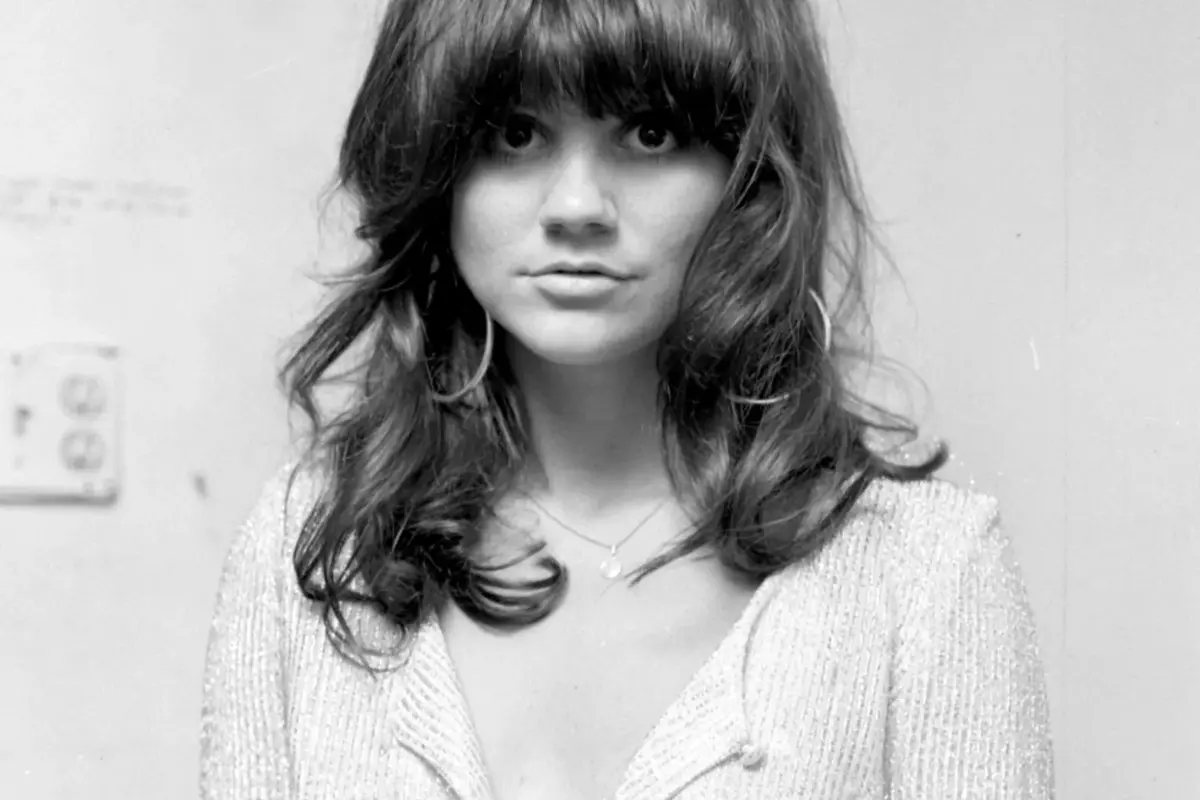
Ronstadt’s later stardom can make early tracks feel like prologues, but “Different Drum” is not merely an early credit. It’s a thematic seed: independence, emotional intelligence, and the willingness to pivot when a situation doesn’t fit. Those traits show up throughout her catalog and public persona.
Her recognition in American culture extends well beyond sales or nostalgia, including major institutional honors. The National Endowment for the Arts notes her as a National Medal of Arts recipient, underscoring her long-term significance in U.S. music.
Also, it’s worth saying plainly: Ronstadt’s career was not built on one “signature sound.” She treated genre as a tool, not a box. If “Different Drum” introduced her to the mainstream, later work proved she wasn’t going to stay where the industry wanted to park her.
“Different Drum” in the streaming era: finding the track now
If you’re searching today, you’ll run into multiple versions and compilations. A simple trick is to identify it by the performing credit (Stone Poneys featuring Linda Ronstadt) and match the length and artwork in official catalogs.
Video platforms also keep the song in circulation; one easy way to find it is via an official YouTube upload of “Different Drum” by the Stone Poneys. The continued presence of the recording in widely used platforms helps explain why it stays culturally alive.
Quick facts table (for the detail-oriented)
| Item | What to know |
|---|---|
| Songwriter | Michael Nesmith |
| Breakout performer | The Stone Poneys featuring Linda Ronstadt |
| Core theme | Affection without surrender – leaving because mismatch is real |
| Why it matters | An early mainstream pop-rock example of female autonomy presented as normal |
Music-nerd corner: rights and song registration breadcrumbs
For readers who like verifying repertoire details, performing-rights organizations maintain work entries that can help confirm authorship and publishing data.
Those repertory tools can also be used as a cross-check when you’re sorting out similarly titled works or confirming writers and publishers in the modern catalog ecosystem.
So, what did “Different Drum” actually do to Linda Ronstadt’s career?
It gave her a calling card: a hit where the voice sounded like a complete person. That’s rare. Many early breakthroughs capture potential; “Different Drum” captures character. It’s the sound of a singer who already knows who she is, even if the industry hasn’t caught up.
A thoughtful retrospective frames “Different Drum” as a pivotal track that shaped the Stone Poneys’ identity and helped propel Ronstadt forward.
Conclusion: the sweetness is the weapon
“Different Drum” survives because it’s not only well-written and well-sung. It’s strategically charming. The melody invites everyone in, then the lyric delivers a message plenty of people still struggle to say out loud: I won’t live your life just because you want me to.
Linda Ronstadt didn’t just sing the song. She modeled a stance. And once you hear that, “Different Drum” stops being a vintage hit and becomes a small, gleaming act of rebellion.
Check the video below: