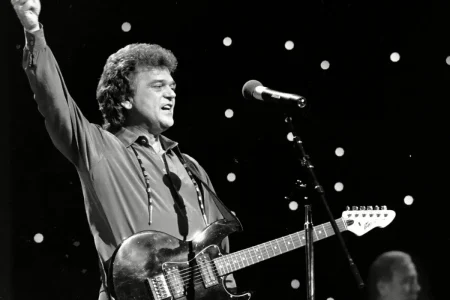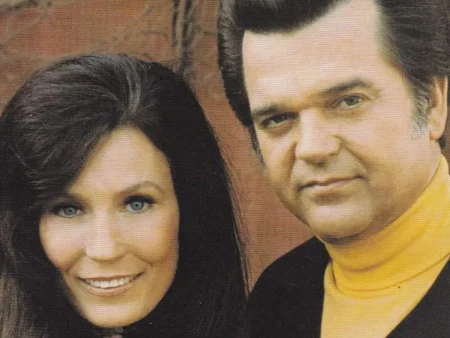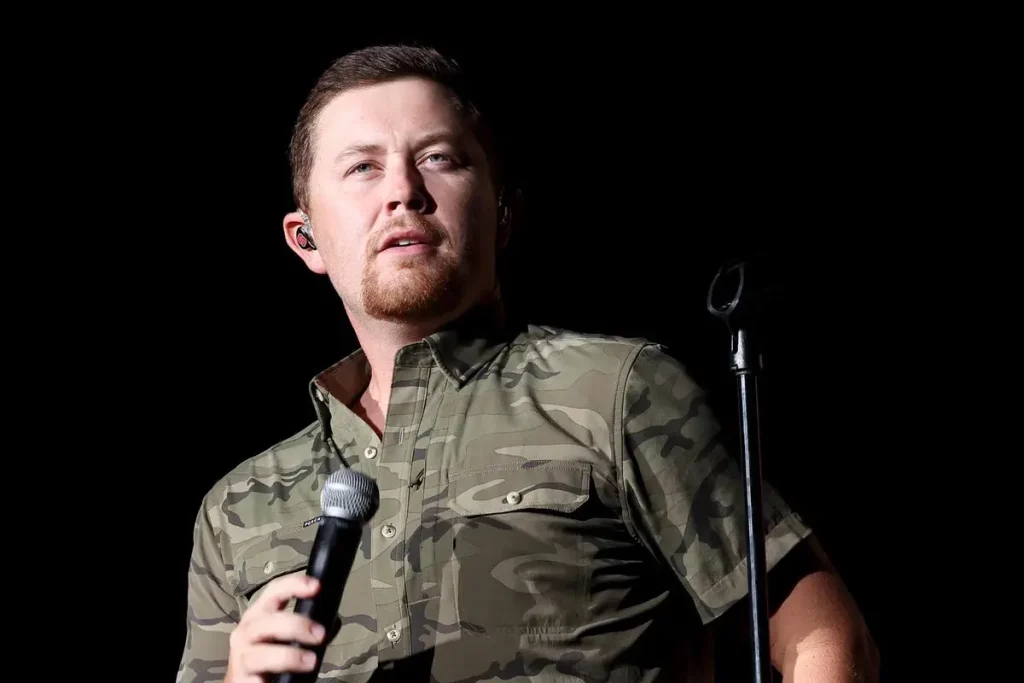
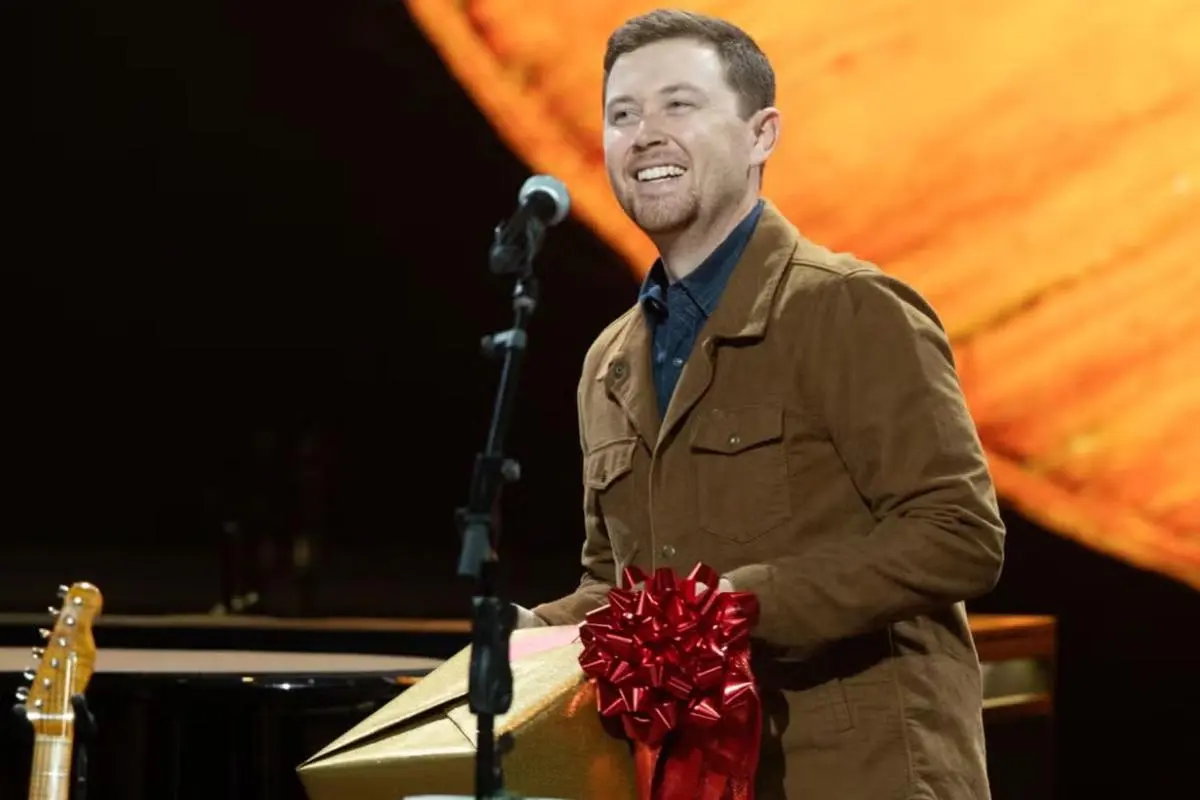
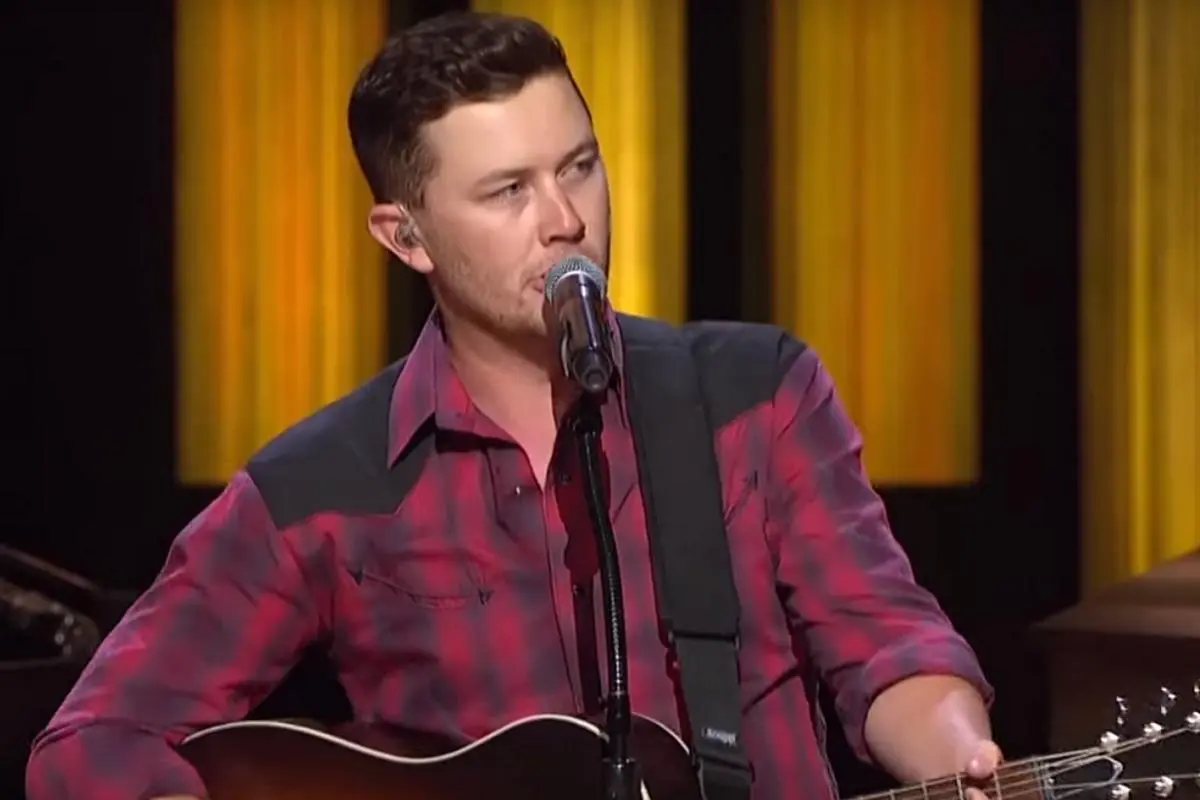
There are two kinds of tribute performances: the ones that feel like karaoke with better lighting, and the ones that make you sit up straight because the singer understands the assignment. When Scotty McCreery stepped onto the Grand Ole Opry stage and leaned into Conway Twitty’s “Hello Darlin’,” it landed in the second category: reverent, controlled, and emotionally direct. It also reminded everyone in the room that McCreery is no longer “that kid who won American Idol.”
McCreery’s fans have watched him grow from a fresh-faced baritone with a polite grin into a confident traditionalist who can sell a lyric without smirking at it. The Opry is the toughest room for that kind of confidence, because the building itself is basically a lie detector for country authenticity. If you fake it there, the silence tells on you.
Why “Hello Darlin’” is a high-wire act
Conway Twitty’s “Hello Darlin’” is not a song you “cover” casually. It’s a slow-burn monologue disguised as a love song, built on the tension between restraint and confession, and it became one of Twitty’s signature recordings. The tune is famously simple, which means there is nowhere to hide: every breath, every consonant, every pause is exposed in Twitty’s enduring “Hello Darlin’” legacy.
It also requires a specific kind of vocal authority. “Hello Darlin’” asks for warmth without wobble and tenderness without whining. If you oversing it, you flatten the intimacy; if you undersing it, you lose the gravity that makes the lyric feel like a real man standing still, taking a risk.
The Opry factor: a stage that demands receipts
The Grand Ole Opry is not just a venue, it’s a cultural institution with an unusually long memory. Its own official history frames the show as a living tradition of country music, and performing there still carries a different kind of pressure than a typical tour stop for an artist at McCreery’s career stage.
McCreery has become a familiar name in that circle, and the Opry’s own artist profile positions him as a modern star who still leans hard into classic country values. That matters because “Hello Darlin’” is essentially a thesis statement for traditional country: conversational storytelling, emotional honesty, and a voice that doesn’t apologize for being low and unhurried.
Scotty McCreery’s “Hello Darlin’”: what makes it hit
McCreery’s tribute works because he doesn’t treat the song like a museum piece. He treats it like a live conversation, shaping phrases the way a seasoned frontman would, with measured timing and a calm, grounded delivery. His baritone is naturally suited to Twitty’s lane, but the real win is the self-control.
“The best singers do not just sing a lyric – they inhabit it.”
– Conway Twitty (widely quoted sentiment among country fans and press; paraphrased as performance principle)
Even if you’re skeptical of tribute culture, the performance lands because it does not wink at the past. It respects Twitty’s phrasing and emotional architecture while still sounding like McCreery’s own voice. That balance is rare, and it is the dividing line between “influenced by” and “impersonating.”
Three musical choices that separate a tribute from a copy
- Tempo discipline: “Hello Darlin’” needs patience. Rushing it makes the confession feel rehearsed instead of risky.
- Dynamic honesty: The magic is in the gentle build, not a sudden vocal “moment.”
- Text first: This song is about words. Clear diction and believable pauses do more than vocal gymnastics.
For fans who saw the clip online (and kept sharing it like contraband), the takeaway was simple: McCreery can handle the classics “the way they were meant to be sung,” not because he mimics, but because he understands why the original worked in the first place. One widely circulated upload of the performance highlights how the crowd reacts in real time, which is the only metric that matters at the Opry: attention first, then applause.
Conway Twitty: the standard McCreery is reaching for
Twitty is a towering figure in country music, not only as a performer but as a writer with deep Nashville credibility. The Nashville Songwriters Foundation recognizes him as a Hall of Fame inductee, reflecting a career that was not just popular, but structurally important to the genre’s songwriting tradition in the eyes of the Country Music Hall of Fame’s Conway Twitty biography.
Meanwhile, the Country Music Hall of Fame frames Twitty as an artist whose impact reached across eras and styles, reinforcing why his catalog still functions as a measuring stick for male country vocalists. When McCreery chooses “Hello Darlin’,” he is not picking an easy crowd-pleaser. He is picking a standard that has embarrassed plenty of competent singers.
From American Idol to the Opry: the “real career” test
The uncomfortable truth about most televised talent-show winners is that the spotlight often ends faster than the contracts. McCreery is the exception people forget to mention when they’re dunking on the format. American Idol remains one of the biggest talent pipelines in modern pop culture, but turning that exposure into a long-term country career is its own separate sport – and “Hello Darlin’” itself carries a long, well-documented life as a standard, as summarized in the song’s background and release history.
McCreery’s post-Idol story has been less about chasing crossover and more about doubling down on a lane: warm, radio-friendly traditional country anchored by that unmistakable low register. His own official site positions him as an artist with a sustained touring and recording career rather than a nostalgia act, which is exactly what a serious Opry performance requires.
The edgy take: modern country sometimes runs from “slow” because it’s risky
Here’s the part that might bother some people: a lot of modern mainstream country avoids truly slow songs because slow exposes singers. You cannot hide behind bombastic drums, stacked harmonies, or a drop designed for streaming algorithms. A ballad like “Hello Darlin’” is basically a truth serum.
McCreery walking out and singing it straight, without irony, is a small act of rebellion against the genre’s current addiction to “energy.” It says: a grown man can still stand still, sing softly, and make a room listen.
What singers can learn from McCreery’s approach
If you’re a performer (or an older fan who has heard a thousand covers at clubs, weddings, and Opry-style theaters), McCreery’s tribute offers practical lessons. You do not need a huge range to be compelling; you need conviction, timing, and respect for the song’s emotional logic.
A quick performance checklist for classic country ballads
| Element | What to aim for | Common mistake |
|---|---|---|
| Intro line | Speak-singing feel, like you mean it | Over-sentimental delivery that turns cheesy |
| Breath placement | Long phrases with calm support | Breathing in emotional spots that break the spell |
| Vibrato | Natural, late, and subtle | Constant wobble that reads as uncertainty |
| Ending | Restraint, then release | Big final note that changes the song’s character |
McCreery’s baritone helps, but the real technique is psychological: he commits to the lyric. That’s what makes an audience stand up, not vocal tricks. And in classic country, the lyric is the whole point.
Why this tribute matters beyond one night
Tributes at the Opry are more than fan service. They are a public argument about what country music is supposed to value. A shareable video of McCreery paying tribute with “Hello Darlin’” on the Opry stage is a quiet reminder that country’s “old” and “new” are supposed to talk to each other, not live on separate playlists.
When a younger star successfully carries a Conway Twitty classic, it keeps the song alive for audiences who might never have bought a Twitty record. It also pressures the next generation of singers to do the hard thing: slow down, sing clearly, and let the story do the flexing.
Conclusion: Scotty didn’t just cover Conway, he honored him
Scotty McCreery’s “Hello Darlin’” at the Grand Ole Opry works because it avoids the two traps that kill tributes: showing off and playing dress-up. Instead, he gives a focused vocal, a respectful phrasing approach, and the kind of emotional directness that made Conway Twitty legendary in the first place.
In an era where country can feel allergic to silence, McCreery proves that a classic ballad still has teeth. Sometimes the most powerful thing you can do is sing a song exactly as written, and mean every word.