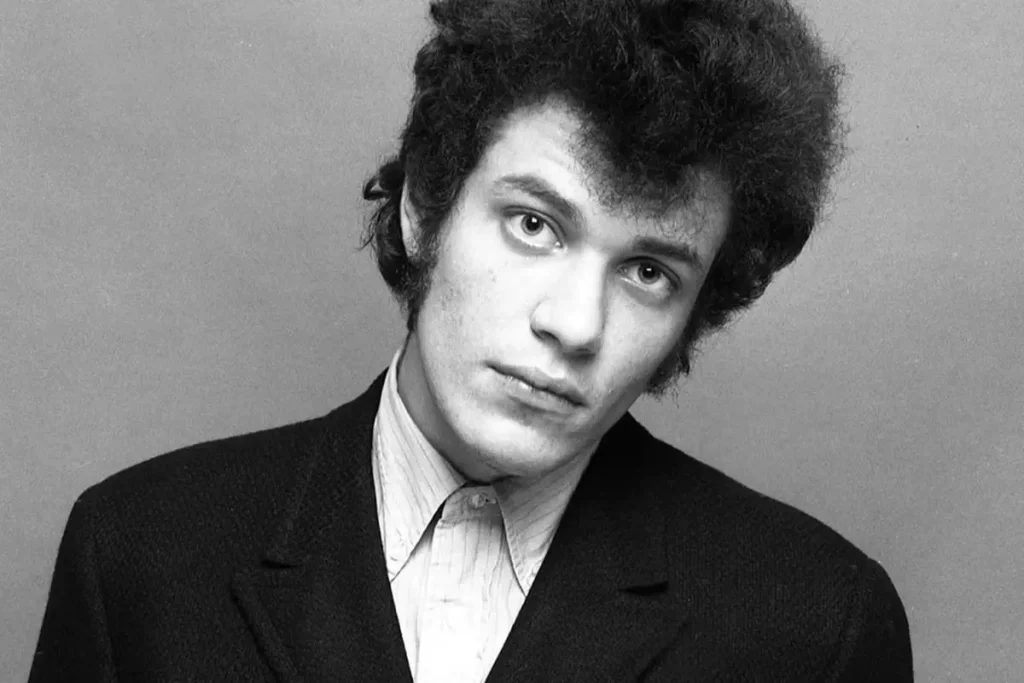
Mike Bloomfield’s legend usually arrives polished: the tasteful licks, the famous sessions, the aura of a white kid who somehow earned respect in Black Chicago blues circles. But the more interesting Bloomfield story is messy, street-level, and a little dangerous. It begins around 1961, when he collided with three musicians who changed his trajectory: Nick Gravenites, Elvin Bishop, and Paul Butterfield. It also involves Rush Street club gigs that were taped, topless bars, beatnik joints, and Bloomfield panhandling by pretending to be blind, just to keep money moving.
That combination of obsession and hustle is what made him more than a “good” guitarist. It made him a musical translator, a player who could speak several dialects fluently, then switch mid-sentence without losing the groove. And that is why his early Chicago years are the real engine behind everything that followed.
Chicago, early 60s: the world Bloomfield walked into
Chicago blues was not a hobby scene. It was working-class, loud, amplified music shaped by migration, cramped apartments, crowded taverns, and bands that had to hit hard enough to cut through a room full of talkers. Bloomfield didn’t grow up in that world, which made his decision to chase it even more provocative.
As a teenager and young adult, he sought out the city’s blues community and learned directly from players who had already lived a lifetime inside the music. Bloomfield is often associated with the 60s blues revival, but his apprenticeship was not theoretical. It was social, nightly, and sometimes uncomfortable, because the scene tested outsiders fast.
The trio that rewired his future: Gravenites, Bishop, Butterfield
Bloomfield’s meeting with Nick Gravenites and Elvin Bishop mattered because they were not just bandmates. They were fellow obsessives who treated blues like a calling rather than a genre. Gravenites, in particular, became an anchor in Bloomfield’s story as a singer-songwriter and organizer who could turn a shared taste into an actual working unit.
Elvin Bishop has described his own early path through Chicago blues with the kind of plainspoken reverence you only hear from musicians who did the work in small rooms before anybody cared. That background helps explain why Bloomfield clicked with Bishop: both were students of the same hard curriculum, just with different accents.
Then there was Paul Butterfield. In Bloomfield lore, Butterfield isn’t simply “a harmonica player.” He’s a force of nature, and Bloomfield’s alleged fear of him has become part of the mythology. An overview of Butterfield’s role in the Chicago blues-rock bridge gets at his centrality to that moment, but the important point is simpler: Butterfield was a gatekeeper of intensity, and Bloomfield wanted in.
The Butterfield factor: intimidation as a kind of audition
The quote attributed to Bloomfield about being scared to work with Butterfield and the pistol-carrying reputation is vivid because it rings true to the era’s vibe, whether or not every detail is documentable. Early 60s club culture in big cities could be rough, and musicians sometimes projected toughness for self-protection. If you were young, hungry, and not from the neighborhood, intimidation could function like an audition: could you keep your nerve and still play?
In that sense, Bloomfield’s initial distance from Butterfield is revealing. He wasn’t just learning songs. He was learning the social rules of a scene that did not exist to make him comfortable.
Rush Street and the “tape-recorded” reality check
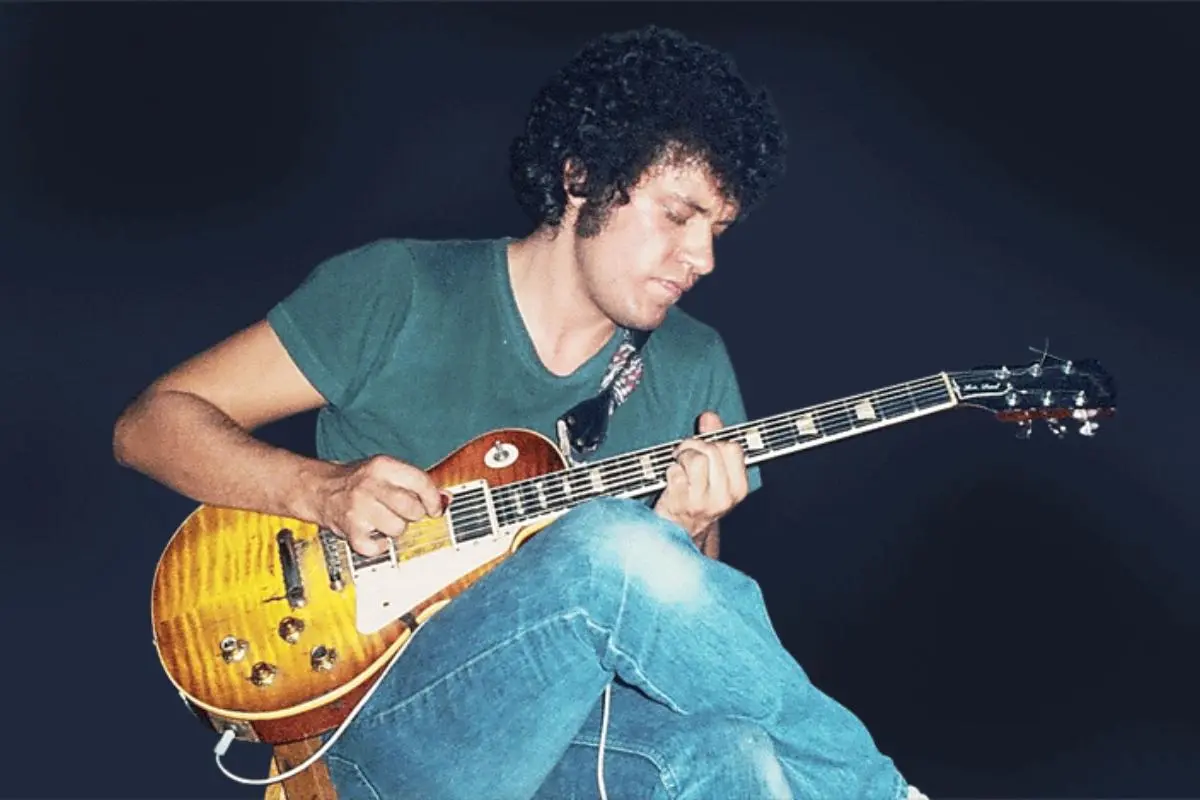
Stories of Bloomfield playing Rush Street spots like the Fickle Pickle and having sets taped are more than trivia. Tape changes behavior. Once a band knows a performance might be replayed, the pressure shifts from “get through the night” to “leave evidence.” It creates a feedback loop where musicians can study themselves, steal from themselves, and get sharper fast.
Even when the recordings are informal, the idea of documented gigs matches what we know about the era: Chicago was packed with working bands, and live recording was not rare among enthusiasts, musicians, and local scenes who wanted to capture electricity before it disappeared.
Topless bars, beatnik joints, and the art of playing anywhere
The most “edgy” part of Bloomfield’s early years is not that he played blues. It’s that he played everywhere. Topless bars and beatnik joints are two different ecosystems: one demands volume and stamina, the other demands vibe and nerve. The ability to survive both is a skill, not a moral footnote.
When musicians talk about paying dues, this is what they mean. The gigs are not always glamorous, and sometimes they are barely even “music venues” in the modern sense. But they force a guitarist to develop timing, dynamics, and the ability to grab attention without asking permission.
The blind-musician hustle: ethical gray, musical truth
The anecdote about Bloomfield wearing dark glasses and mimicking a blind street musician to collect pocket change is uncomfortable on purpose. It suggests desperation and showmanship, and it hints at a performer’s willingness to manipulate perception. You don’t have to approve of it to understand what it reveals: Bloomfield was treating music as a full-time pursuit before it paid like one.
That kind of hunger often creates great players, because it removes the fantasy that “talent will be discovered.” Instead, you learn to generate income, stage presence, and emotional impact on demand.
By 20, a stylistic chameleon: why that mattered in Chicago
Bloomfield’s reputation as a guitarist who could play in “virtually anybody’s style” is not just a compliment. In Chicago, stylistic flexibility was currency. If you sat in with the wrong phrasing, you could get cut off fast. If you matched the room and the bandleader, you could get invited back.
Bloomfield’s ability to absorb and reproduce stylistic details is a core reason he became a catalyst figure in blues-rock rather than merely a fan with chops. Overviews of his career emphasize his role in shaping electric guitar language during the blues revival and beyond, but the root skill is mimicry turning into voice.
“The Group,” Charlie Musselwhite, and the pre-fame laboratory
By late 1964 Bloomfield played in a band often referred to simply as The Group, a flexible unit that included, among others, the soon-to-be-famous Charlie Musselwhite. Musselwhite’s own biography underscores his deep ties to the Chicago blues scene, which makes his overlap with Bloomfield especially telling.
This period is easy to skip because it lacks a single famous album cover, but it is the kind of pre-fame laboratory where musicians learn how to lead without saying they’re leading. Bloomfield sometimes played piano and sang, but lead guitar remained the main attraction, and that role teaches responsibility: when your instrument is the headline, you have to tell a story every chorus.
What these years built: the Bloomfield blueprint
If you strip away the mythology and keep the mechanics, Bloomfield’s early 60s Chicago years built a repeatable blueprint for developing a voice:
- Find real players, not just records – and accept the discomfort of being the least authentic person in the room.
- Play any gig – different rooms force different dynamics, and dynamics are where “taste” is born.
- Document yourself – tapes expose weak time, lazy bends, and overplaying.
- Learn styles until you can fake them – then keep going until you stop faking and start speaking.
This is also why Bloomfield’s influence still lands with older listeners who lived through the 60s and 70s: his playing doesn’t feel like a museum piece. It feels like a person who had to earn every bar in public.
Listening map: where to hear the “early Chicago” mindset later
You can’t always locate the Fickle Pickle tapes easily, but you can hear the habits those nights created in his better-known work. Look for these traits when you listen:
| Trait | What it sounds like | Why it points back to Chicago |
|---|---|---|
| Time feel under pressure | Confident push and pull, even at high volume | Bar gigs reward time more than perfection |
| Style switching | Country inflections, jazz runs, then straight blues | Sitting in means adapting instantly |
| Conversational phrasing | Call-and-response with vocals and harp | Chicago blues is ensemble music, not guitar worship |
A provocative takeaway: Bloomfield wasn’t “crossing over” – he was infiltrating
One tidy way to frame Bloomfield is as a respectful student of Black American music who helped popularize blues for broader rock audiences. That is true, but it’s also incomplete. A sharper claim is that Bloomfield infiltrated a scene that could have rejected him, learned its language at street level, then carried the accent into louder, whiter rooms without sanding off the grit.
That’s why his early friendships matter so much. Gravenites provided a songwriter-organizer brain, Bishop brought a guitarist’s camaraderie and shared apprenticeship, and Butterfield provided the intensity test that separates hobbyists from lifers. Seen that way, the pistols and the panhandling aren’t side stories. They are the environment that forged a player who could sound like almost anyone, then still sound unmistakably like Mike Bloomfield – an arc reflected in summaries of his life and work on the official Mike Bloomfield site.
Conclusion: the hustle behind the halo
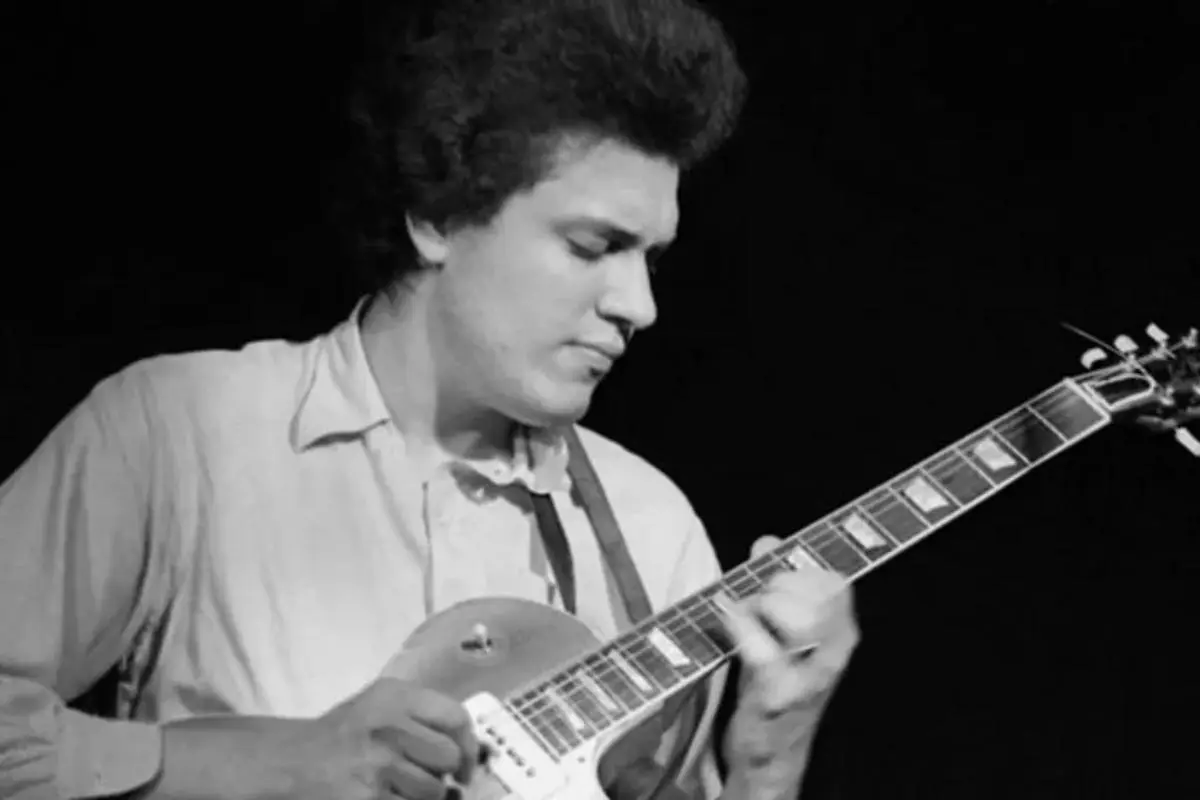
The early 60s Bloomfield story is not a clean inspirational poster. It’s a young musician running toward the hardest rooms, collecting mentors, dodging social landmines, and taking any money he can make with six strings. If you want to understand why Bloomfield became a reference point for blues-rock guitar, start here: not with the legend, but with the grind.