
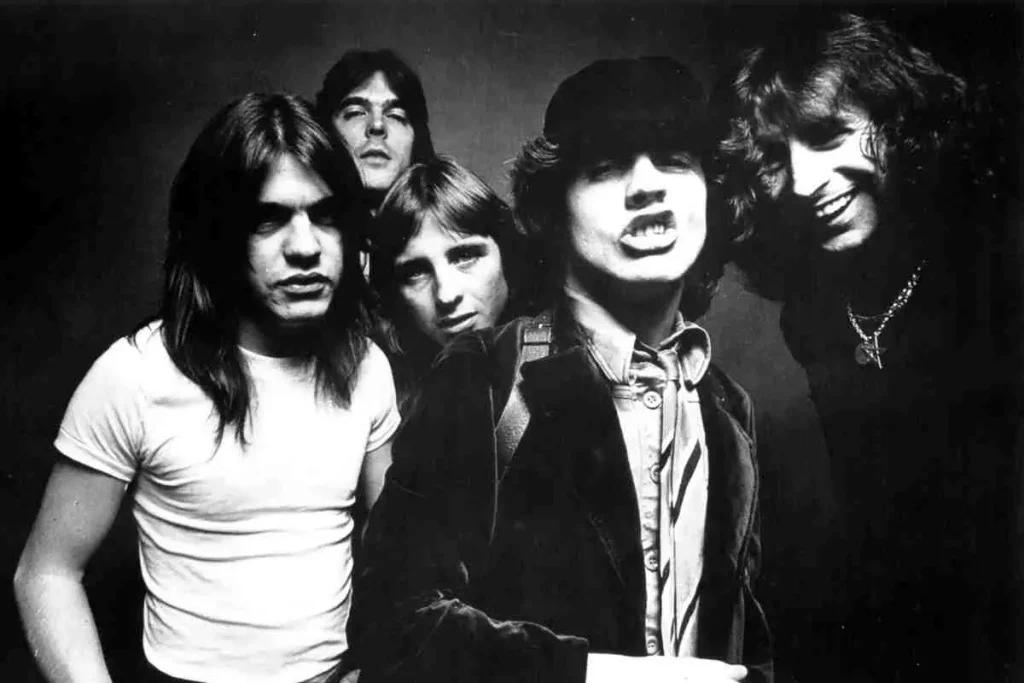
In rock history, few victories feel as backwards and inevitable as AC/DC’s Dirty Deeds Done Dirt Cheap finally detonating in North America. The album was already old news in Australia, already road-tested, already soaked in barroom smoke. Yet when it arrived for US listeners years later, it acted like a brand-new threat: loud, funny, nasty, and strangely bulletproof.
That delayed impact is the point. Dirty Deeds is a reminder that the American mainstream doesn’t always crown the “newest” thing. Sometimes it crowns the thing that sounds like it should have been banned in the first place.
The weird timeline that made the album feel dangerous
AC/DC released Dirty Deeds Done Dirt Cheap in 1976, but the record didn’t get a proper North American push until the early 1980s, after the band had already exploded globally and after Bon Scott was gone. That gap turned the album into a kind of time capsule: the “earlier, dirtier” AC/DC that new fans could discover once the band became unavoidable.
Basic discography facts are easy to verify: the official AC/DC album page lists the track lineup, anchoring it firmly in the Bon Scott era and the band’s mid-1970s run of rapid-fire releases.
For US audiences, that context matters because Dirty Deeds doesn’t sound like a cautious corporate product. It sounds like a band playing to win beer money, not trophies. The riffs are blunt instruments, the grooves are lean, and the punchlines land like barstools.
Why the late US release became a superpower
The usual story says a delayed release is a label failure. With Dirty Deeds, the delay became a marketing cheat code. By the time it was widely available and promoted in the US, AC/DC had already built an international reputation that made older material feel newly relevant.
Even a general reference like the album’s background summary and release history shows how unusual its release pattern was and how it later surged in the US market despite being an older title.
Here’s the key cultural twist: early-1980s America was primed for “problem” rock. Arena rock was huge, moral panic was growing, and hard rock was becoming a lightning rod. Dirty Deeds arrived like contraband that somehow made it onto the endcap at your local record store.
A record that sounds like a phone number for trouble
AC/DC didn’t sell sophistication on this album. They sold services. The title track is basically a business card for mayhem, and it’s delivered with the kind of cheerfully criminal clarity that makes parents nervous and teenagers feel understood.
“A hotbed for danger and malevolence.”
Rolling Stone review of Dirty Deeds Done Dirt Cheap
That line captures what fans still love: the album’s sense of misbehavior is theatrical but convincing. Bon Scott’s gift was making ridiculous lines sound like personal confessions. He didn’t just sing about trouble; he narrated it like he’d already been arrested for it.
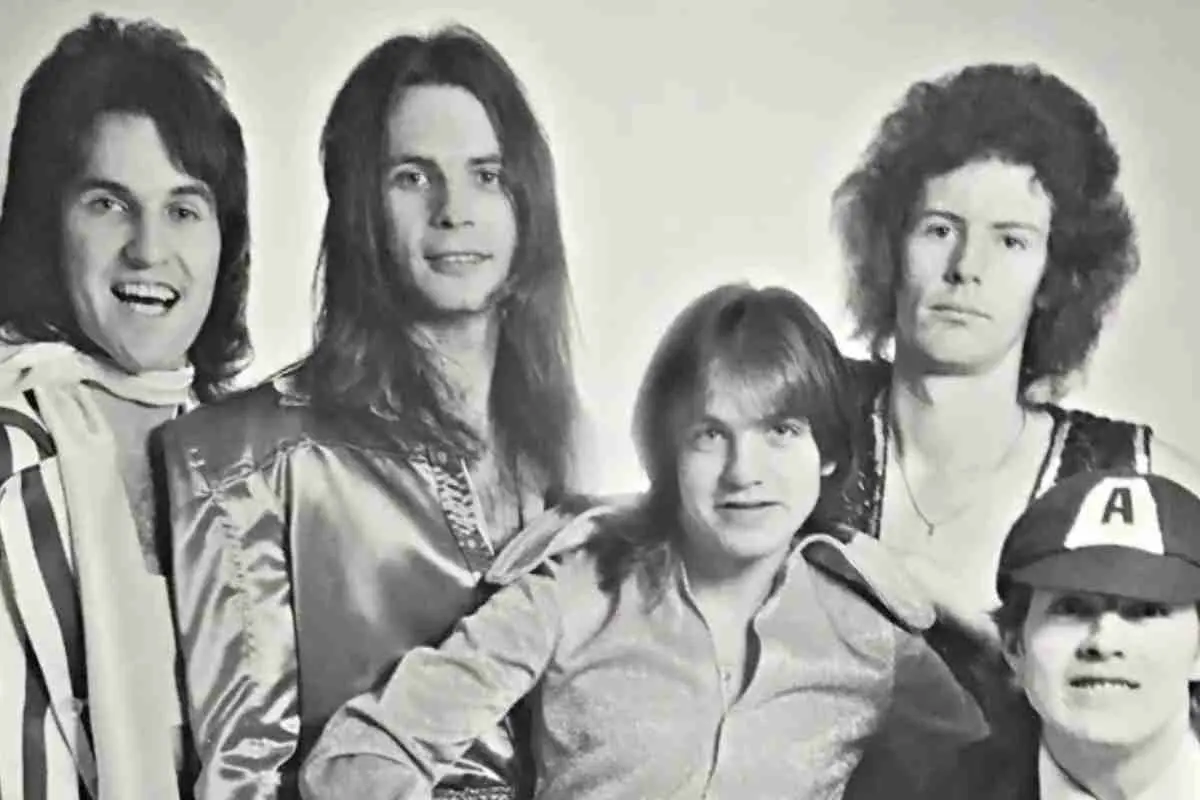
The songs: filthy classics, precision riffs, and one eternal wink
This album works because it’s not one mood. It’s swagger, humor, and menace, traded back and forth like a knife at a poker table. If you haven’t spun it in a while, here’s a practical way to re-enter it without pretending every second is sacred.
“Dirty Deeds Done Dirt Cheap”
The riff is pure AC/DC: mid-tempo, perfectly spaced, built to make a crowd chant. What elevates it is Bon’s phrasing, half sales pitch, half street rumor. It’s the kind of song that makes you grin even if you’re appalled by yourself for grinning.
“Problem Child”
It’s a mission statement with a beat. The band sounds like they’re playing in a room that’s too small for them, pushing the snare and guitar into the same aggressive lane. Live, it became a calling card, which you can see reflected in how often AC/DC have kept it in circulation across eras.
“Big Balls”
Yes, it’s juvenile. That’s the point. It’s also one of the sharpest examples of AC/DC’s early superpower: smuggling cleverness inside crudeness. Bon Scott sings it like a master of ceremonies at a classy party that’s about to turn into a brawl.
Deep cuts that make the album more than a greatest-hits machine
Tracks like “Ain’t No Fun (Waiting Round to Be a Millionaire)” and “Ride On” show the band could stretch out, breathe, and let the groove speak. The guitars don’t get more complicated; they get more patient. That patience is what gives the fast songs their bite.
Bon Scott: the missing piece that made it hit harder
There’s an uncomfortable truth behind the record’s North American success: the myth of Bon Scott grew as the band’s fame grew. That doesn’t mean fans bought the album out of pity; they bought it because the music felt alive. But the tragedy added gravity to the voice.
Bon’s persona on Dirty Deeds is not the later “legendary fallen hero” narrative. It’s closer to a street poet with a dirty joke and a sharper blade in his boot. When listeners discovered it later, they didn’t just hear an earlier album. They heard an earlier world.
How it fits in AC/DC’s sales universe (and why comparisons get messy)
Fans love ranking AC/DC albums by sales, but the numbers can get slippery because certifications change over time and vary by territory. Still, the broad picture is clear: Back in Black is one of the best-selling albums by a group in recorded-music history.
Even without reciting every certification line, the band’s own catalog pages frame the story: Highway to Hell and Back in Black represent the global peak that made older titles like Dirty Deeds irresistible to new buyers.
If you want a practical takeaway: Dirty Deeds became a blockbuster partly because it was positioned as “more AC/DC” at the exact moment America decided it couldn’t get enough AC/DC.
Quick “then vs now” table for newcomers
| What you hear | What it does to the listener |
|---|---|
| Mid-tempo, hooky riffs | Makes even non-metal fans nod along |
| Bon Scott’s sly delivery | Turns crude lyrics into character acting |
| Simple arrangements | Leaves space for drums and vocals to punch |
| Humor next to menace | Feels rebellious without becoming joyless |
Under the hood: why the guitars feel so big with so little going on
Older listeners often say early AC/DC records are “simple,” as if that’s a criticism. It’s not. The band’s brilliance is editing: they play the part that makes the song hit hardest, then they stop.
That’s why Dirty Deeds is a favorite for guitar players who want results fast. You don’t need a boutique pedalboard or advanced harmony theory. You need tight timing, strong right-hand control, and the courage to let a riff repeat until it becomes a physical sensation.
A practical listening exercise (with one rule)
- Rule: do not touch the EQ or “sound enhancer” settings.
- Play “Dirty Deeds” and focus on the space between the guitar hits.
- On “Problem Child,” listen to how the drums and rhythm guitar lock like a single machine.
- On “Ride On,” notice how restraint creates drama more effectively than speed.
The point is to hear the band’s main trick: they build momentum with repetition, then release it with a tiny change. That’s why the album still feels physical on decent speakers.
Songwriting credits and the business of “dirty deeds”
AC/DC’s classic-era songs are often credited to the core team you’d expect, and rights databases give a clean way to verify songwriting and publishing details without relying on fan lore.
For “Dirty Deeds Done Dirt Cheap,” the BMI repertoire database lists the work and its associated writers/publishers in a searchable public record.
ASCAP’s public repertory search also returns entries for the title, providing another independent reference point for the composition’s registration details.

So why does it still matter now?
Dirty Deeds Done Dirt Cheap matters because it’s the AC/DC formula before it was mythologized into a brand. It’s the band as a gang: funny, ruthless, and allergic to polite taste. It also proves a major point about rock history: timing is not always about being first. It’s about being impossible to ignore when the door finally opens.
And if you want the most honest epitaph for the album’s North American victory, it’s this: it didn’t succeed by cleaning up. It succeeded by sounding like a bad idea that somehow worked.
Conclusion: crank it up, but hear what you’re cranking
When Dirty Deeds hit the US in earnest, it wasn’t a nostalgia release. It was a late-arriving grenade. The riffs were already proven, the jokes were already indecent, and Bon Scott’s voice sounded like it was still leaning over the bar, daring you to flinch.
Pour one out if you like. Then play it loud enough to remember why it scared people in the first place.


