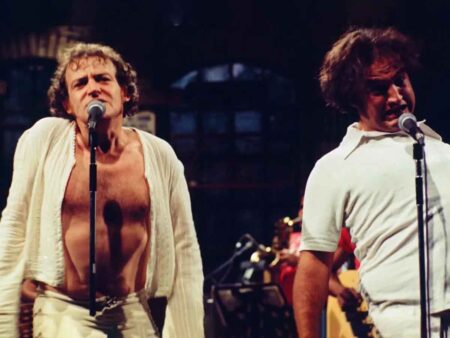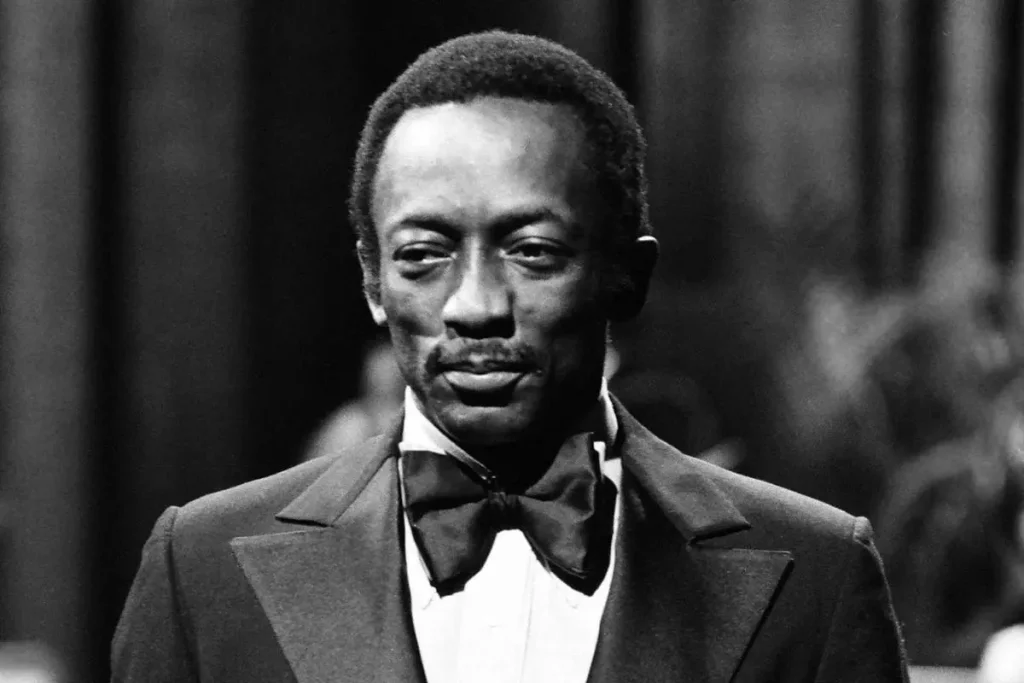
Garrett Morris is usually filed away as “the original SNL cast member who could really sell a punchline.” That’s true, but it’s incomplete. Long before he was asked to play the newsman, the neighbor, or the guy who gets the laugh line, Morris trained as a singer and worked as one professionally. His voice wasn’t a comedy prop; it was a credential.
“I’m a singer. I always was a singer.”
Garrett Morris, The NAMM Foundation interview
That single fact reframes a lot of early Saturday Night Live: when the show needed gospel authority, Broadway projection, or a quick dip into classical-influenced phrasing, it wasn’t a gimmick to hand it to Morris. It was casting.
Juilliard wasn’t a punchline – it was his toolkit
Morris studied at The Juilliard School, a detail that’s easy to miss if you only know him from TV. In most comedy biographies, “Juilliard-trained” reads like trivia. For singers, it implies years of technique: breath, resonance, diction, range management, and style literacy.
Even if you never sing opera onstage, formal classical-style training changes how you aim a note. It teaches you how to land pitch under pressure, how to shape vowels for projection, and how to sing loudly without shredding your voice. Those are survival skills for live television, where there are no second takes and the band doesn’t wait.
Basic biographical references consistently note his Juilliard background and early focus on singing rather than comedy.
Before Studio 8H: working singer, not “actor who can carry a tune”
Morris’s pre-SNL years were full of real-world musical work: stage, ensembles, and the kind of paid singing jobs that don’t care if you’re funny. That matters, because it distinguishes him from the long tradition of comedians who sing for laughs.
Broadway and legit theater credits
His professional theater resume includes Broadway credits, the sort of environment where vocal stamina and musicianship are the baseline expectation. One of the cleanest ways to verify that is the BroadwayWorld profile page that tracks major stage work across venues.
In practice, Broadway singing means learning music quickly, blending when needed, and delivering clear text eight shows a week. It also means being comfortable with conductors, orchestras, and the strict timing of theatrical cues. Those habits translate perfectly to a live sketch show with a house band.
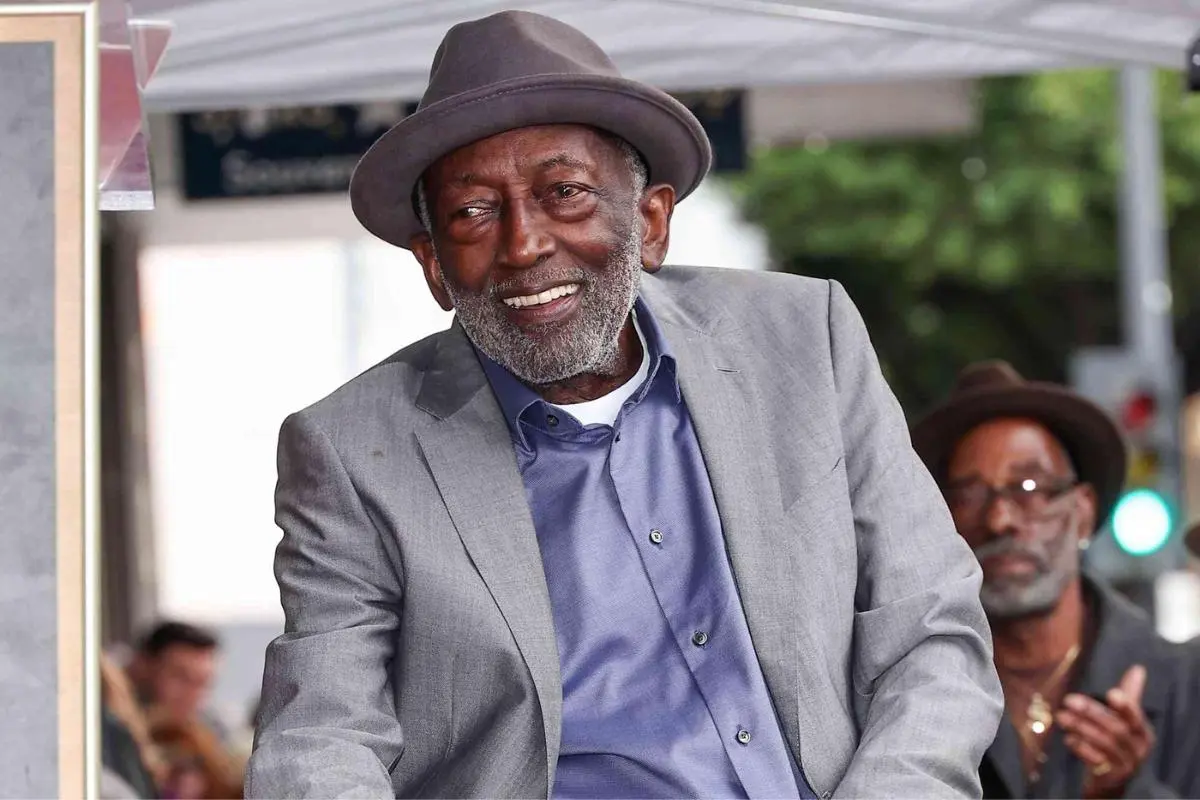
What “trained vocalist” actually buys you on a comedy stage
There’s an edge to Morris’s musical credibility: it makes certain comedic setups hit harder. A joke about gospel lands differently when the singer sounds like he belongs in the choir. A parody of a classy ballad works better when the vocalist can create real tone, not just an impression of tone.
The idea that Morris saw himself as a singer first also helps explain how that identity shaped his career choices.
Early SNL knew exactly what it had: a real vocalist
SNL in its early years could be chaotic, scrappy, and sometimes careless about how it used performers. But it also had a sharp instinct for what played on live TV. When the show required singing that sounded legitimate, Morris became a go-to utility player – not because he was the only one who could sing, but because his singing read as earned.
Even NBC’s own cast/credits material that places him in the foundational lineup is relevant here, because those first seasons leaned heavily on performers who could do multiple disciplines in one night.
Gospel: not a “style,” a culture
Gospel on television often gets flattened into a few clichés: big vibrato, big emotions, big key changes. Morris could do the sound, but more importantly he could do the authority. That authority is partly musical (phrasing, call-and-response timing, rhythmic pocket) and partly social (knowing how that music functions in a room).
When a sketch needs gospel, you don’t want “pretty singing.” You want the sense that the vocalist grew up understanding what the music is for. Morris could deliver that, and the comedy becomes sharper because the performance isn’t winking at the audience the whole time.
“Classical-influenced” vocals: the underrated SNL flex
Here’s a provocative claim that holds up: for a live comedy show, classical-influenced technique is almost a superpower. It lets you sing cleanly at lower volume (microphone technique), belt when needed, and stay intelligible through fast lyric changes. It also helps you switch between characters without wrecking your voice.
In other words, classical training isn’t about sounding like an opera singer on SNL. It’s about being able to sing anything, convincingly, on command.
Listen for the mechanics: what makes his singing “real”
If you rewatch Morris’s musical moments with your “musician ears” on, you’ll notice details that casual viewers miss. These are not definitive forensic claims about any one sketch, but they’re reliable markers of trained, working singers.
1) Vowel shaping and diction
Trained vocalists subtly modify vowels to keep pitch stable and tone consistent across their range. You hear that as “roundness” on sustained notes and clarity on consonants, even at comedic tempo.
2) Breath management under comedic timing
Comedy often forces singers into awkward phrases: cutoffs for laughs, quick resets after dialogue, and sudden dynamic shifts. A pro breathes like a pro anyway. Morris’s lines tend to sound supported, not squeezed.
3) Style-switching without parodying the style itself
A lot of comedy singing is basically one voice with different costumes. Morris could move between idioms – gospel intensity, theatrical polish, crooner smoothness – while still sounding like the style had rules. That’s musicianship, not just acting.
The complicated part: being the “musical guy” and the “only Black guy”
There’s a darker layer to his SNL story that affects how we interpret his musical deployment. Morris was the first Black cast member in the original lineup, and he has spoken over the years about the limitations and stereotypes that came with that position.
One credible way to explore his own perspective is the Television Academy interview archive that preserves his long-form reflections on his career in his own words, providing context beyond clip compilations.
It’s worth saying plainly: sometimes a show leans on a performer’s musical ability because it respects it. Sometimes it leans on it because it doesn’t know what else to do with them. With Morris, both can be true depending on the week.
After SNL: the voice didn’t disappear, it just stopped being the headline
Morris continued acting for decades, which can bury the narrative that he began as a musician. But the musician identity persists in profiles and interviews, especially when journalists revisit the original cast and ask what people were “before they were famous.”
NBC News coverage around his later return to the show recaps his long career and points back to his early professional training, reinforcing that he wasn’t simply a comedian who stumbled into singing.
Want to explore his musical side? Here’s how to do it without getting lost
Because Morris is better known as an actor/comedian, his musical footprint isn’t always packaged neatly into “albums” or streaming playlists. The best approach is to triangulate: interviews, performance clips, and theater documentation.
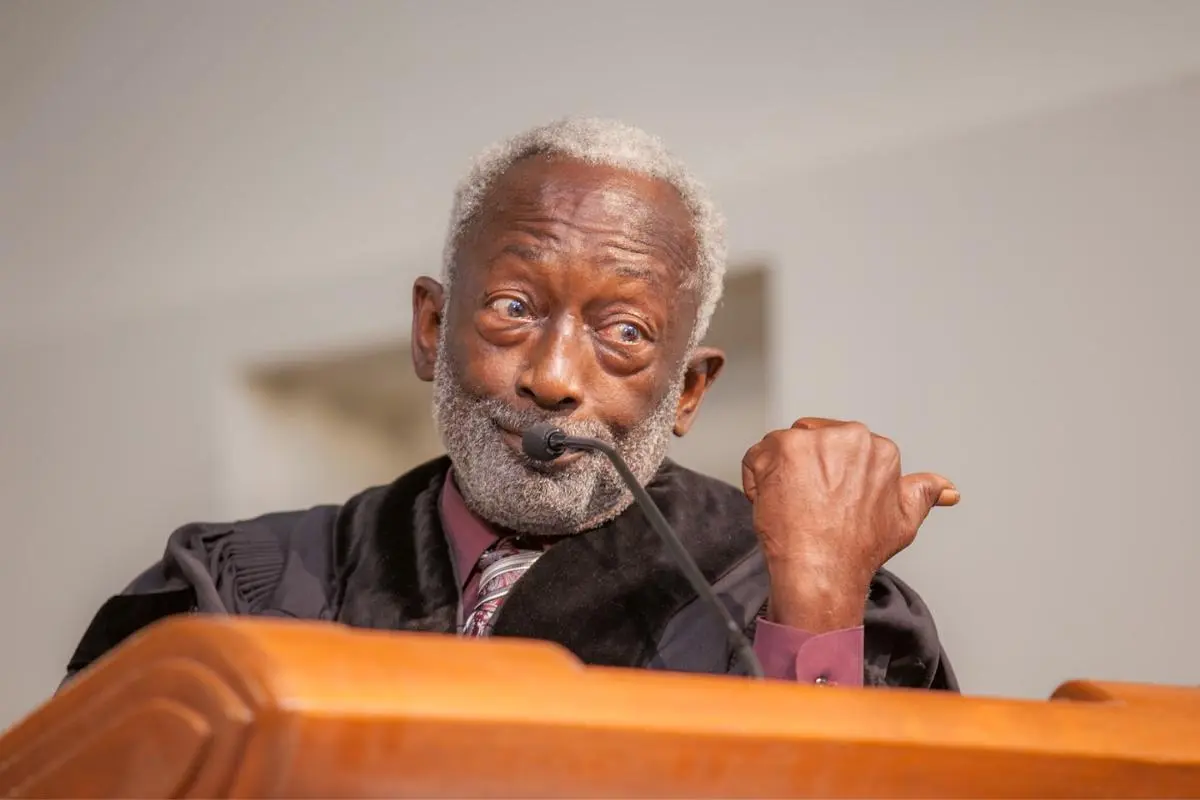
A practical listening and viewing checklist
- Start with his own account: read a long-form interview where he frames himself as a singer first, then follow the names and shows he mentions.
- Watch early SNL musical sketches with headphones and focus on technique: pitch center, sustained tone, and articulation.
- Cross-check stage work using theater databases and profiles to understand what kinds of productions demanded his voice.
- Use archival institutions (when available) to locate documented performances and credits beyond entertainment press summaries, such as this Library of Congress performing arts/oral history item record.
Quick myth-busting table
| Myth | What Morris’s career suggests instead |
|---|---|
| “He sang as a joke.” | He used real technique to make comedy sharper, not to hide weak singing. |
| “Juilliard just means he was talented.” | It also means he was trained: disciplined practice, repertoire, and performance standards. |
| “SNL discovered his voice.” | He arrived with a professional voice; the show simply exploited it effectively. |
Why his story matters (especially to musicians)
Morris is a useful antidote to a lazy cultural habit: treating musical skill in comedy as novelty. His singing was never novelty. It was craft, earned through training and work, then repurposed inside a mainstream machine that often preferred punchlines to provenance.
If you’re a musician, his career is also a reminder that technique is portable. The same fundamentals that carry a voice across a theater can carry a sketch across live television. And sometimes the most subversive thing you can do in a “comedy” moment is sing it like you mean it.
For a baseline career overview that includes his education and early professional path, reference summaries can help orient the timeline before you dive into deeper interviews.
Conclusion: Garrett Morris was the original cast’s quiet ringer
Calling Garrett Morris “the funny guy who could sing” gets the order wrong. He was a trained vocalist who became a comedian-actor in public view, and early SNL benefited from that mismatch. Whenever a sketch needed vocals with real weight, Morris could deliver the sound of someone who had done the homework.
That’s not just a fun fact. It’s the key to why his best musical moments don’t feel like comedy singing at all – they feel like performance, with jokes riding on top.