
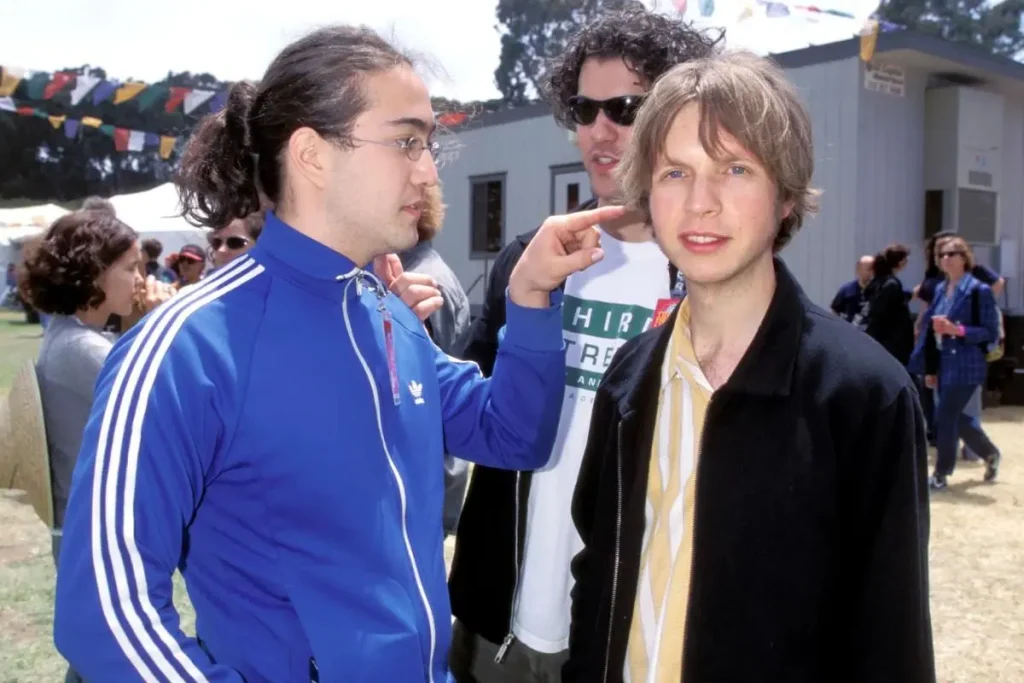
June 16th, 1996: Golden Gate Park, San Francisco. The lineup read like a mixtape from an alternate universe where every cool band agreed on one thing: human rights matter. Kim Gordon (Sonic Youth) sharing the day’s oxygen with Beck, Dave Grohl (Foo Fighters), Mike D (Beastie Boys), and Zack de la Rocha (Rage Against the Machine) was not just a great photo op – it was a statement rooted in the Tibetan Freedom Concert’s 1996 moment.
The first Tibetan Freedom Concert did what most benefit shows only promise: it made activism feel urgent, social, and unmistakably loud. It also kicked off a multi-year touring series that would eventually get complicated, expensive, and politically thorny – and finally stop.
What the Tibetan Freedom Concert was really built to do
The Tibetan Freedom Concerts were staged to raise awareness and funds in support of the Tibetan independence movement and human rights concerns tied to Tibet. The events were organized by the Beastie Boys’ Mike D and Adam Yauch (MCA), working with the Milarepa Fund—an origin story captured in Rolling Stone’s account of the Beastie Boys’ organizing role.
That pairing mattered. In the mid-1990s, alternative rock, hip-hop, and activist culture were colliding, and the Beastie Boys were unusually effective translators between spiritual curiosity (Tibetan Buddhism had a real grip on certain corners of the scene) and hard politics.
“The Tibetan Freedom Concert” became “the largest rock concert for a cause” at the time. – Rolling Stone staff, Rolling Stone list feature.
June 16th, 1996: the inaugural San Francisco event (and why it hit so hard)
The first concert took place in San Francisco’s Golden Gate Park and quickly ballooned into a culture event, not a niche fundraiser. The bill was stacked: Foo Fighters, Beastie Boys, Red Hot Chili Peppers, Bjork, Smashing Pumpkins, Cibo Matto, Rage Against the Machine, A Tribe Called Quest, De La Soul, Buddy Guy, and John Lee Hooker were among the advertised performers.
That variety was the point. It was an early proof that a single issue could unify acts that otherwise lived on different radio stations, different scenes, different nights. If you wanted to reach people who were not reading policy papers, you booked the bands they already trusted.
The “whoa” factor: this wasn’t a normal festival crowd
Benefit concerts can feel polite. This one didn’t. Rage Against the Machine brought confrontational politics in real time, while legacy blues names like John Lee Hooker and Buddy Guy connected the day to a longer American tradition of music as testimony.
And yes, the star power was insane for 1996. Seeing Dave Grohl so early in Foo Fighters’ rise, with the Beastie Boys acting as activist ringleaders, made the whole thing feel like a turning point – a moment when rock celebrity tried to become civic power.
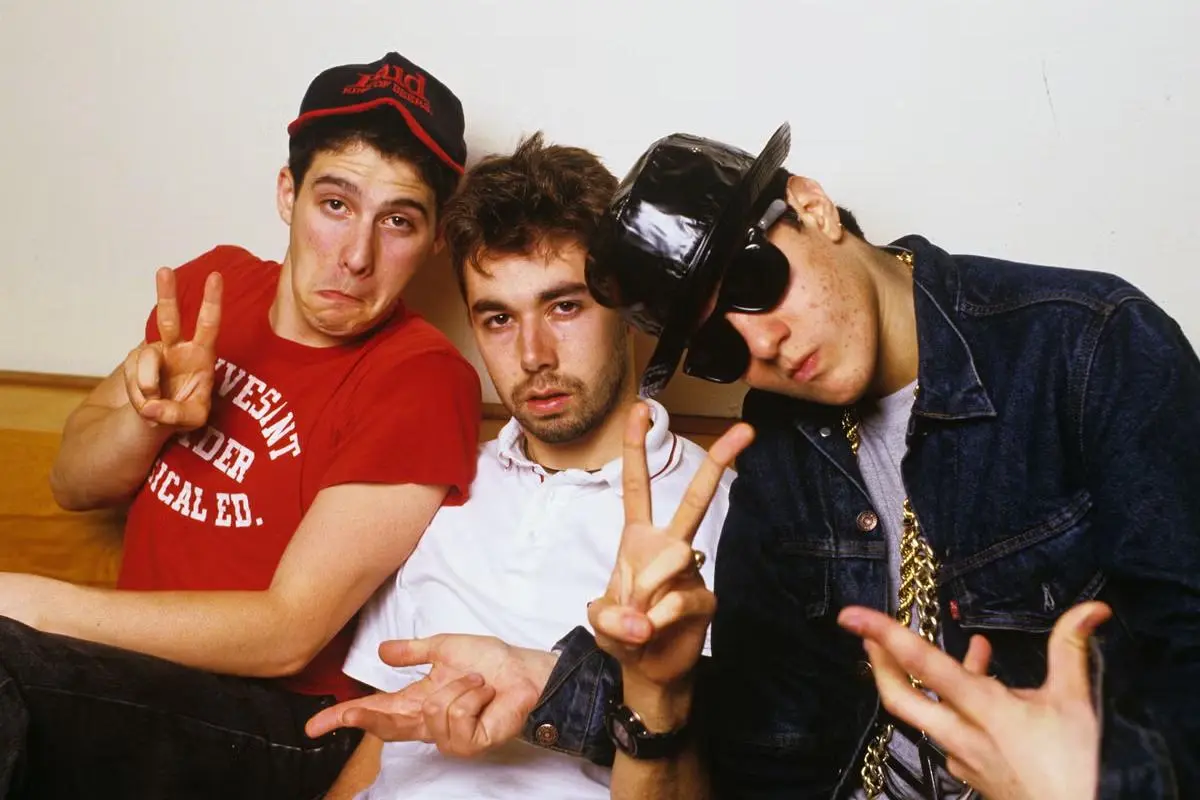
Key artists and what they represented on that stage
It is tempting to treat the lineup as a novelty, but the 1996 roster actually mapped the era’s cultural fault lines in a useful way:
- Beastie Boys (Mike D, Adam Yauch/MCA) – organizers who turned fandom into a donation engine and a media platform.
- Rage Against the Machine (Zack de la Rocha) – a blunt-force reminder that some music is designed to confront systems, not decorate them.
- Foo Fighters (Dave Grohl) – post-grunge momentum, mainstream attention, and a “new guard” rock credibility.
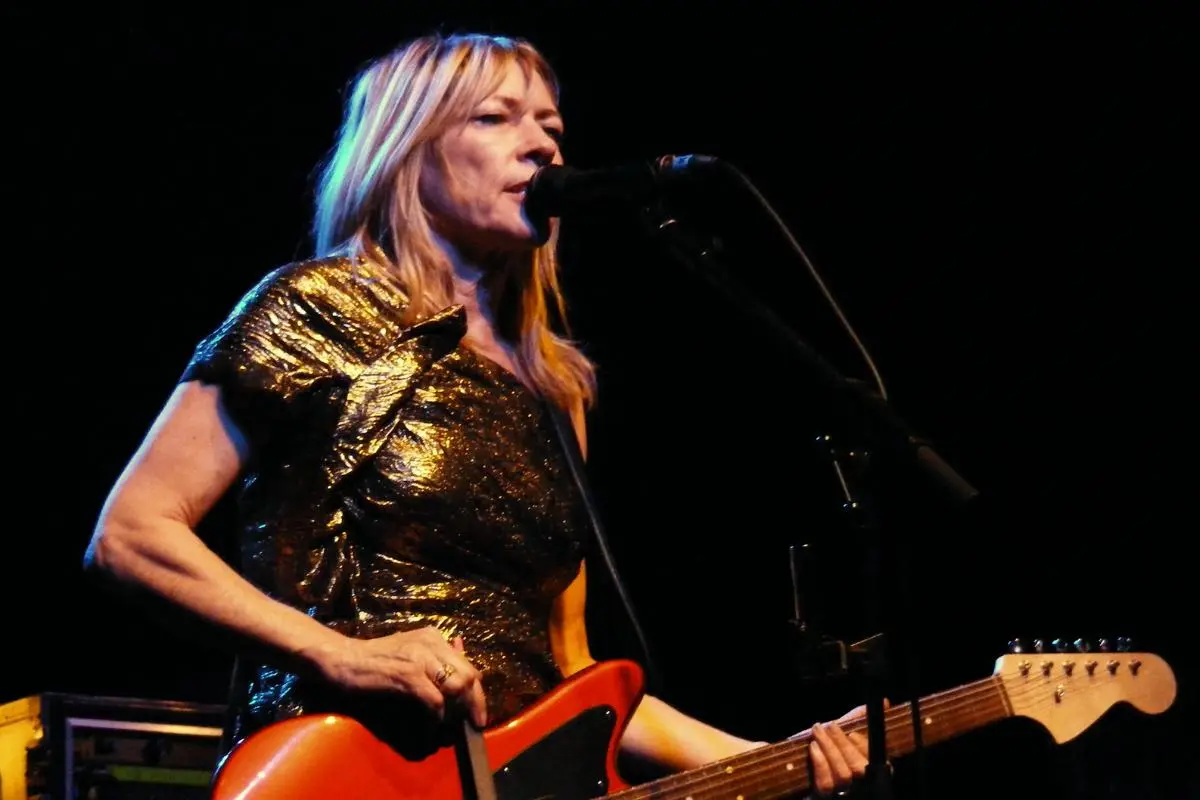
- Sonic Youth (Kim Gordon) – art-punk legitimacy and the sense that the underground was now steering bigger rooms.
- A Tribe Called Quest, De La Soul – alternative hip-hop as a community voice, not just a party soundtrack.
Even if not every performer delivered explicit political speeches between songs, the booking itself communicated values: anti-authoritarian energy, a global perspective, and an attempt to make “Tibet” a word you could not ignore.
How the music was packaged: the official releases
The concert was not only a one-day experience. It was documented and commercialized in a way that extended its fundraising and awareness well beyond the park. The Tibetan Freedom Concert recordings were released as a multi-disc set, capturing performances and helping keep attention on the cause after the amps were turned off—as reflected in the multi-disc compilation release listing.
AllMusic’s release overview reflects how seriously the project was treated as a major compilation rather than a throwaway benefit souvenir. That matters because activism fades fast when it is not archived.
Why it felt like a new kind of activism (and why that’s controversial)
Here’s the edgy truth: the Tibetan Freedom Concert model made activism fashionable. That can be powerful, but it can also be messy. When a cause becomes a scene, people show up for different reasons. Some want to learn. Some want to be seen learning. Some just want to say they were there.
But the 1996 event still achieved something rare: it linked a distant geopolitical struggle to a domestic youth culture that usually only mobilized around music itself.
What happened later: from landmark festival to a series that eventually stopped
The Tibetan Freedom Concert did not stay a one-off. It became a traveling series, staged in later years in major cities and international locations, expanding the brand and the message.
Over time, though, the project collided with reality: massive logistics, shifting music economics, and the difficulty of keeping a single-issue festival culturally central as trends changed. The series is also inseparable from the death of Adam Yauch (MCA), one of its core drivers and public faces.
Rolling Stone’s retrospective view underlines that the concert’s cultural moment was specific: the 1990s had a unique combination of superstar alternative acts, pre-social-media mass gatherings, and a media environment that could still turn a benefit show into a national conversation.
A final curveball: the concert as a film artifact
Documentation matters because it tells you what the event meant to people who were not there. The concert exists in the public record not only through albums but also via film releases credited to the Tibetan Freedom Concert project, including the Tibetan Freedom Concert film entry.
That is a reminder of how big the 1996 moment was: it generated enough interest to be preserved and re-consumed, like a piece of cultural history rather than a “charity night.”
Fast facts: the 1996 San Francisco show at a glance
| Detail | What we know |
|---|---|
| Date | June 16, 1996 |
| Location | Golden Gate Park, San Francisco |
| Organizers | Milarepa Fund with key involvement from Beastie Boys members (notably Mike D and Adam Yauch) |
| Notable acts billed | Foo Fighters, Beastie Boys, Red Hot Chili Peppers, Bjork, Smashing Pumpkins, Rage Against the Machine, A Tribe Called Quest, De La Soul, Buddy Guy, John Lee Hooker, more |
| Legacy media | Multi-disc compilation release and filmed documentation |
Why June 16, 1996 still matters to music fans
For older listeners, the 1996 Tibetan Freedom Concert hits a nostalgic nerve: it captures the 1990s at full voltage, when rock, hip-hop, and counterculture could plausibly imagine they were moving history. Even if you disagree with celebrity activism, you have to admit the ambition was real.
For younger listeners, it is a case study in how movements try to “borrow” the megaphone of pop culture. Sometimes that borrowing dilutes the message. Sometimes it is the only way the message gets heard at all.
Conclusion
The inaugural Tibetan Freedom Concert in Golden Gate Park was a rare alignment of cause, culture, and crowd: Kim Gordon, Beck, Dave Grohl, Mike D, Zack de la Rocha and a stacked cast turned a political issue into an event people felt in their bodies. The series expanded after 1996, but the conditions that made it explode – and the people who powered it – could not be replicated forever.
In hindsight, the biggest legacy might be this: it proved that a festival could be both a party and a public argument, and that sometimes the loudest thing a band can do is point the noise outward.


