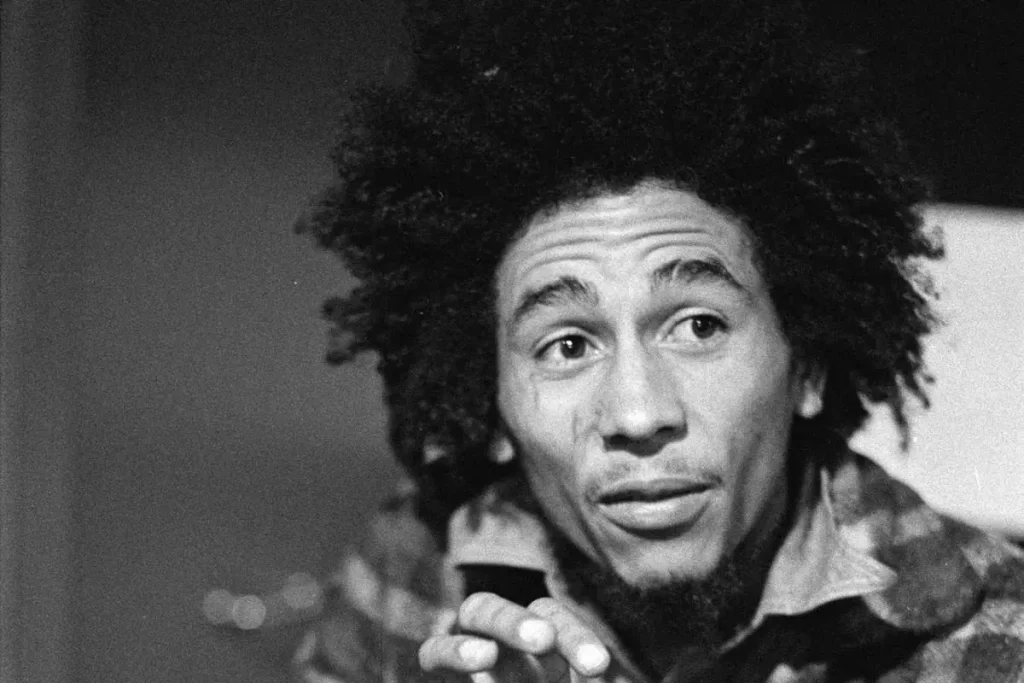
Bob Marley’s origin story is often packaged as destiny: a gifted kid from Trenchtown rises, writes “One Love,” and the world follows. The truth is messier and more interesting. Marley’s rise was a collision of street-level hustle, Jamaican political heat, and a sound that major labels initially did not know how to sell – a struggle traced in many standard accounts of his early career, including Biography.com’s overview of Marley’s life.
And yes, part of the Marley myth is rejection: the sense that gatekeepers and tastemakers wrote him off before he became the face of reggae. Whether every version of “they told him he’d never make it” can be pinned to a single documented quote is harder to prove. What is not hard to prove is that Marley’s path to global stardom was anything but guaranteed, and his breakthrough required risky decisions, relentless touring, and the kind of spiritual confidence that can look like madness until it works.
Trenchtown: where reggae’s message got real
Marley grew up in the Kingston neighborhood of Trenchtown, a place that shaped his lyrical worldview: poverty, pride, community, and the daily reality of political tension. In Jamaica, music was not just entertainment; it was news, argument, and therapy. That’s why Marley’s songs read like sermons, sometimes like warnings.
Early on, Marley worked with Bunny Wailer and Peter Tosh as The Wailers, first in ska and rocksteady, then into what would become reggae. This matters because reggae did not appear fully formed. It evolved, tightening the rhythm, slowing the tempo, and letting the bass and drums carry the emotional weight.
The “reggae engine”: what makes the sound hit your chest
If you are new to reggae, it can be tempting to describe it as “laid back.” That’s surface-level. Reggae is tension and release, built from a few signature musical choices that feel simple but are actually sneaky.
Key ingredients (and why they matter)
- One-drop drum feel: the kick often drops out on beat one, while the snare lands heavy later, creating suspense.
- Offbeat guitar or keys: the “skank” chops on beats two and four, like a metronome with attitude.
- Dominant basslines: the bass is not background. It is the lead voice, pushing the song’s movement and mood.
- Call-and-response vocals: hooks that feel communal, designed for crowds and street corners.
UNESCO describes reggae as music that grew from marginalized communities, combining earlier Jamaican styles with outside influences, and becoming a vehicle for social commentary. Marley understood that this “engine” could carry more than romance. It could carry politics and prayer at the same time.
Signing with Island: the moment reggae went for the world
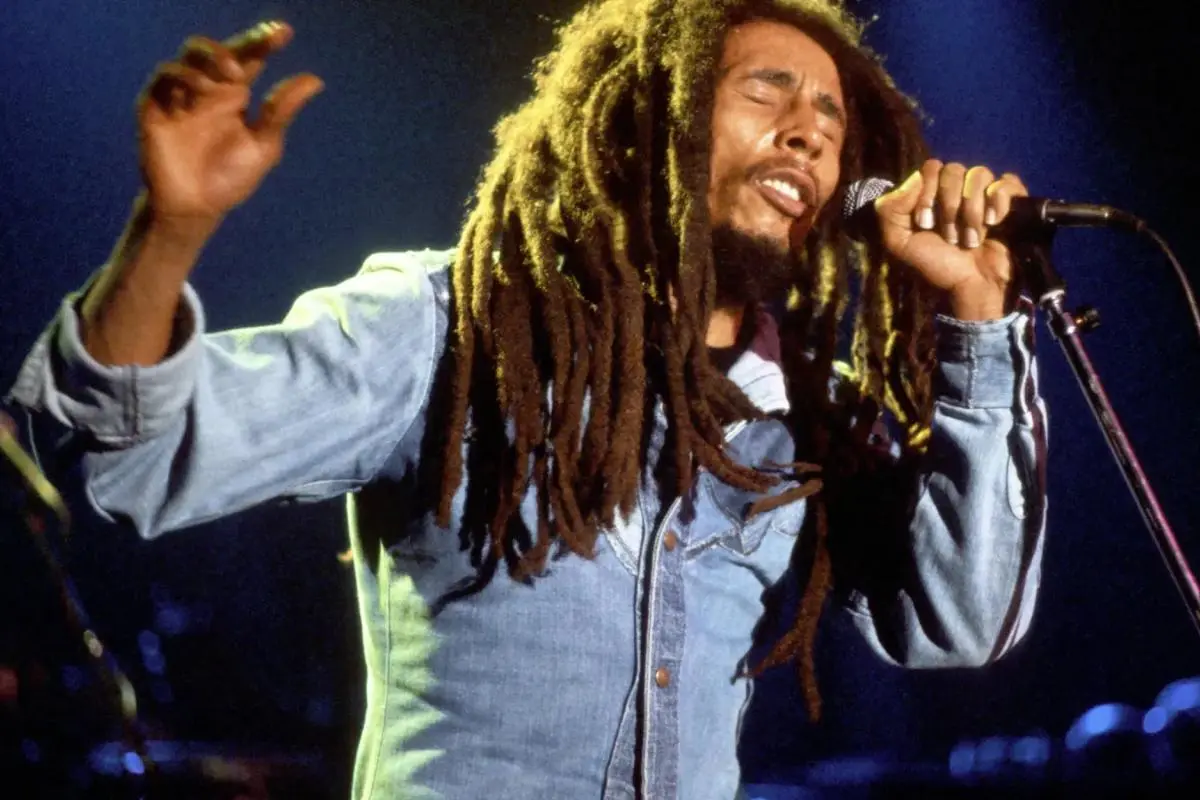
Marley’s international breakthrough is tied to Island Records and the 1973 album Catch a Fire. For rock audiences abroad, Island positioned The Wailers not as a novelty “island act,” but as a band that could sit on the same shelf as guitar-driven rock. That framing helped reggae cross a cultural border that often blocks Black and Caribbean music from being treated as “album artist” material.
It also introduced a new kind of Marley: not just a singer on singles, but a frontman with a full-length statement. The album’s reach helped translate Jamaican lived experience into a global language of struggle and survival—something you can see in how Catch a Fire is presented in Marley’s official discography.
Exodus: when Marley became more than a star
Four years later, Exodus (1977) amplified everything. The record is widely treated as one of Marley’s defining works, and it is easy to hear why: it balances spiritual urgency with pop-level accessibility. Even the tracklist reads like a mission plan.
| Album | Year | Why it mattered |
|---|---|---|
| Catch a Fire | 1973 | Helped introduce The Wailers as an international album act. |
| Exodus | 1977 | Solidified Marley’s global identity and message-driven songwriting. |
| Legend | 1984 | Posthumous compilation that became a long-term gateway into Marley’s catalog. |
“Jamming,” “Three Little Birds,” and “One Love” became something bigger than hits: portable mantras. Marley’s trick was that the hooks were friendly enough for radio, but the worldview behind them remained uncompromising.
Rastafari, dreadlocks, and the politics of being seen
Marley’s image was never just fashion. Dreadlocks and Rastafari identity made him instantly recognizable, but also controversial in contexts where Black spirituality was misunderstood or mocked. In many countries, he was marketed as a relaxed weed icon, a safe “good vibes” poster for dorm rooms.
That is the sanitized version. The harder version is that Marley’s work is loaded with resistance: critiques of oppression, calls for liberation, and a deep insistence that spiritual awakening and political freedom are linked. UNESCO’s framing of reggae emphasizes its role in social commentary and resistance, not just relaxation.
“Reggae music of Jamaica… having originated within a cultural space that was home to marginalized groups… became a vehicle for social commentary.”
UNESCO Intangible Cultural Heritage (description of reggae music of Jamaica)
The 1976 shooting: the moment Marley refused to be intimidated
In December 1976, Marley survived an attack at his home during a violently tense political period in Jamaica. He was wounded, yet he still appeared at the “Smile Jamaica” concert shortly after. The message was loud: you can threaten the man, but not the idea.
Rock & Roll Hall of Fame’s profile of Marley notes he was “born in the Jamaican ghetto” and made music that was politically powerful. That political power was not theoretical. In Jamaica, music and politics had a direct line, and Marley’s visibility made him a target as much as a hero.
The “unity” message wasn’t soft, it was dangerous
Modern audiences sometimes treat “One Love” as background music for commercials and weddings. Marley’s unity message was not background. In a divided society, “unity” is an accusation. It implies that division is manufactured and profitable, and that ordinary people are being played.
That’s why Marley’s most optimistic songs still feel like resistance songs. Hope, in his catalog, is a strategy, not a mood.
Was Marley really told he’d never make it?
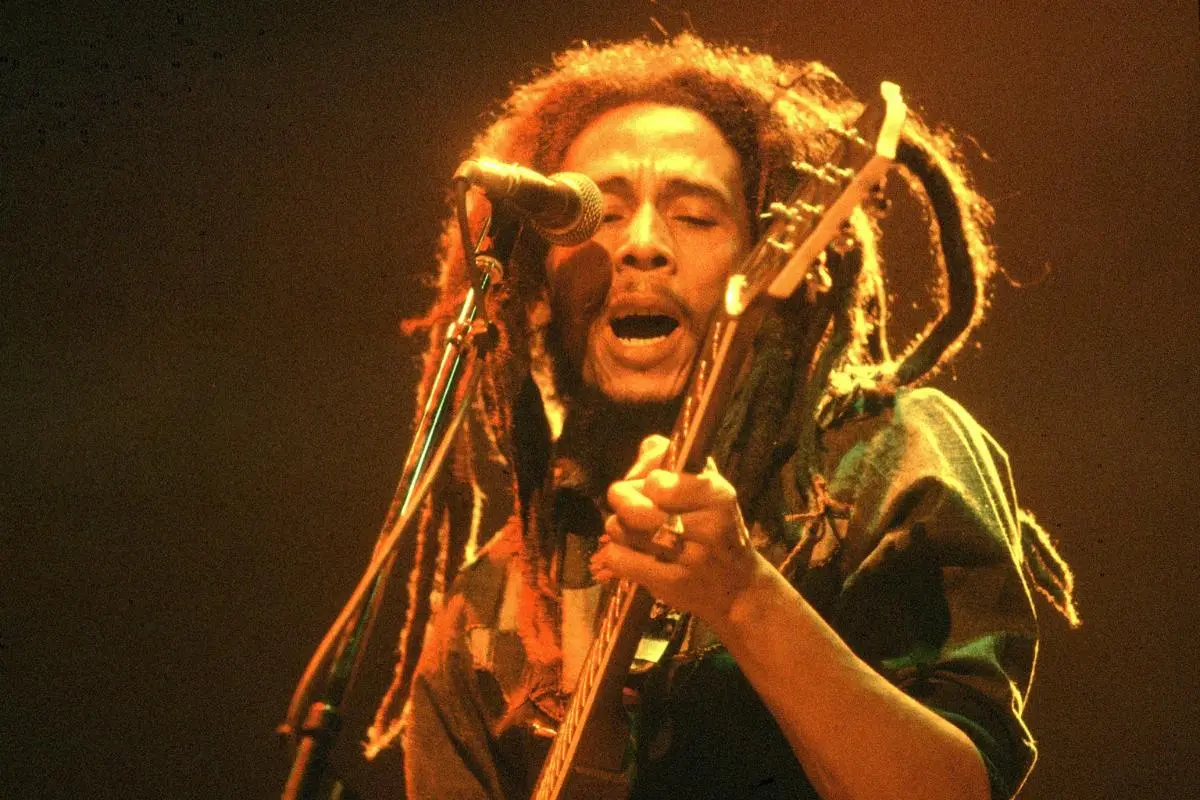
The exact line gets repeated because it fits the arc: underestimated genius proves the world wrong. While specific early put-downs are difficult to verify in a single primary quote, the broader reality supports the sentiment. Reggae was a Jamaican sound with limited infrastructure, and global music business expectations were stacked against artists outside the US-UK pipeline.
What Marley “proved” was not just talent. He proved that a local music can become a global language without losing its soul. That is rarer than a hit record.
Why Marley still matters (especially if you think you’ve “heard it all”)
Marley’s catalog still lands because it solves a modern problem: people want meaning without lectures. Marley delivered meaning with melody. He could speak to spiritual hunger, political rage, and everyday heartbreak in the same three-minute song.
Practical listening guide: 5 tracks, 5 different Marleys
- For joy with backbone: “Jamming”
- For calm that is earned: “Three Little Birds”
- For mass-singalong unity: “One Love”
- For militancy and warning: explore his protest-oriented cuts beyond the radio staples
- For the full gateway: Legend as a map, then go deeper into the albums.
Rolling Stone’s career-spanning song selections also show how deep the bench really is: Marley was not a one-era wonder, and his best work was not limited to the most quoted choruses.
Conclusion: the global face of reggae, and the cost of being a symbol
Bob Marley did not just popularize reggae; he made it feel necessary. He turned a Jamaican rhythm into a worldwide movement by insisting it could carry unity, love, and resistance in the same breath. If you only know him as a “vibes” icon, you are missing the point.
Marley’s real legacy is that he made hope sound like a demand. And in any era, that is the kind of music authorities fear and ordinary people keep close.