Tina Turner did not simply sing songs. She turned them into events – sweaty, loud, and emotionally direct enough to make an arena feel like a confession booth. From the Ike & Tina Turner years to her solo reign, she fused choreography, raw vocal grit, and fearless storytelling into a performance language that modern pop still speaks, as chronicled by the Rock & Roll Hall of Fame’s overview of her career.
Rolling Stone once summed up her impact with a line that lands like a kick drum: Turner injected “an uninhibited, volcanic stage presence into pop,” and her influence ran from Mick Jagger to Mary J. Blige, and from Janet Jackson to Beyoncé in its profile of Tina Turner among the greatest singers. That’s not hype. It’s a map of what popular performance became after Tina showed the world what “owning the stage” actually looks like.
The Big Idea: Tina Turner Made Performance a Contact Sport
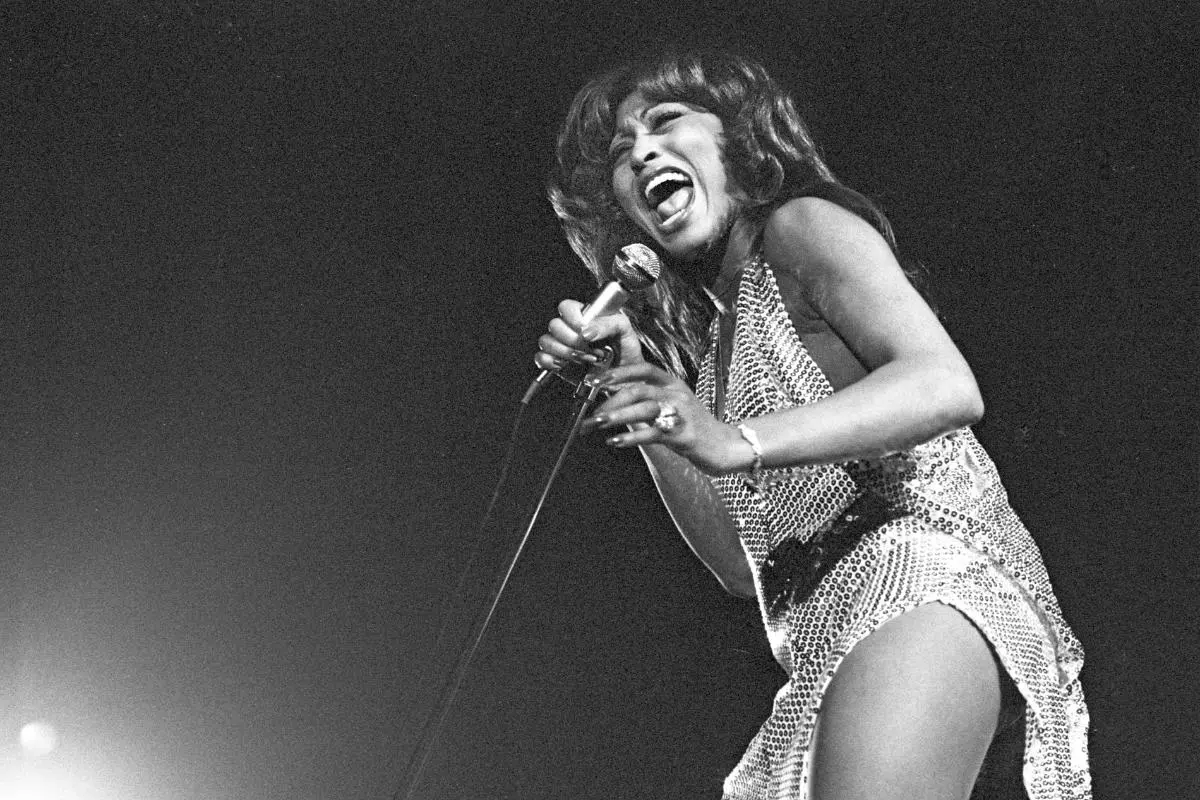
Many great singers can hold a note. Turner made you feel like the note was holding you. She didn’t rely on perfect polish so much as total commitment: every lyric got a physical translation, every chorus came with movement that looked less like “dance steps” and more like survival.
That’s why her best shows are remembered like natural disasters. The pace was relentless, the energy was high-risk, and the audience wasn’t watching a pop star being “presentable.” They were watching a person detonating in real time.
From Ike & Tina to Solo Titan: The Unreined Performer
The Ike & Tina Turner Revue is essential context because it reveals two core elements: discipline and heat. The show was famously tight, with choreography and an ensemble designed for impact, but Tina’s presence still looked barely containable. Even inside structure, she read as ungovernable.
That tension between control and eruption is the secret sauce. Lots of acts are choreographed; fewer acts look like they might burst through the choreography and still land on the beat.
The “backup singer” problem she solved
In pop history, choreographed backing vocalists can dilute a lead’s personality. Turner did the opposite: she used the visual frame to amplify herself. The Ikettes (and later, Turner’s solo touring singers) weren’t there to make her seem bigger. They were there to prove she was the center of gravity.
“My songs are a little bit of everybody’s lives who are watching me. You gotta sing what they can relate to… The world is not perfect. And all of that is in my performance…”
– Tina Turner, quoted in Rolling Stone
Her Voice: The Grit That Made Rock Believe Her
Turner’s vocal identity sits at a crossroads where rock, R&B, and soul stop arguing and start agreeing. She could rasp without losing pitch center, and she could shout without turning the sound into noise. That “edge” wasn’t an effect; it was a delivery system for urgency.
What made it revolutionary is that she brought that urgency into pop contexts that often demanded sweetness or restraint. Instead, she gave pop a voice that sounded lived-in – a voice that implied the singer had survived the lyric.
Three vocal habits that singers still copy
- Attack-first phrasing: hitting consonants hard, like percussion, to push the groove forward.
- Controlled distortion: using rasp as a color, not a crutch, and returning to clean tone for contrast.
- Emotional over accuracy: bending lines for meaning, even if it breaks “pretty” rules.
The Look Wasn’t Decoration: It Was Engineering
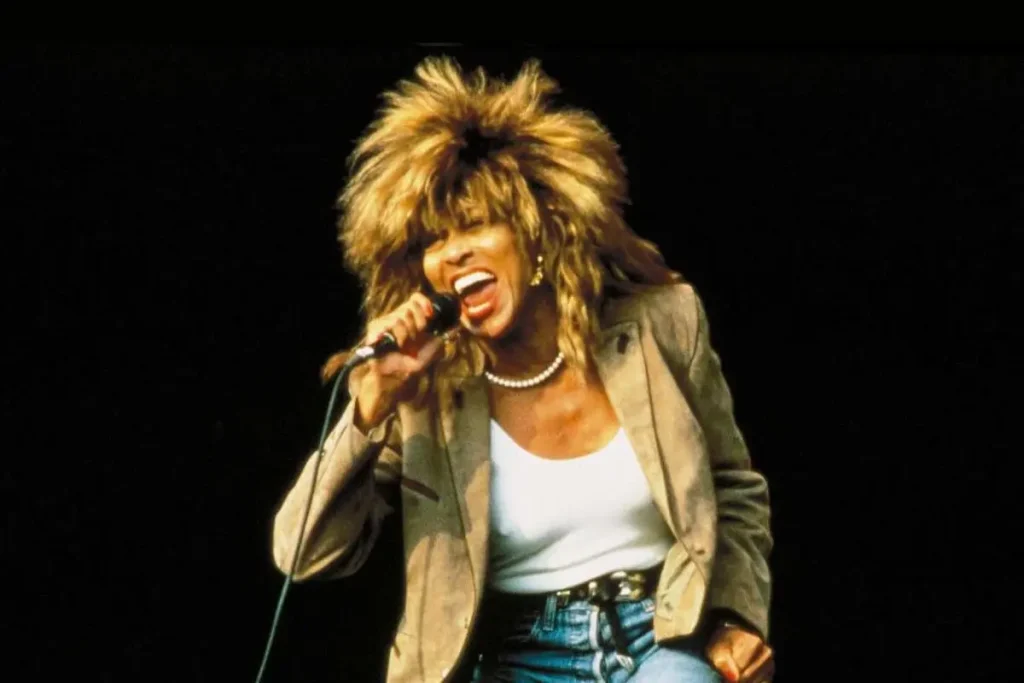
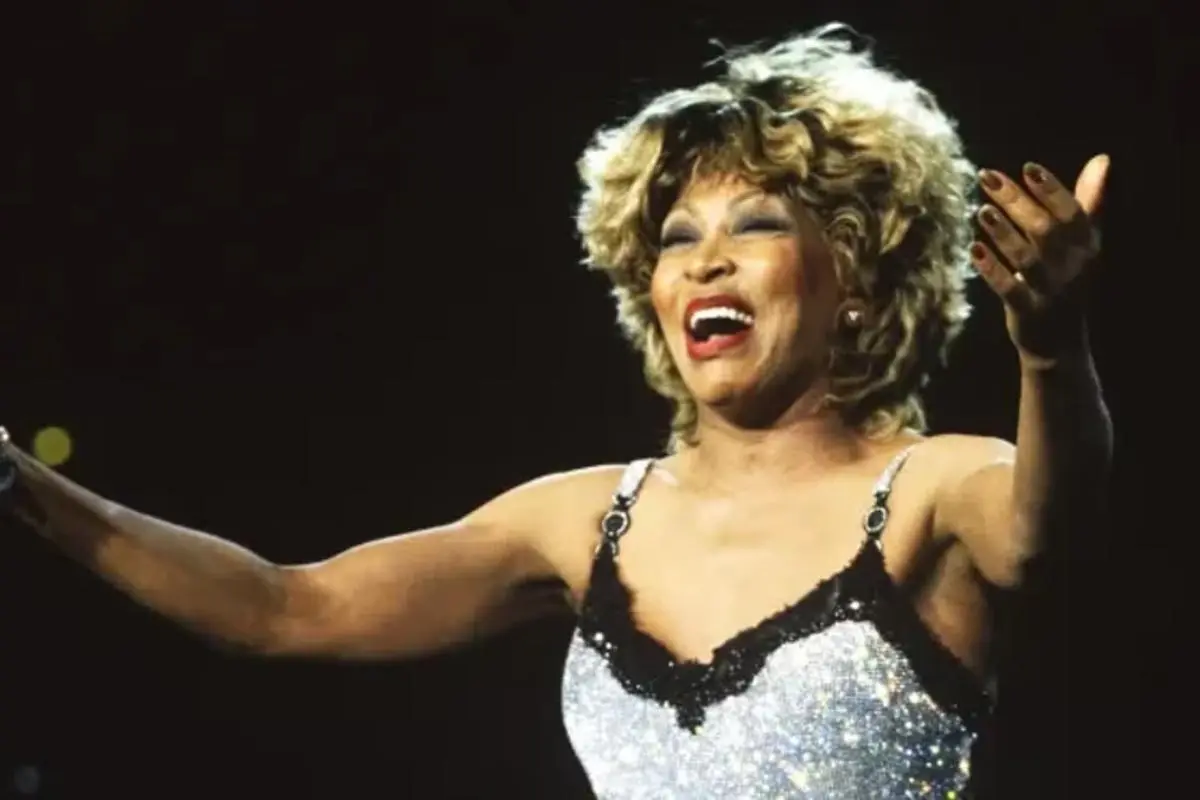
The “gravity-defying wigs” and bold styling weren’t just fashion trivia. They were stage engineering – design choices that magnified motion and attitude so the back row could read the performance. In arena-scale pop, silhouette matters as much as sound, and Turner understood that before it was a marketing seminar.
Her legs, hair, and costume lines created a kinetic signature. Even in still photos, you can sense the velocity. That’s not accidental. That’s a performer building a brand out of movement.
“I Can Hold My Own Against Any Man”: The Message Under the Music
Turner’s influence is musical, but it’s also moral. She projected a kind of strength that didn’t require permission. That mattered in rock spaces that historically handed women a limited set of roles: muse, sweetheart, victim, or ornament.
Instead, she performed power as something earned and defended. The stage became a public argument: a woman could be loud, physical, sexual, and dominant without turning into a punchline or a footnote.
Why her “acting” comment is so revealing
In the Rolling Stone quote, Turner describes performance as a role the audience can mistake for the whole person. That’s a sharp observation about fame: if you perform intensity every night, people stop thinking it’s a craft and start thinking it’s your entire identity.
In other words, she understood the cost of being iconic. The scar wasn’t only what she lived through. It was what she had to repeat onstage to make the world believe the story.
Influence: The Line From Tina to Beyoncé (and a Lot of Rock Frontmen)
Influence is often talked about like a vibe. With Turner, it’s more like a blueprint: how to move, how to attack a lyric, how to keep the band chasing you instead of the other way around.
The Rock & Roll Hall of Fame, which inducted Turner as a solo artist in 2021, frames her as a singular figure who helped shape rock history across multiple eras. That matters because it places her not as “a great singer who crossed over,” but as a core architect of the rock performance tradition.
Here’s what later stars borrowed (sometimes without saying so)
| Tina Turner hallmark | What it became in modern pop/rock |
|---|---|
| Full-body phrasing (movement glued to vocal accents) | Choreo that serves the vocal, not the other way around |
| Rasp + clarity (grit without losing musical control) | “Belting with texture” as a mainstream pop standard |
| Relentless pacing (no dead air, no coasting) | Concerts built like athletic endurance tests |
| Big silhouette (hair, legs, costume lines) | Instant-recognizable stage identity at arena scale |
Numbers, Proof, and Cultural Weight
Turner’s legacy is emotional, but it’s also measurable. Her Billboard chart history shows sustained impact across decades, including major solo-era success. And RIAA certifications show how deeply her work traveled into households, not just headlines.
Rolling Stone’s canonical singer list places her in the upper tier of vocalists, reflecting how critics and musicians hear her as a once-in-a-generation instrument, not merely a charismatic star.
How to Study Tina Turner (Without Just Copying the Wig)
If you’re a singer, bandleader, or even a casual fan trying to understand what “great live performance” means, Turner is a masterclass. Don’t start with the costumes. Start with intent.
A practical listening and watching checklist
- Listen for the “push”: where she leans ahead of the beat to create urgency.
- Track the dynamics: she doesn’t stay at 10. She earns 10 by building from 6 to 8 to 11.
- Watch transitions: how she moves between singing, speaking, and commanding the band.
- Notice breath strategy: she chooses lines to punch and lines to ride, balancing stamina and drama.
For a vivid snapshot of her live authority, “Proud Mary” live demonstrates how she could turn a familiar song into a controlled riot through tempo shifts and physical storytelling.
The Edgy Truth: Tina Made “Pretty” Feel Weak
Here’s the provocative claim that holds up: after Turner, a certain kind of “nice” stage presence started to feel like underperformance. Not because everyone needed to be feral, but because she exposed a higher standard of honesty. If the lyric says fire, you can’t deliver it like warm tea.
That’s why she looms over so many genres. Rock respected her because she hit like a rock act. R&B respected her because the phrasing was in the blood. Pop respected her because she built spectacle without sacrificing soul.
Conclusion: The Audience Didn’t Watch Tina, They Met Her
Tina Turner’s genius was connection. She treated songs as shared experience, not personal exhibition, and she understood the complicated cost of living inside an onstage persona. The result is a legacy that still trains performers: bring discipline, bring heat, and never ask permission to take up space.