Big Ears Festival has never been a classic-rock theme park. It is the kind of weekend where you can drift from a cathedral show to a warehouse set and nobody apologizes for the whiplash.
So when Led Zeppelin’s John Paul Jones took the stage at Big Ears, it did not feel like a nostalgia act parachuting into the wrong crowd. It felt like the festival daring rock fans to remember that classic can still mean dangerous.
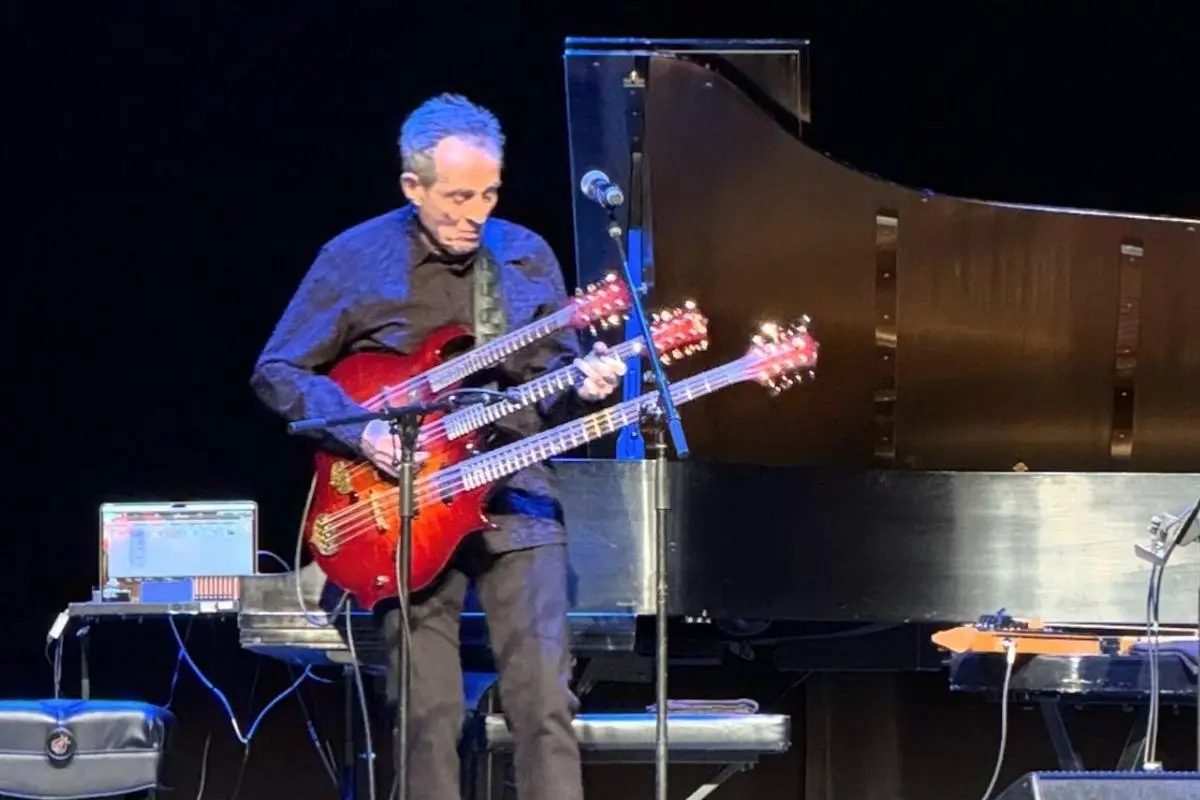
Jones answered that dare with a theatrical entrance, a pile of instruments, and a set that kept mutating in real time. For players and gear nerds, it was less greatest-hits comfort and more a masterclass in rearrangement.
The Entrance: A 1928 Wurlitzer and a Rock Star Who Knows Stagecraft
The Tennessee Theatre’s Mighty Wurlitzer is the real deal: a theater pipe organ installed when the building opened in 1928, restored, and still used in place. It is the kind of instrument built to make a single performer sound like a whole world, which is exactly why it matters at a festival like this.
Jones leaned into the theatre, rising into view at the console and opening with Your Time Is Gonna Come before sliding to the piano for No Quarter. In two songs, he proved the point: this was not a bassist playing Zeppelin, it was an arranger rebuilding Zeppelin from the inside out through his reimagined Zeppelin classics.
Why Your Time Is Gonna Come hit so hard on pipes
On the original Led Zeppelin recording, the song already starts with Jones on an organ intro, played on a Hammond M-100. Big Ears simply enlarged that idea until it filled the room, turning a familiar opening into something closer to a ceremony rooted in the song’s organ-led arrangement.
Swapping a Hammond for a theater organ changes the physics: less bite, more bloom, and a sustain that feels like it hangs in the air. It also makes nostalgia public – you are not remembering the song alone, you are inside it with everyone else.
Want the same effect without a pipe organ? Re-harmonize or re-voice the intro of a well-known tune on your instrument, then start softer than feels comfortable and let the dynamic arc do the heavy lifting.
One Man Zeppelin: The Setlist as a Tour Through Textures
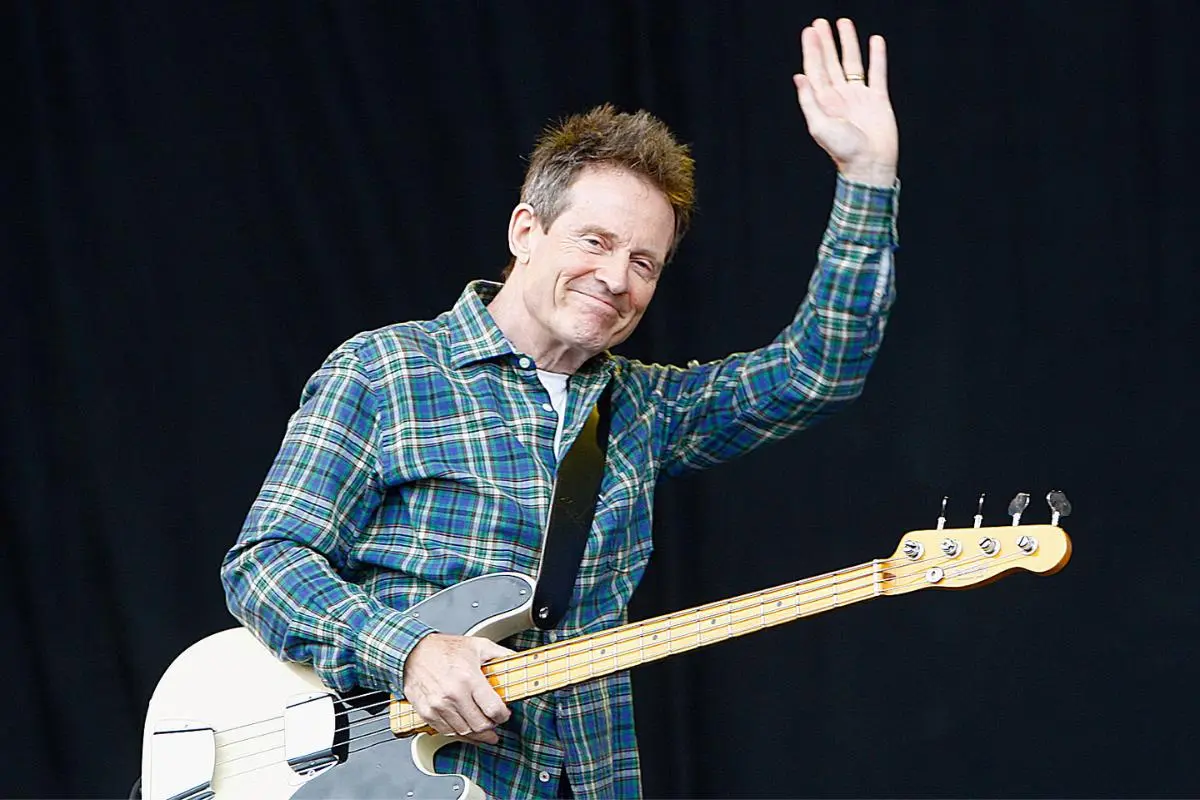
The solo set moved like a tone palette rather than a singalong, pulling from Your Time Is Gonna Come, No Quarter, Ramble On, When the Levee Breaks, Since I’ve Been Loving You, and Going to California. He also dropped in a traditional (Down to the River to Pray) and a couple of improvisations to keep the room slightly off-balance, as reflected in the Big Ears 2024 setlist.
| Song | Instrument spotlight | Why it works solo |
|---|---|---|
| No Quarter | Piano | Atmosphere survives without guitars, and the harmony becomes the hook. |
| Since I’ve Been Loving You | Piano | The blues becomes pure phrasing: touch, timing, and tension. |
| When the Levee Breaks | Steel guitar | Slide articulation can imply the stomp even with no drums. |
| Going to California | Mandolin | Strip it down and the folk DNA finally dominates. |
The genius of putting No Quarter on piano is that the song is already built on dread and space. Pull away the electric weight and you realize the chord movement is the engine, not the production tricks.
Since I’ve Been Loving You flips the challenge: it is not an effect song, it is a performance song. On keys, the guitar bends turn into rubato, and every micro-delay in your right hand becomes emotional language.
The constant instrument swaps function like edits in a film, resetting the ear before comfort takes over. Even the traditional tune acts as a reminder that Zeppelin always had folk and gospel fingerprints in the mix, whether fans noticed or not.
Why Big Ears Made This Feel Bigger Than a Zeppelin Moment
Big Ears is designed for genre-crossing by default: a multi-day, multi-venue Knoxville takeover that programs adventurous music across rock, jazz, classical, experimental, ambient, and more. In that context, a Zeppelin icon playing solo does not read as a detour – it reads as one more kind of experimentation.
At a normal legacy-rock show, the audience arrives with a script and a set of expectations about volume, pacing, and the hits. At Big Ears, the lack of script is the point, which gives a musician like Jones permission to chase texture instead of applause.
Sons of Chipotle and the Thurston Moore Wildcard: Legacy That Refuses to Sit Still
Jones also used the festival to point forward, not just backward. Sons of Chipotle, his duo with cellist Anssi Karttunen, is built around piano, cello, and electronics, and his solo concept at the festival explicitly leaned on improvisation and electronics alongside more familiar instruments.
Then the festival stacked the deck even more with a surprise collaboration between Jones and Sonic Youth founder Thurston Moore, announced as a newly proposed meeting of the minds. The message was simple: we said yes, and you should expect the unexpected.
That pairing matters because it collapses two different rock mythologies into one stage. Zeppelin represents the disciplined, arranged side of heaviness; Sonic Youth represents the glorious mess, where noise is a compositional tool and not a mistake.
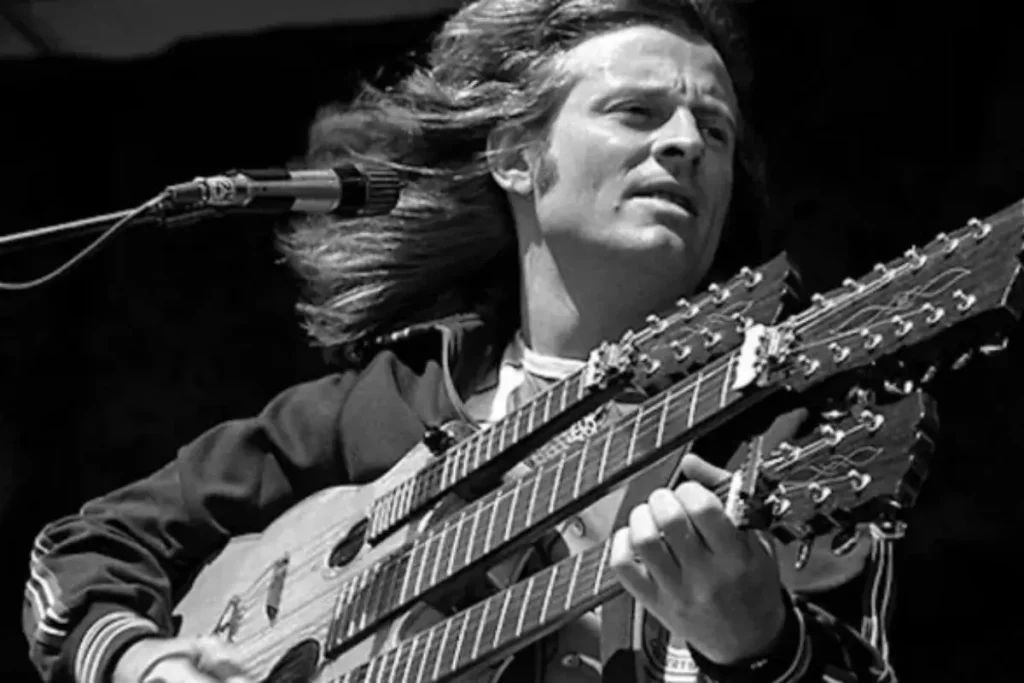
Jones has the tech vocabulary to live in both worlds, and he has been doing it for years. A detailed write-up of his Big Ears appearances notes his , used alongside bass, piano, organ, and a rotating cast of controllers and instruments.
If some fans came for nostalgia and got confronted with improvisation, that is not a failure – it is the point. A real legacy is not a museum exhibit; it is a living language, and living languages change.
What Musicians Can Steal From Jones’ Big Ears Playbook
- Re-arrange, do not replicate. Change the instrument, key, groove, or harmony so the song has to be heard again.
- Use timbre as the setlist. Let each instrument switch create a new chapter, even if the tempo stays slow.
- Pick songs that survive without vocals. If the melody and chords tell the story, an instrumental can hit harder.
- Let dynamics replace volume. A quiet intro can feel heavier than a constant wall of sound if you earn the peak.
- Invite risk on purpose. A short improvisation or loop section keeps you from playing the past on autopilot.
- Make the venue part of the tone. In reverberant rooms, sustained sounds and space can be your best effects unit.
John Paul Jones at Big Ears was proof that rock history does not have to be taxidermy. When a musician treats iconic songs as raw material and refuses the comfort of a fixed identity, the past stops feeling old and starts feeling unsettled again.
Check out the video below: