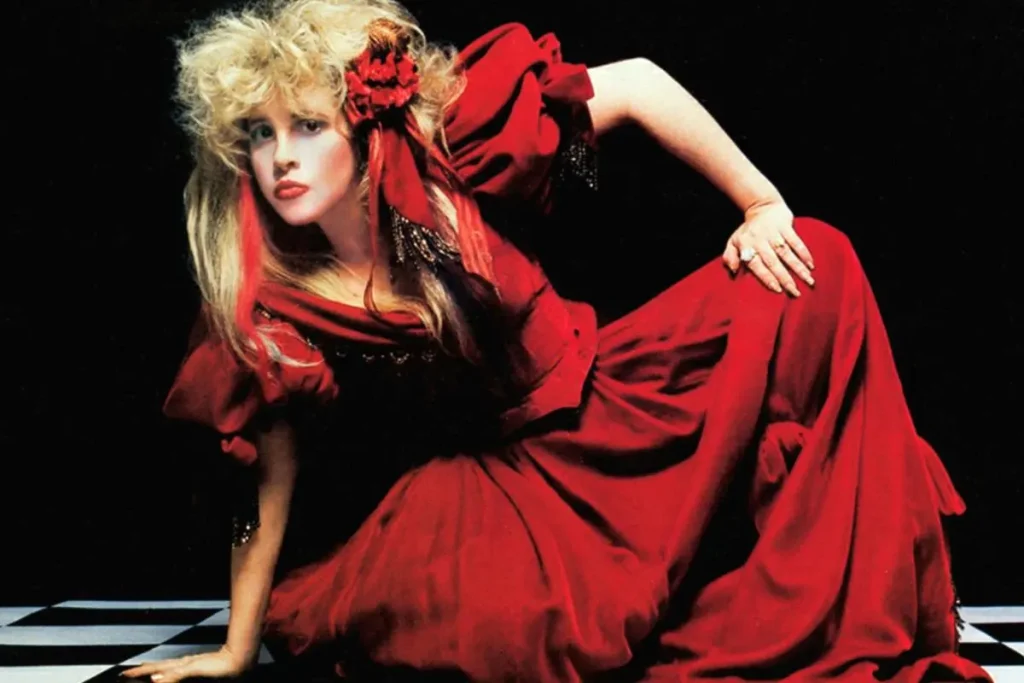
Stevie Nicks spent the late 1970s insisting on one thing: she was not a witch. She was a songwriter in chiffon who liked black clothes and gothic lyrics, not a high priestess summoning demons backstage.
In one fan‑circulated Jim Ladd radio “Innerview” from around the Tusk era, you can hear the exasperation in her voice as she complains that she hated being called a witch and had abandoned her beloved black stage outfits just to shut people up. Fast forward a few decades and the same woman is serenading a coven on American Horror Story: Coven, telling a Los Angeles Times reporter she is fearless and will not turn down an opportunity because of old nonsense.
From Rhiannon to “Welsh Witch”: How the Myth Took Hold
When Nicks and Lindsey Buckingham joined Fleetwood Mac in the mid 1970s, she arrived with a built‑in sense of drama. Songs like Rhiannon and Sisters of the Moon cast women as supernatural, windblown figures who were powerful, elusive and slightly dangerous.
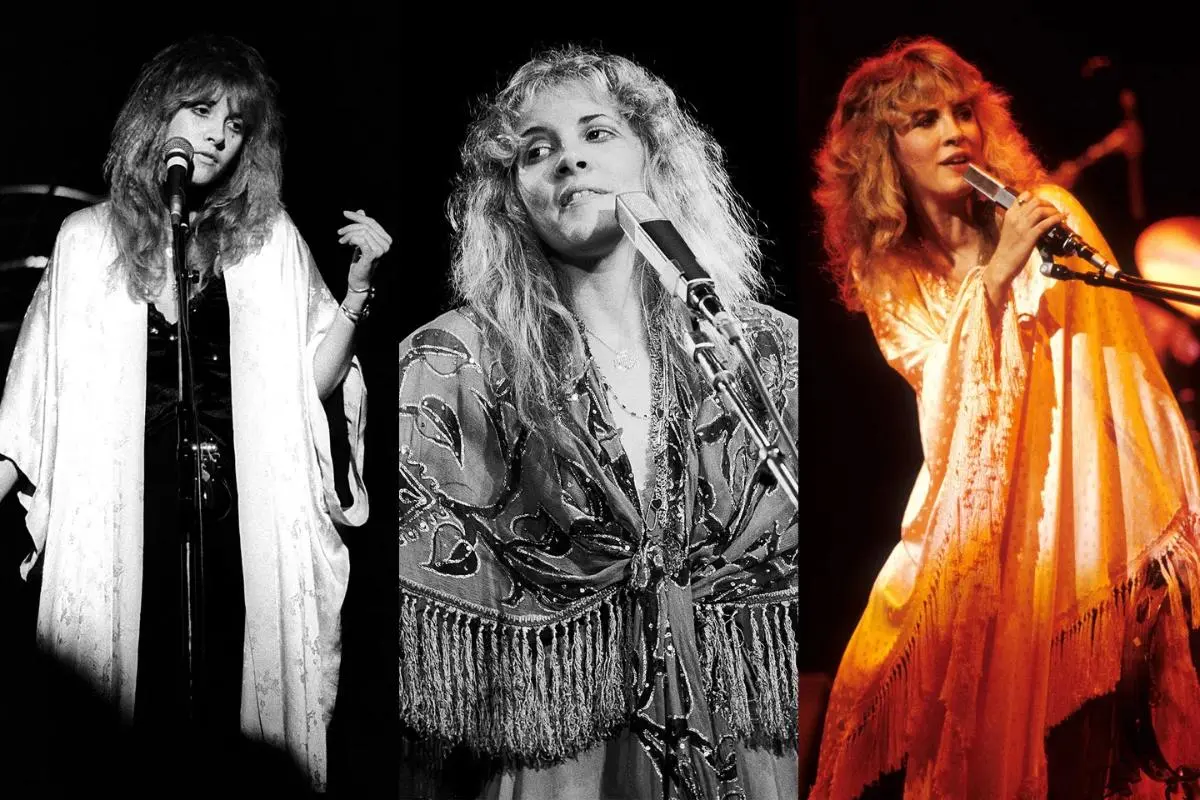
On stage she twirled in flowing shawls, lace and platform boots, often introducing Rhiannon as a song about a witch. Married to the open‑wound heartbreak of the Rumours era, that imagery made it easy for fans to believe there was something literally magical going on in the eye contact between Nicks and Buckingham every night.
Fan Mail, Fear and the Apricot Years
The fantasy curdled once the real fan mail started landing. Lori Rackl’s reporting on the witch rumors describes Nicks receiving disturbing letters, spending “thousands of dollars on beautiful black clothes” only to stop wearing them for a long stretch because people frightened her, and dealing with so many stalkers that her lawyer was regularly in court securing restraining orders.
Entertainment Tonight later traced how she tried to defuse the hysteria by swapping her signature black for softer apricot shades and by saying flat out that she did not believe in witchcraft as any kind of serious philosophy; she just loved black clothes, moons, stars and even silly Merlin hats. In that same 1983 interview she said she had poured money into those dramatic black outfits, then had to lock them away for years because other people’s fears made the look feel dangerous to her.
That tension spills out in her late 70s and early 80s conversations with freeform DJ Jim Ladd, whose nationally syndicated show Innerview treated rock musicians like serious thinkers instead of disposable pop stars. In the Tusk‑era chats, recorded at her house with friends drifting through, she sounds half amused and half furious as she talks about “being and not being a witch” and giving up her dark wardrobe for the tour, clearly feeling hunted by a story she never authorized.
Why “Witch” Was a Weapon, Not a Compliment
It is tempting, decades later, to treat the witch label as a cute bit of rock folklore. In the cultural climate of the late 70s and early 80s, though, being a woman accused of occult practice could mean hostile mail, career blowback and real security threats, especially as the early rumblings of the Satanic Panic started to take hold.
Male rockers could flirt with pentagrams and devil jokes and walk away with a bigger mythology; a woman who looked like Nicks was far more likely to be painted as a literal danger to children and churchgoers. That imbalance is why you can hear so much anger in those early interviews whenever she snaps that she is not a witch at all, just a performer who refuses to dress like everybody’s dad.
Turning the Curse Into a Costume
Crucially, she never abandoned the mysticism in the songs themselves. In that 1983 Entertainment Tonight segment she drew a sharp line: she did not believe in witchcraft as a “natural philosophy,” but she loved black clothes, moons, stars and fantasy imagery, and she wanted to give fans a little fairy‑tale world to step into for a couple of hours.
Listen to later tracks like Storms and you can hear that strategy at work. The language sounds mystical, but what the song is really processing is the wreckage of human relationships and the feeling that you cannot go back to who you were before, not some secret coven ritual.
American Horror Story: When Stevie Finally Said “Bring It, Freaks”
By the time Ryan Murphy came calling with American Horror Story: Coven, Nicks had spent decades refusing to play literal witch for anyone. Murphy built the season around Misty Day, a swamp‑dwelling resurrection witch whose only real companions are animals, an old tape deck and her obsession with Stevie Nicks; he openly described Stevie as the only “witch” Misty has ever known and built a full episode around her arrival.
Murphy later explained that when he first called, Nicks was “very resistant” because, from the beginning of her career, people in the Wiccan world and beyond had given her a hard time, sending exactly the kind of frightening letters that had already pushed her into apricot. He says that after he laid out the part and what it meant to the story, she finally laughed and replied, “Aw, let’s just do it. OK, I love it.”
Once she committed, she did not settle for a cute walk‑on. In a Vulture interview she recalled the first wave of “witchy weirdos” mail back in 1977, the year she briefly shifted into red, green and salmon outfits, and said she ultimately viewed the Coven appearance as being Misty Day’s only real friend and “blanket” rather than an endorsement of spell‑casting or Wicca.
Yvonne Villarreal’s Los Angeles Times interview catches the real turning point. Nicks laughs about the “wacky, creepy” people who once wrote to tell her she was a witch, remembers giving up black for about a year, then describes deciding, in effect, “bring it, freaks” and insisting she would keep wearing her beautiful long black dress, adding that she is now too old, too battle‑tested and, in her own word, “fearless” to turn down a role like this.
From Panic to Power: A Quick Timeline
| Year | Moment | Stevie’s response to “witch” talk |
|---|---|---|
| Mid 1970s | Joins Fleetwood Mac, writes Rhiannon, introduces it on stage as a song about a witch. | Leans into a mystical stage persona, but treats it as storytelling, not religion. |
| Late 1970s | Rumors of witchcraft explode as fan mail turns dark and obsessive. | Becomes frightened, starts phasing out black clothes and gothic trappings. |
| Early 1980s | On TV and radio she insists she does not believe in witchcraft, just loves fantasy and black lace. | Spends a “lost” period in pastels and apricot, then quietly drifts back to black. |
| 2013 | Murphy builds Coven around Misty Day’s obsession with Stevie Nicks. | Initially resists a cameo, then agrees after hearing the story of a misfit who clings to her music. |
| 2014 | Appears as herself on The Magical Delights of Stevie Nicks and later returns in the finale. | Publicly declares herself fearless, effectively reclaiming the witch myth on her own terms. |
Conclusion: The Witch Who Never Was
Seen end to end, the arc is almost too on‑the‑nose. A young woman is punished for her aesthetic, forced into apricot to stay safe, then comes back decades later and plays a high‑budget version of the same character on her own terms.
It explains why so many listeners, especially women, cling to her songs about strange, powerful outsiders. Whether she is singing Rhiannon, Storms or the aptly titled Ghosts, the subtext is that being called a witch is often just shorthand for being a woman who scares the right people.
So when Nicks tells a nervous interviewer that you have to be fearless in life and never be afraid of anything, she is not only talking about a guest slot on a horror show. She is speaking as someone who lived through a very real witch hunt, and who finally learned how to turn other people’s superstition into her own kind of magic.