
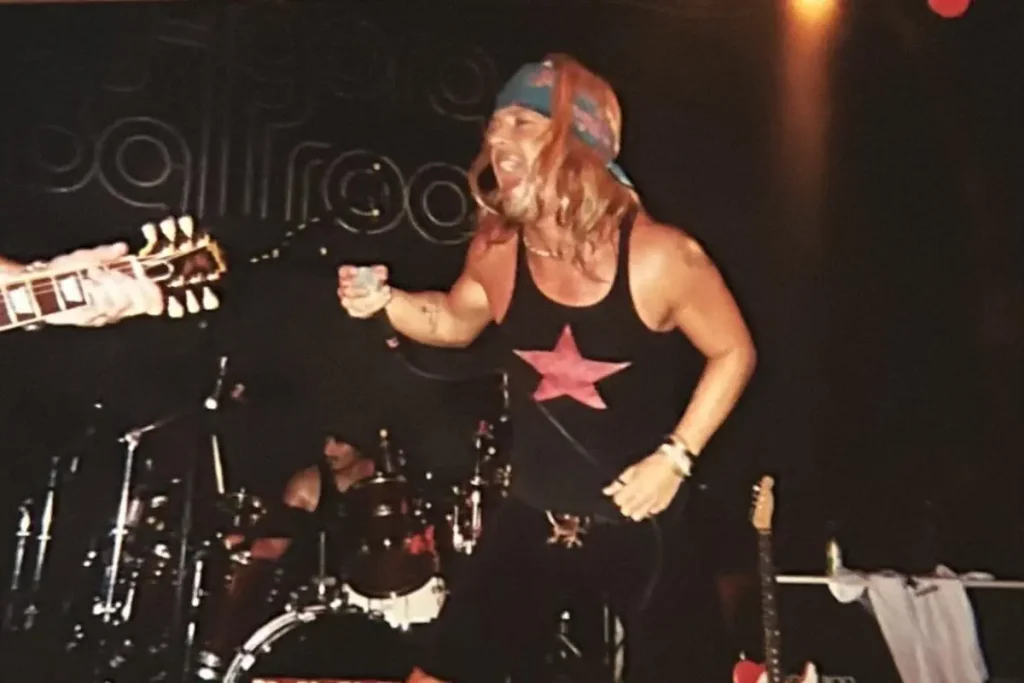
If you freeze Bret Michaels in your mind, he is probably onstage in a bandanna and eyeliner, barking into the mic while Poison tears through a chorus and fireworks spit behind him. For a stretch of the late 80s, this cross between a cowboy and a cartoon villain helped turn a scrappy bar band into one of hair metal’s most visible hit machines.
That larger-than-life character did not appear out of nowhere. Michaels built him the hard way – as a chronically ill, working-class kid who refused to act fragile, then as a hustling frontman willing to out-flyer, out-flirt and outwork every other pretty boy on the Sunset Strip.
From Butler to Mechanicsburg: a working-class start
Bret Michaels arrived on the planet as Bret Michael Sychak in Butler, Pennsylvania, the son of Wally and Marjorie Sychak. A Carpatho-Rusyn heritage site later traced his roots and proudly listed him as a prominent Rusyn-American who would go on to front the multi-platinum rock band Poison.
His family eventually settled in Mechanicsburg, a decidedly un-glam central Pennsylvania town where the future MTV star grew up in cramped apartments, not mansions. On his official site, Michaels has posted “then and now” photos standing on the same apartment stoop, joking about the bowl haircuts, hand-me-down clothes and mismatched bargain-bin shoes he and his sister wore as kids.
Living fast with a chronic illness
Underneath the cheap sneakers, something more serious was going on. At six years old Michaels spent weeks in the hospital and came home with a diagnosis of Type 1 diabetes, the autoimmune version that demands constant insulin shots, blood tests and food calculations just to stay upright. A later profile aimed at people with diabetes recounts how he mostly kept it quiet until he collapsed onstage at Madison Square Garden from severe low blood sugar, then finally began talking openly about testing his levels side-stage and keeping sports drinks stashed near the monitors.
The condition never went away, it just became part of the job description. In a recent interview, he described finishing a show with his blood sugar plunging into dangerous territory, then admitting to fans that he might have to tame his “insane” touring schedule rather than pretend nothing happened. It was a rare crack in the superhero pose, and a reminder that the guy whipping the crowd into a frenzy is still the same kid who learned to inject himself before he learned to drive. That scare also pushed him to be more public about balancing health and work.
Discovering his voice: from high school bands to Paris
Diabetes did not stop him from falling hard for loud guitars. A fan-compiled discography notes that at Mechanicsburg Area Senior High he was obsessed with KISS, Sweet, AC/DC and Aerosmith, and quickly started forming bands that played any VFW hall or bar that would have them. Those early projects eventually hardened into a more serious outfit called Paris, with Michaels up front and a growing stash of original riffs sneaking in between the covers.
By most accounts he was less a guitar hero than a natural ringleader. Even in these bar-band days he was the one hustling for gigs, charming club owners, plastering posters and dragging crowds along with sheer enthusiasm, while bandmates worried about whether the solos were perfect. The seeds of the Poison frontman were already there: big smile, bigger hustle, and zero shame about selling the fantasy.
Gambling everything on Los Angeles
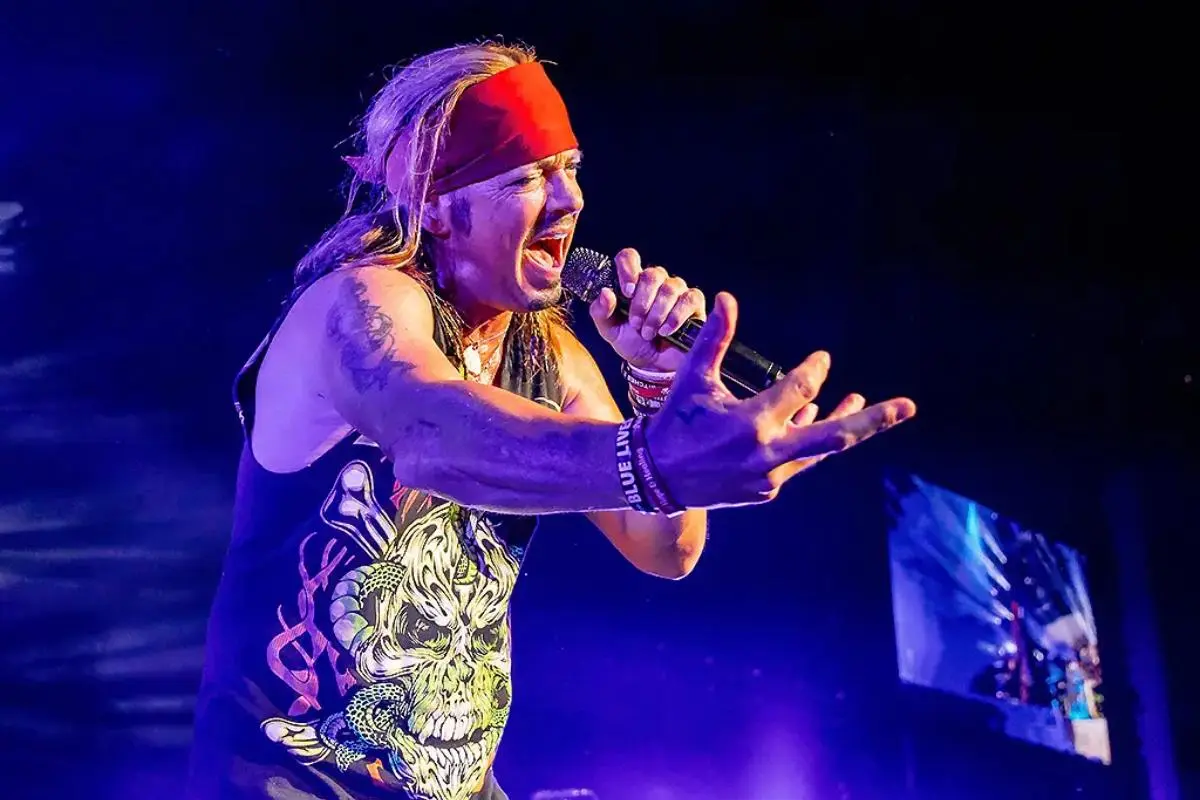
Paris featured the core that would become Poison – Bret Michaels on vocals, Rikki Rockett on drums, Bobby Dall on bass and Matt Smith on guitar – grinding out sets across Pennsylvania. Rock historians have detailed how, after paying their dues on the local cover circuit, the band decided they had hit the ceiling at home, switched their name to Poison and drove west to chase a record deal on the Sunset Strip. Those moves set the stage for the debut that would define their sound.
They were not chasing ghosts. The Strip in the mid 80s was ground zero for glam metal, with places like the Whisky a Go Go, the Roxy and Gazzarri’s serving as both proving grounds and circuses. A Know Your Instrument deep-dive on the period paints a picture of neon lights, packed sidewalks and an arms race of riffs, hairspray and hedonism that turned club shows into full-contact sport.
One reminiscence about that first arrival has Michaels rolling down Sunset Boulevard, past the Whisky, the Roxy and the Rainbow, staring at sidewalks so jammed with teased hair and spandex that he blurted out a stunned “holy” expletive. For a pack of small-town kids used to Pennsylvania bar crowds, it was like landing on another planet where everyone already looked like a star. That sense of culture shock echoes stories from fans and musicians remembering the glam-rock bars of the Sunset Strip.
From roach motels to record deals
The reality behind the eyeliner was uglier. An anniversary piece on Poison’s debut recalls the band crammed into a roach-infested one-bedroom they could barely afford, surviving three lean years while labels chased the next Duran Duran instead of another gang of rowdy rockers. Eventually they took a modest independent deal with Enigma, brought in C.C. DeVille on lead guitar, and cut a low-budget album called “Look What the Cat Dragged In” that would quietly become a multi-platinum glam-metal landmark.
Nothing about that ascent was effortless. In a recent docuseries on 80s hair metal, Michaels describes staying up all night blanketing the Strip with neon-green flyers, then rolling up to the Whisky in a beat-up, windowless Chevy while rival bands arrived in rented limos. According to that account, the band poured every dime into printing and promo, turning cheap paper and raw hustle into a signature color and, eventually, packed houses.
Why Bret was always the frontman
If you strip away the Aqua Net, Bret Michaels’ real weapon was not his range, it was his relentlessness. Managers and journalists from the era have often noted that Poison’s music was simple but ruthlessly catchy, and that Michaels treated performance like a full-contact sport – spinning mic stands, working every inch of the stage and keeping eye contact glued on whoever was farthest from the bar.
In a scene full of technically stronger singers, he leaned into personality and connection. He would talk directly to the cheap seats, crack self-deprecating jokes about his own image, then flip into full sex-symbol mode for the power ballads. That combination of bar-band accessibility and shameless rock-star theater made it almost inevitable that, whatever lineup changes swirled around him, he remained the face and voice of Poison.
| Year | Location | Band name | Michaels’ role |
|---|---|---|---|
| Late 1970s | Mechanicsburg, PA | High school bands | Teen vocalist and organizer |
| Early 1980s | Pennsylvania bar circuit | Paris | Lead singer, songwriter, gig hustler |
| Mid 1980s | Hollywood Sunset Strip | Poison | Frontman, co-writer, promo mastermind |
| Late 1980s onward | Worldwide tours | Poison & solo band | Stadium-level frontman and brand |
Power ballads, bar fights and an unlikely household name
Poison’s first big wins played directly into Michaels’ strengths. The debut album’s party anthems made him the smirking ringleader of every Friday night kegger on MTV, but it was the power ballad “Every Rose Has Its Thorn” that turned him into a reluctant confessional songwriter. In a Dallas interview he recounted writing the song alone in a laundromat after a gig, heartbroken from a phone call that confirmed his girlfriend was cheating, scribbling lyrics while his only clean clothes tumbled in the dryer.
The contrast was pure Bret Michaels: a guy who would smash beers onstage one night and then bleed out a vulnerable acoustic song the next, as if daring tough-guy fans not to feel anything. It was that mix of barroom bravado and blue-collar heartbreak that let Poison slip from rowdy club band to pop chart regulars without completely losing their edge, at least until grunge arrived to wipe eyeliner off mainstream rock for a while.

Legacy: a survivor in guy-liner
Plenty of glam singers flamed out when the trends turned, but Michaels doubled down on being a survivor. He built a solo career, leaned into reality TV, and kept touring with Poison even after strokes of terrible luck that would have ended most people – from car wrecks and brain hemorrhages to onstage medical emergencies tied to his diabetes.
Today his public persona is part showman, part motivational speaker: a guy who still swings the mic stand like it is 1988, but also tells fans in detail about juggling insulin, exhaustion and aging while refusing to quit. That tension is exactly what makes his story compelling. Bret Michaels did not become Poison’s frontman because he was the most technically flawless singer of his generation; he became – and stayed – that frontman because he treated rock stardom like a street fight he refused to lose.


