There are music-history moments that feel like myth until you remember they happened to real people in real weather, on real roads, with real exhaustion in their bones. On February 3, 1959, a small plane lifted off near Clear Lake, Iowa, and within minutes crashed into a frozen field, killing Buddy Holly, Ritchie Valens, J.P. “The Big Bopper” Richardson, and pilot Roger Peterson. It became “The Day the Music Died.”
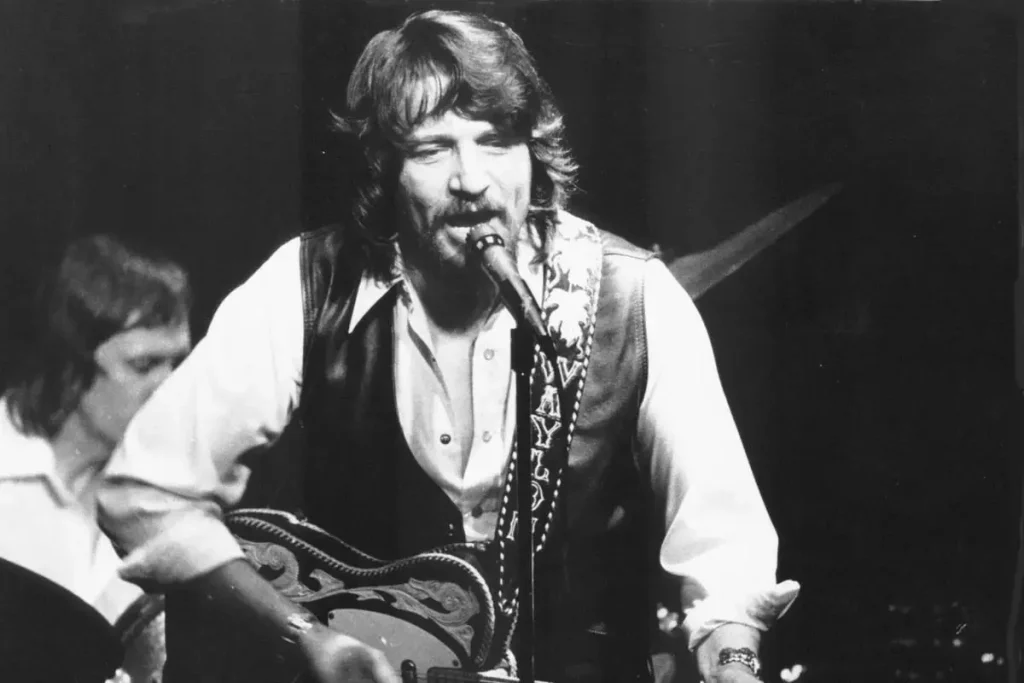
Waylon Jennings was supposed to be on that flight. He was traveling with Holly as part of the Winter Dance Party tour, but he gave up his seat and stayed behind. That single, casual decision created one of the most haunting “what if” stories in American music, and it shadowed Jennings for decades.
The Winter Dance Party: the tour that ran on fumes
To understand the seat swap, you have to understand the grind. The Winter Dance Party wasn’t a glamorous rock caravan. It was a punishing Midwestern run booked through deep winter, with long bus rides between one-night stands and equipment packed in and out like a factory shift.
The logistics were brutal enough that Holly decided to charter a small plane so he could arrive ahead of the band, sleep, do laundry, and stop living like a half-frozen sardine on a bus. That decision wasn’t rock-star excess. It was survival math.
History’s version of the tour is anchored by the Clear Lake stop at the Surf Ballroom’s documented history, a venue that still keeps the setting grounded: this wasn’t a fantasy stage, it was a real room in a real town that happened to host the most infamous “last gig” in rock and roll.
Why a small plane? The unglamorous reason: heat and time
Accounts of the tour often circle back to the same detail: the bus’s heater had issues, and the travel schedule was punishing. A charter flight was a way to leapfrog misery, not chase luxury. The crash record itself, preserved in the Aviation Safety Network accident description, lists the aircraft as a Beechcraft Bonanza and places the tragedy squarely in the practical world of aviation and conditions.
The next stop was Fargo, North Dakota. Time mattered, comfort mattered, and Holly’s band had reached the point where a few hours of sleep felt like a medical need.
The seat swap: how Waylon Jennings ended up staying on the ground
Here’s the core fact: Jennings gave up his seat, and The Big Bopper took it. On paper it reads like a simple trade, the kind musicians make all the time: you feel sick, you want warmth, you want a break, you want to avoid another night on a miserable bus.
Richardson had been ill during the tour and wanted to fly rather than ride. The trade happened, and the lineup of who boarded the plane became one of those microscopic choices that rearranged music history.
Within minutes of takeoff, the plane went down. The FAA’s accident summary for aircraft registration N3794N captures the hard-edged framing that music lore sometimes softens: this was an aviation accident, not a metaphor.
“The Day the Music Died”: what is fact, what is legend?
The phrase “The Day the Music Died” is so famous it can blur the specifics. One useful reality check is the way mainstream historical timelines describe a crash after departing Clear Lake that killed Holly, Valens, and Richardson, quickly becoming a cultural shorthand for lost potential and a turning point in early rock and roll.
Even Wikipedia’s overview of the names, location, and basic chain of events can be helpful for quickly cross-checking the basics that made the date immortal in popular culture.
The cruelest footnote: jokes, last words, and lifelong guilt
One reason Jennings’ story cuts so deep is how ordinary it started. Seat swaps, teasing, backstage one-liners. Then a field in Iowa and three headstones worth of silence.
Many retellings include a well-known exchange: after Jennings gave up his seat, Holly teased him about taking the bus, and Jennings shot back with something like “Well, I hope your ol’ plane crashes.” Whether every syllable lands exactly as quoted in memory, the emotional reality remains: Jennings believed he’d fired off a line that the universe later turned into tragedy.
That’s the kind of thing that can rot a person from the inside. It’s also why the story has endured: it’s not just fame and death, it’s the everyday human mess of words you can’t un-say.
What survivor’s guilt does to a musician
Survivor’s guilt doesn’t always look like tears in a dressing room. Sometimes it looks like work. Jennings didn’t quit music. He kept going, but the weight of being “the guy who gave up the seat” became part of his personal mythology, whether he wanted it or not.
It’s tempting to tell this story as if Jennings’ later outlaw swagger somehow cancels out the pain. It doesn’t. In fact, you could argue the opposite: the outlaw pose can be read as armor, a way to live loud enough to drown out the quieter, nastier voices in your head.
A biographical sketch of Buddy Holly’s career arc is a reminder that his legend wasn’t built from one night or one near-miss in someone else’s story; he had the talent and the grit to become Buddy Holly on his own terms.
How the crash changed the music, not just the headlines
When people say the crash “changed music history,” they often mean it emotionally. But it also changed it structurally. Buddy Holly, in particular, was already moving toward a model where the artist had more control: songwriting, arranging, studio decisions, band identity. His influence on the future of rock bands and singer-songwriters isn’t just a fan claim; it’s widely acknowledged, including in archival materials preserved in the Portal to Texas History that help ground the era in primary documentation.
Ritchie Valens represented another kind of future: a young Mexican American rock-and-roll star breaking through nationally, blending Latin rhythms into mainstream pop at a time when the industry was far less welcoming. His biography is a blunt reminder of how young he was, and how little time he had to develop.
And The Big Bopper was more than a novelty voice. He was a disc jockey, songwriter, and performer whose “Chantilly Lace” persona often obscures his larger role in early rock’s media ecosystem. Archival collections tied to his life and work underline that Richardson’s career wasn’t just one hit and a nickname.
Waylon’s tribute: “The Stage (Stars in Heaven)” and the art of paying a debt
Jennings later recorded “The Stage (Stars in Heaven),” a tribute that keeps the focus on memory rather than gossip. When an artist writes a memorial song, it can easily slide into cliché. The better ones don’t. They sound like a person trying to keep a promise to the dead: I will say your names again so the world doesn’t forget.
Even if you don’t know the track intimately, the gesture matters. Jennings wasn’t just a witness to history. He was a participant with a scar, and the song functions like an audible headstone: a place where fans can grieve, not just mythologize.
“I can’t explain it, I still feel responsible.” – Waylon Jennings (paraphrased sentiment commonly attributed in interviews and retrospectives)
That kind of statement, repeated across retellings, isn’t about literal responsibility. It’s about the psychological trap of having lived when others died. The crash gave Jennings a career, yes, but it also gave him a story he never asked to carry.
What actually killed the flight: a practical look
It’s easy to turn the crash into fate. Aviation sources push back, hard. They point to conditions, decisions, and limits. The FAA’s “lessons learned” entry exists for a reason: aviation safety is built on the belief that tragedy can teach, even when it can’t be undone.
The details most people overlook are the most sobering: night conditions, weather, pilot experience, and the reality that small aircraft can be unforgiving. The NTSB’s role in investigating transportation accidents and improving safety represents the institutional answer to tragedies like this: document, analyze, prevent.
Clear Lake’s long shadow: pilgrimage, memory, and the business of grief
Clear Lake and the Surf Ballroom became something like a shrine without ever asking to. Fans make pilgrimages. Tribute concerts happen. The town holds a kind of inherited responsibility for a story that is both tourist draw and communal wound.
There’s also the uncomfortable truth that rock and roll has always monetized tragedy. From commemorative shows to documentaries to collectibles, the industry sells grief back to us as product. That doesn’t mean the mourning is fake, but it does mean the story has been packaged so many times that it can lose its human edge.
One useful antidote is to revisit the crash as an event tied to real people and real places, not just a lyric reference. The Iowa Rock ‘n Roll Music Association’s broader state context helps connect the tragedy to the region’s larger role in American touring circuits and music culture.
A quick timeline (so you can keep the story straight)
| Moment | What happened |
|---|---|
| After the Surf Ballroom show | Buddy Holly charters a small plane to reach the next date sooner. |
| Seat changes | Waylon Jennings gives up his seat; The Big Bopper takes it. |
| Takeoff near Clear Lake | The plane departs and crashes shortly after, killing all aboard. |
| Aftermath | The tragedy is memorialized as “The Day the Music Died,” echoing for decades. |
How to listen to this story without turning it into a cliché
If you want to honor the moment without drowning in mythology, do three things. First, listen to Buddy Holly’s recordings with an ear for craft: arrangements, rhythm guitar, and how modern his instincts sound.
Second, listen to Ritchie Valens beyond “La Bamba.” Hear the voice of a teenager who already knew how to sell a line like he’d lived a decade longer than he had.
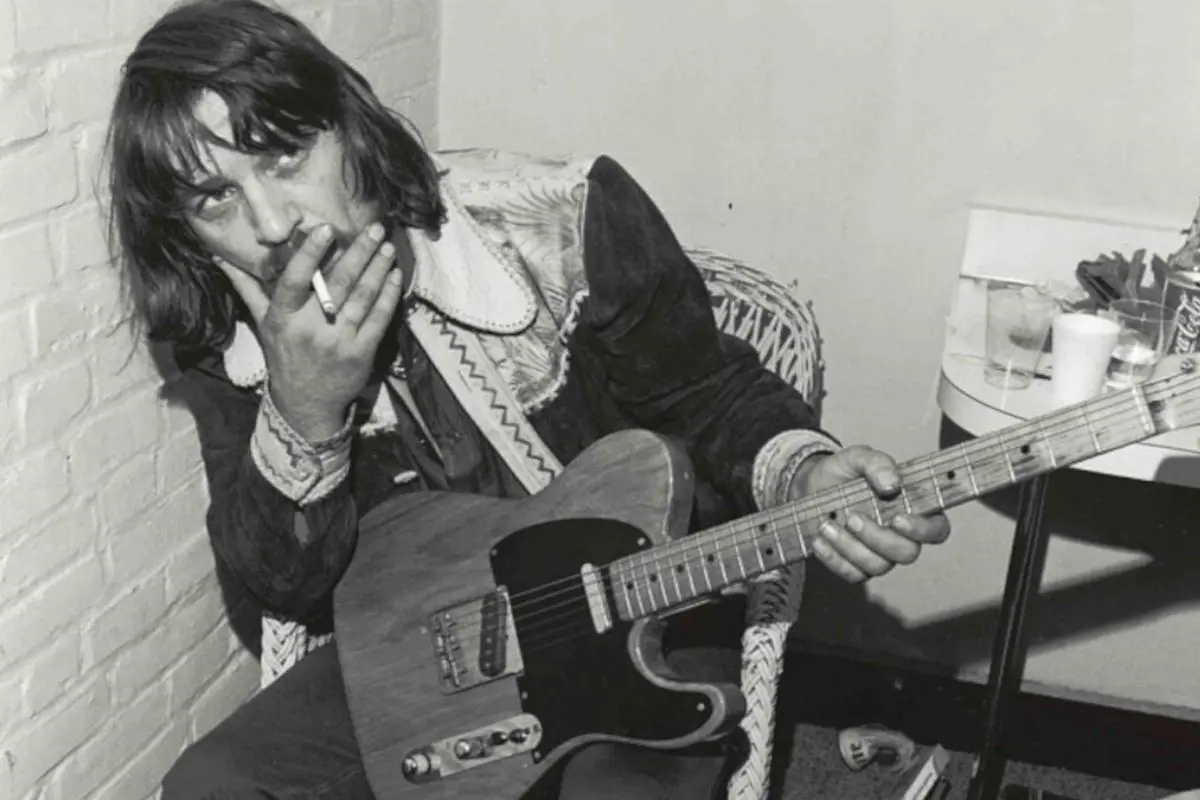
Third, listen to Jennings with the knowledge that his toughness wasn’t just attitude. It was partly the sound of a man who learned early that life can flip from backstage banter to funeral news in a single night.
Conclusion: the seat that became a legacy
Waylon Jennings didn’t “beat fate” so much as he got left behind by it. The seat swap wasn’t a heroic choice, just a practical one, and that’s exactly why it still rattles people. It proves how random history can be, and how personal the consequences are.
Jennings carried that randomness like a stone in his pocket, and when he paid tribute in song, he turned survivor’s guilt into something listeners could hold without being destroyed by it. The crash ended three bright careers, but it also left a living witness whose music would keep the names ringing, long after the engine noise stopped.