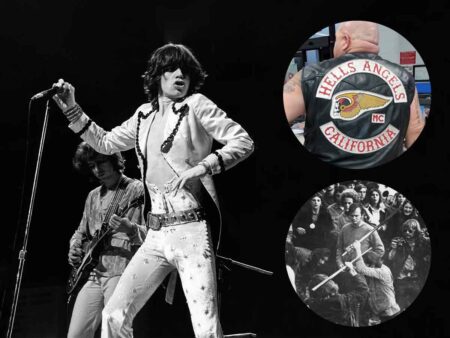
The early 1960s saw a wave of young British musicians enamored with the raw power and soul of American blues. Among them, The Rolling Stones stood out as the most influential group to bridge the Atlantic gap, taking the sounds of Muddy Waters, Howlin’ Wolf, and Little Walter and repackaging them for a global audience.
The British Invasion and the Blues Connection
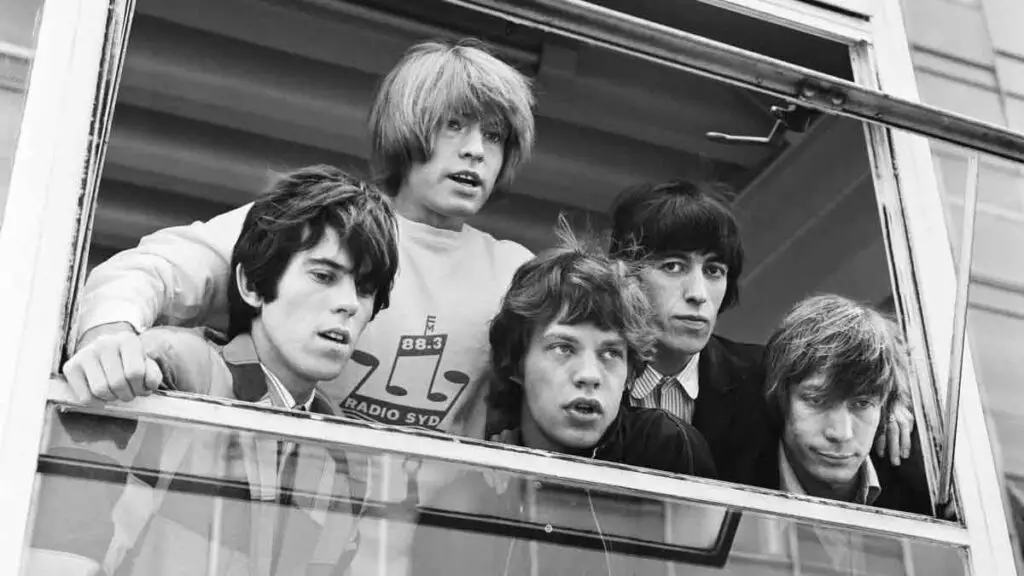
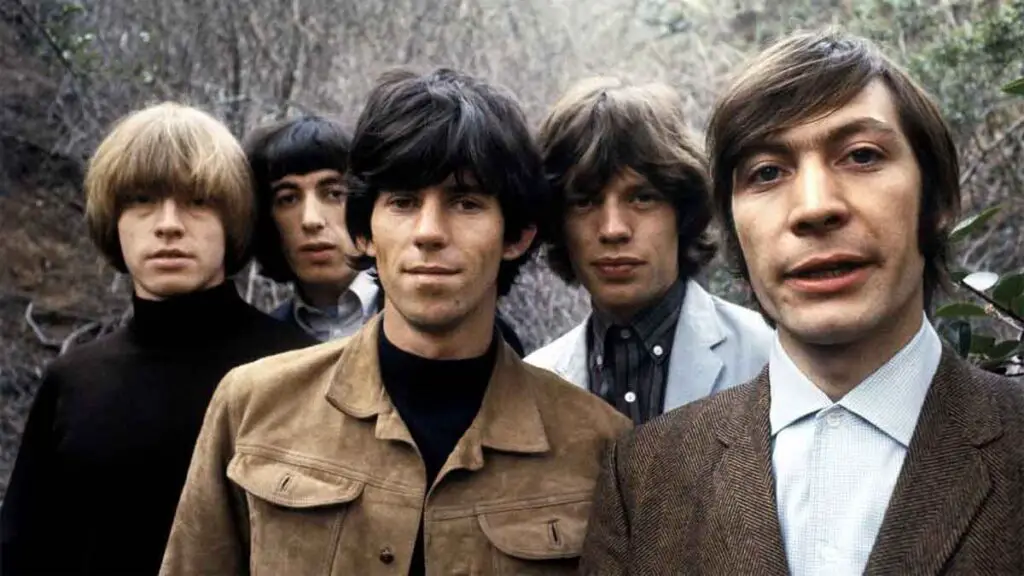
While The Beatles brought a polished rock and roll sound to America, The Rolling Stones presented something grittier and more primal. Unlike many of their British contemporaries, Mick Jagger, Keith Richards, Brian Jones, Bill Wyman, and Charlie Watts were devoted students of American blues. They weren’t just influenced by it—they sought to emulate it as closely as possible.
In the early days, their setlists consisted almost entirely of blues covers, including songs by Willie Dixon (“I Just Want to Make Love to You”), Slim Harpo (“I’m a King Bee”), and Chuck Berry (“Carol”). Their admiration was not just musical but cultural; they revered the Chicago blues legends who had inspired them and frequently cited them as their biggest influences.
Keith Richards once reflected on this profound influence, stating, “I loved rock’n’roll—but then we found the blues.”
Recording in Chicago: The Stones at Chess Records
One of the defining moments in The Rolling Stones’ blues journey occurred in 1964 when they traveled to Chicago to record at Chess Records, the mecca of electric blues.
The band was in awe of standing in the same studio where their heroes had recorded. During this session, they laid down tracks such as “It’s All Over Now” and “2120 South Michigan Avenue,” the latter named after the Chess Records address.
Bill Wyman recounted the experience: “We felt we were taking part in a little bit of history there. We knew pretty well what numbers we wanted to get in the can and the atmosphere was so marvelous that we got through them in double-quick time.”
Meeting Muddy Waters and Willie Dixon at Chess Records was a transformative experience for the young British musicians. Waters even helped them carry their equipment into the studio, a moment that left them both humbled and exhilarated. This direct connection to their musical roots further cemented their mission to bring blues to the mainstream.
Reinventing the Blues for a Rock Audience
While their early recordings stayed true to the blues, The Rolling Stones soon developed their own sound—one deeply rooted in blues but adapted for the rock era. Songs like “Little Red Rooster,” a cover of the Howlin’ Wolf classic, reached number one on the UK charts, proving that blues could be commercially successful.
As they transitioned into original songwriting, blues remained the foundation. “The Last Time” and “(I Can’t Get No) Satisfaction” showcased their ability to take blues structures and rhythms and inject them with youthful rebellion and amplified energy.
Keith Richards’ signature “five-string open-G tuning” was heavily inspired by blues guitar techniques, giving birth to some of the most iconic riffs in rock history.
Bringing Blues Legends into the Spotlight
One of The Rolling Stones’ most significant contributions to the blues revival was their unwavering support for the original bluesmen.
In 1965, they invited Howlin’ Wolf to perform on the TV show Shindig!—a move that introduced the blues legend to a mainstream American audience. They also toured with blues artists such as B.B. King and Ike & Tina Turner, ensuring that these pioneers received the recognition they deserved.
Mick Jagger reflected on their influences, noting that early rock and roll artists like Buddy Holly and Elvis Presley were “very blues-influenced people.”
Additionally, their influence led to a blues resurgence in the late 1960s, with artists like Eric Clapton, Fleetwood Mac (in its early Peter Green era), and Led Zeppelin following in their footsteps, incorporating blues into their own music.
The Lasting Legacy of The Rolling Stones’ Blues Influence
The Rolling Stones’ love for the blues never faded. Even as they evolved into one of the biggest rock bands in history, they consistently returned to their roots. Albums like Exile on Main St. (1972) and Blue & Lonesome (2016) reaffirmed their deep connection to the blues.
More importantly, their success and visibility helped ensure that legends like Muddy Waters and B.B. King gained new audiences and that the blues remained a living, evolving genre rather than a relic of the past. Today, their legacy as ambassadors of the blues continues to inspire new generations of musicians.
The Rolling Stones’ impact on the blues is immeasurable. By championing the genre in their early years and incorporating it into their rock sound, they played a pivotal role in the ’60s blues revival.
Through their recordings, collaborations, and advocacy, they preserved the legacy of American blues while making it accessible to the world. Without The Rolling Stones, the blues revival of the 1960s—and perhaps the blues’ continued relevance—might have played out very differently.
The Rolling Stones didn’t just borrow from the blues—they became a vital part of its story.