Classic West sold itself on a simple promise: put a bunch of era-defining bands in a baseball cathedral, turn the volume up, and let people remember who they were when those songs first found them.
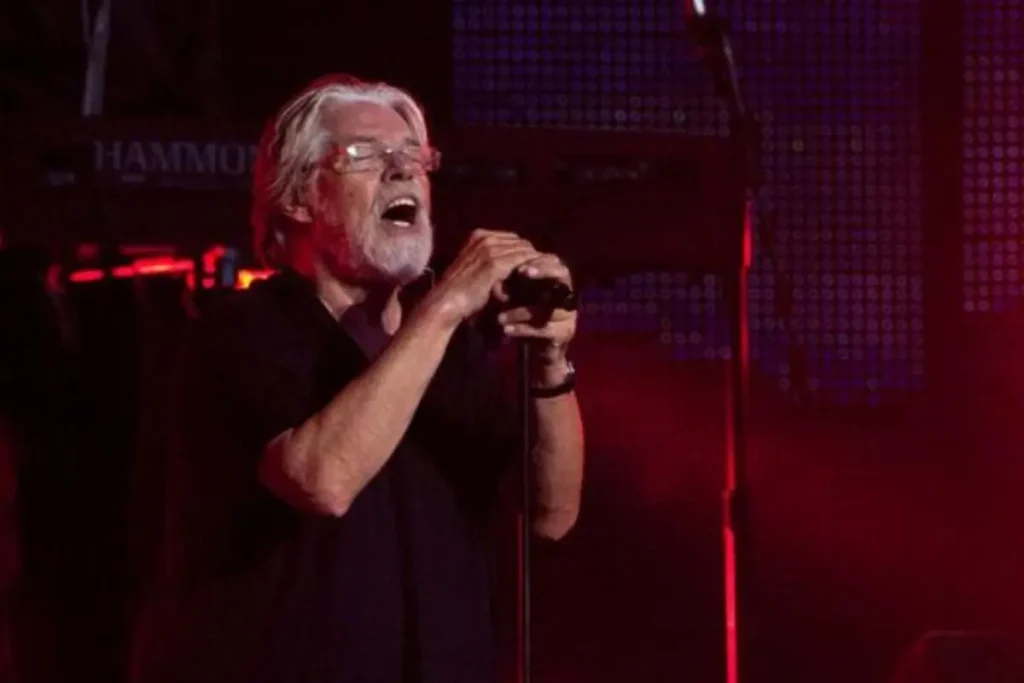
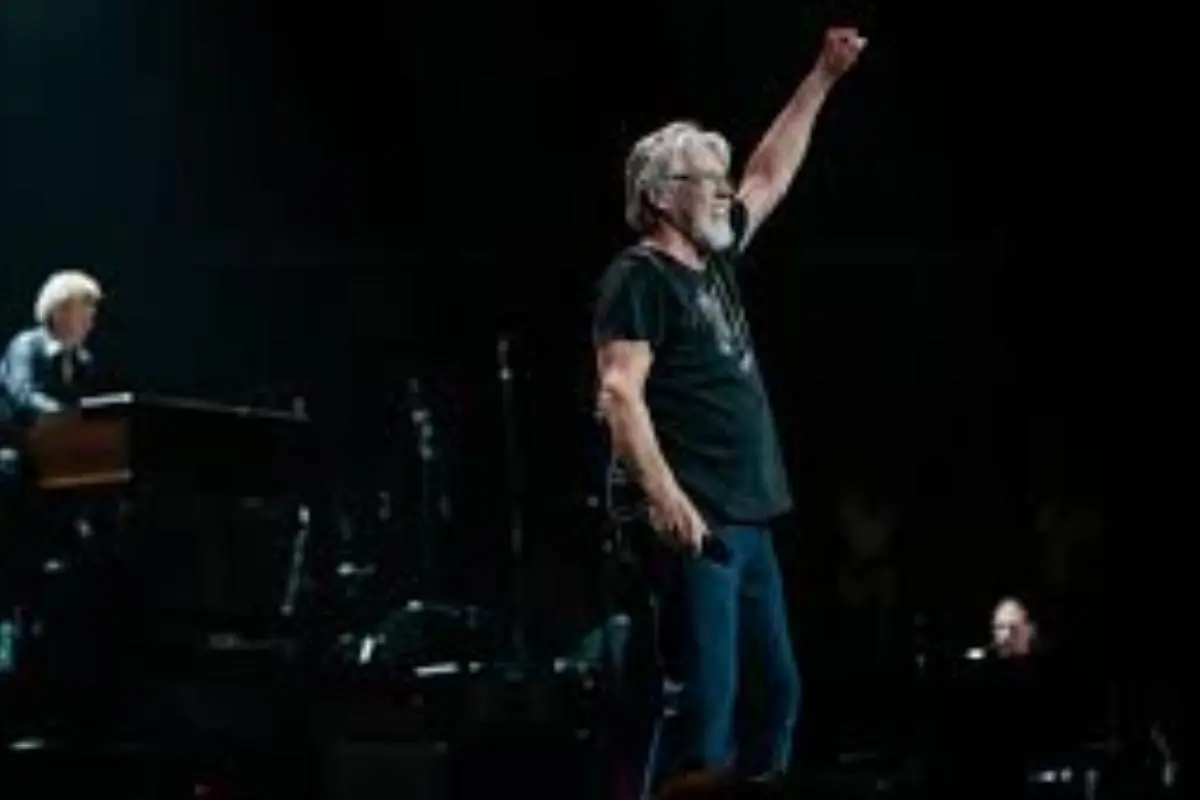
Then the Eagles turned that promise into a gut punch by bringing out Bob Seger for “Heartache Tonight.” It was not just a guest spot. It was a reminder that rock and roll still has the power to stop time, even when the world insists on scrolling past everything that matters.
Classic West in one sentence: legacy acts, real stakes
Classic West was staged at Dodger Stadium in Los Angeles as a two-day celebration of classic rock and pop-soul heavyweights, with the Eagles headlining one night and Fleetwood Mac the other, plus sets from Steely Dan, Earth, Wind & Fire, and The Doobie Brothers – exactly as the lineup announcement for Classic East and Classic West positioned it: a major destination festival, not a county-fair nostalgia lap.
That framing matters because it sets up the tension. “Classic rock” can mean comfort food, the musical equivalent of buying the same jeans again. But it can also mean proof-of-life: songs that survive because they still do the job better than most new ones.
The setup: the Eagles had a reason to play this one like it mattered
By the time Classic West rolled around, the Eagles were already deep into the post-Glenn Frey reality, with Deacon Frey and Vince Gill helping carry vocals and guitars onstage. Whether fans loved that lineup shift or tolerated it, everyone showed up with one question in the back of their mind: can this still feel like the Eagles?
The smartest way to answer that is not with speeches. It’s with a moment so undeniable it bypasses the debate. Bringing Seger out for “Heartache Tonight” was exactly that kind of move, and it landed because it connected to the song’s origin story.
Why Bob Seger was the perfect “intruder” for “Heartache Tonight”
Seger is not an Eagles adjacent name in the casual-fan sense. He is a parallel pillar: heartland grit, plainspoken hooks, and the kind of vocal delivery that sounds like it’s been dragged through real life and came out stronger.
He also has direct DNA in “Heartache Tonight.” Glenn Frey co-wrote the song with Don Henley, J.D. Souther, and Seger – an origin story reflected in the song’s credited writers – making him uniquely qualified to step into the chorus without it feeling like stunt casting.
That co-writing credit is the key detail a lot of people miss when they talk about the Classic West cameo as if it was random. It was not random. It was the band reaching back for an original ingredient that the live recipe rarely includes.
The moment: surprise, recognition, and a stadium reacting as one
Surprise guest appearances are a risky drug. If the cameo is too “celebrity,” it breaks the spell. If the guest looks underrehearsed, the internet eats them alive. If the song choice is wrong, it becomes trivia instead of history.
This one worked because it hit three triggers at once: the crowd recognized Seger instantly, the song was a proven singalong, and his presence carried extra meaning because of his co-writer status. In live footage from the night, you can hear the crowd roar before he even sings, which is the sound of thousands of people feeling included in a secret.
“Heartache tonight!”
Bob Seger and the Eagles, performing “Heartache Tonight” at Classic West (live performance video)
That shout-along chorus is built for stadiums. But with Seger up there, it felt less like “a hit” and more like the song’s full backstory walking onto the stage to collect its due.
What “Heartache Tonight” actually is (and why it still slaps)
“Heartache Tonight” is not subtle music. It’s a party groove with a lyrical sting: the night is fun until the bill comes due, and the bill is emotional. That tension is part of why it has lasted.
The track originally appeared on The Long Run, the Eagles’ final studio album of their classic era, an album created under famously complicated internal pressures and long recording sessions. “Heartache Tonight” is the sound of a band that can still make the room move even when the wheels are wobbling behind the curtain.
Industry recognition backed up what radio already knew: the song won the Grammy for Best Rock Performance by a Duo or Group with Vocal at the 22nd Annual Grammy Awards.
Song credits, straight from the paperwork
If you want the least romantic but most definitive proof of Seger’s connection to the track, go to the performing rights databases. One simple starting point is the official Bob Seger website, which points fans to the authoritative credits and catalog trail tied to his songwriting work.

Why this guest spot felt like a “spiritual experience” to so many fans
Let’s not get precious about the word “spiritual.” Nobody’s claiming a stadium is a temple. But rock concerts do something that many modern spaces refuse to do: they let adults feel things at full volume with other adults.
Classic West was built around shared memory. When Seger walked out, it created a fresh memory in real time, which is different. Nostalgia is looking backward. A great guest spot creates a new “remember when,” and it happens instantly.
There’s also a deeper layer: Glenn Frey’s absence hangs over any Eagles show from this period onward. Having one of Frey’s closest musical peers and collaborators present for a signature Eagles cut created a kind of communal bridging, whether or not anyone said it out loud.
Rock and roll still matters because it’s not optimized
Here’s the provocative claim: rock and roll matters more in a world that moves too fast, because rock is not optimized for modern life. It’s long. It’s loud. It asks you to stay put. It rewards attention.
That makes a Classic West-type moment feel rebellious. Not in the leather-jacket sense, but in the human sense: choosing to be present, choosing to sing with strangers, choosing to let a song from decades ago explain you better than the day’s headlines.
In other words, it is “messy” because humans are messy. A guest spot that cracks open a stadium roar is proof that the mess is the point.
How to really hear it: what to listen for in the performance
Even if you’ve heard “Heartache Tonight” a thousand times, a live sit-in changes what’s worth paying attention to. Here’s a quick listener’s checklist the next time you watch the clip or play a live recording.
1) The handoff of identity
Listen to how the band makes room for Seger without making it “the Bob Seger song.” Great sit-ins are about hosting, not surrendering the set. The Eagles keep the groove and the vocal blend, and Seger brings the sandpaper.
2) The chorus as crowd instrument
“Heartache Tonight” is designed so the audience becomes a percussion section. When the crowd is loud enough, the song stops being performed to people and starts being performed by them.
3) The rock-and-roll paradox: precision that feels loose
Classic rock at this level is a strange craft. The musicians are extremely precise, but the performance has to feel like it could tip over at any second. That sense of controlled danger is why “polite” shows rarely become legends.
Classic West, but make it practical: how fans can chase moments like this
You can’t manufacture a surprise guest, but you can put yourself in the line of fire for the next one. If you love these “once in a lifetime” collisions, here are a few grounded strategies.
- Watch for promoter-driven legacy events. When a promoter like AEG builds a festival around big catalog acts, surprise collaborations become more likely because the backstage ecosystem is stacked.
- Follow the artists, not just the venues. Major artists still announce key appearances and projects via their official sites, which remain more reliable than rumor feeds.
- Know the collaborations baked into the songs. Co-writer relationships are a roadmap for plausible sit-ins, and “Heartache Tonight” is a textbook example.
Quick fact table: the essentials behind the magic
| Item | What to know |
|---|---|
| Event | Classic West, a multi-artist stadium festival at Dodger Stadium |
| Surprise moment | Bob Seger joined the Eagles for “Heartache Tonight” |
| Why Seger fit | He is a credited co-writer of the song |
| Why it resonated | It turned “greatest hits” energy into a one-night-only event |
The bigger takeaway: this is what it’s all about
People argue about whether rock is “dead,” usually because they’re confusing chart presence with cultural power. A stadium chanting “Heartache Tonight” while a surprise co-writer steps into the spotlight is cultural power. It’s not theoretical.
Seger didn’t just crash an Eagles set. He reminded everyone that the best rock moments are not clean, not curated, and not easily replicated. They hit you right in the chest because they were built to.
If you want proof rock still matters, start here: a band, a song, a surprise collaborator, and a crowd that remembers what it feels like when music stops being content and turns into community.