
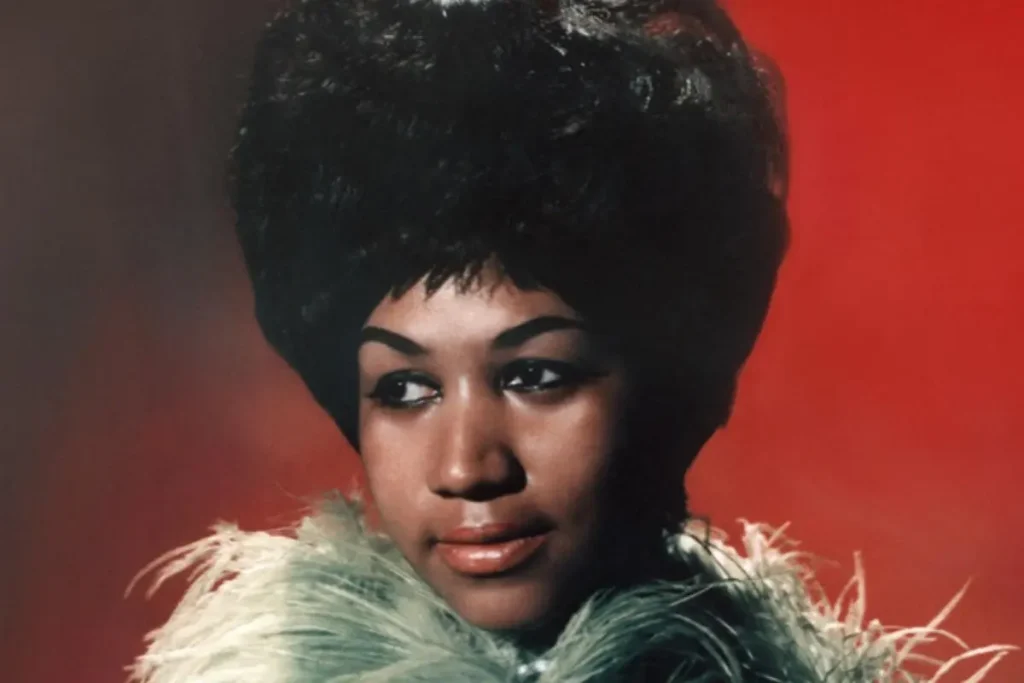
People love to describe Aretha Franklin with big, foghorn adjectives: “powerful,” “towering,” “once in a century.” But those words can flatten what made her dangerous in the studio and miraculous onstage. The real story is not only that she had a staggering instrument. It’s that she used it like a master musician who understood time, harmony, phrasing, and psychology, then weaponized that knowledge inside a three-minute pop format.
David Remnick captured the idea in The New Yorker when he argued that what distinguishes Franklin is her musical intelligence, including “her way of singing behind the beat,” and her ability to construct emotional power moment by moment, calling “Respect” “as precise an artifact as a Ming vase.”
That claim sounds poetic until you listen like a player, not a fan. Aretha’s “intelligence” is audible in the micro-decisions: how she leans late, how she stacks notes on one syllable, how she turns a backing vocal into a rhythmic engine. This is the kind of singing that can make great musicians sweat, because it doesn’t merely ride the groove – it edits the groove in real time.
Stop calling her “just” a great singer
Franklin is often framed as a vocalist who happened to play piano. That’s backwards. Her voice was the headline, but her musical brain was the command center, and the piano was one of the ways she proved it.
Obituaries and retrospectives routinely emphasize how she grew up in church and became a defining voice of soul, but that origin story matters for a technical reason: church is an advanced training ground for time feel, spontaneous form changes, call-and-response, and emotional pacing. The Guardian’s obituary revisits her roots in gospel and her later crossover impact, a reminder that her authority was built long before the pop world crowned her.
Here’s the provocative take: plenty of singers have big voices; very few can conduct a band with phrasing. Aretha could. And sometimes, the band had to decide whether to follow her gravitational pull or hold the center.
“Behind the beat” is not laziness – it’s leverage
Musicians talk about singing behind the beat as if it’s a stylistic garnish. In Aretha’s hands, it’s leverage. She delays the front edge of a phrase just enough to create tension, then releases that tension by landing in a pocket that still feels inevitable.
If you’re a rhythm-section player, that can be terrifying. When the vocalist leans late, the band can either tighten up and keep the grid steady, or drift with the vocal and risk smearing the groove. Franklin often leaned late while also adding extra melodic information, which magnified the danger: you’re not just dealing with time; you’re dealing with harmony and density.
That’s why Remnick’s phrase “constructing, moment by moment” matters. She wasn’t floating vaguely. She was placing weight precisely, like a drummer using microtiming to change the entire feel of a bar without changing the tempo.
How “Respect” became a piece of musical engineering
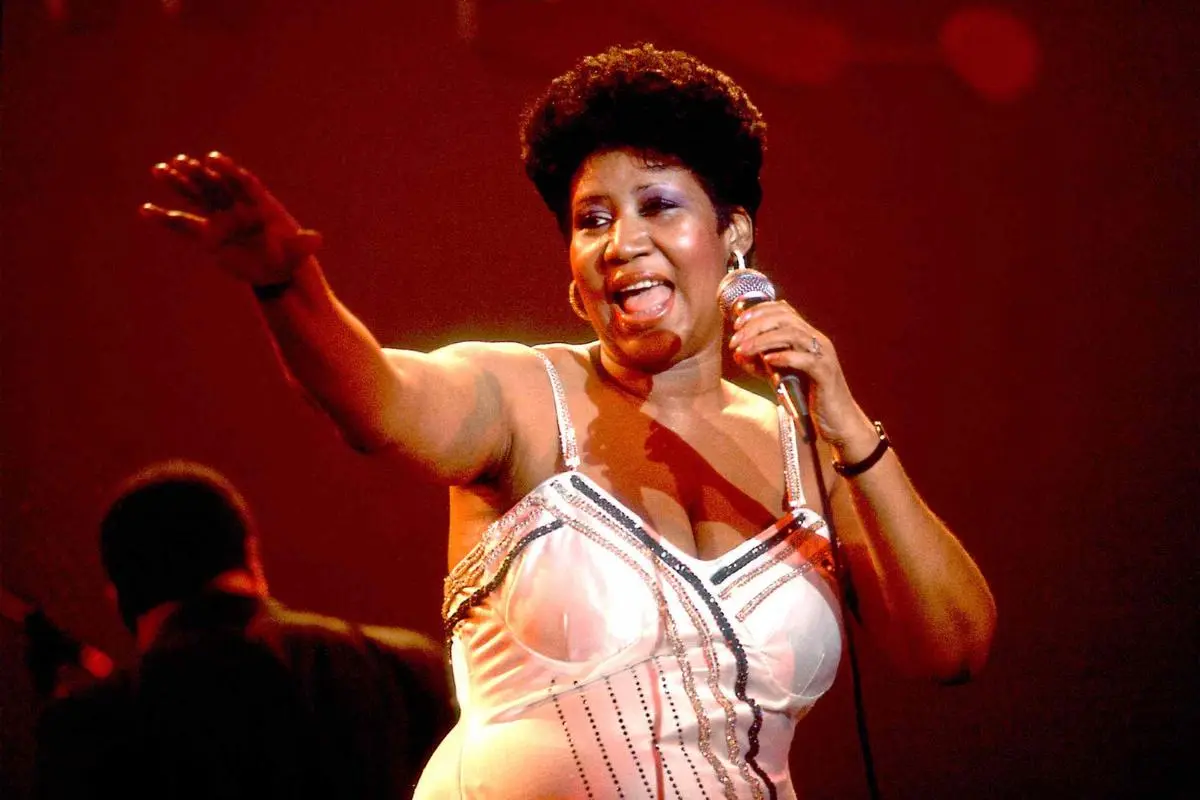
“Respect” is widely known as a cultural detonator, but it’s also a clinic in arrangement and rhythmic messaging. Aretha took Otis Redding’s song and transformed it into something more declarative, more percussive, and more communal. The famous spelled-out hook and the call-and-response are not decoration; they’re structure.
Redding’s original is a demand from a working man who wants recognition when he comes home. Franklin’s version shifts the power dynamics, turning the plea into a public manifesto. That contrast is laid out plainly in song histories of the track.
Listen like a producer: the track is built to make her phrasing feel like it’s pulling the band forward even when she sings behind. The groove stays confident, the backing vocals become rhythmic punctuation, and Aretha’s melismas are used strategically – she doesn’t flood every line. She chooses where to “spray a wash of notes,” because restraint is part of the precision.
Quick listening checklist: what to hear in “Respect”
- Microtiming: phrases that start late but land with authority.
- Consonants as percussion: hard attacks that act like drum hits.
- Call-and-response as groove: the “R-E-S-P-E-C-T” section is rhythmic architecture, not a singalong gimmick.
- Dynamic pacing: intensity rises in steps, not in one continuous climb.
When a singer is so strong she can break the pocket
There’s an under-discussed truth about elite vocalists: they can destabilize the rhythm section. Franklin’s emotional force could be so intense that it challenged the band’s internal clock. That’s not a flaw; it’s a sign that the singer is operating like a lead improviser, pushing and pulling time for expressive effect.
Working musicians often describe her as a commanding presence who knew exactly what she wanted. Even in general biographical accounts, her control in the studio and insistence on musical standards comes through.
The best rhythm sections don’t “follow” blindly. They negotiate. In Aretha’s world, the negotiation was part of the sound: the band holds the line, she bends the air around it, and the friction makes the performance feel alive.
“Amazing Grace”: proof that her confidence was structural, not cosmetic
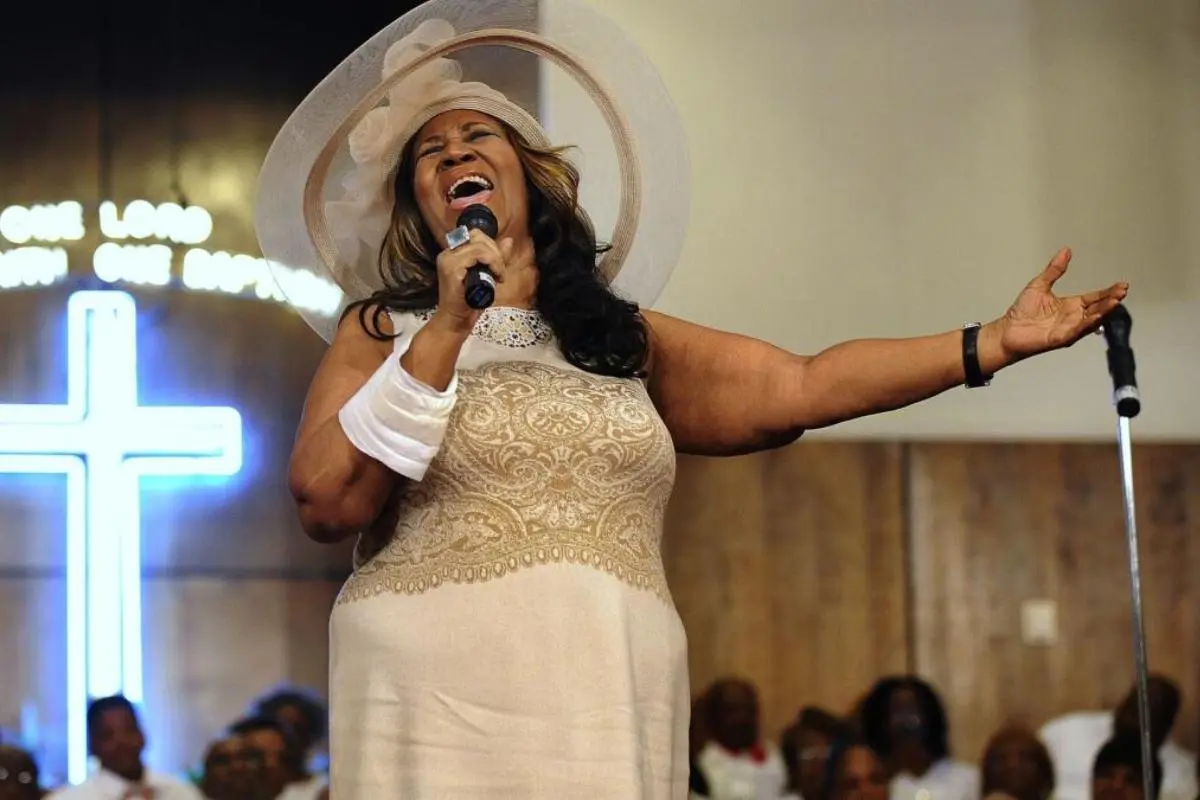
If “Respect” is a pop single engineered for maximum impact, Amazing Grace is the other extreme: a live church recording where the form breathes, stretches, and responds to the room. It’s one of the clearest documents of Aretha’s musicianship because there’s nowhere to hide behind studio polish.
The album’s reputation as a landmark live gospel recording is widely recognized, and its historical profile is often summarized in reference materials.
In that setting, musical intelligence looks like situational awareness. She listens to the congregation, the choir, the handclaps, the band, the preacher, and her own emotional arc, then makes split-second choices about length, intensity, and where to place the next phrase. This is less like “singing a song” and more like leading a living ceremony.
“What distinguishes Aretha Franklin is not merely the breadth of her catalogue or the cataract force of her vocal instrument… it’s her musical intelligence.”
David Remnick, The New Yorker
Aretha’s “band leadership” in one table
| Musical move | What it does to the band | What it does to the listener |
|---|---|---|
| Singing behind the beat | Forces the groove to stay steady under pressure | Creates tension, swagger, and inevitability |
| Melisma on selective words | Shifts harmonic focus without changing chords | Makes key lyrics feel fated and “larger than life” |
| Call-and-response design | Turns background parts into rhythmic infrastructure | Invites participation, locks the hook into memory |
| Dynamic pacing | Controls energy without needing tempo changes | Builds a narrative arc inside a short runtime |
Try this at home: a musician’s way to “get” Aretha
You don’t need perfect pitch to hear what Remnick was pointing at. You just need to change how you listen. Put on “Respect,” then do it again with one rule: focus on the space around the words, not the words themselves.
Three practical exercises
- Clap only beats 2 and 4 while she sings. Notice when her phrases sit late but the groove stays locked.
- Hum the horn or backing-vocal parts and hear how her lead line weaves through them like counterpoint.
- Mute the lyric meaning for one listen. Treat her voice as a saxophone, and pay attention to attack, release, and vibrato speed.
The edgy claim: Aretha made “perfection” feel human
Pop music often chases perfection by sanding off risk. Aretha did the opposite. She took near-flawless control and used it to stage danger: the feeling that the performance might overflow the container, that the band might buckle, that the emotion might go too far.
That’s why the “Ming vase” metaphor lands. The artifact is precise, but the experience is not sterile. Franklin’s genius is that she could make a carefully built record feel like it was happening for the first time, right in front of you.
And if you want a modern, easy entry point into that immediacy, watch her legendary Kennedy Center moment singing “Nessun dorma”. Even outside her core genre, she projects the same authority: time feel, dynamic command, and total narrative control.
Conclusion: the Queen of Soul was also a time-bending bandleader
Aretha Franklin’s legacy is not only vocal power or an iconic catalog. It’s the rare combination of feel, intellect, and fearlessness: a singer who could play rhythm with her throat, orchestrate emotion on the fly, and turn a three-minute single into a masterclass in musical design.
Call her the Queen of Soul if you like. Just don’t forget the more unsettling truth: she wasn’t merely singing songs. She was running the whole room.


