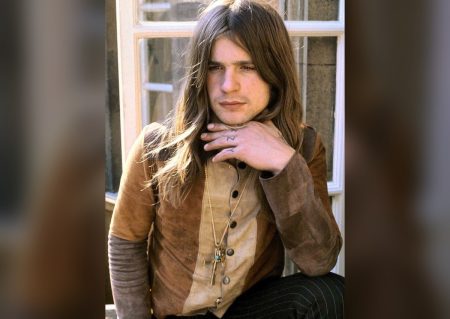
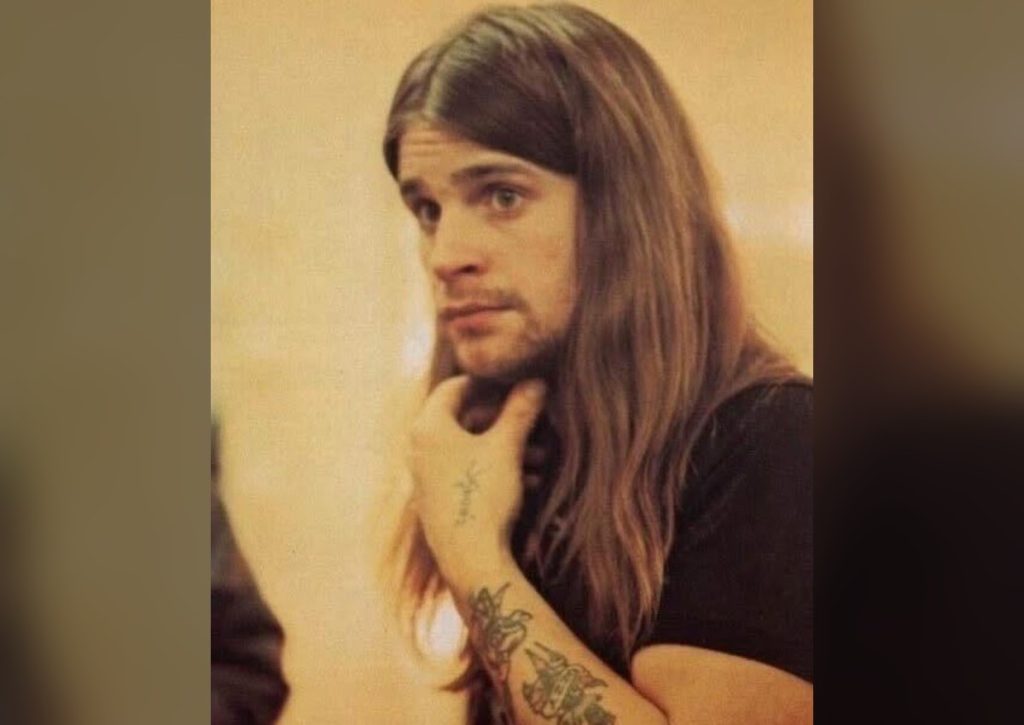
No major vocalist in rock history has been told he couldn’t sing more often, by more people, over more decades, than Ozzy Osbourne. Schoolmates said it. Early bandmates wondered it — Tony Iommi, who knew him from Birmingham, was famously sceptical the kid could front anything. Critics made a genre of it: Black Sabbath’s early records were savaged on arrival, concert and album alike, with the singer’s wail a favourite target. And yet the voice they all doubted became one of the most instantly identifiable sounds in music. The interesting question was never whether Ozzy could sing. It’s why the doubters were so wrong about what singing is.
What the sceptics heard
Be fair to them: judged against 1970’s prevailing standards, the case looked open and shut. Rock singing meant power and polish — Plant’s blues acrobatics, Gillan’s climbing screams. Ozzy offered a high, raw, faintly eerie tone, limited range, no vibrato to speak of, and a delivery that could wander pitch like a man reading omens off the wall. He didn’t strut; he keened. Reviewers reached for words like whine and drone. By conservatoire logic, they weren’t even wrong.
What they missed was that Black Sabbath had accidentally invented a music for which every one of those “flaws” was load-bearing.
What Iommi and Butler actually saw
Inside the band, the calculus flipped early. Iommi’s monolithic riffs and Geezer Butler’s doom-laden lyrics needed a voice that sounded afflicted — a human being trapped inside the music rather than commanding it — and Ozzy’s plaintive wail did exactly that. His trademark move, tracking Iommi’s riffs in eerie unison an octave up rather than soaring over them, fused singer and guitar into a single dread instrument; “Iron Man” and “War Pigs” work because the voice rides the riff like a second pickup. And the tone itself — one commentator memorably called it a wail cutting through the riffs like a scream in the night — supplied the horror-film humanity the whole project turned on. Sabbath’s songs are about ordinary men facing enormous darkness. A technically superior singer would have ruined them.
The bandmates understood something else the critics didn’t: conviction records better than accuracy. Ozzy sang paranoia like a man experiencing it, because — between the poverty, the prison stretch and the chaos — he more or less was. Audiences heard the difference immediately and permanently.
The studio tells the same story from another angle. Producers across six decades learned that the standard toolkit — comping for perfection, tuning for polish — worked against Ozzy’s instrument; the doubling, the slapback, the slightly haunted room sound of the classic records were all in service of preserving the wobble, because the wobble was the emotion. Even his limitations became compositional forces: melodies written within his range had to move in the eerie stepwise lines that became a Sabbath signature, and later collaborators from Rhoads onward built their showcases knowing the voice above them would sound human, fallible and therefore terrifying.
The fifty-year rebuttal
Every subsequent chapter re-ran the argument and re-delivered the verdict. When Sabbath fired him in 1979, the industry consensus wrote him off again — whereupon the “non-singer” fronted Blizzard of Ozz, one of the great vocal performances in metal, his melodies gliding over Randy Rhoads’ pyrotechnics on “Crazy Train” and “Mr. Crowley” with a tunefulness his doubters had sworn he lacked. The eighties and nineties made him metal’s most durable solo star; MTV made him a household grandfather; and the voice — that fragile, untrained, endlessly mocked instrument — proved bizarrely indestructible, still cutting through stadium mixes into his seventies while polished contemporaries lost their tops.
By the end, the reappraisal was total. Singers across metal and beyond cite the phrasing, the octave-doubling, the instantly-legible character of the voice as foundational. The final scenes — a global audience singing his melodies back to him, his family weeping through tributes at music’s biggest ceremonies — belonged to a man whose singing had outlived every voice raised against it.
Even the man himself joined the doubters’ side more often than his fans ever did — a lifetime of interviews is littered with Ozzy marvelling that anyone paid to hear him, insisting the others were the musicians and he just “the singer who got lucky”. The self-deprecation was sincere and, in its way, part of the sound: no rock voice ever carried less arrogance, which is exactly why forty thousand people a night felt safe howling along with it. You can’t sing along with perfection. You can sing along with Ozzy.
The moral for every odd voice
The Ozzy verdict matters beyond Ozzy, because his case is the strongest ever mounted against rock’s persistent confusion of technique with worth. Music history’s most treasured voices — Dylan, Young, Strummer, Ozzy — were all “not singers” by somebody’s rulebook. What they had instead was identity: one syllable and you know them, one verse and you believe them.
Ozzy Osbourne couldn’t sing, said fifty years of experts, while fifty years of listeners pressed play again. The experts had standards. He had a sound. Only one of those turns out to be immortal.