
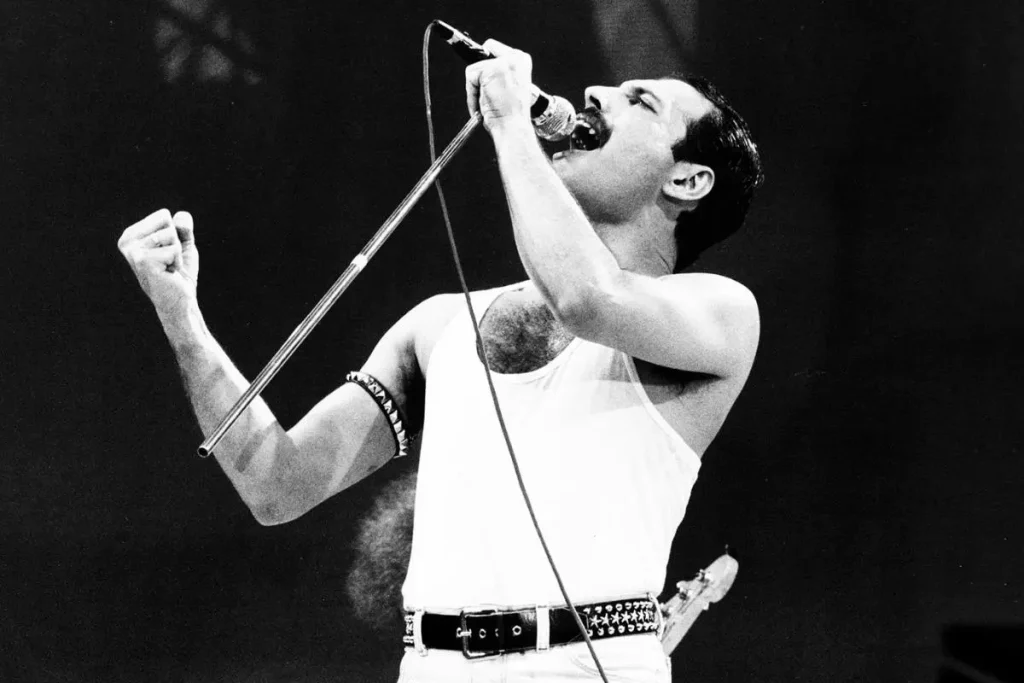
“I Want It All” is the sound of Queen refusing to go quietly. Released in 1989 as the opening single from The Miracle, it shows the band doing what they did best: taking a simple human impulse (ambition) and turning it into stadium-sized theatre. It is blunt, brash, and hilariously unapologetic – not a self-help poster, more like a boot to the door.
Brian May wrote it as a straight-ahead rock statement, and Freddie Mercury sang it like a man trying to out-shout fate. The twist is that Mercury never performed it live with Queen, which only intensified the song’s later reputation as a posthumous empowerment anthem. Queen could not take it to the stage in 1989, but the world took it anyway.
What “I Want It All” is really about (and why it still hits hard)
On paper, the lyric is almost shockingly direct: want more, take more, do not apologize. That directness is the point. While plenty of rock songs celebrate desire, “I Want It All” says it without metaphor or romantic fog, and that makes it feel confrontational.
“I want it all, and I want it now.” – Freddie Mercury, “I Want It All”
That line is often misunderstood as selfishness. In practice, listeners have treated it as a declaration of survival and agency, especially in the context of Queen’s late 1980s story. The song does not ask permission; it assumes you are already behind it.
Brian May’s writing: a riff that does not negotiate
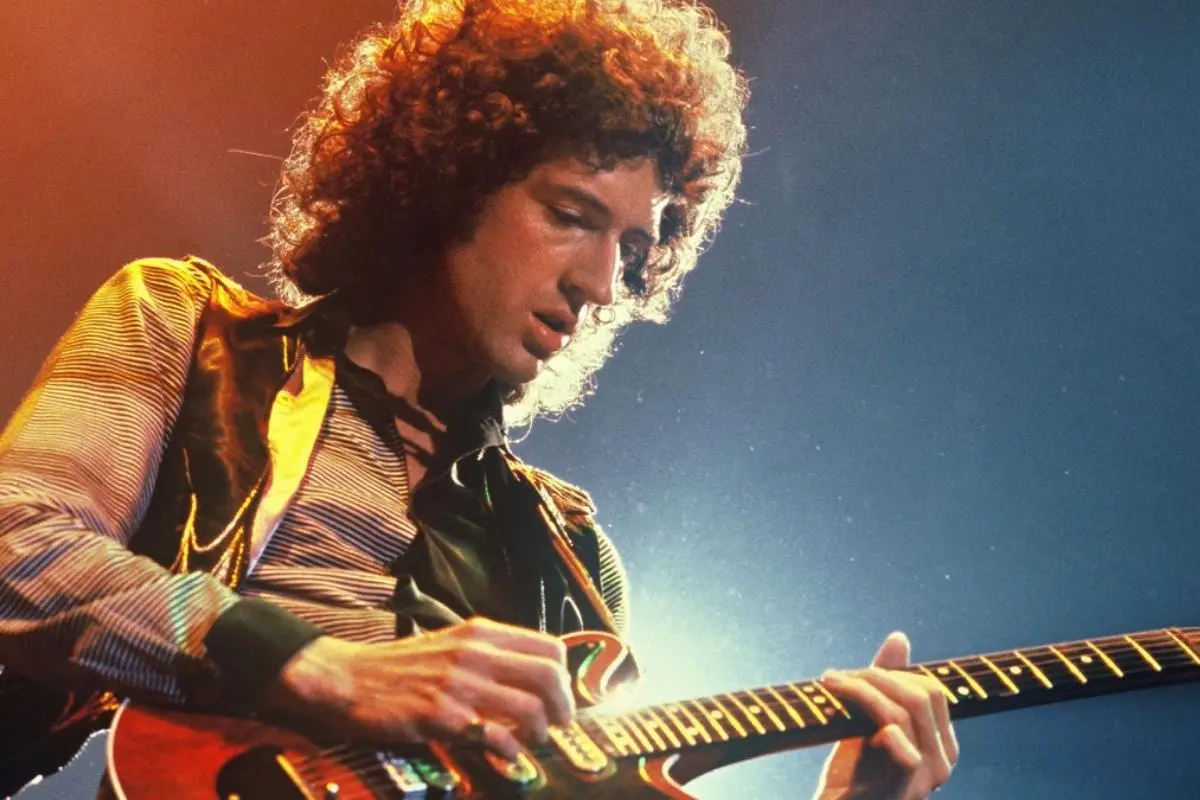
May’s genius here is economy. The main riff is hard-edged, tightly voiced, and built to be chanted by thousands. It is less about virtuoso fireworks and more about pressure – the guitar part keeps pushing forward even when the vocal takes center stage.
Queen’s own official history describes “I Want It All” as written by Brian May and released as the first single from The Miracle in their story of the album. It is positioned as the album’s opening statement for a reason: it reintroduces Queen as a rock band with teeth, not just hitmakers with big choruses.
The Miracle era: Queen’s “late-period” does not mean “soft”
By 1989, Queen were operating in a different world than the one they conquered in the 1970s. MTV aesthetics mattered. Pop production was glossy. Hard rock was getting faster and heavier at the extremes, while mainstream rock leaned into polish.
The Miracle leaned into a modern sheen without abandoning the band’s identity, and “I Want It All” was the proof. Queen’s official album story frames the period as a deliberate regrouping after years of constant output, with the band refocusing in the studio, as summarized in a deep dive into how the song became a defiant anthem.
The sound: why the track feels like a rallying cry
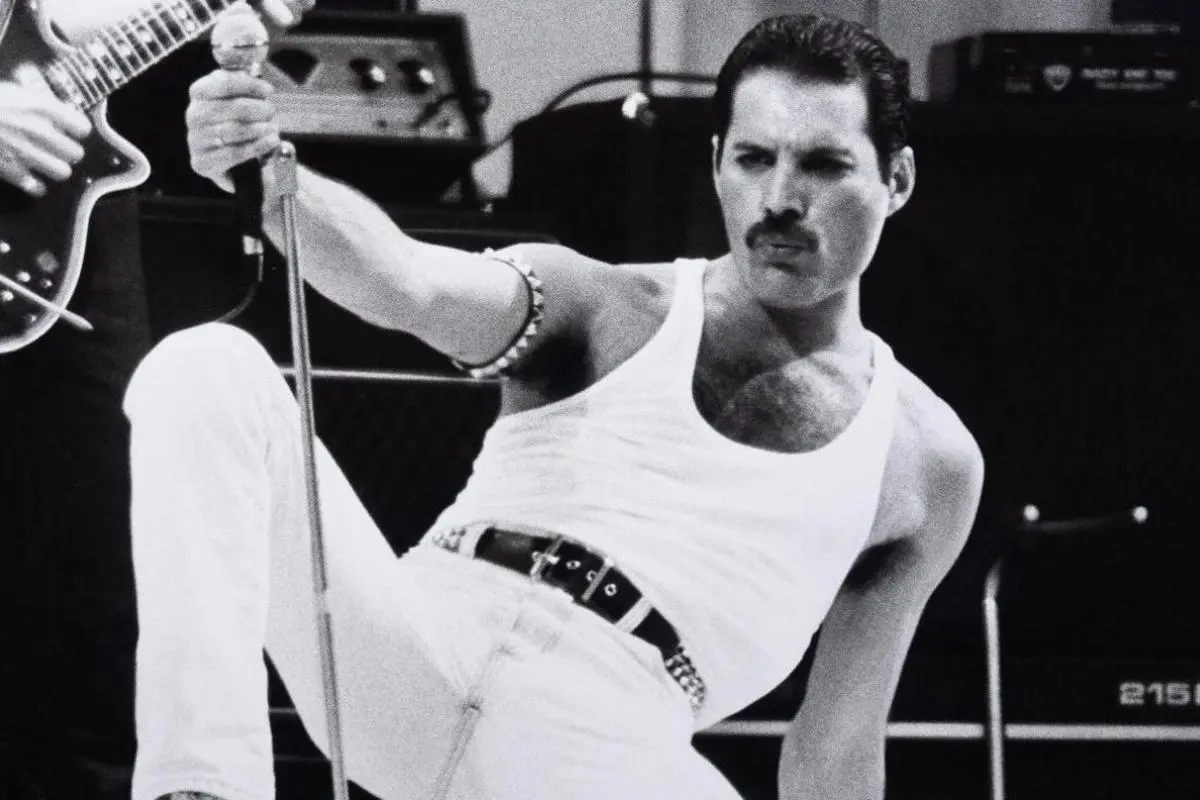
Musically, “I Want It All” is engineered to feel communal. The chorus is designed for mass singalong, and the call-and-response “I want it all” phrasing makes the listener part of the performance. Even if you are alone in your car, it still feels like a crowd is arriving.
A big part of that comes from arrangement choices: stacked vocals, tight rhythmic stops, and a guitar tone that is aggressive without turning fizzy. The track lives in that sweet spot where it is heavy enough to feel dangerous but clean enough to feel “Queen.”
A quick “listen for this” checklist
- Riff discipline: the main figure stays memorable and repeatable, like a slogan.
- Vocal authority: Mercury attacks phrases instead of just singing them.
- Chorus architecture: short words, wide vowels, no lyrical clutter.
- May’s lead breaks: melodic, not shreddy – the solo sings along with Freddie.
Chart performance: the proof it connected
“I Want It All” was not a modest comeback single. It hit the UK Top 10, peaking at No. 3, and it charted strongly across Europe, confirming that Queen could still dominate mainstream rock radio and TV rotation; the UK chart peak at No. 3 is documented by the Official Charts Company.
Those numbers matter because they arrived in a late-career moment when many legacy acts were either chasing trends or retreating into nostalgia tours. Queen were doing neither; they were releasing new, aggressive music that demanded attention.
Why Freddie Mercury never performed it live with Queen
This is the part that adds myth to the song. Queen did not tour behind The Miracle, and Mercury’s health was deteriorating in ways the public did not fully understand at the time. “I Want It All” became one of several late-era tracks that lived primarily on record during his lifetime.
Concert documentation from 1989 shows the absence of a full The Miracle tour and helps contextualize why songs from that era were not road-tested by the classic lineup.
When Queen later returned to the road with guest vocalists, “I Want It All” was suddenly perfect: it is structured like a modern arena opener and it allows any strong rock singer to step into the challenge. The song’s afterlife arguably became bigger than its original promotional cycle.
The “posthumous anthem” effect: empowerment without the soft edges
There is a reason “I Want It All” keeps resurfacing in sports arenas, talent shows, and motivational playlists. It is not subtle, and that is why it works. The message is not “believe in yourself.” The message is “take what you came for.”
Edgy claim, but defensible: “I Want It All” is one of the most socially acceptable “greed” songs ever written. It reframes appetite as virtue, then dares you to argue back. That psychological trick is pure rock and roll.
The music video: Queen selling urgency, not mystery
The original video leans into performance energy and band presence rather than narrative, emphasizing Queen as a unit. The official Queen channel’s upload of “I Want It All” keeps that late-80s visual language intact – quick cuts, dramatic lighting, and a focus on Mercury’s intensity.
Queen have also highlighted the song in later-era releases and retrospectives, underlining that it remains a key part of their catalog and fan identity, as reflected in Queen’s archival reference hub.
How to play it: practical tips for guitarists (and one warning)
If you are learning “I Want It All” on guitar, treat it like a rhythm song first and a lead song second. The riff must lock with the drums and bass or it loses its bite. May’s magic is often in articulation: strong attack, clear note separation, and vocal-like phrasing.
Guitar approach
- Tone: aim for saturated sustain, but keep the pick attack clear.
- Riffing: practice with a metronome at slower tempos, then tighten the stops.
- Solos: sing the phrases before you play them – May’s leads are melodic hooks.
- Harmony awareness: Queen parts often imply extra voices; consider layering if recording.
The warning: do not overplay it. Many players turn the riff into a speed exercise, but the original power comes from weight and unanimity, not athleticism.
Common misconceptions (and what to say instead)
| Myth | Reality |
|---|---|
| “It’s just an 80s hair-metal style track.” | It uses 80s polish, but the structure and melodic guitar language are unmistakably Queen. |
| “Freddie performed it on the Miracle tour.” | Queen did not tour The Miracle era, and Mercury never sang it live with Queen. |
| “The lyric is shallow.” | Its bluntness is the point: it turns desire into a communal chant rather than a confession. |
Where it sits in Queen’s legacy: a late-era statement that refuses nostalgia
Queen are often summarized through earlier peaks: “Bohemian Rhapsody,” Live Aid, the operatic experiments. “I Want It All” argues for a different narrative: late Queen could still sound hungry. It is not a victory lap; it is a demand.
Even in catalog terms, it acts like a bridge. It points back to the band’s hard-rock spine while also sounding modern enough to sit next to late-80s radio staples, and the lyrics’ blunt central hook is a big reason it reads as an anthem rather than a confession.
Conclusion: the anthem that outlived its moment
“I Want It All” is fierce because it is simple, and it is timeless because it is human. Everyone has wanted too much at least once. Queen just had the nerve to make that feeling singable at full volume.
And maybe that is the ultimate Queen trick: turning a potentially ugly emotion into a unifying shout-along. Not polite. Not subtle. Absolutely effective.


