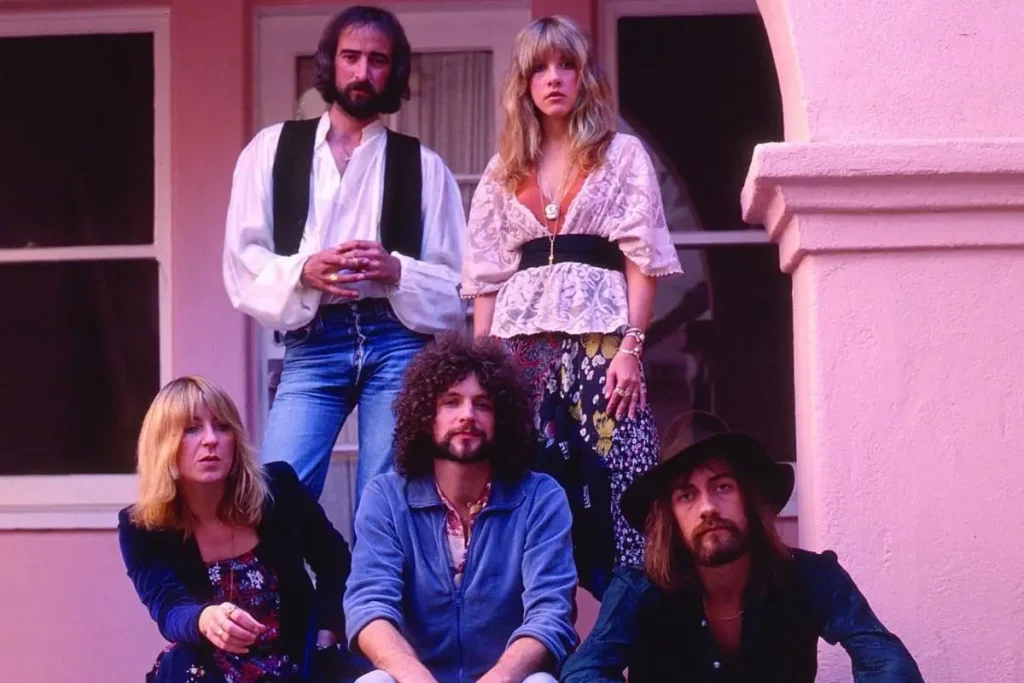
Fleetwood Mac’s “Seven Wonders” is the kind of single that messes with neat pop-history narratives. It was a respectable U.S. Hot 100 hit, but it behaved like a bigger record than its peak position suggests: it lived on rock radio, it helped define the sleek midnight-gloss of Tango in the Night, and it even became a standout success in parts of Europe. If you only know it as “that Christine McVie song with the dreamy chorus,” you’re missing the point: “Seven Wonders” is a masterclass in how a band can sound expensive, wounded, and radio-friendly at the same time.
“Tango in the Night is a miracle.” – Ken Caillat
That “miracle” vibe matters, because “Seven Wonders” is the sound of a band making pop under pressure. The track is bright and punchy, but it also carries that unmistakable late-era Fleetwood Mac tension: impeccable surfaces, complicated feelings underneath.
Where “Seven Wonders” sits in the Tango in the Night universe
Tango in the Night arrived as Fleetwood Mac’s follow-up to Mirage, and it became one of the group’s biggest late-career statements, packed with studio craft and anxious energy. The album’s creation is often discussed as a high-wire act of personalities and production ambition, and “Seven Wonders” is a prime example: shimmering, direct, and meticulously assembled in the official “Seven Wonders” music video.
Listen to the track in context and it feels like a pivot point. It bridges classic Mac warmth (Christine McVie’s melodic sense and plainspoken emotional clarity) with the 80s studio sheen that Lindsey Buckingham pushed hard across the album’s aesthetic.
Songwriting credits and the not-so-secret collaboration
“Seven Wonders” is credited to Stevie Nicks and Sandy Stewart, which already hints at one of its quirks: it is a Stevie-written lyric delivered by Christine McVie’s voice in the most famous version most people know, as noted in the album’s credits and background. That handoff is part of the magic. Nicks’ imagery meets McVie’s grounded, conversational phrasing, and the result is a hook that feels mystical and human at once.
It is also a reminder that Fleetwood Mac were rarely a simple “singer-songwriter band.” They were an editing room. Songs were traded, rebuilt, and sometimes reassigned to whatever voice made the emotional message land hardest.
The lyric twist: “seven wonders” vs “seven wonders”
One of the most famous pieces of “Seven Wonders” lore is how a small misunderstanding helped define the song’s final feel. In the often-retold story, a phrase heard or interpreted differently changed the direction of the lyric, pushing it into that distinctive romantic-mythic space the finished record occupies in many 80s-era Fleetwood Mac retrospectives.
This is the sort of accident pop music runs on: misheard lines, half-remembered ideas, a demo recorded in a hurry. Fleetwood Mac, especially in their 80s era, were brilliant at turning those accidents into something polished enough to pass as destiny.
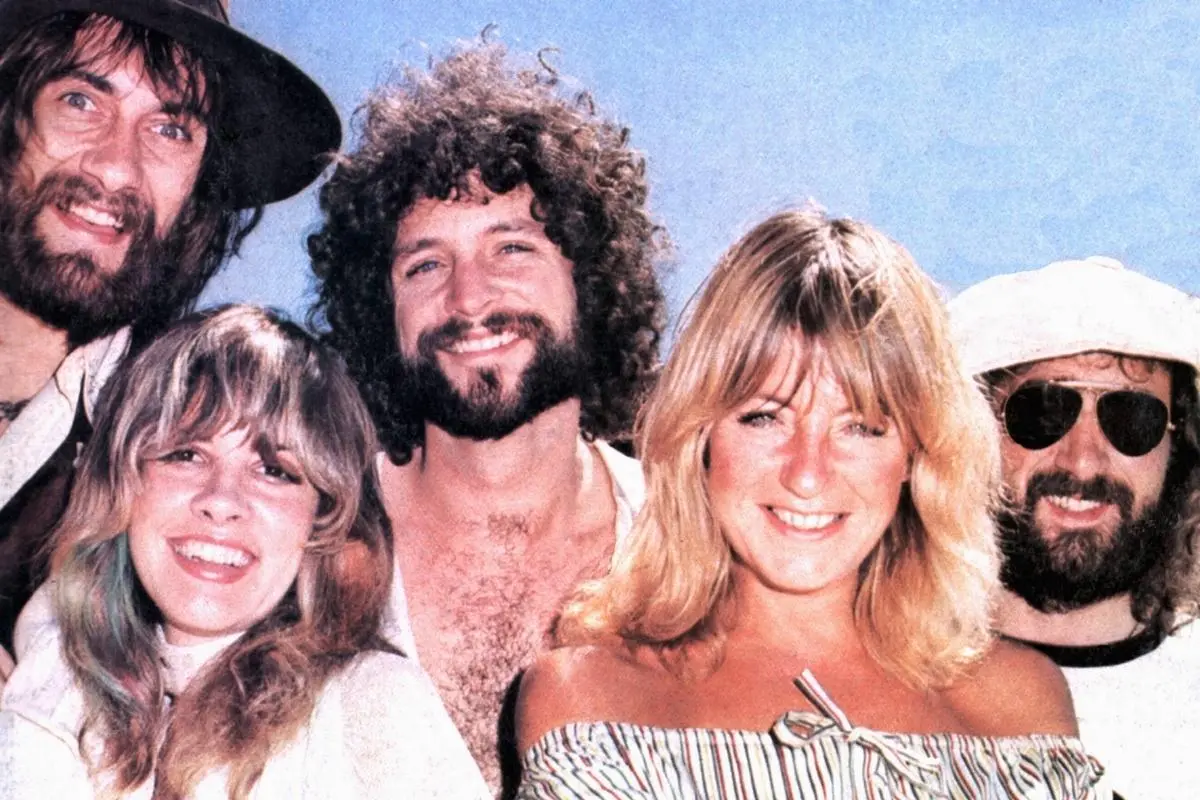
Chart story: modest pop peak, massive radio life
In the U.S., “Seven Wonders” did not top the Hot 100, which is exactly why it is such a fun case study. Songs can become “big” through repetition, formatting, and fit, not just a single peak week. “Seven Wonders” became a rock-radio favorite, climbing higher on rock formats than it did on the all-genre pop tally that casual listeners treat as the only scoreboard that matters.
In the UK, it also registered as a charting single, showing the band’s continued mainstream presence in a market that had followed them through multiple lineup eras, as reflected on the Official Charts listing for “Seven Wonders”.
Italy: the surprise love affair
One of the most eyebrow-raising parts of the “Seven Wonders” story is its standout performance in Italy, where it shows up as an especially strong entry in the band’s singles history there on the Italian chart record for the song. The reasons are hard to reduce to one factor, but the ingredients are obvious: romantic imagery, a chorus that feels like a sunrise, and production glossy enough to sit next to contemporary Italian radio staples of the late 80s.
It is also a reminder that “hit” is a local concept. The same record can be a slow-burn radio monster in one country and a mid-level chart moment in another.
What you’re actually hearing: the arrangement tricks that sell the chorus
Fleetwood Mac’s best singles work because they are architected. “Seven Wonders” uses a classic pop move: keep the verse relatively contained, then lift the ceiling in the chorus with harmony, brighter chord color, and an arrangement that suddenly feels wider than the room you’re in.
Even if you cannot name the exact tools, your ear catches the “upgrade” when the chorus hits. The backing vocals thicken, the rhythm section locks into a smooth-forward glide, and the whole mix leans into that “Tango” polish that made the album an 80s studio benchmark.
Christine McVie’s vocal: intimate, not theatrical
Christine’s strength is never about oversinging. She gives you the melody like it is a private confession, which paradoxically makes it easier for thousands of people to sing it in their cars. That’s a big part of why “Seven Wonders” plays so well on radio: it feels personal without demanding your full attention.
The music video: peak 80s symbolism with a Fleetwood Mac twist
The official “Seven Wonders” video is a time capsule: stylized visuals, symbolic cues, and the band framed like mythic pop figures rather than a bar-band-turned-supergroup. Watch it now and it is gloriously of its era, but also smart branding: Fleetwood Mac presenting themselves as classic and contemporary at once.
In the MTV age, a video did not just advertise a single. It anchored a song’s mood. “Seven Wonders” needed that dreamlike, romantic framing to match the lyric’s sense of wonder and longing.
Guitar and production: why it still sounds expensive
Tango in the Night is often discussed as a production-heavy record, and “Seven Wonders” benefits from that philosophy without becoming sterile. The textures are layered, but the track never loses its pop clarity. If anything, it is an argument that meticulous studio work can make a song feel more emotional, not less, because it controls how the listener’s attention moves.
If you play guitar or keys, this is also a great study track: the parts are supportive, not showy, and the song’s identity comes from how those parts interlock. Even modern sheet music listings emphasize the song’s singable structure and strong chord movement, which is the real engine behind its longevity in the sheet music arrangement for “Seven Wonders”.
How to listen like a musician (without killing the vibe)
You do not need to be a theory nerd to hear why “Seven Wonders” works. Try these practical listening prompts the next time it comes on:
- Count how quickly it gets to the hook. This is streamlined pop writing, not progressive-rock wandering.
- Focus on the background vocals in the chorus. They are not decoration; they are structural support.
- Listen for the “gloss.” The mix is bright, but not brittle, which is harder to pull off than people think.
- Notice the emotional temperature. The song is upbeat, but the feeling is complicated, like smiling through a memory.
“Seven Wonders” in the Fleetwood Mac ecosystem: underrated by design
Here’s the provocative take: “Seven Wonders” is underrated precisely because it is too functional. It does not have the tabloid mythology of “Go Your Own Way” or the cultural meme afterlife of “Dreams.” It is a craft record: perfectly engineered, instantly memorable, and emotionally precise, but not eager to show off.
That makes it a musician’s favorite and a programmer’s dream. It slips into a setlist or a radio hour without causing friction, then stays in your head anyway. As a piece of Fleetwood Mac’s late-80s identity, it proves the band did not just survive the decade – they helped define how adult pop-rock could sound in the era of gated drums and glossy FM, a point echoed in Rolling Stone’s review of Tango in the Night.
Quick reference table
| Item | What to know |
|---|---|
| Album | Tango in the Night |
| Primary voices | Christine McVie lead vocal on the well-known album single version |
| Songwriters | Stevie Nicks, Sandy Stewart |
| Why it lasts | Big chorus, layered production, emotional ambiguity |
Conclusion: the wonder is that it still works
“Seven Wonders” is not Fleetwood Mac’s flashiest legacy track, but it is one of their smartest. It shows how the band could convert tension into sheen, and how a lyric built on romantic imagery could still feel grounded when delivered by the right voice. If you want to understand why Tango in the Night keeps being rediscovered, start here, then follow the trail into the rest of the album’s neon-shadowed perfection as seen in critical ratings aggregation for the album.