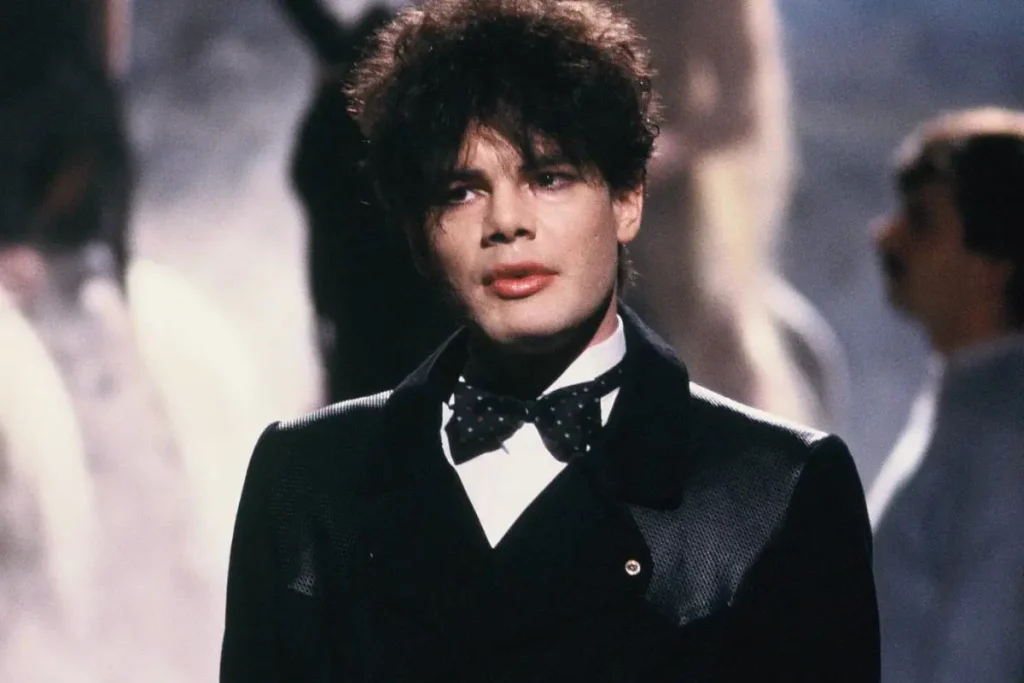
Some pop songs feel like a party invitation. Alphaville’s “Forever Young” feels like a late-night confession you were never supposed to overhear. Released in 1984, it’s glossy synth-pop on the surface, but emotionally it’s closer to a prayer: bold enough to ask for eternity, honest enough to admit it won’t happen.
It’s also a case study in how a song can “lose” the charts and still win history. “Forever Young” didn’t need a No. 1 peak to become immortal; it just needed time, repetition, and a chorus that hits the human nervous system like a memory you didn’t know you had.
Quick facts (so we’re all talking about the same song)
| Item | What to know |
|---|---|
| Artist | Alphaville |
| Songwriters | Marian Gold, Bernhard Lloyd, Frank Mertens |
| Album | Forever Young (debut album), as listed in repertoire credits |
| Era | Classic 1980s synth-pop, post-new-wave pop polish |
| Why it matters | A rare pop hit that treats mortality as the main hook |
The sound: dreamy keyboards, sharp edges
“Forever Young” is often described as “dreamy,” but the dream has teeth. The keyboard pads and glassy leads create a soft focus haze, while the rhythm programming stays steady and insistent, like a heart refusing to slow down.
It’s synth-pop built for big rooms and private headphones at the same time. That duality is the trick: you can sing it in a bar with your friends, or you can spiral to it alone at 2 a.m., and it works either way.
Why the arrangement still feels modern
Plenty of 80s records sound dated because the production screams “technology demo.” This one survives because the synths are serving emotion, not flexing circuitry. The song’s restraint is part of its power: it leaves space for the lyric to land.
And it lands because the melody is simple but unavoidable. The chorus moves like a slow tide, giving you time to feel every word you’re singing.
The lyrics: youth as a beautiful, doomed experiment
Most “youth” songs are basically marketing. “Forever Young” is the opposite: it’s a pop single willing to stare down the fact that youth is temporary and everyone knows it. The central tension is brutal: wanting eternity while living inside a clock.
“So many adventures couldn’t happen today.”
Marian Gold (as performed in Alphaville’s “Forever Young”)
That line, and others like it, give the song its bittersweet bite. It isn’t just nostalgia; it’s regret mixed with awe, like looking at old photos and realizing you can’t re-enter the frame.
It’s not just “stay young” – it’s “what if we can’t?”
The chorus is often misheard as a pure anthem. But the verses constantly undercut the fantasy, raising the stakes with imagery that hints at conflict, fear, and endings. The song doesn’t deny darkness; it folds it into the hook.
That’s why it ages well. The older you get, the less it sounds like a slogan and the more it sounds like a dare.
Moderate chart success, massive cultural afterlife
Here’s the provocative truth: the charts are an attention snapshot, not a longevity test. “Forever Young” is one of those records that demonstrates the difference between immediate popularity and permanent utility.
In Germany, the track’s chart history is documented through the country’s official chart database, where you can see it didn’t need a chart-dominating peak to become the song everyone knows anyway.
In the UK, Official Charts’ searchable archive shows how “Forever Young” exists in a wider ecosystem of similarly titled songs, but Alphaville’s version is the one that keeps returning in public memory and media usage.
Why the song kept coming back
Film, TV, and advertising love music that compresses a feeling into three minutes. “Forever Young” compresses an entire existential crisis into one chorus. That makes it endlessly reusable: prom scenes, breakup montages, “remember the good times” commercials, even ironic needle-drops that weaponize sincerity.
In other words, the song became a tool. And tools don’t disappear when a decade ends.
The music video: 80s imagery that actually matches the mood
The official video is a time capsule, but not a gimmick. It leans into the era’s stylized, slightly unreal visual language, which fits a song that’s basically about living in a dream you know will collapse.
You can still find the classic video presentation via the official “Forever Young” video, which has helped keep the “canonical” version circulating across generations of listeners.
Cover versions: the song’s secret superpower
A timeless song isn’t just one that people remember. It’s one that other artists can inhabit without breaking it. “Forever Young” has been covered in styles that range from stripped acoustic to glossy pop to choir-like reverence, and the core emotional mechanism stays intact.
One reason is structural: the melody is clear and singable. Another is lyrical: the premise is universal, which makes it adaptable to different voices, genders, and eras.
The song’s long-running life in pop culture and through covers is part of how it grew beyond its original release window.
A practical listening challenge
If you want to hear why the composition is sturdy, do this: listen to the original, then listen to any slow cover. If the song still hurts at half tempo with minimal instrumentation, that’s songwriting muscle, not production nostalgia.
Legacy and recognition: canon status without the usual gatekeepers
“Forever Young” has earned a kind of canon status that doesn’t rely on traditional rock-critic mythology. It’s synth-pop, it’s romantic, it’s earnest – and it refuses to apologize for any of that. That’s partly why it keeps being rediscovered by people who normally claim they “don’t like 80s music.”
Its inclusion in Rolling Stone’s “500 Greatest Songs of All Time” signals that the song has crossed from nostalgic favorite into widely acknowledged classic.
How to hear it like a musician (even if you’re not one)
If you’re exploring synth-pop or writing your own songs, “Forever Young” is a masterclass in emotional engineering. It gives you several replicable lessons without requiring you to own vintage gear.
Lesson 1: Make the chorus a thesis statement
The title phrase isn’t decorative; it’s the entire argument. Everything in the verses either supports the fantasy or threatens it, which keeps the listener emotionally engaged rather than passively entertained.
Lesson 2: Choose a vocal that sounds like it believes the words
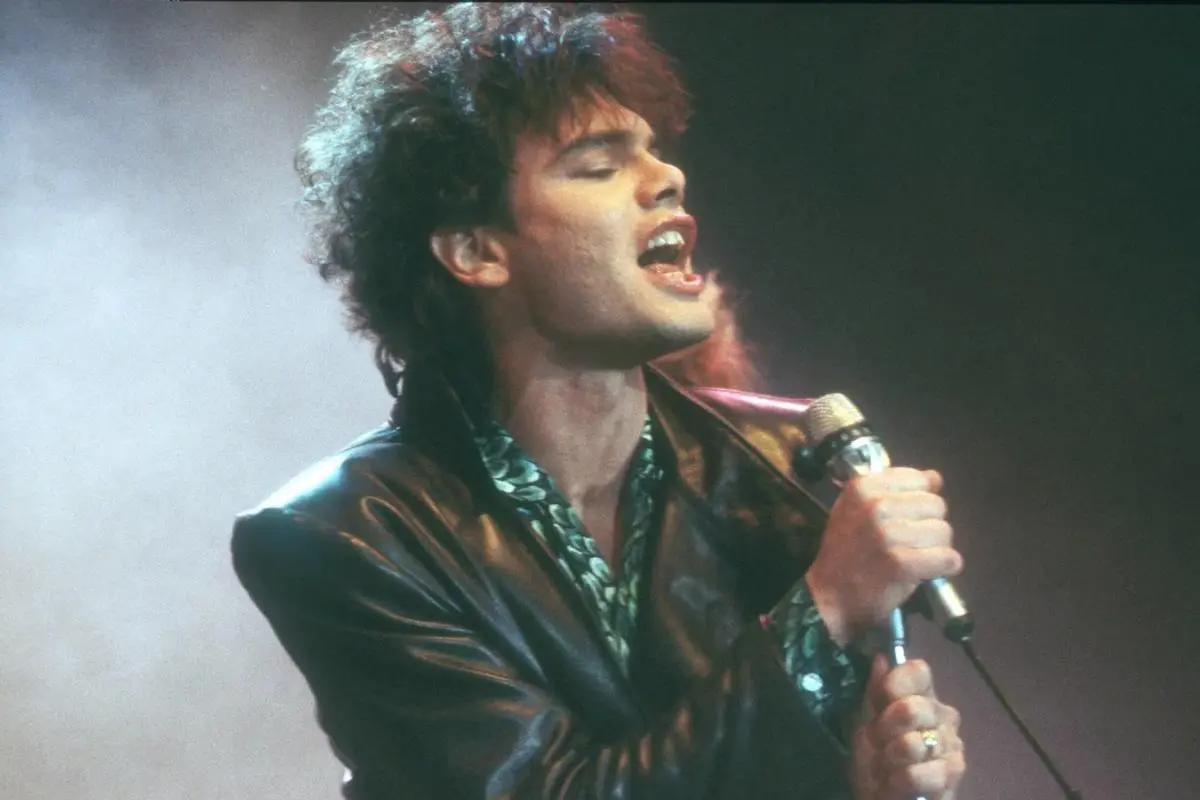
Marian Gold’s performance walks a fine line: dramatic, but not camp. The voice doesn’t wink at you. That sincerity is risky in pop, but it’s exactly what makes the song survive in cynical eras.
Lesson 3: Don’t overcrowd the arrangement
The track’s spaciousness is a feature. If you’re producing synth-heavy music, this is the reminder that pads and reverb can be storytelling tools, not just “80s flavor.”
The band’s own framing: “Forever Young” as a cornerstone
On Alphaville’s official site, the song and its various versions are treated as a central part of the band’s discography, reflecting how it became a defining piece of their identity over time.
And the album itself is positioned in the group’s timeline as a key early milestone, reinforcing that the track wasn’t an isolated fluke but part of a strong debut-era statement.
The edgy take: “Forever Young” is pop’s most polite horror story
Here’s the angle people miss: this is not a “feel good” anthem. It’s a song about the panic underneath youth culture, disguised as something you can dance to. If you’ve ever wondered why it hits hardest at weddings, reunions, and endings, that’s why.
It’s the rare hit that admits the truth most pop tries to bury: time wins. And then it dares you to sing anyway.
Conclusion: why it still matters
“Forever Young” endures because it doesn’t pretend. It offers the fantasy of staying young, then immediately exposes the cost of believing in it. That honesty, paired with shimmering synth-pop craft, is what turned a modest-era hit into a multi-generational standard.
Play it loud if you want the anthem. Play it quiet if you want the warning. Either way, it keeps its promise: it stays with you.