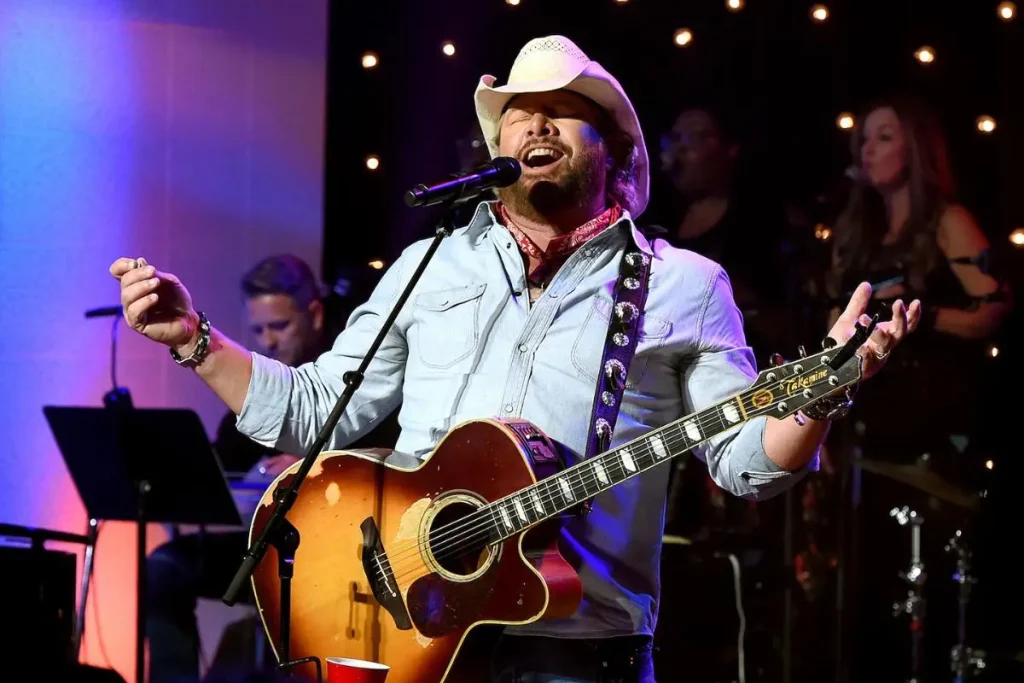
Some debut singles arrive politely. Toby Keith’s “Should’ve Been a Cowboy” kicked the saloon doors off.
Released in 1993, the song didn’t just introduce a new voice in country music – it handed listeners a fully built escape hatch: a romantic, rowdy, wide-open West where regrets get rewritten and the horizon always looks better than the time clock. “Should’ve Been a Cowboy” is nostalgia with a backbeat, and it became a defining cultural artifact of the era when country was modernizing without totally cutting its roots.
“Should’ve been a cowboy.” – Toby Keith, “Should’ve Been a Cowboy” (1993)
The basic facts (and why they matter)
“Should’ve Been a Cowboy” was the breakthrough single from Toby Keith’s self-titled debut album, and it quickly established his persona: plainspoken, hook-heavy, and unafraid to swing big on imagery. The song is widely credited as his first No. 1 hit, launching a career that would dominate country radio for decades.
In the long view, its commercial power is hard to overstate. SoundExchange later certified “Should’ve Been a Cowboy” as the most-played song of the 1990s on U.S. digital radio services and satellite radio – an unusual kind of milestone that tells you the track didn’t just peak, it endured.
The fantasy at the center: a working person’s rebellion
At its core, “Should’ve Been a Cowboy” is a song about dissatisfaction that never names the job you’re stuck in. That’s the trick – it lets listeners project their own routine, their own beige office walls, their own commute, their own compromises.
The narrator isn’t asking for a vacation. He’s fantasizing about a total identity swap: trading modern life for a mythic code of honor where you’re judged by nerve, skill, and swagger.
Why the “cowboy” still sells
The cowboy isn’t just a hat and a horse; he’s a symbol of self-rule. American culture keeps recycling the cowboy because it’s a clean, dramatic antidote to the way most people actually live: scheduled, supervised, and boxed in.
Institutions that preserve Western heritage, like the National Cowboy and Western Heritage Museum’s framing of the cowboy as a living cultural figure, explicitly treat cowboy stories and imagery as forces that still shape American identity.
Storytelling that moves like a movie montage
Keith writes in snapshots: rodeo arenas, famous outlaw names, quick flashes of frontier justice. The song works like a highlight reel of Western mythology, the way a kid might daydream it after watching one too many cowboy flicks.
That technique is older than people think. Cowboy songs have long used compressed storytelling and repeatable choruses to turn frontier life into singable legend, a tradition documented in archival collections like the Library of Congress National Jukebox.
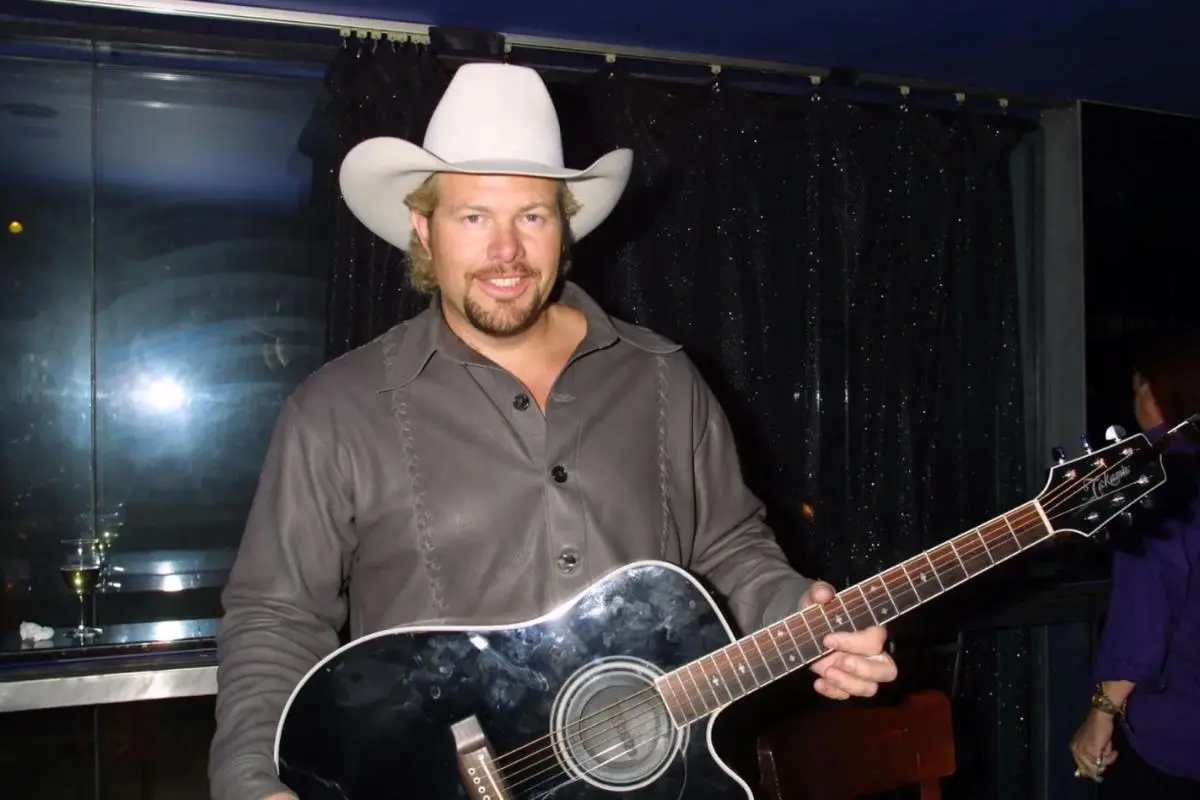
The secret weapon: namedropping as time travel
When “Should’ve Been a Cowboy” references cowboy icons, it isn’t trying to be historically rigorous. It’s trying to be emotionally efficient.
Namedropping functions like a shortcut: a single proper noun can summon an entire world of horses, dust, risk, and romance. In pop songwriting terms, it’s a cinematic cut that saves verses while deepening the setting.
Traditional roots, modern edge: the ’90s country tightrope
Sonically, the track sits in that sweet spot where early ’90s country lived: clean production, radio-ready dynamics, and enough twang to satisfy traditionalists. It’s not an old-timey Western ballad, but it borrows the genre’s most important ingredient: forward motion.
Keith’s delivery also helped. His vocal is confident and conversational, as if he’s leaning across the bar telling you the life he should’ve lived. That relatability is part of why the song kept circulating well beyond its first chart run.
What the sheet music hints about the song’s accessibility
One reason the tune became a campfire and bar-band staple is that it’s built to be playable. Published sheet music listings typically place it in comfortable guitar-friendly territory, reinforcing how easily the song moves from radio to real life.
The cultural moment: why 1993 was perfect timing
Country music in the early ’90s was expanding fast. The genre was pulling in new listeners who wanted big choruses and vivid storytelling, but didn’t necessarily want pop polish to erase the grit.
Big, anthemic singles were thriving, and “Should’ve Been a Cowboy” arrived as both nostalgic and current. It’s a song about the past that feels like a present-tense adrenaline rush.
Industry coverage repeatedly underscored Keith’s status as a major hitmaker of the era, and his debut single is the ignition point.
Edgy take: the song is “cosplay,” and that’s why it works
Here’s the provocative truth: “Should’ve Been a Cowboy” isn’t a history lesson, and it doesn’t pretend to be. It’s country music cosplay – the emotional thrill of putting on a tougher, freer version of yourself for three minutes and change.
And in a culture where so many people are stuck optimizing their lives like spreadsheets, cosplay is power. The song says you’re allowed to want something irrational: a life ruled by instinct and story instead of KPI and policy.
That tension between reality and myth is also central to how country music has been portrayed in major documentary work examining the genre’s history and cultural role.
Longevity: from hit single to decade-defining benchmark
Lots of No. 1 songs age into trivia. This one aged into infrastructure. It stayed in rotation, got played at parties, showed up in cover sets, and effectively became a “default” country song for people who don’t even listen to much country.
SoundExchange’s “most-played of the 1990s” certification gives that feeling a hard data point: the track functioned as an era’s signature on platforms that measure repetition at scale.
It also became shorthand for Toby Keith himself
Even as Keith’s catalog grew to include patriotic anthems, comedic jabs, and heartbreak songs, “Should’ve Been a Cowboy” remained the most instantly recognizable introduction to his voice and persona. Career retrospectives repeatedly lead with it for a reason: it’s the origin story.
Under the hood: credits, publishing, and why that matters to musicians
If you’re a working musician, the song’s afterlife is a reminder that publishing and proper credits are not paperwork – they’re legacy. Performance rights organizations document songwriting ownership and are often the cleanest public record of who wrote what, which becomes crucial when a song turns into a standard.
Similarly, industry databases like ASCAP’s repertory search exist because hit songs have long tails: covers, broadcasts, streaming, licensing, and live performances that keep generating royalties.
How to hear it like a music nerd (without killing the fun)
Try this on your next listen
- Listen for the “lift” into the chorus – it’s engineered to feel like stepping into sunlight.
- Notice how quickly scenes change – the lyrics move like film cuts, not like a linear story.
- Pay attention to the moral frame – it’s not outlaw chaos, it’s “honor” and “freedom” coded as virtue.
- Feel the singalong design – this is crowd architecture disguised as a personal regret.
Quick reference table: what the song promises vs. what it really sells
| Lyric idea | What it “means” | Why it hits listeners |
|---|---|---|
| Rodeo life | Risk, grit, glory | It’s danger with a rulebook |
| Outlaw legends | Freedom from control | Rebellion without paperwork |
| Frontier justice | Clear right and wrong | Modern life rarely feels that simple |
| “Should’ve been…” | Regret and longing | Everyone has an unlived life |
Conclusion: a three-minute escape that became a landmark
“Should’ve Been a Cowboy” endures because it doesn’t ask you to believe the West was perfect. It asks you to admit that you want a life that feels bigger than the one you’re living.
That’s why Toby Keith’s debut wasn’t just a hit – it was a permission slip. And decades later, people are still cashing it.