
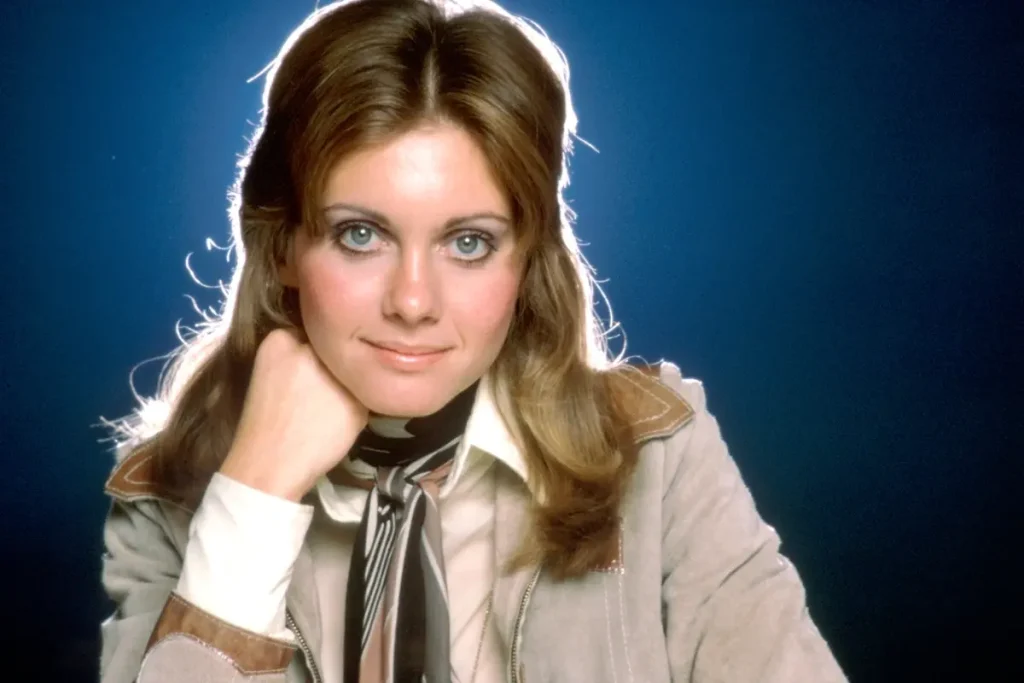
Eurovision has always loved a weird casting choice. But few are stranger, in hindsight, than the night an Australian-born singer was asked to embody “the United Kingdom” while a Swedish band detonated pop history in the same show.
In 1974, Olivia Newton-John took the Eurovision stage in Brighton for the UK with “Long Live Love,” placed fourth, and then spent the rest of her life being politely haunted by it. Meanwhile ABBA, in glam-rock costume and full confidence, won with “Waterloo” and never looked back on their Eurovision Song Contest 1974 victory.
This is the story of one of Eurovision’s most fascinating near-misses: not because Olivia “failed,” but because the contest exposed the most brutal truth in show business – fit matters as much as talent.
Why Olivia Newton-John representing the UK was so unusual
Olivia Newton-John was born in Cambridge, England, raised in Australia, and broke through as an artist in the UK market. In other words: she was transnational before pop marketing made that sound chic.
Eurovision’s rules have never required artists to hold the nationality of the country they represent, which is why “non-native” representatives pop up across decades – and why the UK could send Olivia Newton-John as its 1974 entry.
Still, in 1974, the optics were awkward. Eurovision is a TV spectacle where viewers instinctively grade “authenticity,” accents, and cultural signaling, even if the rulebook does not. Olivia was suddenly asked to wear “UK representative” like a costume, and she knew it.
“I didn’t really want to do it.”
Olivia Newton-John, recalling Eurovision 1974 (as quoted in later Eurovision retrospectives)
The UK selection: one singer, one slot, and four competing versions
The UK broadcaster format that year made the problem worse. Instead of selecting a single locked-in performance package, the BBC had Olivia sing multiple candidate songs on TV and then sent the public’s pick to Eurovision.
“Long Live Love” won that internal UK race, but the process left a lingering mess: orchestration. Eurovision in the 1970s required a live orchestra, and each national broadcaster could push its own musical preferences.
The result is one of those very Eurovision problems that only Eurovision could invent: Olivia reportedly had to sing with four different orchestral arrangements as broadcasters could not agree on a single one.
From a musician’s perspective, that is not a small inconvenience. Arrangement is not wallpaper – it shapes phrasing, breathing, tempo feel, and even how a singer emotionally “places” the chorus. Ask any vocalist: change the arrangement and you often change the performance.
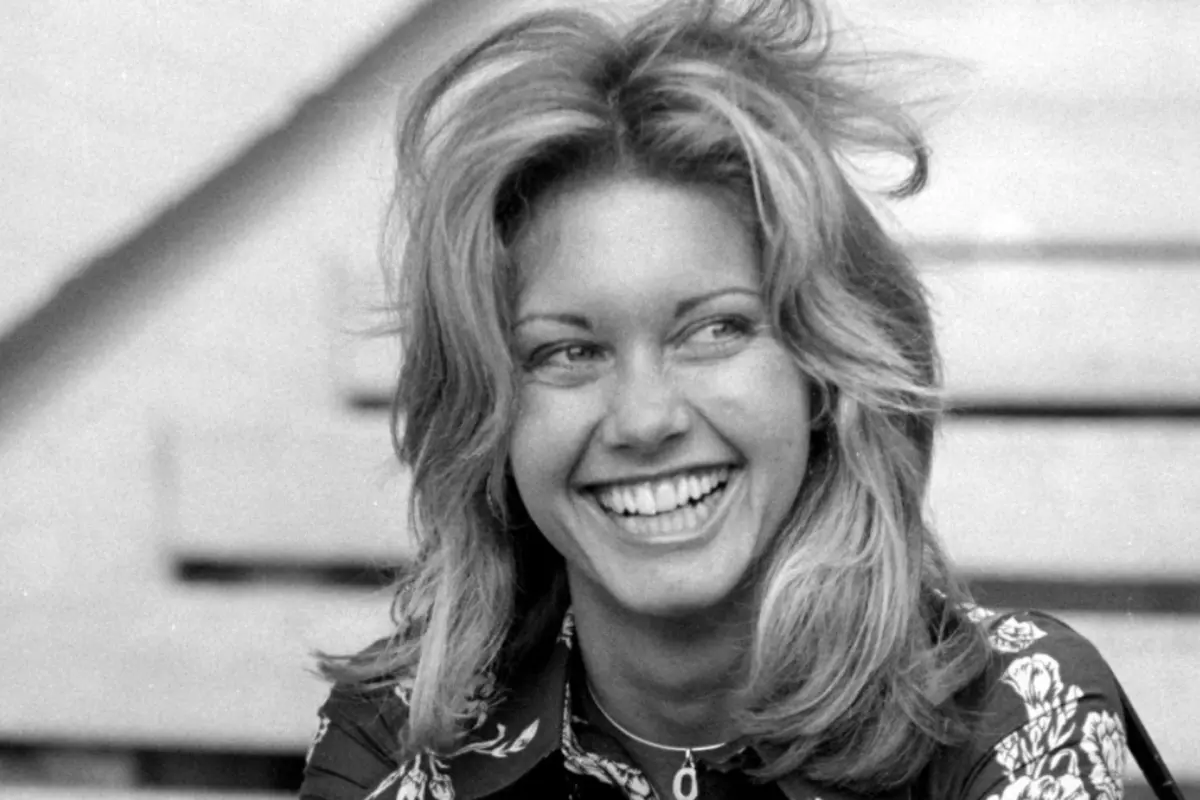
Brighton 1974: the night ABBA rewired the contest
The 1974 contest took place at the Brighton Dome in England, with 17 countries competing. It is remembered less for its staging (very 1970s: polite lighting, formal camera language) and more for one thing: ABBA’s breakthrough.
ABBA won with “Waterloo,” a song that fused glam-era punch with airtight pop writing. It did not feel like a “contest entry” so much as a record already built for radio domination.
That matters because “Waterloo” changed the energy of the room. Eurovision often rewards big, simple hooks, but ABBA brought something sharper: a confident band identity and a modern sound. Olivia, by contrast, arrived with a classy, traditional pop performance and a song that sounded like the last chapter of an older era.
Final result: Olivia placed 4th
Olivia Newton-John finished fourth for the UK with “Long Live Love.” ABBA took first. The scoreboard looks respectable for Olivia, but the cultural aftershock made fourth place feel like a footnote in the 1974 participants and voting.
In Eurovision terms, fourth is usually a “great result.” In pop-history terms, 1974 is remembered as the night ABBA became ABBA.
“Long Live Love” vs “Waterloo”: why one felt timeless and the other felt trapped
Let’s be blunt: this is not about vocal ability. Olivia could sing circles around many contest performers. The issue is that “Long Live Love” sits in a sweet-voiced, orchestral pop lane that Eurovision was starting to outgrow.
ABBA’s “Waterloo” sits closer to rock and contemporary radio writing of the time, with rhythmic drive and a clear band persona. Even the title is clever branding: a historical reference that doubles as romantic metaphor and instant hook.
“Long Live Love” is more traditional in construction and message. It is uplifting and melodically solid, but it reads like “general sentiment” rather than a distinct artistic statement. Eurovision voters can be surprisingly sensitive to that difference.
The emotional core: why Olivia later called it awkward
Most Eurovision alumni either milk the nostalgia or bury the memory. Olivia did something more human: she admitted she felt out of place.
She was already building a career that would later include American pop superstardom and film icon status. But Eurovision, especially in that era, was a tight box: formal presentation, heavy orchestral framing, and national symbolism piled onto one person’s shoulders.
When Olivia suggested she did not feel like she fit the “UK representative” role, it was not a dig at the UK. It was an artist noticing the mismatch between her identity and the job she was being asked to perform.
What the live-orchestra rule meant for singers (and why those four arrangements mattered)
Modern Eurovision is built around fixed backing tracks and tightly rehearsed stagecraft. In 1974, the orchestra was not a quaint accessory – it was the engine of the show.
Orchestral backing brings prestige, but it also introduces risk: different conductors and arrangements can subtly alter tempo, groove, and dynamics. For a pop singer, that can feel like performing on shifting sand.
Olivia’s “four arrangement” problem is basically the nightmare version of that. Even if each arrangement was technically good, switching between them forces a singer to re-learn micro-choices: where to lean into a note, where to hold back, and how to time consonants so the lyric lands.
Quick musician’s checklist: why arrangement changes affect vocals
- Tempo feel: even a 2-3 BPM difference changes breath planning.
- Harmony density: thicker chords can mask vocal detail or force brighter tone.
- Intro length: changes mental count-in and performance adrenaline.
- Dynamic shape: big orchestral swells can push a singer to over-sing.
Did Eurovision help or hurt her career?
If you measure “help” as “instant explosion,” then no. ABBA got the rocket. Olivia got a respectable finish and a memory she did not love revisiting.
If you measure “help” as “another major TV platform in the UK during a key career-building phase,” then yes. Eurovision put her in front of a massive audience at a time when variety TV still mattered enormously.
But the bigger point is this: Olivia Newton-John’s eventual legacy was never going to be decided by Eurovision. Her career became bigger than the contest itself, which is why this episode now plays like a strange alternate-universe cameo in her story.

The uncomfortable lesson: Eurovision is not just a singing contest
Here is the provocative claim that annoys purists: Eurovision is less about “best song” than “best fit for a three-minute TV moment.” It rewards clarity, identity, and commitment.
ABBA arrived with an identity you could describe in a sentence. Olivia arrived with a gorgeous voice and a role she did not fully believe in. In a contest built on confidence and instant messaging, that difference is brutal.
Even her fourth-place finish supports the idea: the song and performance were strong enough to score well, but not disruptive enough to define the year.
1974 in one glance
| Item | What happened | Why it still matters |
|---|---|---|
| Location | Brighton Dome, UK | Host nation spotlight amplified the “UK rep” weirdness |
| UK entry | Olivia Newton-John – “Long Live Love” | Fourth place, but remembered as a mismatched moment |
| Winner | ABBA – “Waterloo” | One of Eurovision’s biggest career launches |
For listeners today: what to listen for in Olivia’s performance
If you revisit “Long Live Love” with musician ears, do not listen for fireworks. Listen for control. Her tone stays clean through rising phrases, and her diction stays crisp even when the melody pushes upward.
Also listen for restraint. Many singers would try to “win” Eurovision by belting harder. Olivia sounds like she is trying to sing the song well, not dominate the room, which is both admirable and, in Eurovision terms, slightly dangerous.
Conclusion: a classic case of the wrong gig at the right moment
Olivia Newton-John at Eurovision 1974 is fascinating because it is a rare glimpse of a future superstar in a format that did not quite suit her. She did not flop – she placed fourth in a competitive year.
But in the same broadcast, ABBA showed what happens when a contest entry does not just compete, it redefines the frame. That contrast is why this night still feels so electric: one performer trying to fit in, another arriving like they owned the place.


