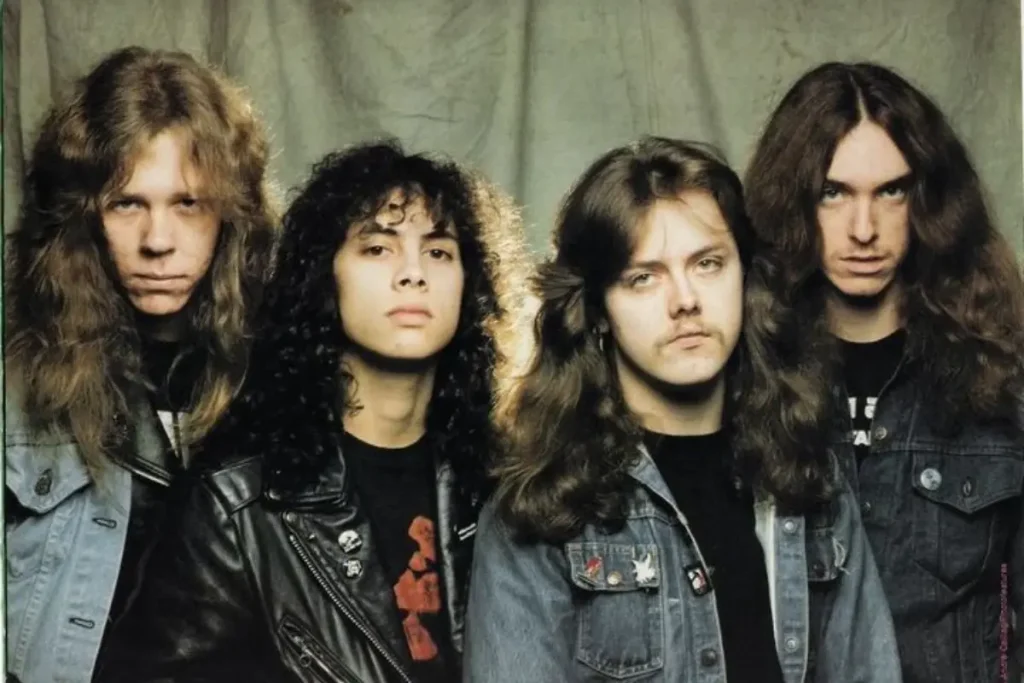
Metallica in 1984 is the rare year where you can hear a band changing its brain in real time. They start the year as a hungry thrash act with a reputation, a van, and a point to prove, and they end it with Ride the Lightning out in the world – a record that thinks in chapters, not riffs. And the twist is that the biggest leap didn’t happen in California or New York. It happened in Copenhagen.
This is also the year Cliff Burton’s musical vocabulary stops being “cool bassist things” and starts functioning like a second songwriting engine. If 1983 is Metallica learning how to win a fight, 1984 is them learning how to run a campaign.
Why Copenhagen mattered: the studio move that changed the writing
Metallica recorded Ride the Lightning at Sweet Silence Studios in Copenhagen with producer Flemming Rasmussen, a choice that effectively forced the band into a creative bubble. The distance from home meant fewer familiar distractions and more time living inside the album’s world. The payoff is audible: more harmony, more dynamics, and more “composition” thinking.
Even the band’s own album notes around Ride the Lightning highlight how central Sweet Silence and Rasmussen were to the record’s identity and sound. That matters because it frames Copenhagen as more than a travel anecdote – it was a deliberate attempt to level up.
Thrash was supposed to be fast – not cinematic
Early thrash rewarded speed, aggression, and scene loyalty. In that context, Ride the Lightning is almost mischievous: it keeps the violence, but starts arranging it like a film score. The album doesn’t just pummel – it sets scenes, switches lighting, and uses tension as a weapon.
| What changed from 1983 to 1984 | What you hear on Ride the Lightning |
|---|---|
| Riffs as the main event | Riffs plus bridges, intros, and contrasts that serve a bigger arc |
| One dominant tempo feel | Tempo and texture shifts inside the same song |
| Lead breaks as flash | Lead harmonies and motifs that sound “composed” |
| Thrash purity tests | Ballad elements, acoustic guitar, and mood-first writing |
Flemming Rasmussen: not just a producer, a translator
Rasmussen’s reputation in metal history is often reduced to “the guy who produced Metallica’s classic era,” but that undersells the job. A producer in this situation is partly an interpreter: taking a band’s ambition and converting it into decisions about tone, layering, and performance. Rasmussen is closely associated with Ride the Lightning (and later Master of Puppets) for a reason.
What’s striking about Ride is that it still sounds like four humans playing aggressively in a room, yet the record makes space for detail. That balancing act is the line between a great demo and a great album.
Cliff Burton’s “vocabulary”: the secret reason 1984 feels bigger
Cliff Burton wasn’t merely holding down low end. In 1984 Metallica, he’s a musical broaden-the-horizon device: harmony instincts, classical awareness, and an ear for dramatic phrasing that nudges the band away from monochrome aggression. The band’s own historical overview makes clear how rapidly they were evolving in this era, and Burton is inseparable from that story.
Here’s the uncomfortable truth thrash purists don’t love: Metallica got bigger because they stopped acting like genre police. Burton’s influence helped make “bigger” sound like “deeper,” not “softer.”
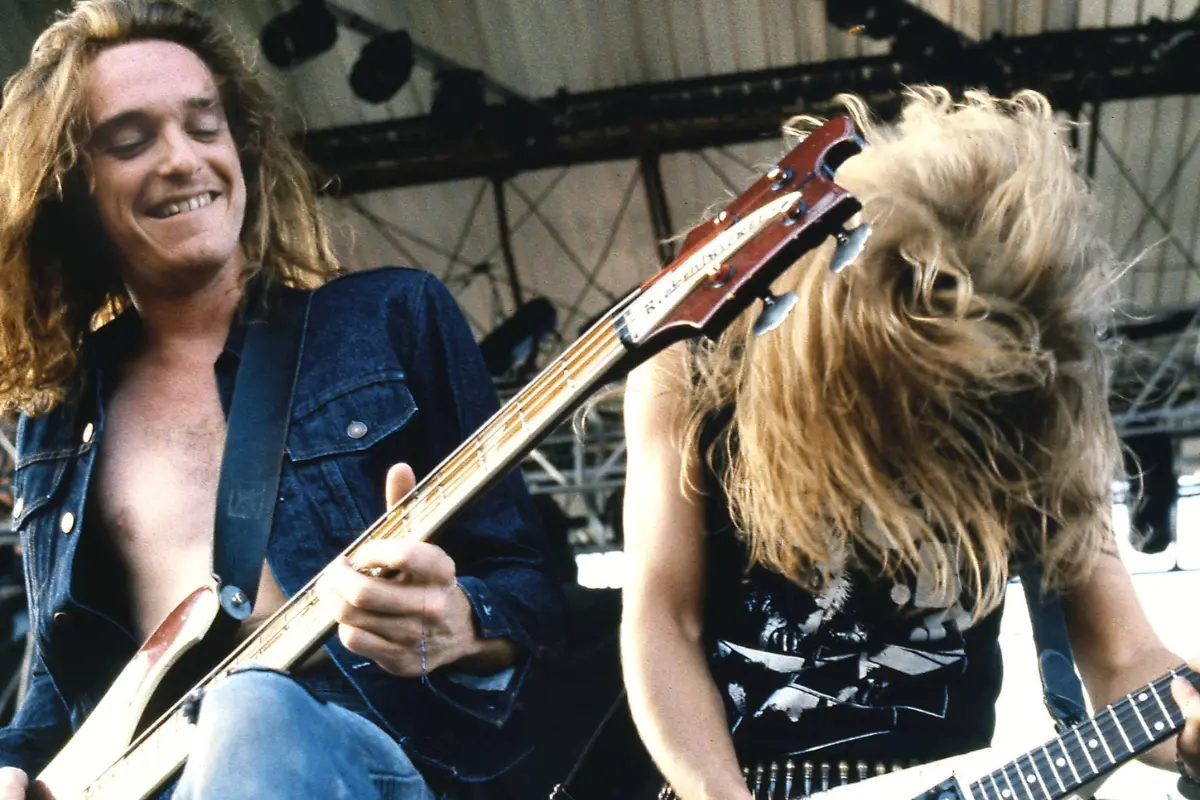
That “guitar” intro on “For Whom the Bell Tolls” is bass
One of the most famous sonic fake-outs in metal is the opening figure of “For Whom the Bell Tolls.” Many listeners assume it’s a guitar line, but it’s Cliff’s bass pushed through effects to create a doom-heavy lead voice. This is a key example of 1984 Metallica expanding the band’s palette without asking permission.
As a quick reference point, Cliff Burton’s bass intro (using effects) is widely documented. That single decision sets an ominous mood that feels more like heavy cinema than bar-fight thrash.
“No man is an island, entire of itself.”
John Donne, Devotions upon Emergent Occasions
It’s a fitting quote to hang over 1984 Metallica: the band didn’t evolve in isolation. They evolved by absorbing outside ideas (European studio culture, broader listening, bigger arrangements) and forging them into something that still hit like a weapon.
Breaking “thrash rules” on purpose: contrast becomes the new aggression
Ride the Lightning is full of moves that look obvious now, but were provocative then. The album’s opening track “Fight Fire with Fire” famously begins with a clean, almost pastoral acoustic intro before detonating into speed. That’s not just a cool intro – it’s a manifesto: Metallica wanted dynamics, not only velocity.
Metallica’s account of how Ride the Lightning came together helps document that these choices weren’t accidental flourishes, but part of the album’s intended arc. Even without liner-note analysis, the structure itself tells you the band is thinking in scenes.
“Fade to Black”: the controversial pivot that made them impossible to ignore
Then comes “Fade to Black,” an early proof that Metallica were willing to write emotional, slower material without becoming a different band. In the early thrash ecosystem, ballad-adjacent writing could get you accused of selling out before you’d even bought in. But Metallica didn’t treat softness as weakness – they used restraint to make the heavy parts hit harder.
Metallica’s own official full-album release stream places “Fade to Black” squarely inside the Ride the Lightning experience, not as an out-of-character bonus. That framing matters: this wasn’t a detour. It was the route.
If you’re a musician, take note of the strategy: contrast is a form of intensity. The calm sections aren’t “breaks,” they’re tension builders.
The electric chair cover: the band announces its new appetite for themes
The cover of Ride the Lightning is not subtle. The electric chair image broadcasts a thematic ambition that matches the music: punishment, fear, moral panic, and spectacle. Even if you never read a lyric sheet, you understand that Metallica are now making albums with a mood you can see.
The electric chair as an American cultural symbol has a long, documented history, and seeing it elevated to album iconography in 1984 makes the point: this band was graduating from party violence to darker storytelling.
1984 as infrastructure: the gravity of a bigger industry orbit
Ride the Lightning did more than impress fans – it proved Metallica could build songs that rewarded repeat listening. That’s the kind of skill labels and larger management ecosystems tend to chase, because it scales. In other words: once you can write at album level, you become a long-term asset, not just a hot club act.
It’s also a hinge point in their discography: Master of Puppets would soon push the “compositional thrash” idea even further, and Metallica’s own catalog notes show how quickly the band was moving from one major statement to the next.
Provocative claim (with a practical lesson)
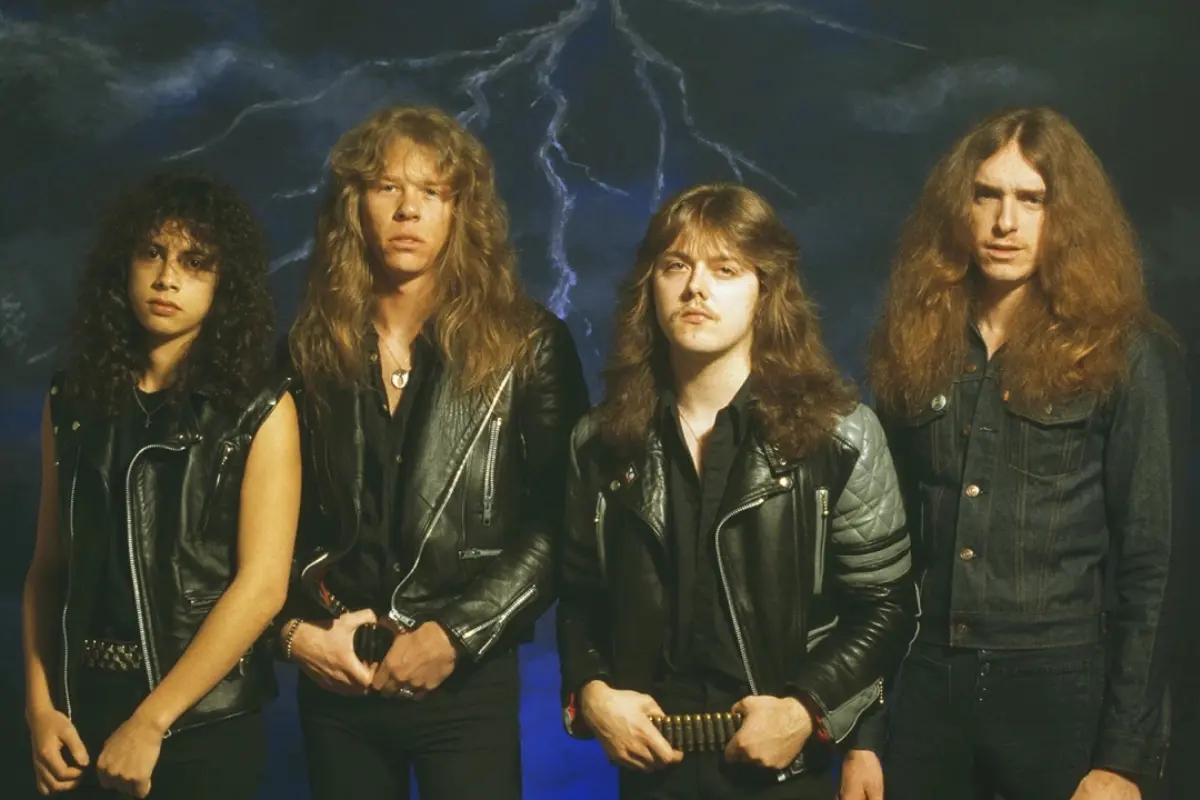
Here’s the edgy way to say it: in 1984, Metallica didn’t just get better – they got dangerous to every other metal band’s career prospects. Because once audiences heard thrash with structure, atmosphere, and hooks, a lot of straightforward speed suddenly sounded like a rough draft.
For players and writers, the practical lesson is simple:
- Change your environment when your ideas plateau. New rooms create new decisions.
- Write intros and bridges like they matter. The “in-between” sections are where identity lives.
- Use dynamics as a weapon. Soft parts are not apologies; they’re set-ups.
- Let one member be the “music nerd”. A band needs someone who brings new vocabulary.
Listening guide: hear the 1984 leap in 5 minutes
If you want a quick ear-training exercise, queue these moments and listen specifically for arrangement choices rather than riffs:
- “Fight Fire with Fire”: acoustic-to-attack contrast, and how the tempo shift feels inevitable.
- “For Whom the Bell Tolls”: bass as lead voice, and how tone creates character.
- “Fade to Black”: how the clean sections shape the heaviness later.
For official-reference listening entry points, Metallica’s YouTube channel provides direct access to the band’s catalog presentation and releases.
Conclusion: 1984 is when Metallica started writing like historians would be listening
Metallica’s 1984 jump wasn’t luck or “bigger budgets.” It was a set of choices: leave home, pick the right collaborator, and allow the songs to become more than containers for riffs. Add Cliff Burton’s harmonic imagination and a willingness to violate scene expectations, and you get a record that still sounds like a line in the sand.
Ride the Lightning isn’t just the moment Metallica got bigger. It’s the moment they started acting like albums mattered.