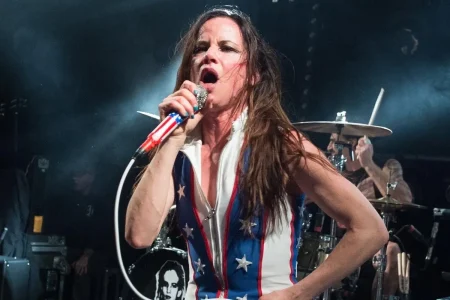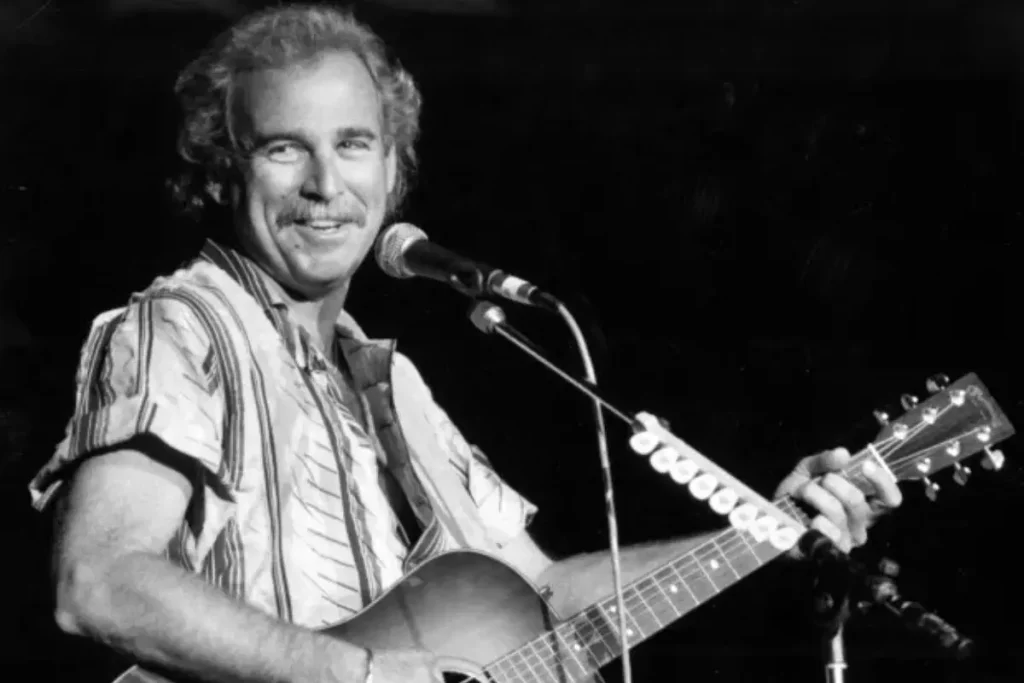
Some collaborations feel like a label meeting. The 2010 CMT Crossroads pairing of Zac Brown Band and Jimmy Buffett felt like a campfire that accidentally got filmed. Put Buffett’s salt-air storytelling next to Zac Brown Band’s polished country-rock groove, and “A Pirate Looks at Forty” stops being a nostalgia piece and turns into something sharper: a confession you can sing with a beer in your hand.
The performance landed because it never tried to modernize Buffett into “country” or turn ZBB into a tribute act. It simply let two adjacent musical worlds overlap, and the overlap was huge. The show itself is built for these collisions, matching artists from different genres to reinterpret each other’s catalogs in a live setting.
Why this pairing worked (and why it still does)
Buffett and Zac Brown Band share a core value that a lot of mainstream radio forgets: vibe is a genre. Buffett’s “Gulf and Western” world and ZBB’s Southern coastal-country identity both revolve around place, food, drink, and the kind of wisdom you only earn after making the wrong choices on purpose.
By 2010, Zac Brown Band had already built a reputation on feel-good craftsmanship with strong musicianship and big choruses. Buffett, decades into his career, had proven that a relaxed tempo can still carry weight if the lyrics are honest.
“Yes, I am a pirate, two hundred years too late.” – Jimmy Buffett, “A Pirate Looks At Forty”
“A Pirate Looks at Forty”: the song is sunnier than the message
Here’s the uncomfortable truth: “A Pirate Looks at Forty” is not really about beaches. It’s about aging, regret, and the suspicion that your best self is stuck somewhere behind you, just out of reach. The tropical imagery works like a cocktail umbrella: it makes the bitter go down easier.
The song originally appeared on Buffett’s 1974 album A1A, an era when he was shaping the coastal drifter persona into something lasting. Over time, “Pirate” became a signature because it speaks to anyone who’s ever felt both lucky and vaguely lost at the same time.
The emotional engine (in plain terms)
- Identity crisis – the narrator romanticizes outlaw freedom but admits he’s out of sync with the era.
- Time anxiety – “forty” is less a number than a line in the sand.
- Soft landing – the melody offers comfort even as the lyrics refuse to tidy things up.
What CMT Crossroads adds that a normal duet can’t
CMT Crossroads is not just “Artist A sits in on Artist B’s hit.” Its whole format is designed around swapping songs and collapsing stylistic distance in real time. That structure matters for “Pirate” because the song benefits from community. It’s basically group therapy disguised as a singalong.
The Zac Brown Band and Buffett episode leaned into that idea: musicians packed onstage, everyone grinning, but no one treating the lyric like a joke. The band’s dynamics made the tune feel fuller without sanding off its weariness.
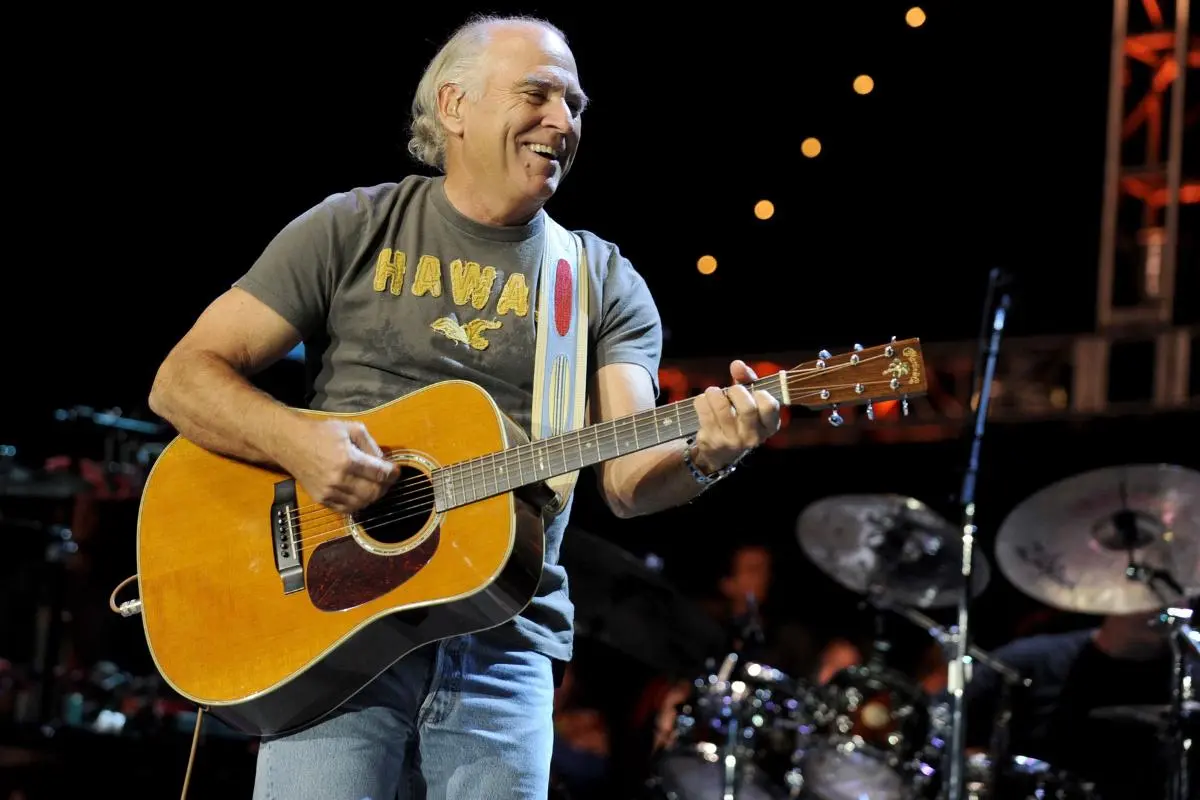
The performance: how the arrangement blends their DNA
Even if you only catch clips, the musical choices tell you why this collaboration stayed in fans’ memories. Zac Brown Band’s sound is built for hybridization: country instrumentation, rock energy, and a rhythm section that can sit in a pocket without rushing. Buffett’s catalog thrives when the groove is steady and the vocal phrasing feels conversational.
In their “Pirate” moment, you can hear a few key ingredients:
- Band-forward accompaniment – ZBB fills the sonic space with clean ensemble playing rather than flashy solos.
- Easy tempo, firm pocket – the rhythm keeps the song from drifting into sleepy nostalgia.
- Shared lead presence – the vocal handoff makes the narrator feel less alone, which changes the emotional temperature.
For viewers who want to relive the performance, the band’s official channels and updates are a better bet than random reposts.
Jimmy Buffett’s “pirate” is a character, not a costume
It’s tempting to reduce Buffett to beach jokes and frozen drinks. That’s the brand surface. Underneath is a writer who made middle-aged restlessness sound poetic, then built an empire around it.
Buffett’s career has long extended beyond records into a broader lifestyle universe of music, travel, and community, as reflected on the song’s long-running commentary and background notes. In that context, “Pirate” isn’t novelty. It’s one of the most honest mission statements he ever wrote.
Zac Brown Band’s role: translating without diluting
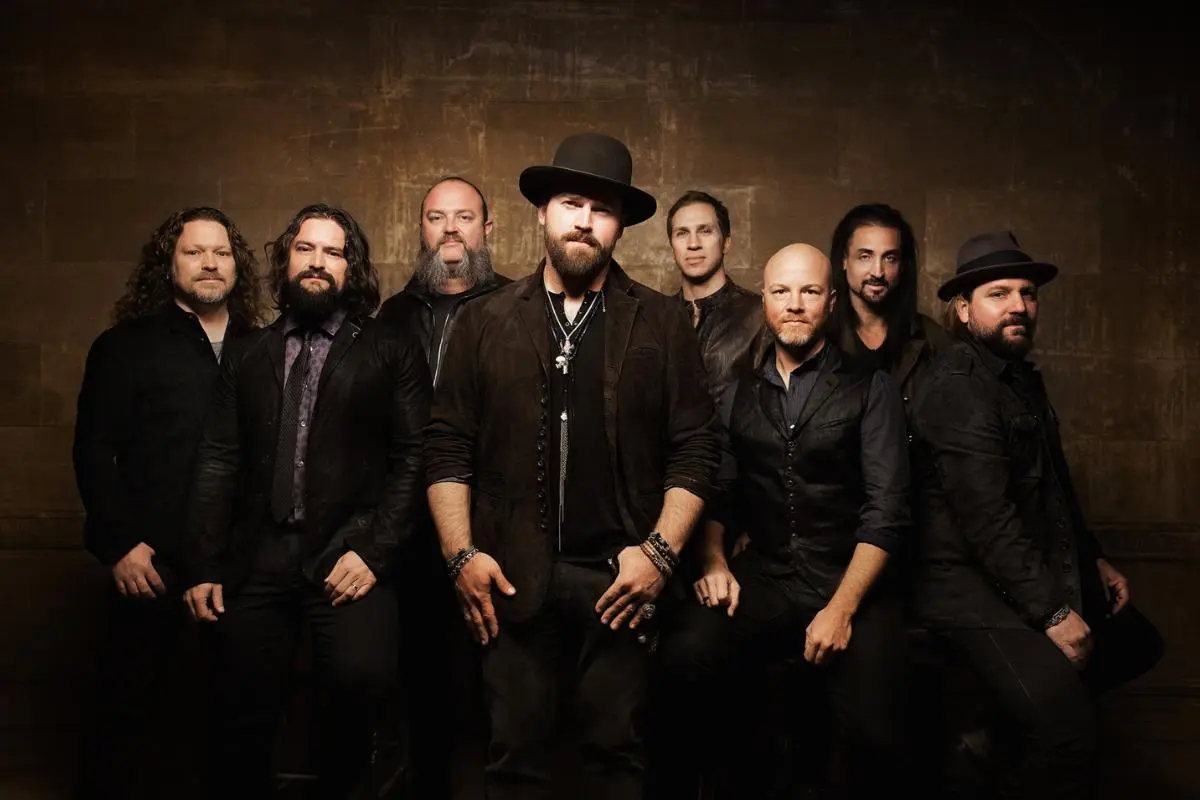
Zac Brown Band often gets filed under “party country,” mostly because the hits are fun and the hooks are huge. But they’re also meticulous musicians who can pivot between tenderness and stadium volume. Their official bio and touring identity lean heavily on the idea of a big, communal live show, which helped set the stage for the Buffett + Zac Brown Crossroads team-up.
That matters because “Pirate” needs a band that can play with restraint. If you oversing it, you kill it. If you over-arrange it, you decorate the sadness until it disappears. ZBB’s skill is that they can be tight and relaxed at the same time.
The coastal-culture crossover: Parrotheads meet modern country fans
If you want a spicy take: this episode quietly proved that the “coastal lifestyle” audience and the “country lifestyle” audience are basically cousins who argue about footwear. Both scenes value authenticity, live shows, and songs that make everyday life feel larger.
Buffett’s “Parrothead” culture is famously communal, and the fandom has been widely recognized as a distinctive American pop-cultural phenomenon. CMT Crossroads gave that community a gateway into ZBB’s world, and it gave ZBB’s fans a reminder that escapism can still be literate.
Quick listening guide: what to notice in the duet
Put on a good set of headphones and listen like a musician, not just a fan. Here are the tells that this performance worked:
| What to listen for | Why it matters |
|---|---|
| Vocal phrasing on reflective lines | Buffett’s conversational delivery keeps the lyric human, not theatrical. |
| How the band supports the chorus | ZBB lifts the hook without turning it into a victory lap. |
| Dynamics (soft verses, bigger refrains) | The song’s emotional arc stays intact even in a TV setting. |
| Crowd response moments | “Pirate” is built for collective singing, which changes the song’s meaning. |
Context: where each artist was in 2010
In 2010, Zac Brown Band were in their breakout years, building momentum from a run of hits and a reputation as a killer live act. Buffett, already an institution, was still actively touring and releasing music, functioning less like a legacy act and more like the mayor of his own floating city-state.
The fun twist is that neither artist had to “prove” anything on Crossroads. That’s why it felt relaxed. When ego leaves the room, groove gets better.
Why “A Pirate Looks at Forty” still hits harder than it should
A lot of classic songs age into museum pieces. “Pirate” ages into a mirror. People don’t just like it, they recognize themselves in it, especially once the idea of being “two hundred years too late” starts to feel like a daily emotion.
And that’s why the Zac Brown Band collaboration mattered: it pulled the song out of the purely Buffett-specific universe and put it into a broader American song tradition where country, folk, and coastal storytelling all share the same campfire.
“Some people claim that there’s a woman to blame.” – Jimmy Buffett, “Margaritaville”
Try it yourself: how to capture that Crossroads feel as a player
If you’re a guitarist, singer, or weekend bandleader, this is a great template for doing a “tribute” without being corny. The trick is to respect the lyric and keep the rhythm dependable.
Practical tips
- Keep the tempo steady – don’t slow down when the lyric gets heavy.
- Use clean, warm tones – bright enough for clarity, not so bright it feels sterile.
- Let the chorus open up – add harmonies and slightly thicker strumming, but don’t overplay.
- Sing it like you mean it – “Pirate” fails when it sounds like cosplay.
If you want a lyrical deep-dive on the song’s backstory and themes, interviews and anecdotal histories collected by long-running song commentary sites are a useful starting point.
Conclusion
The 2010 Zac Brown Band and Jimmy Buffett performance of “A Pirate Looks at Forty” worked because it told the truth without ruining the party. It proved you can blend country-rock muscle with beach-bum philosophy and end up with something that feels both lighter and heavier than the original.
In a world that keeps trying to split music into tiny categories, this Crossroads moment is the reminder: some songs are just human. And humans, like pirates, age whether they want to or not.