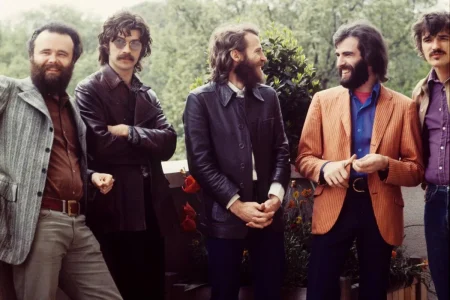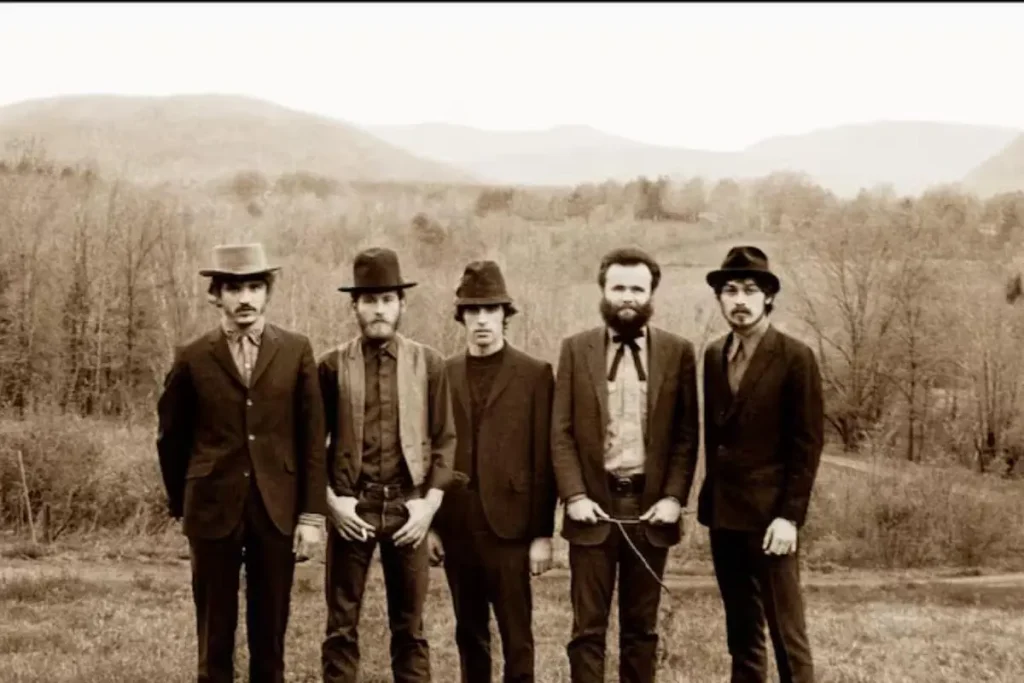
Here’s the delicious contradiction at the heart of rock history: The Band’s “The Weight” is treated like a sacred text, yet in the United States it wasn’t a smash single at all. It peaked at a modest No. 63 on the Billboard Hot 100, the kind of chart position normally reserved for songs that vanish into thrift-store 45s. And still, decades later, “The Weight” is the tune people know even if they can’t name The Band.
The reason is simple and slightly subversive: the song doesn’t behave like a pop single. It’s a short story with a chorus you can yell with strangers, a biblical tone without preaching, and a cast of characters that feel too weird to be invented. It’s the rare record that got bigger after radio stopped caring.
A hit that wasn’t: the chart math vs. the cultural math
The Billboard paper trail is clear: “The Weight” wasn’t a Top 40 staple when it first arrived. If you want to see the era in black-and-white, you can even dig through the original Hot 100 listings in the 1968 Billboard issue PDFs, archived week by week via World Radio History.
Yet the Library of Congress later inducted “The Weight” into the National Recording Registry, a big-deal honor reserved for recordings deemed “culturally, historically, or aesthetically significant.” That is a polite institutional way of saying the song outlived its original market performance by a mile.
Why the single underperformed
It’s tempting to blame promotion or timing, but the deeper reason is that “The Weight” is structurally odd for AM pop. The chorus is the hook, sure, but the verses are episodic and name-heavy, like a film script refusing to simplify itself for radio. Even the title never shows up in the lyric, which is basically an act of commercial sabotage.
Big Pink: where the myth starts
“The Weight” lives on Music from Big Pink (1968), The Band’s debut, a record that helped rewrite what “rock” could sound like after psychedelia’s peak. Pitchfork’s take on Music From Big Pink as a seismic reset for rock frames the album’s impact as enormous, even for listeners raised on louder, flashier guitar music.
Rolling Stone’s review of Music From Big Pink also emphasizes how Big Pink arrived as a statement of values: ensemble playing, rootsy textures, and songs that sound like they existed before you heard them.
“Put the load right on me.”
The Band, “The Weight”
That line is the whole trick. The chorus feels like folk wisdom, but it’s also a pressure valve, a communal exhale after each verse drops a new complication on the narrator’s shoulders.
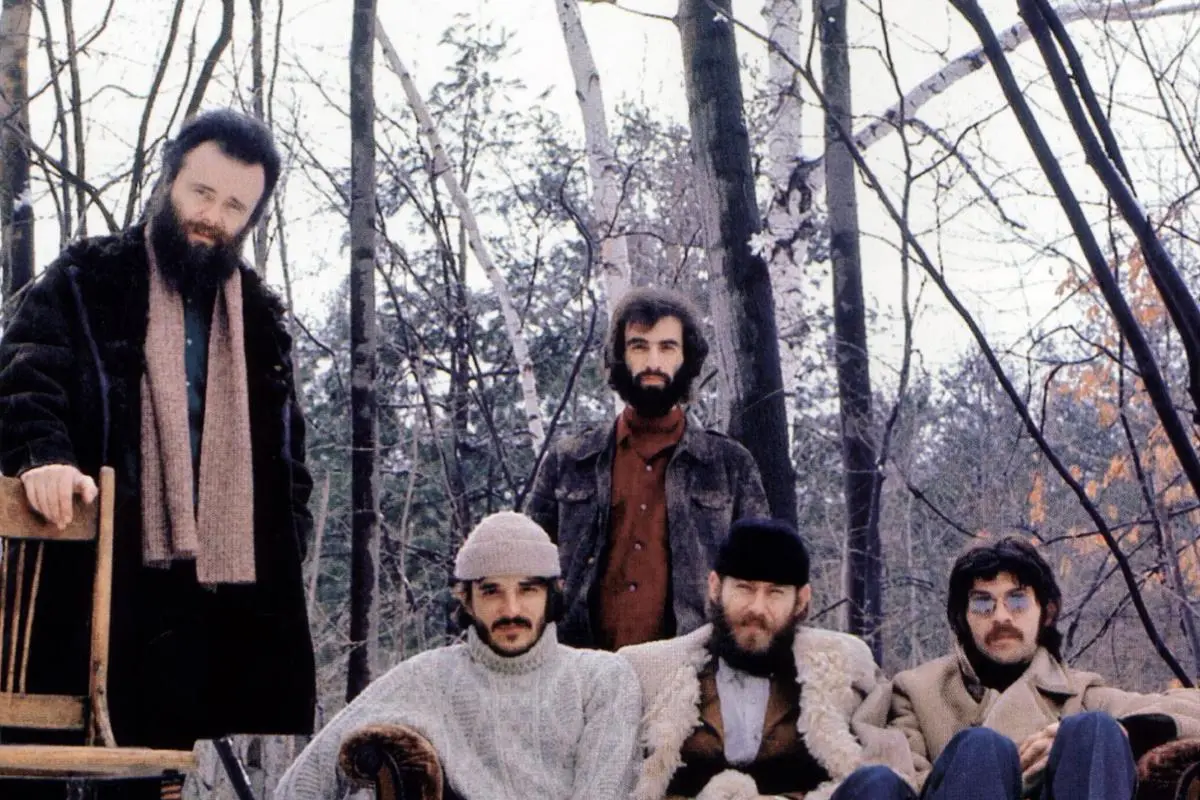
Nazareth: not the Bible town, the guitar town
The song’s setting is Nazareth, Pennsylvania, and it’s not an accident. Robbie Robertson has said the word “Nazareth” arrived as a spark, connected to a label inside his guitar. The practical reality behind that detail is that C. F. Martin & Co. is historically rooted in Nazareth, and the company’s own history page traces Martin’s long presence in the town.
That geographical twist matters because it turns “Nazareth” into a double symbol. It’s both a real American place and a loaded religious word, letting the lyric toggle between the everyday and the mythic without ever announcing what it’s doing.
Biblical language without churchy answers
Listeners have long pointed out the biblical echo in the first verse: a traveler looking for a place to stay and getting brushed off. Whether you interpret it as Mary and Joseph, a generic pilgrim tale, or just a guy having a bad night, the point is the same: the song borrows the weight of scripture but refuses to deliver a sermon.
That ambiguity is part of why “The Weight” ages so well. Songs that tell you exactly what to think tend to date faster than songs that leave room for your own guilt, humor, and sympathy.
The “favorite characters” and the messier question of authorship
On paper, “The Weight” is credited to Robertson. ASCAP’s public repertory entry lists Robertson as the writer, which is the legal reality that governs royalties and publishing.
But the human reality inside The Band was always more complicated. Levon Helm, in particular, argued that the group shaped songs through lived experience, phrasing, and arrangement, and he resisted the neat story of a single author handing down finished texts.
Helm’s autobiography This Wheel’s on Fire is frequently cited for the way it grounds the song’s characters in real people. A review of This Wheel’s on Fire notes Helm’s candid, combative take on the band’s history, which includes disputes over credit and contribution.
Even if you accept Robertson as the principal writer, it’s hard to hear “The Weight” as anything but a band-built record. The voices, the accents, and the conversational groove feel like a group of lifers trading lines in a bar, not a lone narrator reading from a page.
The vocal handoff: not a gimmick, a worldview
One reason the song feels communal is the vocal approach: multiple lead voices and a shared chorus. That structure is more than texture; it’s philosophy. “The Weight” argues that burdens are social, so it makes the singing social too.
| Song element | What you hear | Why it matters |
|---|---|---|
| Verses | Short scenes with named characters | Feels like episodic folklore, not pop confession |
| Chorus | Group vocal, simple phrasing | Turns the listener into a participant |
| Harmony | Gospel-leaning, rootsy blend | Signals “tradition” even in a new song |
How a No. 63 single becomes a forever song
So what actually happened? “The Weight” kept getting reintroduced to the public in ways that singles charts don’t capture: live performances, covers, films, and the general habit of musicians teaching it to other musicians. Song background and cultural references around “The Weight” document many of the recurring explanations and touchpoints that have circulated over the years.
There’s also the simple fact that the chorus is built for mass participation. Plenty of hit songs are catchy; fewer create an instant community. “The Weight” does, and that’s why it’s survived weddings, bar bands, classic-rock radio, and the entire concept of “classic rock” itself.
It also helps that it’s easy to play
Not “easy” as in beginner-level, but approachable. The changes are friendly to guitar and piano, and the rhythm sits in that sweet spot where you can lean back without losing momentum. Musicnotes’ sheet-music listing for “The Weight” reflects its long life in the sheet-music ecosystem, which is usually a sign that a song has become standard repertoire.
Listening guide: what to focus on when you revisit it
- The narrator’s escalating problem – each verse starts like a normal request and ends like a trap.
- The chorus as absolution – it sounds supportive, but it’s vague enough to feel ominous too.
- The band’s restraint – nobody showboats; the groove is the flex.
- The humor – the characters are strange, but never mocked.
Legacy: the registry, the record, and the argument that never ends
The Library of Congress framing effectively canonizes the track as an American artifact, not just a rock song.
Meanwhile, the story of The Band itself remains a kind of cautionary tale about collaboration: five musicians building a shared sound, then wrestling over how to name the labor.
And hovering above it all is Robertson’s complicated public legacy, revisited at length in major obituaries and retrospectives.
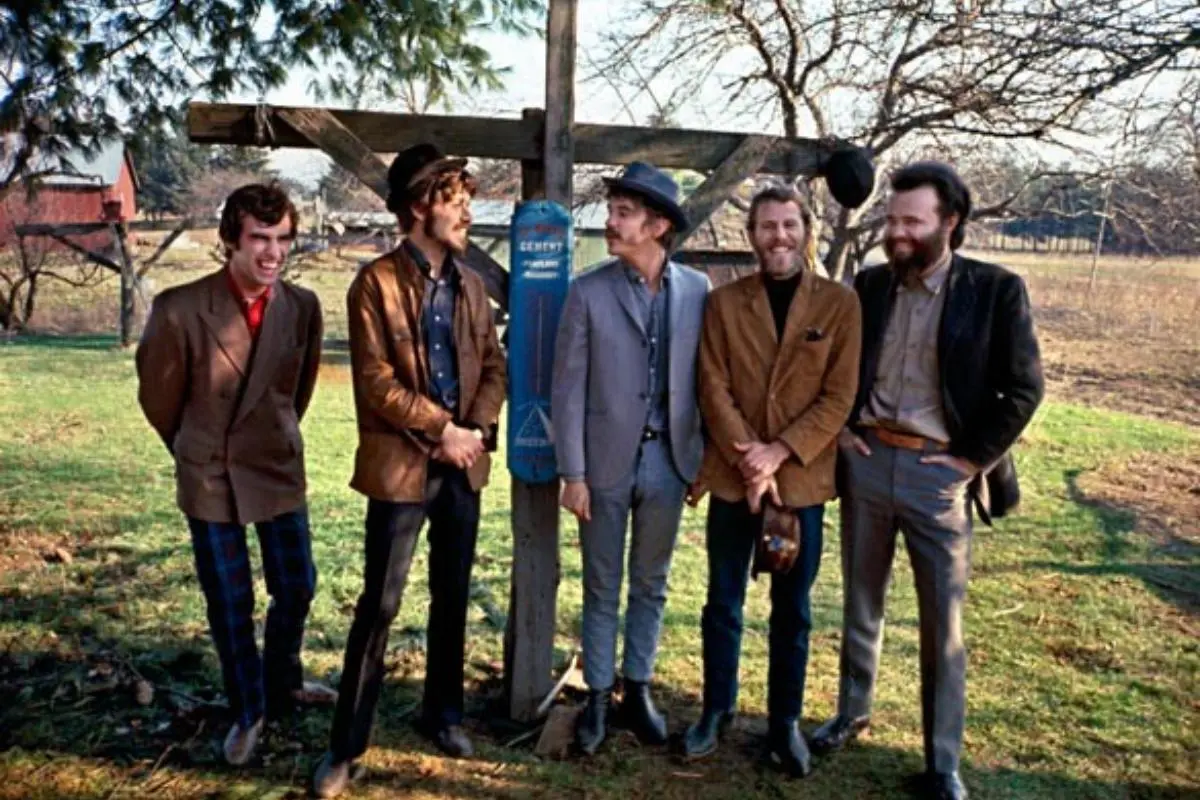
Conclusion: “The Weight” is bigger than sales, and that’s the point
Some songs win the decade by topping charts; “The Weight” won the decade by becoming a language people share. It’s a road story that turns into a parable, a singalong that hides a moral headache, and a rock classic that barely acted like a rock single. Maybe that’s why it still feels alive: it never fit neatly anywhere, so it never got trapped in one era.
If you want the real miracle, it’s this: a song about being overwhelmed somehow makes listeners feel lighter, together, for a few minutes at a time.