
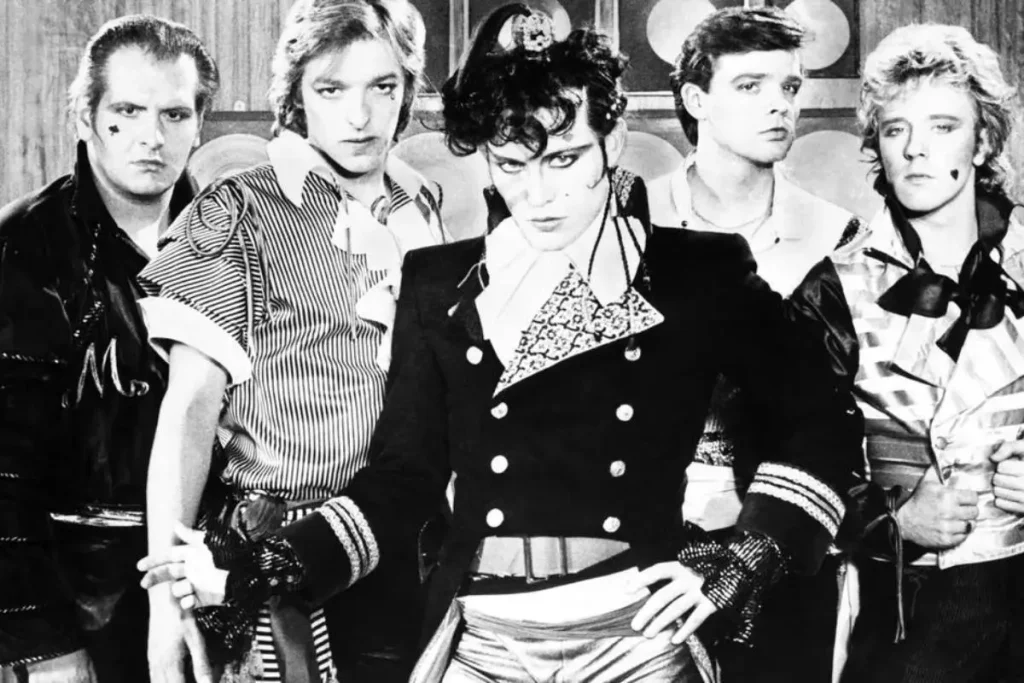
In the early months of 1981, a strange thing happened to the UK album chart: it got taken hostage by a gang of glamourous “highwaymen” playing war-drums, yelping choruses, and selling a fantasy that felt sharper than the grey reality outside. Adam and the Ants’ Kings of the Wild Frontier began a 10-week run at No.1 on the UK album chart, a commercial stampede documented by the Official Charts Company’s weekly archive.
Calling it “classic” is fair, but it undersells the point. Kings… didn’t just succeed – it changed what success sounded and looked like in Britain. It turned post-punk abrasion into pop spectacle, made tribal drums a chart weapon, and proved that “image” could be an instrument as powerful as a guitar.
The 10-week takeover: what actually happened on the chart
The UK album chart in 1981 was a competitive place, but Kings of the Wild Frontier held No.1 for a remarkable 10 weeks, an achievement you can verify week-by-week in the Official Charts archive.
That long at the top matters because it signals more than a hot first week. It means repeat purchases, word-of-mouth, and a public that stayed obsessed after the initial TV appearances and headline chatter wore off.
A quick chart snapshot
| Fact | Why it matters |
|---|---|
| 10 weeks at UK No.1 | Endurance, not a fad, and a sign the album worked as a full listen |
| Riding the album era | Albums were identity purchases – you bought the tribe, not just the tune |
The sound: “Burundi” drums and the invention of big, percussive pop
If you want one musical reason Kings… cut through, it’s the drums – not just the parts, but the concept. The Ants’ famous “two drummers” attack gave the band a physical, marching force that felt closer to ritual than rock. In pop terms, it was genius: you could hear them through the TV speaker.
The “Burundi beat” tag gets attached to the Ants for a reason: it describes the rolling, tom-heavy patterns that powered tracks like “Dog Eat Dog” and “Antmusic,” and it made rhythm the hook. BBC Music’s review highlights how central that percussive identity is to the record’s sound and impact.
“If you’ve got a strong enough rhythm, you can take it anywhere.”
Adam Ant, quoted in a feature on the album’s legacy.
That idea is basically the album’s operating system. The guitars are often choppy and secondary, the vocals are theatrical, and the percussion is the engine that turns weird ideas into crowd chants.
The look: when fashion became a competitive advantage
Here’s the edgy claim that still holds up: Kings of the Wild Frontier might be the moment UK pop fully accepted that “image” wasn’t a compromise – it was part of the composition. Adam Ant’s pirate-highwayman styling didn’t decorate the music; it told you how to hear it.
In an era where punk had already attacked rock’s bloated self-mythology, Adam and the Ants rebuilt myth from scratch, but with a tabloid grin. The band’s broader rise and public footprint are neatly summarised in the album’s documented history and context, where the project’s era-defining mix of big singles and big visuals is hard to miss.
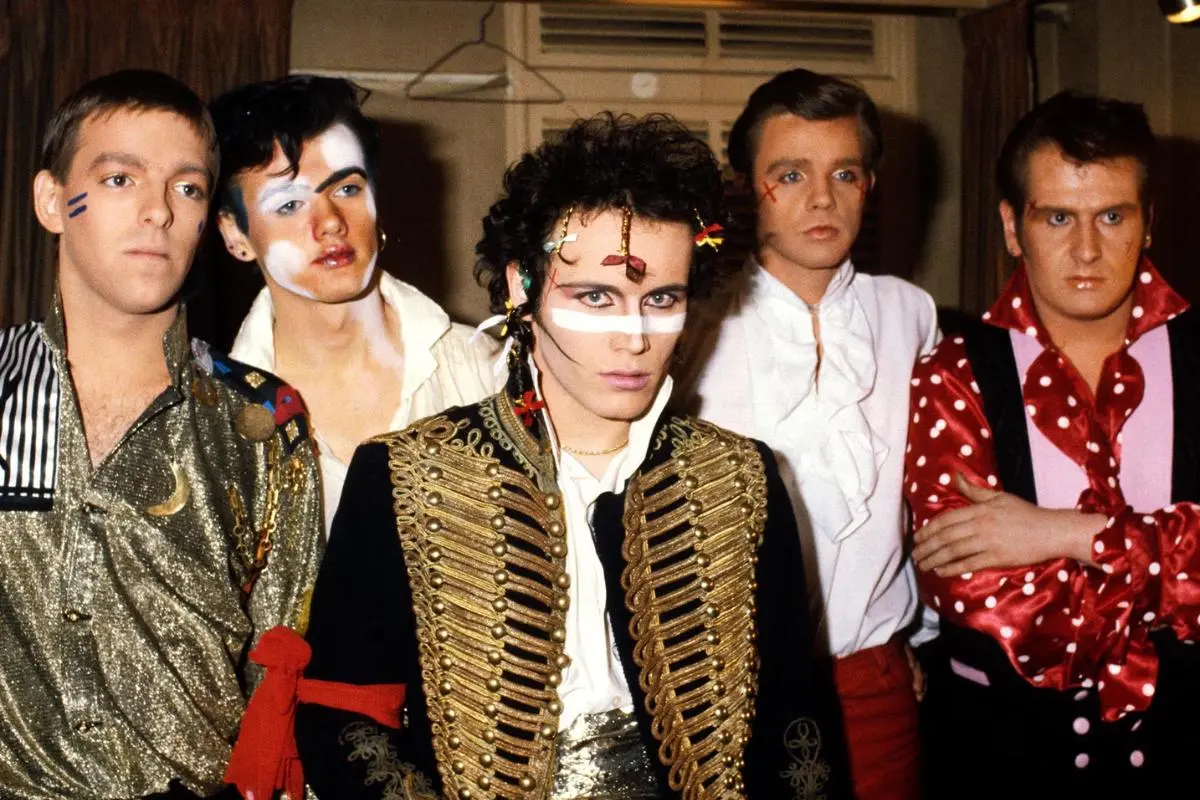
And crucially, the look was legible. You didn’t need to “get it” to copy it. Face paint, braids, military jackets, and swagger: the Ants were a dress-up kit for kids and a provocation for anyone who demanded authenticity come in one approved flavour.
The timing: Britain wanted escape, but it also wanted a fight
Chart dominance never happens in a vacuum. The early 1980s UK mood mixed economic strain with a rapidly changing media landscape. If punk was about stripping everything down, the Ants were about building an alternate world you could live in for 40 minutes.
That matters because Kings… offered both escape and aggression. The rhythms were physical and confrontational, but the presentation was colourful, theatrical, even funny. It made “outsider energy” palatable to a mainstream that still wanted danger in safe packaging.
Why the album sold so hard
- Instant identity – the band’s sound and look were unmistakable within seconds.
- Chant-ready choruses – hooks built for schoolyards and football terraces.
- Album as experience – tracks hang together like scenes in a pulp adventure.
- TV-era impact – the group’s aesthetic translated brutally well to broadcast.
Track-by-track highlights: the “classic album” case
The word “classic” gets thrown around, but it fits here because the record has a coherent sound world and a set of songs that still work outside nostalgia. It also balances weirdness with structure: the band never abandons pop discipline, even when the lyrics get surreal or the rhythms get militant.
“Dog Eat Dog” (the mission statement)
This track is pure Ants: double-drum propulsion, sharp rhythmic guitar, and a chorus that’s more chant than melody. It’s also a key reason the album stuck; it’s the kind of song people play to feel powerful.
“Antmusic” (pop, weaponised)
“Antmusic” is a case study in how to turn an idea into a brand without sounding like an ad. The title alone is a manifesto, and the groove is the selling point. Even decades later, it’s the track you’d use to explain the band to someone who thinks they don’t like new wave.
“Kings of the Wild Frontier” (drama with teeth)
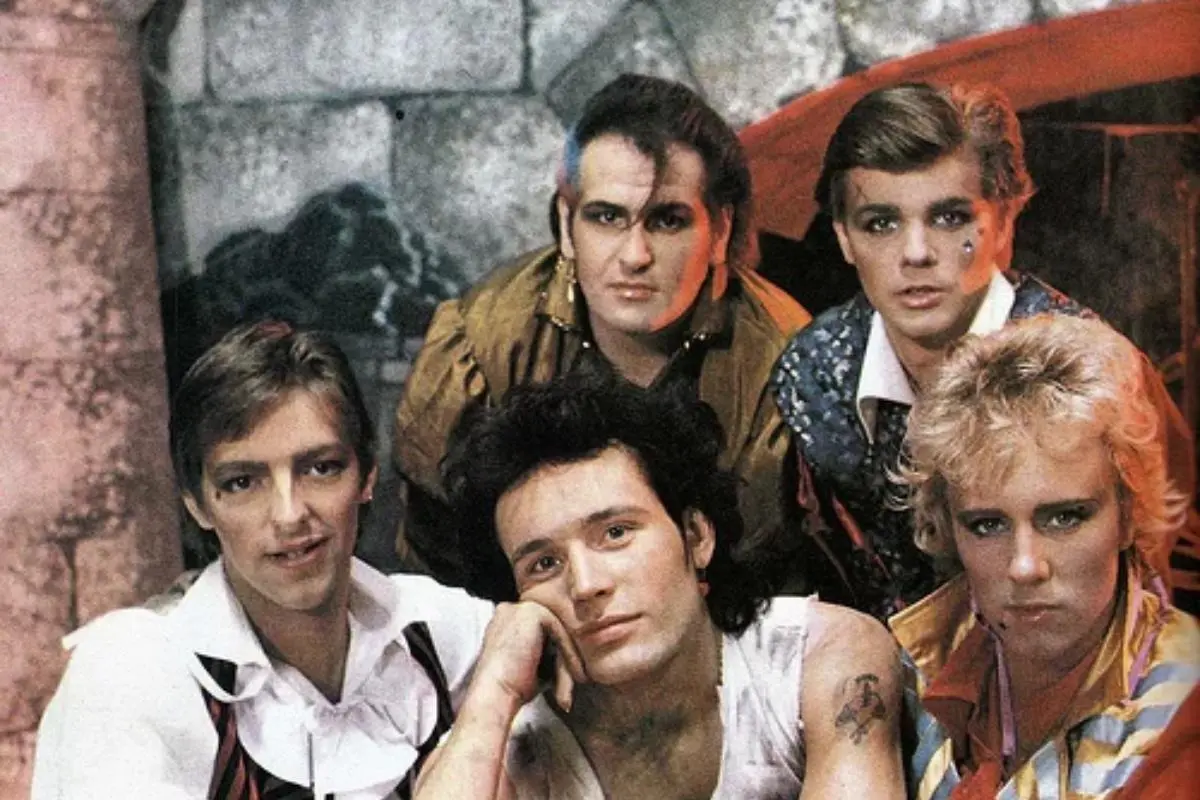
The title track is where the album’s fantasy peaks. It’s theatrical without going soft, and it feels like a stage curtain being pulled back on a new kind of pop star: part punk, part matinee idol, part comic book.
How it was made: band dynamics and production choices
Records like this don’t land by accident. The sonics are tight enough for radio, but still raw enough to feel dangerous. The production prioritises impact: drums forward, vocals vivid, and arrangements that leave space for rhythm to dominate.
The album’s credits and release details have been documented extensively across reference sources, including a review that also runs through key release and listening context.
There’s also a lesson here for modern musicians: you don’t need more layers – you need clearer priorities. The Ants chose rhythm and attitude, then made every arrangement decision serve those two bosses.
The legacy: a blueprint for 80s pop spectacle
It’s hard to overstate how much Kings… helped normalise the idea that pop could be dramatic, percussive, and concept-driven without losing chart power. It’s part of the lineage that leads to big 80s visual pop, the flamboyance of later new romantic acts, and the rise of performance as product.
When the album has been revisited in anniversary editions, critics have repeatedly highlighted its influence and the sheer audacity of the sound. One modern reassessment has also framed the record as far more than a period piece, emphasising its craft and staying power.
Influence you can actually hear
- Drum-forward pop – tom-heavy patterns as the hook, not decoration.
- Style-led bands – visual identity treated as part of the musical message.
- Chant choruses – communal vocals as a pop device, later common in stadium-ready acts.
A practical listening guide: how to hear it like it’s 1981 (and like it’s now)
If you’re revisiting the album, try it two ways. First, listen on a small speaker or car system to understand why it dominated mass media: the drums and vocal hooks are engineered for imperfect playback.
Second, listen on headphones and focus on the arrangements. Notice how often the band resists rock cliché, using negative space and rhythmic repetition to build tension. That’s where the album stops being “camp” and starts being smart.
If you’re a musician, steal these ideas (legally)
- Make one element your signature (here, drums), and mix everything around it.
- Write choruses people can sing after one listen without dumbing the song down.
- Commit to a world – sonic palette, lyrics, artwork, and performance should agree.
The provocative takeaway: the Ants proved “authenticity” was overrated
Rock culture often treats theatricality like cheating. Kings of the Wild Frontier is the counter-argument with a crown on its head: the performance is the truth. The album’s “tribal” percussion, stylised characters, and swaggering delivery don’t pretend to be documentary realism – they’re an engineered rush.
And the public rewarded it for 10 straight weeks at No.1. In the end, that chart run wasn’t just about Adam and the Ants being popular. It was about Britain being ready for pop that was loud, strange, and proudly artificial – and for once, refusing to apologise for it.
Conclusion
Kings of the Wild Frontier didn’t top the UK album chart for 10 weeks because it was merely catchy. It won because it was a total package: rhythmic innovation, pop discipline, a vivid visual identity, and a fantasy people wanted to join. If you want to understand why 1981 sounded different from 1979, start here – and turn the drums up.


