Some rock songs are diaries. “Smoke on the Water” is a police report with a guitar solo.
On December 4, 1971, Deep Purple were in Montreux, Switzerland, planning to record what would become Machine Head. Frank Zappa and The Mothers of Invention were in town too, playing the Montreux Casino as part of the festival scene. Then a single flare turned the Casino into a bonfire, the band’s recording plan into chaos, and a smoky view over Lake Geneva into one of the most recognizable riffs on Earth – a moment the song’s history has been retold and documented as part of the Montreux Casino fire that inspired “Smoke on the Water”.
“Smoke on the water, fire in the sky.”
Ian Gillan, “Smoke on the Water” lyrics
Montreux in 1971: why these bands were in the same place
Montreux wasn’t just a pretty lakeside postcard. By the early 1970s it had become a serious music destination, and the Casino was one of its key venues, hosting major performances connected to the Montreux jazz and live music ecosystem.
Deep Purple came with a mission: capture a heavy, tight, road-tested band on tape. They chose Montreux because it was cheaper than London and because they could bring in a high-end remote recording setup: the Rolling Stones Mobile Studio.
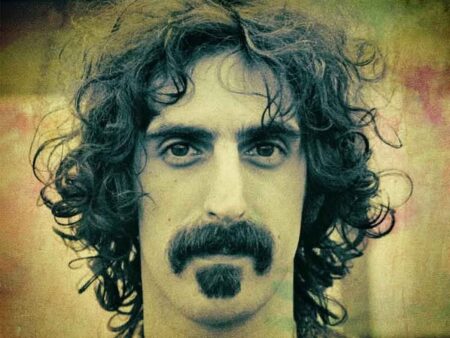
Meanwhile, Zappa and The Mothers were booked at the Casino. Their show that night included “King Kong”, a piece that could stretch into a long, loud, improvisational blowout – the kind of performance where a crowd’s energy can flip from excited to reckless in an instant.
The flare gun that set history on fire
During Zappa’s set at the Casino, a spectator fired a flare gun inside the building. The ceiling caught, and the fire spread fast. It’s the sort of detail that sounds like rock mythology until you remember: flares are designed to burn brightly in terrible conditions, and indoor venues are basically fuel if flames reach the wrong materials.
Deep Purple weren’t onstage, but they were there, and they watched it unfold. From their vantage point, the most cinematic detail was not the panic – it was the scenery: smoke rolling out over Lake Geneva.
That image is the hook of the song, and it’s not metaphor. The title “Smoke on the Water” is literal, born from the view of smoke drifting across Lake Geneva after the Casino fire.
Claude Nobs: the “Funky Claude” who became a character in the song
The lyrics don’t just describe a fire. They name names. “Funky Claude” is Claude Nobs, the festival organizer and local music powerbroker who helped people get out of the building. In most rock songs, the hero is a singer with a mic. Here it’s a promoter doing crowd control.
That’s one reason “Smoke on the Water” still feels fresh: it’s a band narrating a real emergency in plain language, with gratitude baked into the story rather than fake swagger. Nobs’ presence in Montreux’s music history is central enough that the festival itself continually frames him as foundational to the event’s identity.
The cruel irony: Deep Purple lost the room they came to use
Deep Purple didn’t come to Montreux for sightseeing. They came for the Casino as a recording space and they arrived on a schedule. Once the building burned, their plan collapsed overnight, and not in a romantic way. Studio time, equipment rental, and lodging cost real money, and time pressure changes how a band plays.
Here’s the underrated twist: disasters don’t just inspire songs. They force logistics. Purple had to scramble for a new place to record while keeping the Stones’ mobile unit rolling and the budget from exploding.
Rolling Stones Mobile Studio: a truck that changed how rock was recorded
The Rolling Stones Mobile Studio was a remote recording facility on wheels, built so major artists could record outside traditional studios. It’s hard to overstate how radical that was for the era: it helped make location recording a serious option rather than a compromise.
Deep Purple’s Montreux chaos is part of why the mobile studio became legendary. “Smoke on the Water” wasn’t just written because of a fire; it was recorded in a way that fit the story: improvised, mobile, and slightly dangerous.
From disaster to material: turning the week into lyrics
“Smoke on the Water” is almost journalistic. It describes the venue (“the Montreux Casino”), the band onstage (“Frank Zappa and the Mothers”), the incident (“some stupid with a flare gun”), and even the subsequent hassle of finding a recording location.
That level of detail was a risky move. Rock lyrics often hide behind symbolism, especially when talking about real events. Deep Purple did the opposite: they named it all. The result is a song that works as both a riff anthem and a time capsule of a specific night.
What the lyrics actually document (quick breakdown)
| Lyric moment | Real-world reference |
|---|---|
| “We all came out to Montreux…” | The band’s trip to record and perform in the Montreux area |
| “Frank Zappa and the Mothers…” | Zappa’s band playing at the Casino that night |
| “Some stupid with a flare gun…” | The spectator who fired a flare inside the venue |
| “Funky Claude was running in and out…” | Claude Nobs helping with evacuation efforts |
| “Smoke on the water…” | Smoke drifting over Lake Geneva after the Casino burned |
The riff: why it became the world’s most played guitar line
Let’s be blunt: the riff is so famous it’s practically banned in guitar shops. But it’s not famous only because it’s easy. It’s famous because it sounds like a machine starting up – slow, heavy, inevitable.
Musically, the riff lives in a sweet spot: simple enough for beginners, bold enough to open an arena set. That combination creates cultural gravity. It’s one of the few riffs that can survive being overplayed because it feels like the skeleton key to hard rock.
The song’s broader acclaim is regularly reflected in major legacy lists, where it’s treated as foundational heavy rock vocabulary rather than a novelty hit – recognition captured by its placement in all-time greatest-songs rankings.
Practical guitar note: what makes it “feel” right
- Spacing matters: the riff breathes; don’t rush it.
- Pick attack matters: the notes should punch, not blur.
- Play it like a hook: it’s closer to a vocal line than a scale exercise.
Frank Zappa’s footnote: the night wasn’t “good for business”
Deep Purple got an immortal song out of the chaos. Zappa got a burned venue and a show cut short. It’s tempting to paint this as a “beautiful accident,” but from Zappa’s side it was a real interruption to work, and the band had to deal with the consequences of a crowd mistake – an event treated as part of Frank Zappa’s documented performance history.
The uncomfortable truth is that rock’s most romantic stories often start with somebody being reckless. A flare gun in a packed hall isn’t “wild.” It’s stupid. The song’s lyric doesn’t soften that point, and it shouldn’t.
Why “Smoke on the Water” still matters (beyond nostalgia)
This is not just a cool backstory. “Smoke on the Water” is one of the rare moments where rock documents itself in real time: the touring circuit, the venues, the gear, the danger, the personalities. It’s a scene report that became a global anthem.
And the setting is still part of the myth. Tourism and local heritage pages around Lake Geneva keep the “Smoke on the Water” connection alive because it tied Montreux to rock history permanently, not as a vague “music town,” but as the birthplace of a specific, world-famous song.
Conclusion: the night rock wrote its own headline
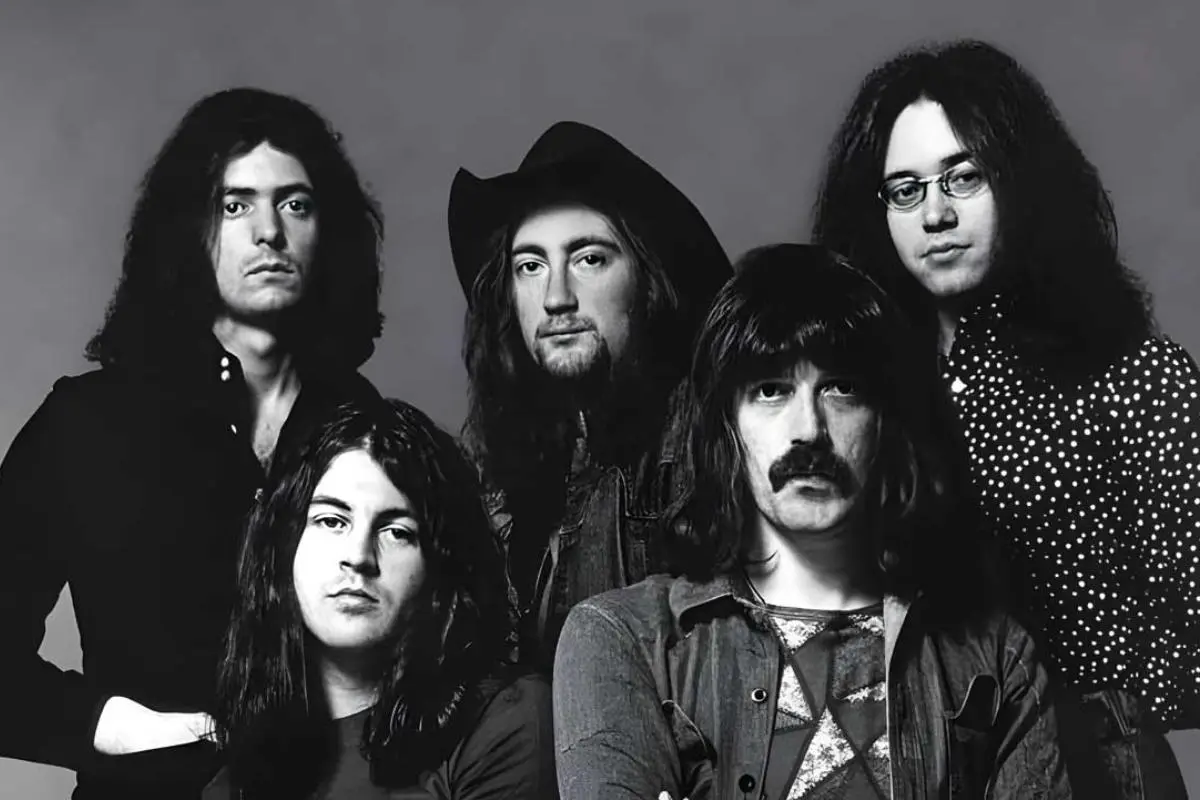
Deep Purple came to Montreux to make an album and got a catastrophe instead. The Casino burned, plans collapsed, and the band had to improvise their way to a finished record. Out of that mess came a riff so durable it turned a single night of smoke over Lake Geneva into hard rock’s most recognizable calling card – an origin story echoed in widely cited accounts of how the song was written.
“Smoke on the Water” isn’t legendary because it’s dramatic. It’s legendary because it’s true, specific, and loud enough to outlive the flames that sparked it.