Some albums sound like a victory lap. Soul to Soul sounds like a fight: a band with momentum, money, and a growing reputation, but also a dangerous cocktail of exhaustion, alcohol, and cocaine that made “professional” feel optional.
In a late-career retrospective, Stevie Ray Vaughan described a backstage intervention from Albert King that hit harder than any guitar string could snap. It’s one of those moments that forces a grown adult to choose between the myth of the hard-living musician and the boring, unglamorous truth: the gig is work.
The Albert King “heart to heart”: blues wisdom with teeth
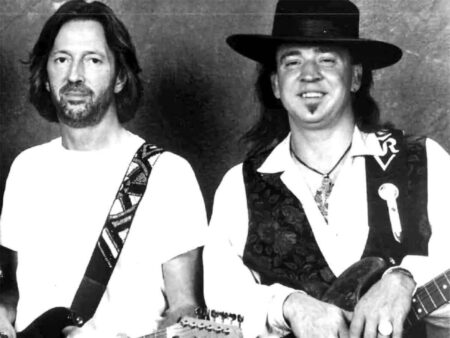
Vaughan recalled Albert King walking backstage and laying it out plainly: the show is not the time to get high, and “take care of business” matters more than the party – exactly the kind of no-nonsense stage wisdom you’d expect from a veteran who’d seen great players wreck themselves.
“We gonna have a little heart to heart… the gig ain’t no time to get high.” – Albert King (as recalled by Stevie Ray Vaughan)
What makes the story sting is Vaughan’s own admission that he defaulted to denial: the practiced line every addict learns, the one that sounds like confidence but is really camouflage. The blues has always been full of brutal honesty, but here the honesty is about the lie.
Why Soul to Soul felt different: success can be a drug, too
Texas Flood and Couldn’t Stand the Weather hit with the urgency of a band that had something to prove. Soul to Soul arrived after the world had already decided Vaughan was “the guy,” and that changes everything: expectations, touring, label pressure, and the temptation to numb out between obligations.
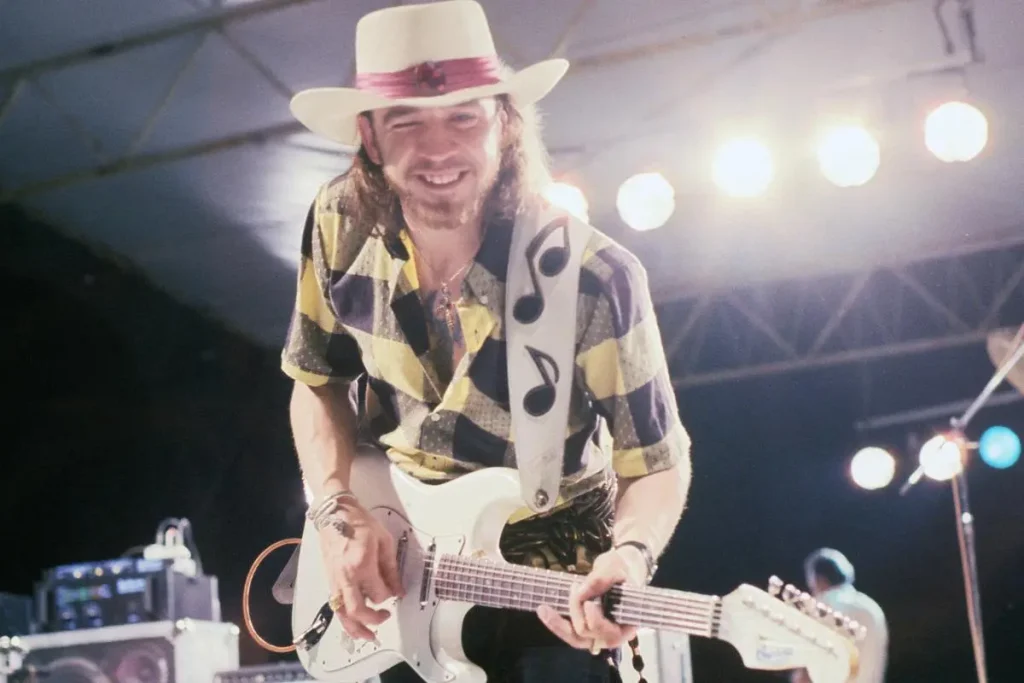
By 1985, Vaughan and Double Trouble weren’t just barroom heroes anymore. They were a major touring act with a national profile, and the business around them got bigger and louder as his mainstream profile rose in widely read accounts of his career.
Studio time vs. survival time
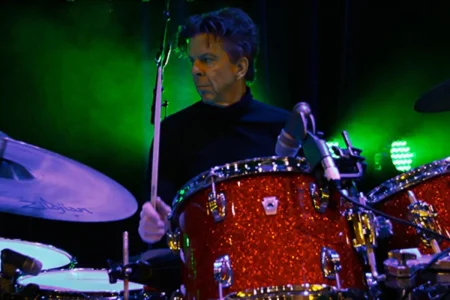
In the same retrospective that included the Albert King quote, bassist Tommy Shannon remembered the Soul to Soul sessions dragging on, with long stretches of waiting for cocaine before anyone would really play – another detail preserved in the late-career retrospective materials. That detail isn’t “rock and roll lifestyle” trivia. It’s a description of creative paralysis.
Here’s the uncomfortable claim: plenty of musicians don’t get less talented when substances take over. They get less available. The instinct still exists, but the reliability is gone, and reliability is what turns inspiration into a finished record.
The record that needed a fourth color: Reese Wynans enters
Vaughan’s restlessness didn’t just fuel bad habits. It also pushed him toward a bigger sonic frame than the classic guitar-bass-drums trio. That’s where Reese Wynans becomes the unsung co-star of Soul to Soul, as highlighted in the Stevie Ray Vaughan and Double Trouble profile.
Wynans had history with Vaughan from the Austin scene, and his keyboards didn’t “soften” Double Trouble. They widened the emotional vocabulary, giving Stevie new harmonic spaces to punch, glide, and confess into.
What keyboards actually changed (and why it mattered)
- More harmony, less empty air: Keys let the guitar stop filling every corner, which can make solos hit harder.
- R&B legitimacy: Wynans brought gospel and soul seasoning that moved the band away from pure blues revivalism.
- Arrangements you can hear: A bigger palette forced decisions – and decisions are the enemy of “let’s just do another line and jam.”
“I’m trying for feeling”: Vaughan’s 1985 mindset in his own words
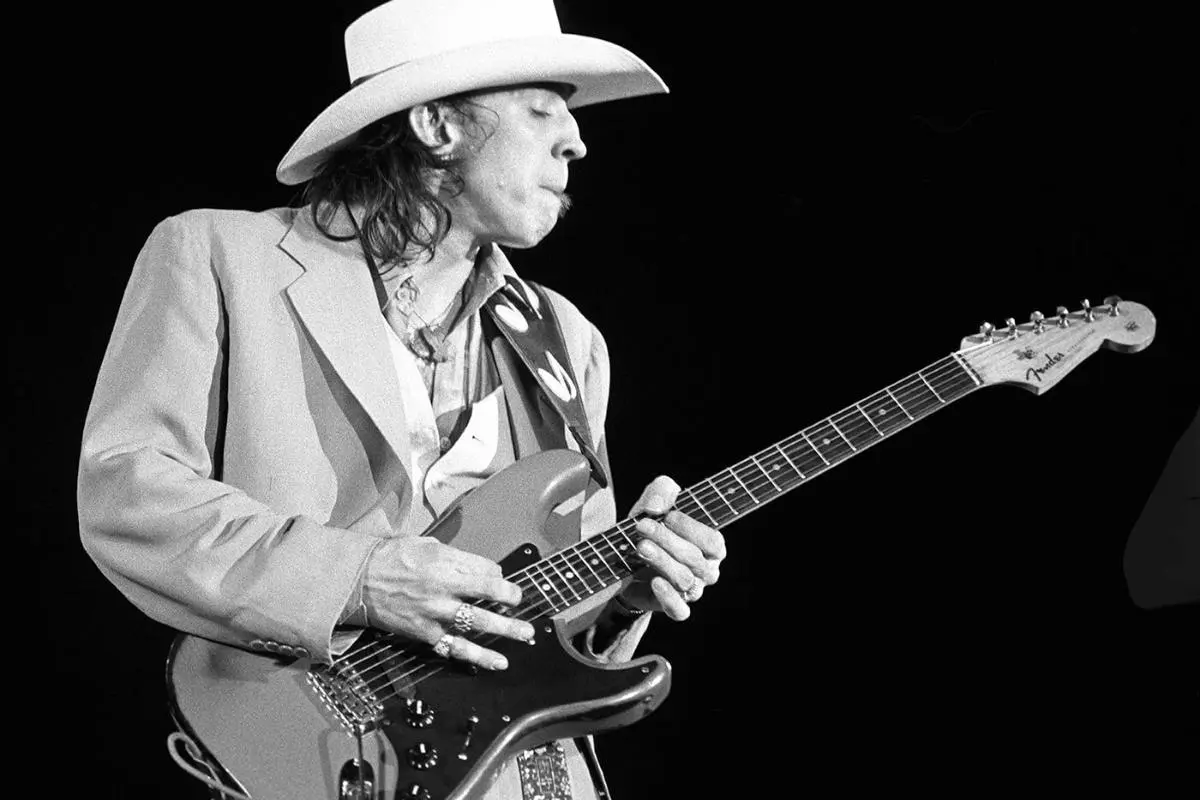
What’s striking is that even while the wheels were wobbling, Vaughan could articulate the target: not speed, not chops, but feeling and growth. In a 1985 Guitar World interview, he talked about trying to “feel through things” and “grow up” in his heart, an oft-cited quote included in the Blues Hall of Fame profile.
“We’re trying for feeling… I’ve been trying to grow up some myself, in my heart…” – Stevie Ray Vaughan, Guitar World (1985)
That’s not the voice of someone who thinks everything is fine. It’s the voice of someone looking directly at the problem, even if he wasn’t ready to stop feeding it yet.
Listening guide: where the “haze” shows up on Soul to Soul
It’s lazy to call Soul to Soul “the drug record,” because it’s also a strong album with serious playing. But you can hear tension between brilliance and disarray: moments of clarity, then patches that feel like the band is reaching for ignition.
| What to listen for | Why it matters |
|---|---|
| Keyboard layers that feel “new” for Double Trouble | Signals the band pushing beyond the trio identity |
| Grooves that lean into R&B and soul pocket | Shows Vaughan’s broader influences, not just Texas blues |
| Guitar tone that’s huge but less “wide open” than earlier records | Can reflect more controlled arrangements and studio experimentation |
The bigger story: blues authenticity vs. self-destruction
Older blues culture sometimes romanticized hard living as proof of authenticity. But the elders who lasted often had a different message: play the gig clean enough to deliver. The Blues Foundation’s profiles of both Vaughan and Albert King emphasize careers built on endurance and craft, not just wild nights.
Even the Rock & Roll Hall of Fame’s write-up on Albert King stresses his influence on guitarists across generations, including Vaughan, precisely because his phrasing and sound were teachable, repeatable, and musical. That’s a legacy built on discipline as much as swagger.
Gear, myth, and the part fans get wrong
Vaughan’s rig has been dissected like sacred scripture, and for good reason: the tone was unmistakable. But tone-chasing sometimes becomes a way to avoid the real lesson: Vaughan’s sound was the product of touch, time feel, and intent as much as any Strat or tube amp.
Vaughan’s influence is so enduring that even general-audience bios still lead with his impact on blues-rock guitar and his signature approach to the instrument. The details matter, but the priorities matter more.
Three practical takeaways for players (especially weekend warriors)
- The gig is the test: If your playing falls apart after “just one,” that’s data, not destiny.
- Arrangements save bands: Adding an instrument (like keys) can force everyone to listen harder and play simpler.
- Chops don’t protect you: Skill is not sobriety insurance. Reliability is the real superpower.
When the music business meets addiction: why burnout accelerates the spiral
Substance use disorders are not just “bad choices.” They’re medical and behavioral conditions with recognizable patterns of craving, escalation, and impaired control, as outlined in clinical overviews of substance use disorder. The touring-and-recording grind adds sleep loss, stress, and social reinforcement, which can turn “party behavior” into dependence faster than fans want to admit.
Recovery communities have long framed addiction as something that thrives in secrecy and denial, and that honest self-assessment is a turning point – an idea central to Alcoholics Anonymous’ Big Book. That’s exactly why Vaughan’s retrospective honesty lands: it’s not legend-building, it’s confession.
Why Soul to Soul is still worth your time
If you only want peak, streamlined Double Trouble, you’ll reach for Texas Flood. But if you want a snapshot of an artist trying to outgrow himself in real time, Soul to Soul is the messy, human chapter that makes the later redemption arc feel earned.
It’s also a reminder that the blues isn’t “sad music.” It’s accounting: a hard tally of what your choices cost, and what it takes to keep playing anyway.
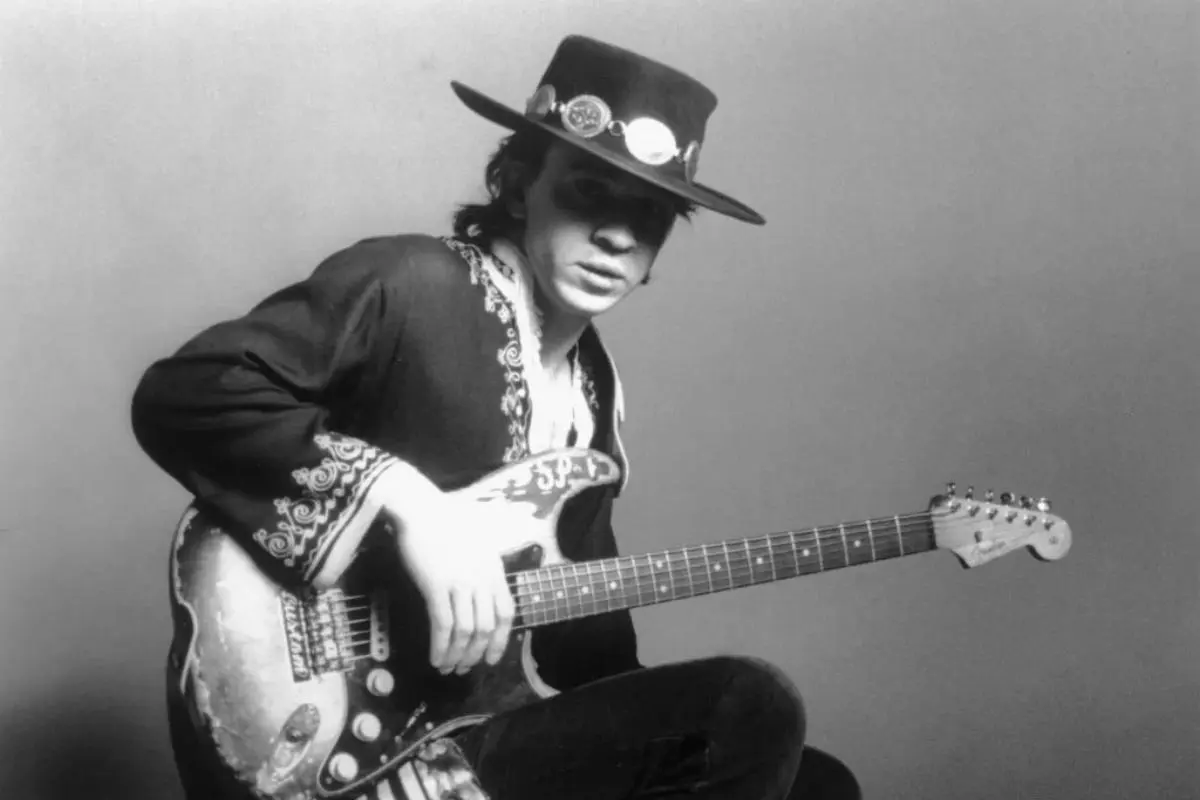
Conclusion: the gig ain’t no time to get high
Albert King’s backstage line cuts through decades of guitar mythology because it’s painfully practical. The audience doesn’t buy your legend, they buy your performance, and you only get to deliver if you can stand up, stay in time, and tell the truth.
Soul to Soul documents what happens when a great band flirts with collapse and still manages to finish the record. Not because the chaos was “inspiring,” but because something inside Vaughan still wanted to take care of business.