
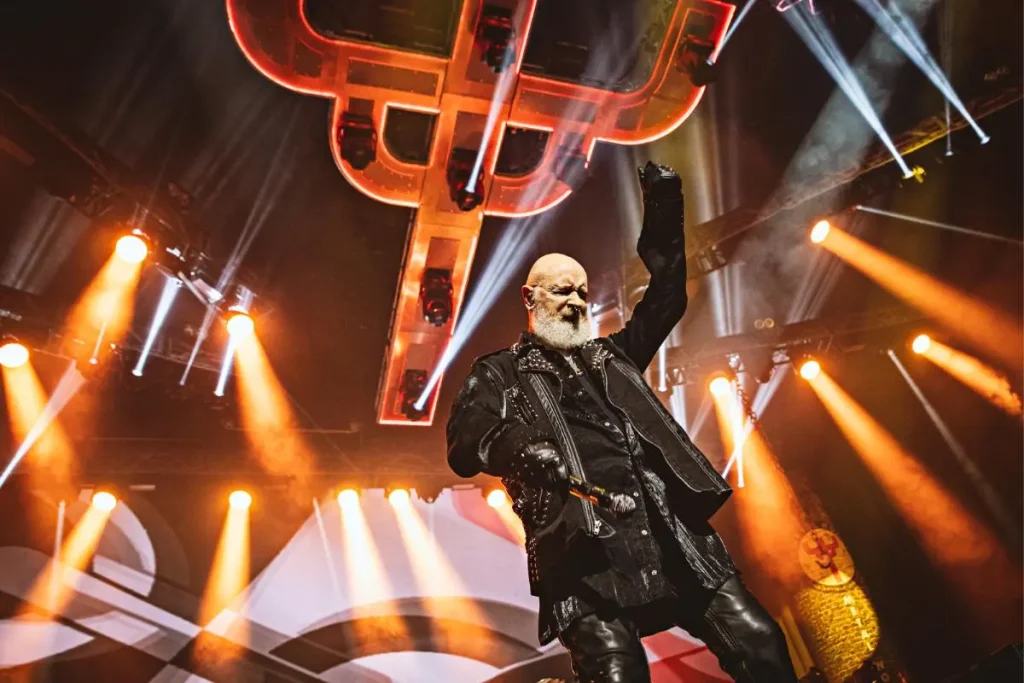
In rock mythology, the story goes like this: in 1984, Judas Priest played Madison Square Garden, fans went feral, the building took roughly $250,000 in damage, and MSG slapped the band with a “lifetime ban” that supposedly still stands.
It is a great tale because it sounds exactly like heavy metal felt in the mid-80s: loud, lawless, and barely contained. But the most interesting version is the factual one, where you can see how a single night of crowd behavior became a long-running legend that still gets repeated like gospel.
The gig that turned into a headline
The show was part of Judas Priest’s Defenders of the Faith era, when the band’s combination of speed-metal precision and arena-sized hooks was peaking. According to later reporting, the trouble began before Priest even hit the stage, during an onstage announcement that the crowd didn’t appreciate; one widely cited recap summarizes the chain reaction as a pre-show appearance by a DJ, a hostile response, and then fireworks and bottles flying into the air.
As the night spiraled, the most consistent details across accounts are the simplest: thrown objects, firecrackers, damaged seats, and a police response. A retrospective look at the era is blunt about the vibe, framing the evening as a notorious flashpoint where the crowd’s “anything goes” energy outgrew the venue’s ability to manage it.
What’s verifiable vs. what’s legend
Many retellings stack colorful specifics: M-80s, cherry bombs, volleys of seat cushions, “bottle rockets” timed to favorite songs, and the classic exaggeration that the crowd was doing absolutely everything in the aisles. Here is the practical way to separate what likely happened from what became punchline.
Most credible core claims
- There was serious disorder that required police intervention and led to arrests.
- Projectiles were thrown and fireworks were set off inside the building.
- Venue damage was significant, with the oft-quoted figure of around $250,000 appearing in multiple write-ups.
- The band still played the concert rather than canceling mid-chaos, which is part of why the story hardened into legend.
Claims that are harder to pin down
- Exact inventory of explosives (which types, how many, and when they detonated) varies by storyteller.
- Exact set length and song count gets repeated as “20 songs,” but fan-documented setlists can conflict across uploads and recollections.
- “Lifetime ban” language is often used, but venues rarely publish internal booking bans, and enforcement can quietly change with management, promoters, and time.
In other words: the riot is real, the damage number is plausible and widely repeated, but the cinematic flourishes are where the internet tends to start freelancing.
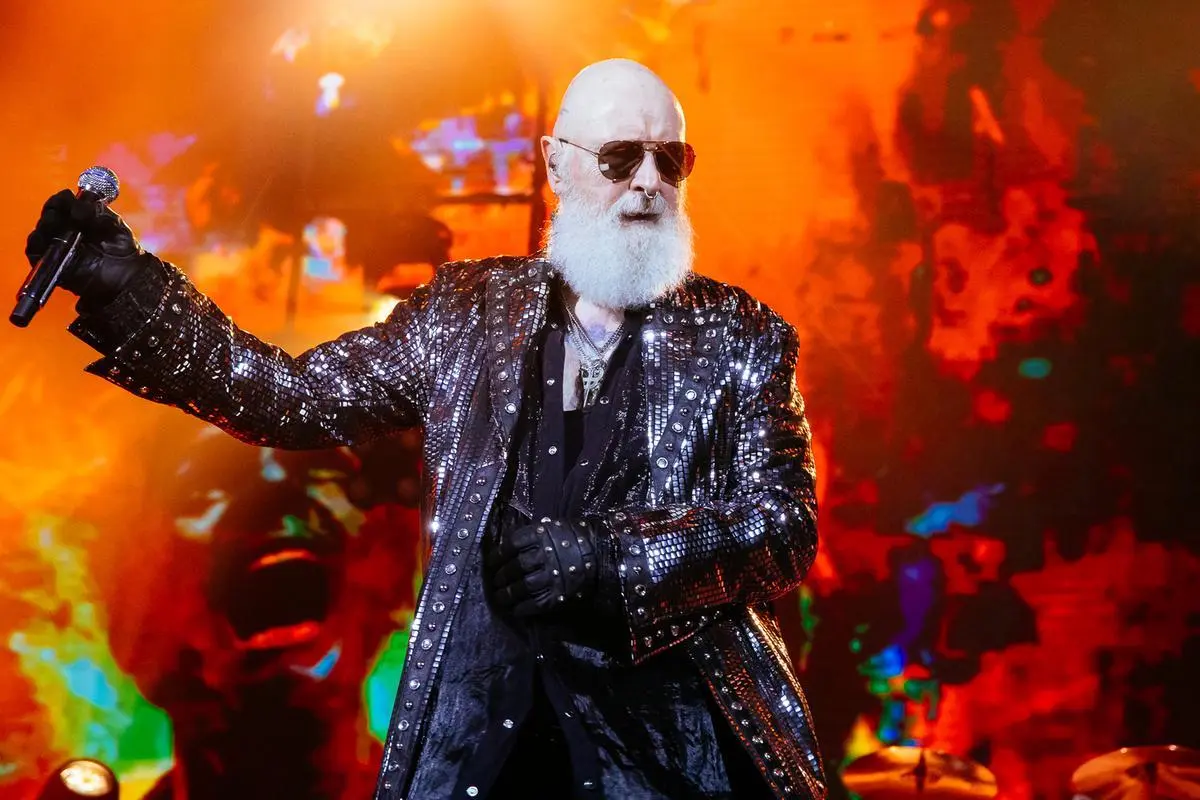
Did Judas Priest actually get a lifetime ban from MSG?
This is the part that keeps the story alive. Many articles state the band was banned, sometimes specifically “for life.” But “ban” can mean a few different things in the concert business.
What “banned” can mean in venue reality
- Promoter refusal: a promoter decides the risk is not worth it and doesn’t rebook the act for that room.
- Insurance and security requirements: the venue will only host an act if costly conditions are met (extra staffing, stricter entry screening, etc.).
- Internal blacklist: a venue may quietly decline holds for a touring party, even without a public statement.
MSG’s public-facing policies focus on prohibited items and behavior rather than naming artists, which is typical for modern arenas. The Garden’s FAQ and entry rules underline that items like fireworks and weapons are restricted, and disruptive conduct can result in ejection or arrest.
So is the “ban still in effect”? Public documentation is thin, and that is precisely why the claim persists. In the absence of a formal, enduring statement from MSG, most versions of the “still banned” line function more as a durable rock anecdote than a provable policy.
The pre-show DJ moment: why it matters
The detail about a local DJ taking the stage to read upcoming events is not just trivia, it is a classic spark in a room already primed to explode. In a packed arena, a long pre-show lull plus a perceived insult (or simply boredom) can become a trigger.
“It only takes a few people to start something in a crowd, and then it spreads.”
Rob Halford, as paraphrased in multiple press interviews about crowd psychology and touring culture
Even without a verbatim quote tied specifically to this incident, Halford has spoken broadly over the years about the intensity of metal crowds and the fine line between excitement and danger, especially in the arena era. The band’s official history and touring context also frames the 80s as a period of relentless touring and huge audiences, which is the ecosystem where nights like MSG 1984 could happen.
The set: what fans say happened onstage
One reason this incident stayed famous is that, by most accounts, Judas Priest did not get chased off. They played. That choice can look brave, reckless, or simply contractual, depending on your perspective. But it cemented the “show must go on” mythology around the band’s live identity.
Fan-compiled databases do list a Madison Square Garden entry for Judas Priest in 1984, though setlist accuracy can vary because it depends on attendee memories and later edits. Fan-documented MSG 1984 setlist entries show multiple related results and date clusters around the era, underscoring that the show exists in the fan record even if the exact song-by-song details are debated.
$250,000 in damage: what does that even look like?
In a modern arena, $250,000 could be a few dozen destroyed seats plus labor, cleanup, repairs to rails and concourses, and overtime for security. In an older building with older seating stock and different crowd-control infrastructure, the bill can climb quickly.
It is also worth remembering that the 80s were peak “projectile culture” at some rock shows: seat cushions, cups, bottles, and whatever else could be thrown. When fireworks enter the equation, you are paying not just for broken objects, but for scorch marks, smoke damage, and safety inspections.
Why the NYPD response became part of the story
When a venue riot story becomes legend, the police response is usually the punctuation mark. People remember the paddy wagons, the lines of officers, and the sense that the event crossed from “wild concert” into “public safety incident.”
The NYPD’s public guidance on enforcement makes clear that disorderly conduct, assault, and weapons-related offenses can be treated aggressively in large gatherings, especially when public safety is threatened. That does not prove the specifics of this night on its own, but it explains why a fireworks-and-bottles situation would trigger a hard intervention.
How a riot turns into a “forever ban” myth
Here is the provocative part: the “lifetime ban” angle might be less about Priest and more about how we like our rock history. A permanent ban is a clean narrative. It gives the night consequences, a villain (the crowd), and a badge of outlaw honor for the band.
Myth-making ingredients
- A famous room (MSG) plus a famous band equals instant replay value.
- A round-number damage estimate (“$250,000”) sounds official and repeats easily.
- Pre-internet eyewitness lore gets polished over decades into a single script.
- Ambiguity from the venue leaves space for the legend to keep breathing.
To be fair, it is also possible that some form of restriction existed for years, whether formally or informally. But “still banned to this day” is the part that requires the most caution, because it is the hardest to document.
What this night says about 80s metal audiences
Judas Priest were not uniquely “dangerous.” They were simply big enough, loud enough, and culturally charged enough to attract crowds that sometimes treated the arena like a demolition derby. In the Defenders era, heavy metal was both mainstream entertainment and a moral panic target, a combustible mix for any city venue trying to protect its building and reputation.
And remember: many of the people in the room were there for the music, not the mayhem. The tragedy of these incidents is that a minority can hijack the night for everyone, including the band.
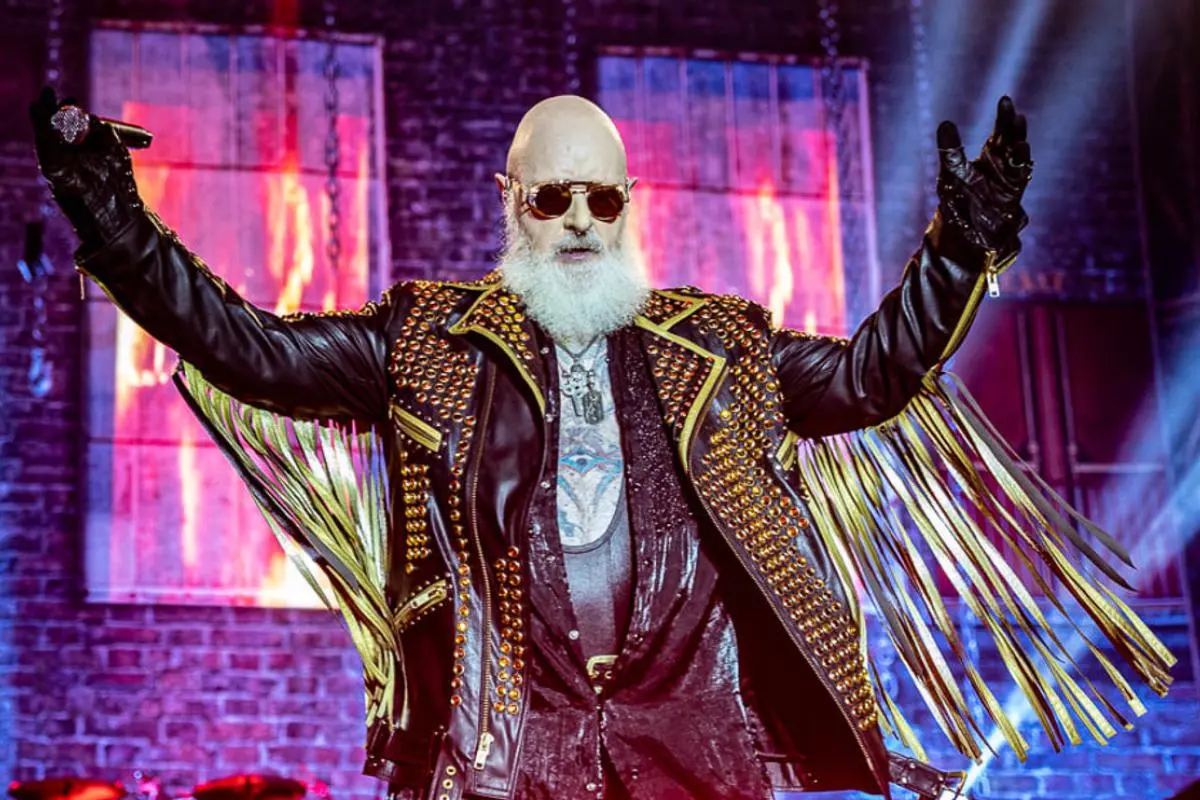
Practical takeaways: how venues prevent “another MSG 1984”
Modern arenas learned from the 70s and 80s. Security and operations now treat crowd behavior as a systems problem, not just “bad fans.”
| Risk factor | Typical modern countermeasure |
|---|---|
| Fireworks and explosives | Magnetometers, bag restrictions, prohibited-item enforcement |
| Glass bottles and heavy projectiles | Plastic cups only, vendor controls, faster ejections |
| Rowdy pre-show downtime | Shorter dead time, clearer messaging, better crowd communication |
| Hot spots in seating sections | Targeted staffing and camera monitoring |
MSG’s published policies and FAQs reflect this reality: the rules are designed to reduce what gets inside and to respond quickly once behavior crosses the line.
Conclusion: the riot is real, the “forever ban” is the hook
The 1984 Judas Priest MSG incident remains one of the most notorious arena-rock crowd stories because it combines real chaos with perfect myth-making ingredients. The damage, the fireworks, and the arrests are the hard-core of the tale. The “still banned for life” claim is the part that keeps getting repeated because it makes a cleaner legend than a messy business decision.
If you love metal history, keep the story, but keep the nuance too. The truth is already outrageous enough.


