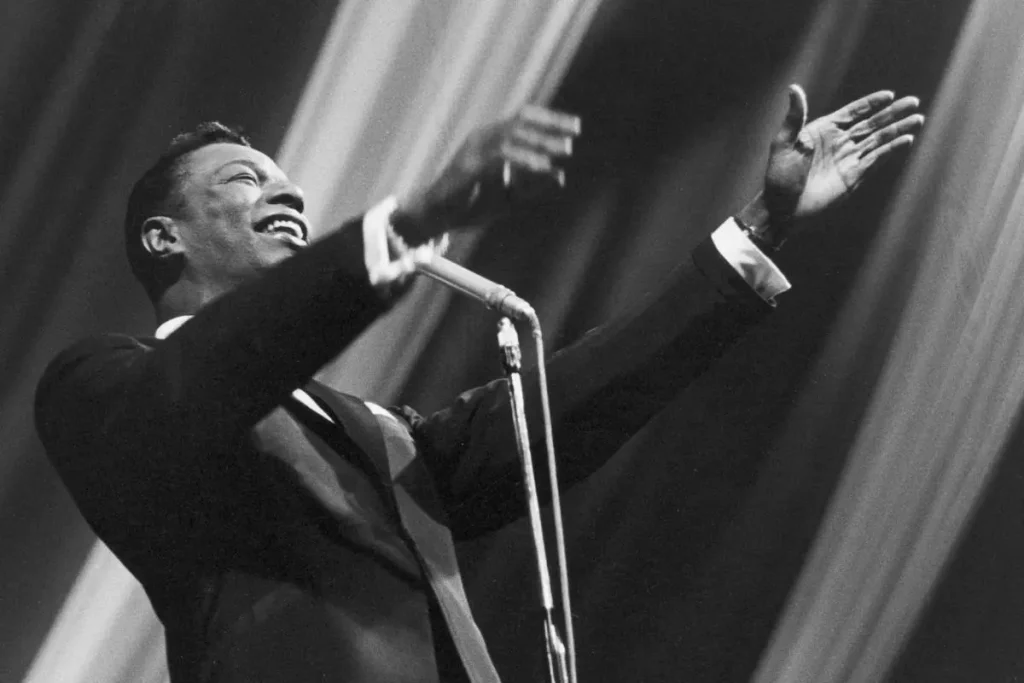
From porkpie hats and razor-sharp suits to gleaming leather shoes and hair slicked like a mirror, Nat King Cole understood a truth that plenty of performers learn too late: the audience listens with their eyes first. His look was not costume. It was strategy. In a mid-century America that demanded Black artists “behave” for mainstream approval, Cole’s elegance was both camouflage and confrontation.
That tension is what makes his style enduring. Cole didn’t dress loud, and that is exactly why it was so loud. He projected control, calm, and taste, and in the process helped define what “natty” could mean in the public imagination, especially for Black men navigating hostile spaces.
Why Nat King Cole’s wardrobe mattered more than “looking good”
Cole became a major star across jazz, pop, radio, film, and television, including hosting The Nat King Cole Show, a landmark series widely noted as the first nationally broadcast U.S. TV show hosted by an African American. That platform made his appearance part of the message, whether he wanted it or not.
In a segregated entertainment industry, clothing could function like a passport, especially when a performer’s image was being broadcast and archived for mass audiences through a nationally aired TV series. Cole’s suits read “respectable” to gatekeepers, but they also modeled a version of Black masculinity that was poised, modern, and impossible to dismiss. If you think that sounds like politics, you are right. Style is often politics wearing a tie.
His signature look, broken down like a band arrangement
Nat’s style worked because it was consistent and detail-driven. Like a great trio, each element played a clear role: silhouette, accessories, and grooming. Remove one part and the spell weakens.
1) The silhouette: clean lines, tailored confidence
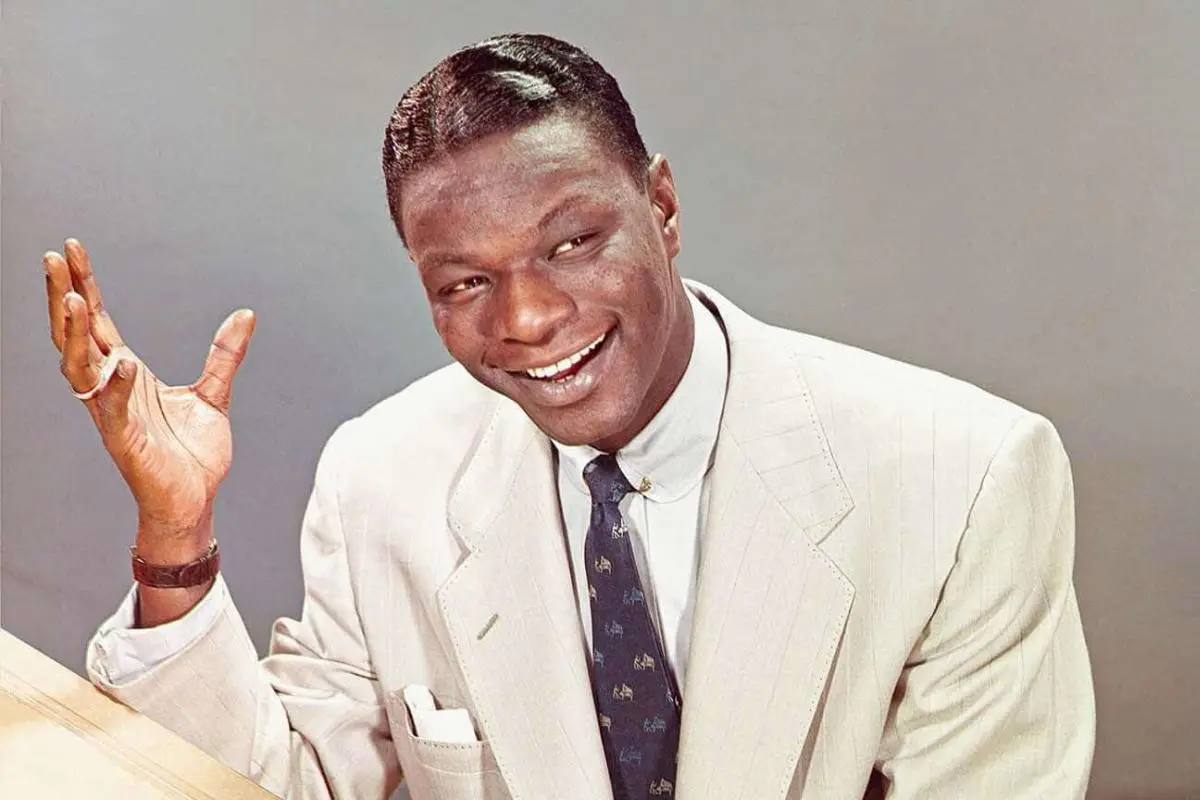
Most iconic photos show Cole in suits that sit close to the shoulders, with trousers that hang cleanly and create length. It is the opposite of sloppy “stagewear.” He looked ready for the spotlight and ready for a meeting with the bank manager.
That balance mattered because Cole lived in the era of the zoot suit backlash and the policing of Black style. He didn’t abandon flair, he edited it. The result was a look that felt aspirational without feeling costume-like.
2) The hat game: a masterclass in framing the face
The hat was not decoration. It was composition. A porkpie or a narrow-brim hat pulls the eye to the face, which for a singer is the product. On camera, hats also create a memorable outline, and Cole’s TV-era visibility made that silhouette even more valuable.
Think of it like album cover branding before branding became a job title. You could spot him in a crowd, and the hat helped tell you who he was before he sang a note.
3) Grooming: the “slick” was part of the sound
That famous slicked hair was not vanity, it was continuity. A neat hairstyle reads as discipline, and discipline reads as professionalism. Cole’s aesthetic matched his vocal approach: smooth, controlled, no wasted motion.
In other words, the grooming reinforced the music. If the voice is velvet, the hair is the sheen on the fabric.
“Natty” is not just a compliment – it is a cultural signal
The word “natty” long predates Cole, but his public image helped push the term toward a popular association with Black men dressing sharply in mid-century America. When you see “natty” used to describe classic men’s tailoring, it often carries a quiet echo of the era Cole helped define.
There’s a bigger point here: Cole’s style made elegance feel attainable and normal. Not “special occasion” elegance. Everyday elegance. That is a powerful reset button for a culture that too often frames Black refinement as either exception or performance.
The provocative claim: Nat King Cole’s restraint was his loudest flex
Modern style culture is addicted to being seen. Cole’s genius was being unforgettable without screaming. His clothes didn’t beg for attention, they assumed it. That’s a very different kind of masculinity than the peacocking we reward now.
“It’s the details that make one style ‘unforgettable.’”
Todd Snyder, menswear designer and stylist, quoted in his commentary on Cole’s enduring style.
That quote lands because it explains why Cole still looks modern: he worked at the level of proportion, fit, and finish. Those are the things that never go out of style, because they are not trends. They are craft.
His suits were stagecraft, not narcissism
One of the most interesting parts of Cole’s legacy is that his presentation was often described as enhancing the performance rather than overshadowing it. That distinction matters. When a singer looks “put together,” the audience relaxes. They trust the show will be professional, tasteful, and worth their time.
It is also worth remembering that Cole performed in venues and on broadcasts where the stakes were high for a Black entertainer. Clothing became armor: not to hide, but to hold the line.
TV made his wardrobe a national lesson in menswear
Radio made stars. Television made icons. Once Cole was in living rooms across the country, his tailoring, shirts, and ties became reference points for what a “class act” looked like on camera.
TV also punishes cheap fabric and sloppy fit. Lights flatten texture and exaggerate wrinkles. Cole’s preference for crisp presentation suggests he understood the medium. Whether instinct or professional guidance, it worked.
What today’s menswear can steal from Nat King Cole (without cosplay)
You do not need a vintage microphone or a tuxedo to borrow Cole’s energy. You need discipline and an eye for the small things. Here’s a practical checklist that translates his approach into modern life.
| Cole Principle | What It Means | Easy Modern Move |
|---|---|---|
| Fit first | Clothes should follow your shape, not fight it | Tailor trouser hem and jacket sleeve length |
| Controlled palette | Neutral foundations make details pop | Navy, charcoal, cream shirts; one strong accent |
| Detail discipline | Small finishes create “expensive” impressions | Polish shoes, press shirt, match belt leather |
| One signature | A repeatable hallmark makes you memorable | A great hat, a pocket square, or a watch |
| Grooming is part of the outfit | Hair and skin set the tone before clothing | Consistent haircut schedule; simple skincare |
The deeper context: elegance under pressure
It is impossible to separate Cole’s polish from the era’s racial realities. His career included moments that revealed how “acceptable” success could still be met with ugliness, including public hostility and violence that has been widely documented by historians and biographers.
In that environment, dressing impeccably was not about winning a best-dressed list. It was about insisting on dignity in spaces built to deny it. If that sounds heavy for a fashion conversation, good. It should.
Where the myth ends and the legacy begins
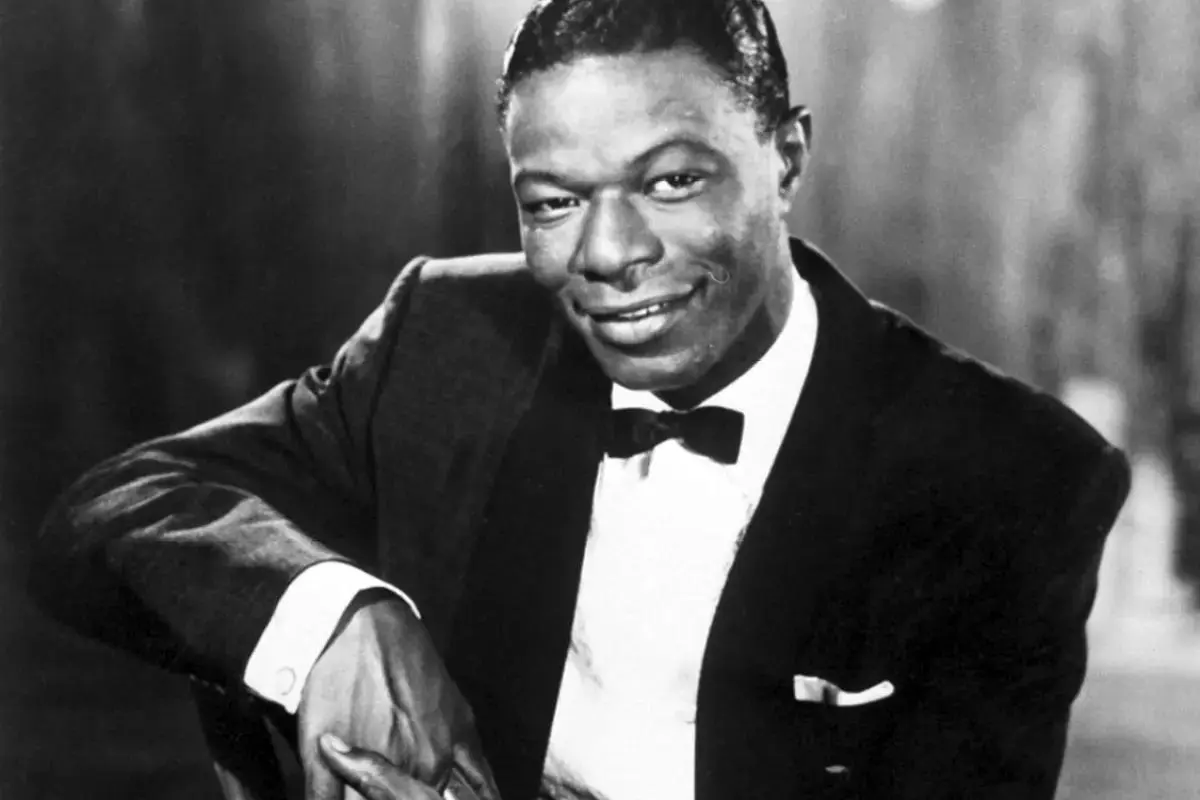
There’s a temptation to romanticize Cole as simply “classy.” But the real takeaway is sharper: he curated a public image that amplified his artistry and protected his career. That is not shallow, it is intelligent.
For older music fans who lived closer to that era, Cole’s look may feel like nostalgia. For everyone else, it is a reminder that classic style was never just about taste. For Nat King Cole, it was a way of moving through the world with the volume turned down and the impact turned up.
Conclusion: the quiet power of being impeccably dressed
Nat King Cole’s wardrobe is worth studying because it was never separate from his musicianship. The same restraint that made his phrasing elegant made his outfits unforgettable. He didn’t dress to distract from the music. He dressed to frame it.
And if you want the most “Nat” lesson of all, here it is: when the world expects you to shrink, show up tailored.