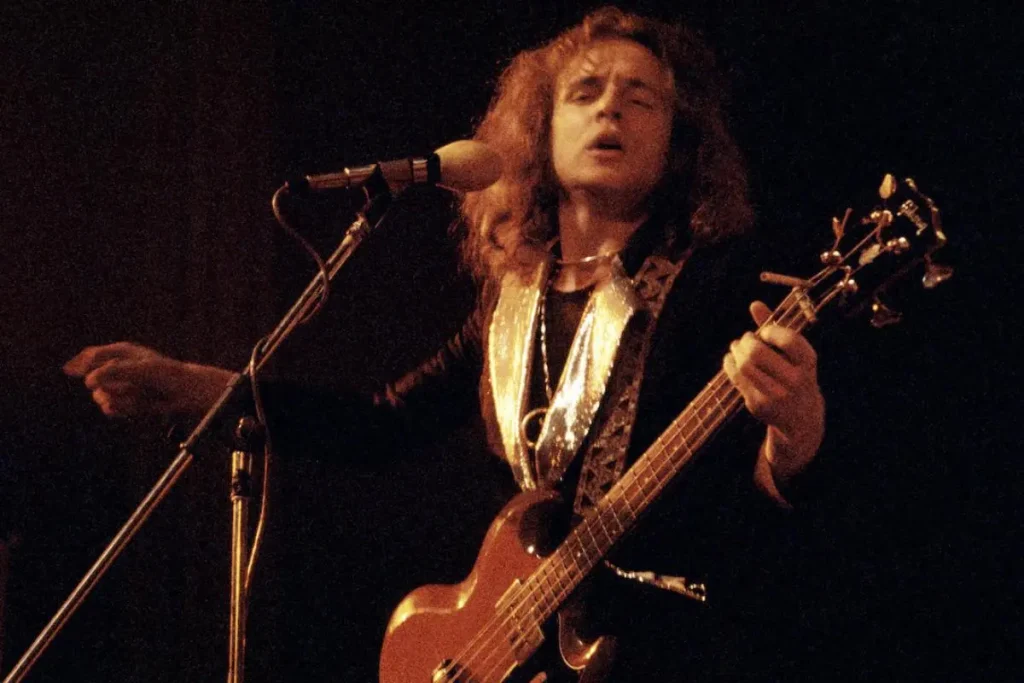
In most rock histories Eric Clapton gets the halo for Cream. But listen again: the wild voice leaping over the feedback and the bass snarling like a second lead guitar are Jack Bruce.
Bruce turned a three-year stint in Cream into a lifetime pass in rock mythology, then chose the hardest route possible: walking away from supergroup stardom to chase stranger, more personal music. This is how he made that jump, and why musicians still talk about his solo work in hushed tones.
From Glasgow prodigy to London blues rebel
Jack Bruce was born John Symon Asher Bruce in Bishopbriggs, near Glasgow, to musical parents who shuffled across Scotland, Canada and the US, leaving him to cycle through 14 schools. A gifted cellist and composer, he won a scholarship to the Royal Scottish Academy of Music but quit as a teenager, disillusioned by tutors who dismissed his jazz interests and pressured by sheer poverty.
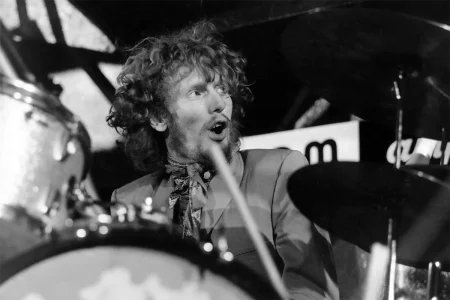
He headed first to Italy, then to London, scraping a living on double bass in dance bands and jazz groups before landing in Alexis Korner’s Blues Incorporated alongside drummer Charlie Watts. By 1963 he had joined the Graham Bond Organisation with Graham Bond, John McLaughlin and Ginger Baker, where his restless, “too busy” bass lines already clashed with Baker’s temper and volume.
After early friction led Baker to push him out of Bond’s band, Bruce bounced through John Mayall’s Bluesbreakers and a short, miserable spell in Manfred Mann that he later dismissed as too commercial. The upside was that he met Eric Clapton in Mayall’s group, setting the stage for Baker’s idea of a new trio and Clapton’s condition that Bruce should be the singer.
Cream: supergroup, science experiment, slow-motion car crash
Formed in 1966, Cream was marketed around Clapton, but the engine was Bruce: he co-wrote and usually sang ‘Sunshine of Your Love’, ‘White Room’, ‘I Feel Free’, ‘Politician’ and more, while the band sold around 35 million albums in two frantic years and scored the first ever platinum disc for a double LP with Wheels of Fire.
Among bass players he became the anti-sideman. Rolling Stone readers later ranked him among the ten greatest bassists of all time, and he entered both the Rock and Roll Hall of Fame and the Grammy roll of Lifetime Achievement recipients as Cream’s low-end mastermind.
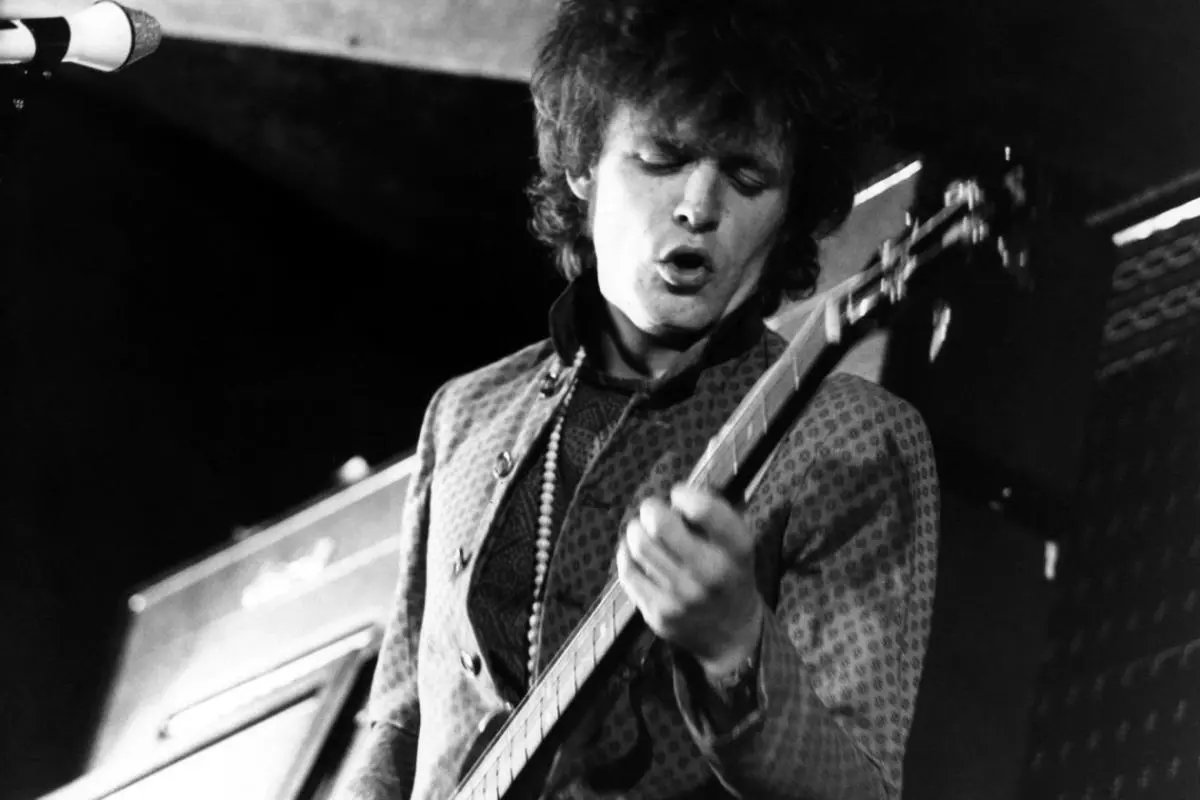
On stage Bruce treated the bass as a frontline instrument, feeding his Gibson short-scale into Marshall stacks until it roared like a baritone guitar while he sang complex melodies over the top. Cream’s extended jams were essentially three soloists colliding at once, but listen closely and Bruce is usually steering the harmony while Baker and Clapton fight it out on top.
Why he walked away at the top
The same volatility that made Cream exciting also made them unsustainable. The unresolved bad blood between Bruce and Baker, brutal touring schedules, punishing stage volume and a manager more interested in cashing in than letting them write all pushed the trio toward burnout, even as their records kept getting bigger.
Bruce later admitted he felt the music drifting away from the ideals that had pulled him out of the jazz clubs in the first place. Rather than become a nostalgia act before the word existed, he chose the riskier path: break Cream up at their commercial peak and make records that dug deeper into jazz harmony, folk colour and classical structure than any hit-chasing label really wanted.
From supergroup to solo: Songs for a Tailor and beyond
His first major statement was Songs for a Tailor in 1969, cut barely months after Cream’s farewell. Produced by Felix Pappalardi, it deliberately swerved away from Cream’s power-trio template into a heady blend of jazz, folk, classical and rock, with brass arrangements and intricate song forms that critics now hail as one of his seminal works and a chart success on both sides of the Atlantic.
Lyrically, Pete Brown’s surreal, literate lines gave Bruce room to be stranger than Cream ever allowed. Tracks like ‘Theme for an Imaginary Western’ and ‘Rope Ladder to the Moon’ marry folkish melodies to jazz changes, while his voice, freed from competing with Baker’s drums, slides from tender to feral within a single phrase.
At almost the same time he recorded Things We Like, an uncompromising instrumental jazz set with John McLaughlin, Dick Heckstall-Smith and Jon Hiseman built around tunes he had sketched as a teenager. Released in 1970, it showcased Bruce on upright bass navigating bebop lines and free-jazz squalls, a sharp reminder that Cream’s bassist had always been a modern jazz player trapped inside a rock idol’s body.
1971’s Harmony Row pushed further into dense, progressive rock, named after a Glasgow tenement street from his childhood and, by Bruce’s own reckoning, his personal favourite. Commercially it stiffed, so he swerved again into the hard-rock trio West, Bruce & Laing, then back toward jazz with drummer Tony Williams’ Lifetime, forever chasing a sound the market could not neatly package.
The price of refusing to behave
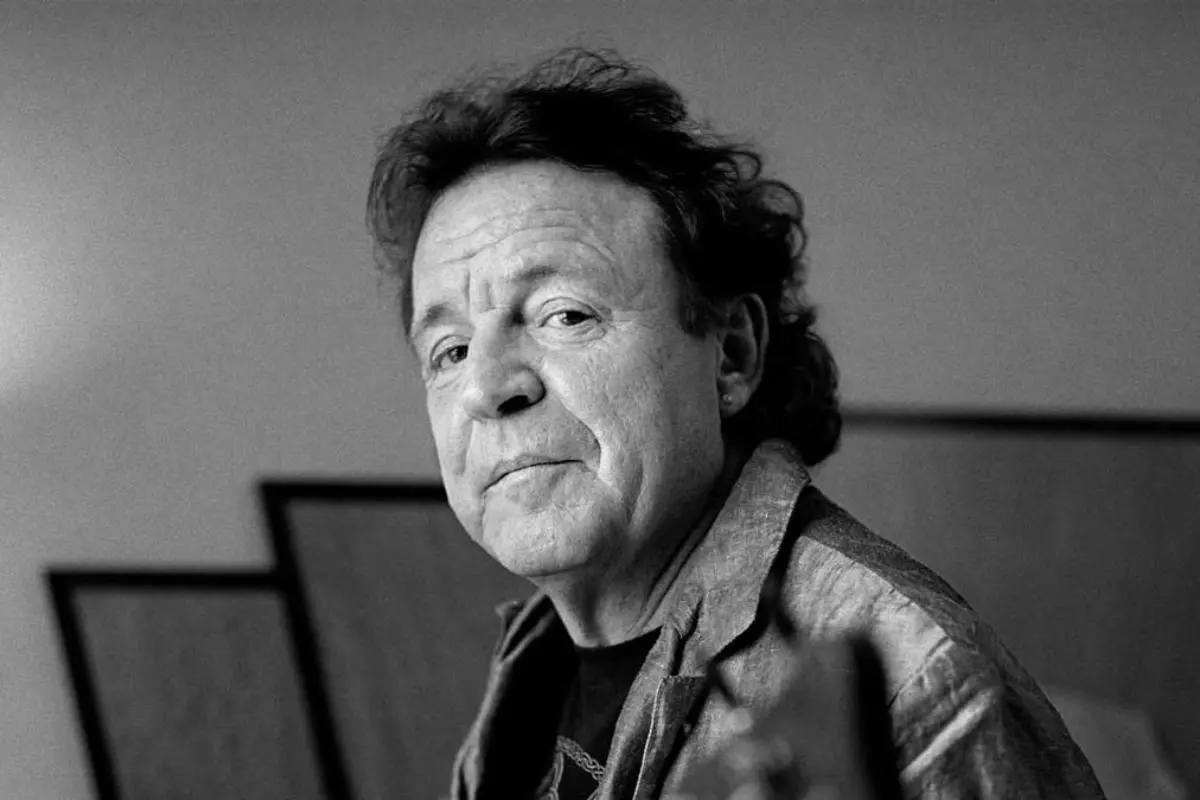
Harry Shapiro’s authorised biography, Composing Himself, paints a brutal picture of what that restless approach cost him: managers who lost or stole money, labels that shelved albums and a leader whose mercurial moods, mental health struggles and heroin addiction repeatedly blew up promising bands just as the critics were catching on.
By the 1980s Bruce had survived years of addiction and started to rebuild his health, but commercial fortunes stayed patchy. He collaborated with everyone from Frank Zappa and Lou Reed to Robin Trower and Gary Moore, cutting fierce one-off projects that thrilled musicians and baffled marketing departments.
Silver Rails: closing the circle
Bruce’s final studio album, Silver Rails, appeared in 2014 after Cherry Red’s Mark Powell persuaded him that the time was right for one last statement. Recorded at Abbey Road with a small army of guests, from Robin Trower and Phil Manzanera to Cindy Blackman Santana and his own children, he consciously used Songs for a Tailor as a template and talked about the two records as ‘bookends’ framing his solo career.
Musically it rereads his whole history in 10 songs: blues-rooted epics like ‘Reach for the Night’, Latin tinges, knotty prog passages and off-kilter ballads. Critics heard less fury than in his youth but plenty of bite, as if he had finally made peace with the idea of being Jack Bruce rather than the guy from Cream.
The sound of Jack Bruce: lessons for musicians
For bass players, Bruce’s biggest legacy is not a single riff but an attitude: the instrument can be melodic, harmonically daring and emotionally exposed without ever stopping being the engine room. He built that approach first on short-scale Gibsons like the EB-3 plugged into Marshalls, later shifting to fretless Warwick signature basses for a cleaner, singing tone, all while favouring fingerstyle rather than a pick.
If you want to understand his solo journey in sound rather than biography, queue up a short playlist and listen with a bass player’s ears:
- ‘Sunshine of Your Love’ – the riff that turned the bass into a co-lead guitar.
- ‘Theme for an Imaginary Western’ – his songwriting breaking free of Cream’s limits.
- ‘Reach for the Night’ from Silver Rails – an older Bruce revisiting the blues with every scar audible.
From superstar to cult hero
History has been kinder to Bruce with musicians than with the general public. If Cream was the explosion, his solo career was the long echo – jagged, daring and still oddly futuristic.