Thrash metal was supposed to rot kids’ brains, not pay their tuition. Yet for years, Ray Burton quietly took the royalty checks from his son Cliff’s work on Metallica’s first three albums and turned them into a music scholarship at Castro Valley High School, the public school his son once walked into with a beat up bass and a head full of riffs.
In an era when rock money usually went into mansions, cars and chemical hobbies, a 90-something retiree was signing over metal royalties so teenagers could afford college practice rooms and harmony textbooks. It is one of the strangest and most moving twists in heavy metal history.
Who Cliff Burton Was, and Why Those Records Still Hit Hard
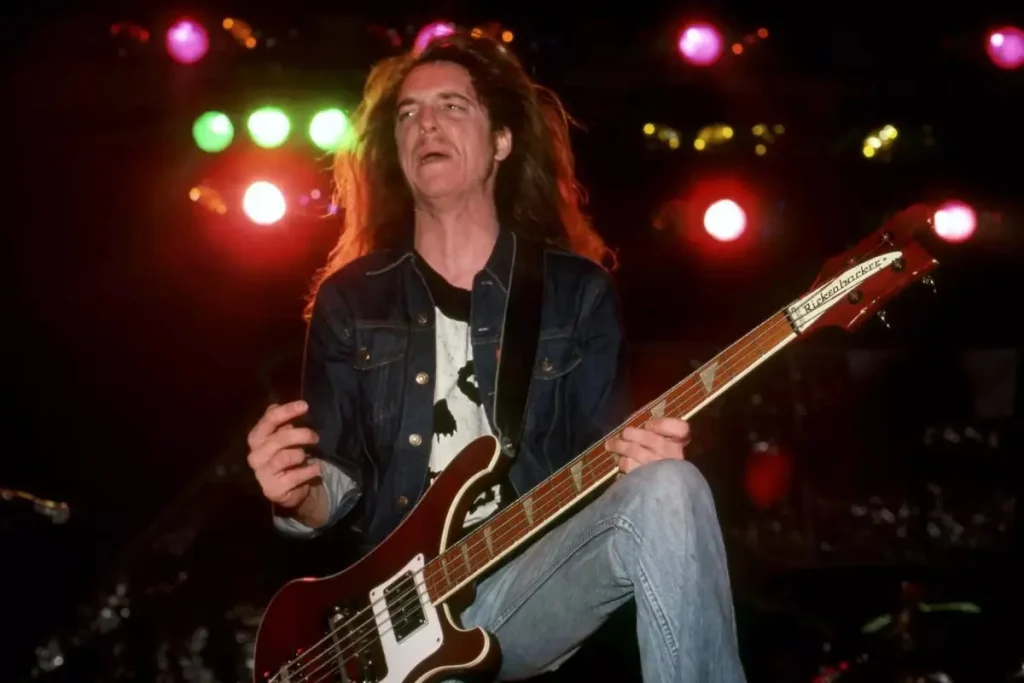
Clifford Lee Burton joined Metallica in the early 1980s, played bass on their first three studio albums and was killed in a tour bus crash in Sweden in 1986 at just 24 years old. Those records – Kill ’Em All, Ride the Lightning and Master of Puppets – turned a scruffy Bay Area band into the most dangerous thing on a suburban kid’s turntable and helped earn Cliff a place on lists of the greatest bassists of all time.
Burton did not play bass like a background instrument. He dragged classical ideas, fuzzed out distortion and wild wah pedal screams into a genre that was still figuring itself out. Tracks like his distorted solo piece “Anesthesia (Pulling Teeth)” made it obvious to anyone with headphones that the quiet guy at stage left was rewriting what metal bass could be.
Ray Burton: The Un-Metal Metal Dad
Ray Burton was not a thrasher. In interviews he laughed that Metallica was hardly his beloved big band music, but he backed his son’s obsession anyway and later called Cliff a humble kid who hated peacocking rock stars and just wanted to play heavy music. Ray’s attitude was simple and very un-L.A.: if your kid works that hard at something, you back him and see where it goes.
On the Alphabetallica podcast, Ray explained that one of the things he did with the royalties he received after Cliff’s death was create a scholarship at Castro Valley High for music students. The winners would write him letters of thanks, and Ray insisted he was only doing what Cliff himself would have done, because his son actually liked school and took education seriously.
In a separate interview, Ray laid it out even more bluntly: the family had been getting Cliff’s royalty checks since 1986, and he had been sending that money straight to his son’s old school to help aspiring musicians get to college. The image of a pensioner routing money from some of the heaviest music ever recorded into a public school scholarship fund is the kind of plot twist no moral panic preacher in the 1980s ever saw coming.
When Ray died at 94, Metallica publicly saluted the man who had become a kind of spiritual grandfather to the band and their fans, noting how he kept showing up at shows and talking about donating his share of Cliff’s royalties to music scholarships. The guy who once just wanted his son to finish high school had turned into a grinning, cardigan wearing folk hero of thrash.

From Platinum Albums To Public School Scholarships
The power of three endlessly selling records
It is tempting to imagine these scholarships were funded by a couple of dusty royalty statements and nostalgia streams. The numbers say otherwise. A Loudwire breakdown in 2017 noted that in the previous year alone, all three Metallica albums Cliff played on were still among the 25 best selling hard rock and metal albums in the United States, with each title moving well into six figure sales.
That is before you even count global catalog sales, streaming, box set reissues and sync licenses. In other words, those teenage riffs Cliff tracked in the early 80s did not just buy Big Four arena PAs. For decades they have quietly thrown off enough cash that Ray could treat the scholarship as a serious pipeline, not a ceremonial $500 pat on the head.
What the Cliff Burton scholarship looks like in real life
At its core the Cliff Burton scholarship is brutally simple: take the royalty checks, hand them to Castro Valley High, and use them to help music students reach the next level. Ray talked about the kids who wrote him after winning, thanking him for helping them chase music degrees or simply making college slightly less financially suicidal. Those letters from winners were his proof that the money was landing where it mattered.
More than thirty years after Cliff’s death, his name is now literally printed on award certificates and school paperwork instead of just bootleg shirts and battle jackets. When loud music parents say “this band changed my kid’s life,” they are usually talking about inspiration. In Castro Valley’s band room, it is also about rent money and tuition bills.
Cliff Burton Day and a Legacy That Refuses To Shut Up
Cliff’s hometown eventually caught up with what his fans had known for decades. After a fan driven petition, Alameda County formally proclaimed February 10 as “Cliff Burton Day,” honoring the late bassist’s influence and his roots in Castro Valley’s schools and local bands. Coverage of the proclamation noted that by then, Ray was already using Cliff’s royalties to fund scholarship opportunities for kids at Castro Valley High, turning civic pride into something that actually paid out.
The scholarship did not die with Ray. A 2023 announcement for a virtual Cliff Burton Day celebration promoted limited edition shirts where 100 percent of the proceeds went to the Cliff Burton Music Scholarship, administered by the Burton family. That means a fan buying a shirt with a skull and a logo is indirectly paying for some teenager’s ear training class or first semester theory books.
How This Story Flips The Rock Star Myth On Its Head
- It weaponizes the very records parents were told to fear. In the 80s, politicians waved Metallica album covers as proof that metal was corrupting kids. The reality is that those same records are literally paying for kids to study music in college classrooms instead of learning everything from YouTube comments.
- It exposes how shallow the “sell out” debate really was. Fans once argued for hours about whether Metallica went soft after Master of Puppets. Meanwhile, the checks from those early albums were being funneled into a public school arts program that keeps working class kids in the game. That is about as punk as it gets, whether you like ballads or not.
- It shows what generational loyalty actually looks like. A lot of rock estates cash in on nostalgia and call it a day. Ray Burton spent his 80s and 90s hauling himself to shows, talking to fans, and turning every payment his dead son earned into an opportunity for some stranger’s kid. That is not branding. That is stubborn, old school ethics.

Why It Still Hits Home For Fans Of 80s Metal
If you grew up sneaking Ride the Lightning past conservative parents, you are old enough now to understand student loan interest, collapsing school music budgets and what it means when a working class kid gets a real shot. The idea that the same bass lines you blasted in your bedroom are now underwriting someone else’s education feels like the universe accidentally did something right for once.
Cliff Burton never lived long enough to see the long tail of his own work, and Ray Burton never acted like a saint about what he was doing. But for decades, a retired dad quietly redirected the profits of pure sonic violence into the most uncool thing in rock culture: sustained, low key generosity. The riffs are immortal, the checks keep coming, and somewhere in Castro Valley a nervous teenager opens a letter with Cliff’s name on it and realizes that heavy music just made their future a little less heavy.