
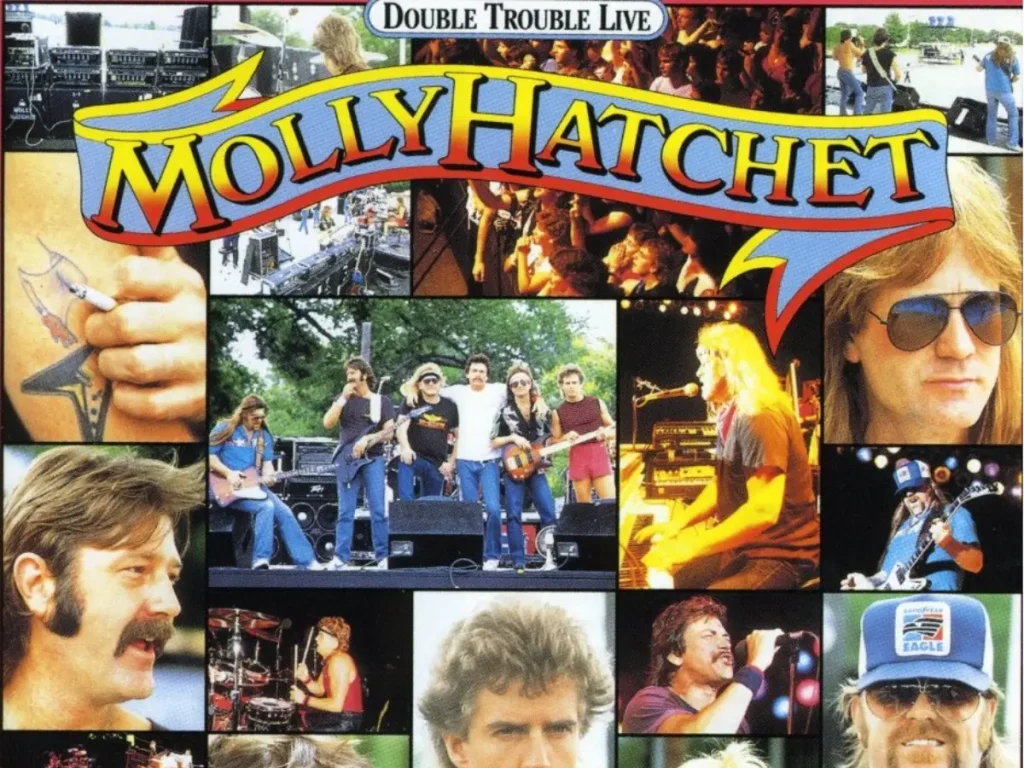
If Southern rock had a ghost story, it would sound a lot like Molly Hatchet. Born in smoky Jacksonville bars, the band turned barroom boogie into metal edged anthems like “Flirtin’ with Disaster” and “Whiskey Man,” then watched every original member die while the name kept touring.
That tension between history and survival makes Molly Hatchet one of the strangest, most compelling sagas in classic rock. To understand why the logo still packs theaters, you have to start in the Florida clubs where the three guitar army learned to swing an axe.
Barroom origins: Molly Hatchet’s rise from Jacksonville
In the early 1970s Jacksonville was a hotbed of what would soon be called Southern rock, with bands blending blues, country, gospel and British hard rock; Molly Hatchet emerged from the same circuit that produced the Allman Brothers Band and Lynyrd Skynyrd, but aimed heavier and louder with a road warrior work ethic. Their self titled 1978 debut and 1979 follow up “Flirtin’ with Disaster” both went multi platinum, driven by a brutal touring schedule of roughly 250 shows a year with arena headliners from Aerosmith to the Rolling Stones.
The original Molly Hatchet lineup was built for excess: three lead guitarists (Dave Hlubek, Steve Holland and Duane Roland), singer Danny Joe Brown, bassist Banner Thomas and drummer Bruce Crump, formed in 1971 in Jacksonville and captured on record by 1978. Contemporary bios describe the sound as loud hard rock boogie welded to extended Southern jam guitar battles, a tougher, street fighting cousin to Skynyrd’s more lyrical approach.
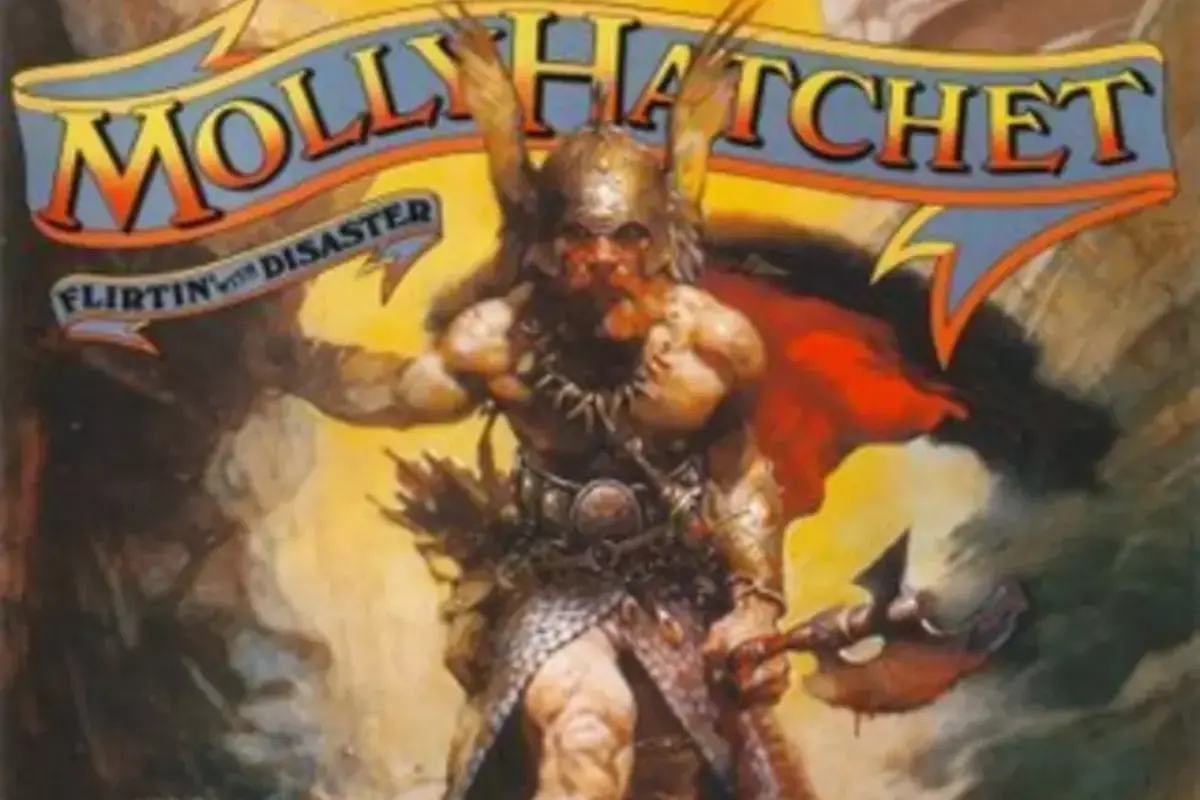
Even before the needle hit the groove, the band looked dangerous. The self titled debut used fantasy artist Frank Frazetta’s “Death Dealer” on the cover, instantly branding Molly Hatchet as the barbarian warriors of Southern rock rather than just another bar band in denim. The name only deepened the mythos: interviews and retrospectives trace it to a draw names from a hat session that landed on “Molly Hatchet,” supposedly inspired by a 17th century axe murderess nicknamed “Hatchet Molly” who beheaded her lovers, a story that may be more barroom legend than verifiable history but fits the band’s lurid image perfectly.
Flirtin’ with Disaster: when Southern rock went over the edge
By the time “Flirtin’ with Disaster” landed, Molly Hatchet had sharpened their formula into something both radio ready and reckless. The second studio album, released in 1979, became their biggest seller, going platinum in the United States and moving more than two million copies on the strength of the title track and bruisers like “Whiskey Man.”Radio retrospectives underline just how dominant that record became.
The song “Flirtin’ with Disaster” is Southern rock at its most unrepentant: a high octane, three guitar stomp whose lyrics mirror the band’s own late 70s lifestyle of endless highways, drugs, booze and a sense that they really were tempting fate. Radio features have pointed out that the single spent weeks on the Billboard Hot 100 and has since turned up in films, TV shows and video games, keeping the band’s name in circulation long after their commercial peak faded.
Dig a little deeper into the catalog and you hear how smart these guys could be. “Gator Country,” from the debut, is a tongue in cheek ode to Florida that salutes and gently snipes at fellow Southern rockers like Lynyrd Skynyrd and the Allman Brothers while giving each guitarist space to trade solos over a swaggering groove. Live recordings underline how much of a crowd favorite it became. On the same album, their reworking of the Allman Brothers’ “Dreams” into the harder, re titled “Dreams I’ll Never See” showed they could toughen up a classic without losing its melancholy heart, as you can hear in vintage late 70s performance footage.
Essential Molly Hatchet tracks for classic rock fans
| Track | Year | Why it matters |
|---|---|---|
| Flirtin’ with Disaster | 1979 | The definitive Molly Hatchet anthem, three guitars locked in over a lyric that feels like a dare to fate. |
| Whiskey Man | 1979 | Lean, riff driven and mean, it shows how close the band could get to early metal without losing Southern swing. |
| Gator Country | 1978 | A swampy roll call of Southern pride and in jokes, built to be shouted back at the stage with a beer in hand. |
| Dreams I’ll Never See | 1978 | An Allman Brothers deep cut reimagined as a grinding, cathartic epic, marrying jazz tinges to bar band volume. |
| Beatin’ the Odds | 1980 | The moment the band leaned harder into arena rock, foreshadowing the stylistic tug of war that followed. |
| Fall of the Peacemakers | 1983 | A rare, elegiac side of Molly Hatchet, stretching out into a slow burn lament that many fans rank with Skynyrd’s ballads. |
Lineup chaos, comebacks and the franchise years
Like many Southern rock outfits, Molly Hatchet could not outrun internal friction and changing tastes. After a pop leaning 1984 album and the slick “Lightning Strikes Twice” in 1989, the band splintered, only to regroup in the mid 1990s as a leaner touring machine; by then guitarist Bobby Ingram, who had joined in 1987, had taken legal ownership of the Molly Hatchet name and steered the group through new studio sets like “Devil’s Canyon” (1996), “Silent Reign of Heroes” (1998) and “Kingdom of XII” (2001).
Far from quietly milking the back catalog, the Ingram led lineup kept writing and recording, adding weighty later era albums such as “Warriors of the Rainbow Bridge” (2005), the covers heavy “Southern Rock Masters” (2008) and the muscular “Justice” (2010), plus live documents like “Battleground.” That covers record in particular underlined who they saw as peers, stacking their own hard driving takes on songs by ZZ Top, Thin Lizzy, the Rolling Stones, the Eagles and more.
All the originals are gone, but the logo plays on
There is a darker subplot running under all that productivity. Across the 2000s and 2010s, every member of the classic six piece lineup died: frontman Danny Joe Brown in 2005, guitarist Duane Roland in 2006, drummer Bruce Crump in 2015, bassist Banner Thomas and founder Dave Hlubek in 2017, and finally guitarist Steve Holland in 2020, at which point writers were already noting that the last original Hatchet soldier had fallen while the band itself kept touring with later members Bobby Ingram and keyboardist John Galvin.
Classic Rock History put it bluntly when it described Holland’s passing as the moment the last of Molly Hatchet’s founding members was gone, closing the living chapter of that fearsome original configuration. In practical terms it means today’s Molly Hatchet is a legacy act run by musicians who came aboard later, and fans have to decide for themselves whether that makes the current lineup a glorified tribute band or a legitimate continuation of the Southern rock institution.
Molly Hatchet today: Abbey Road sessions and how to listen now
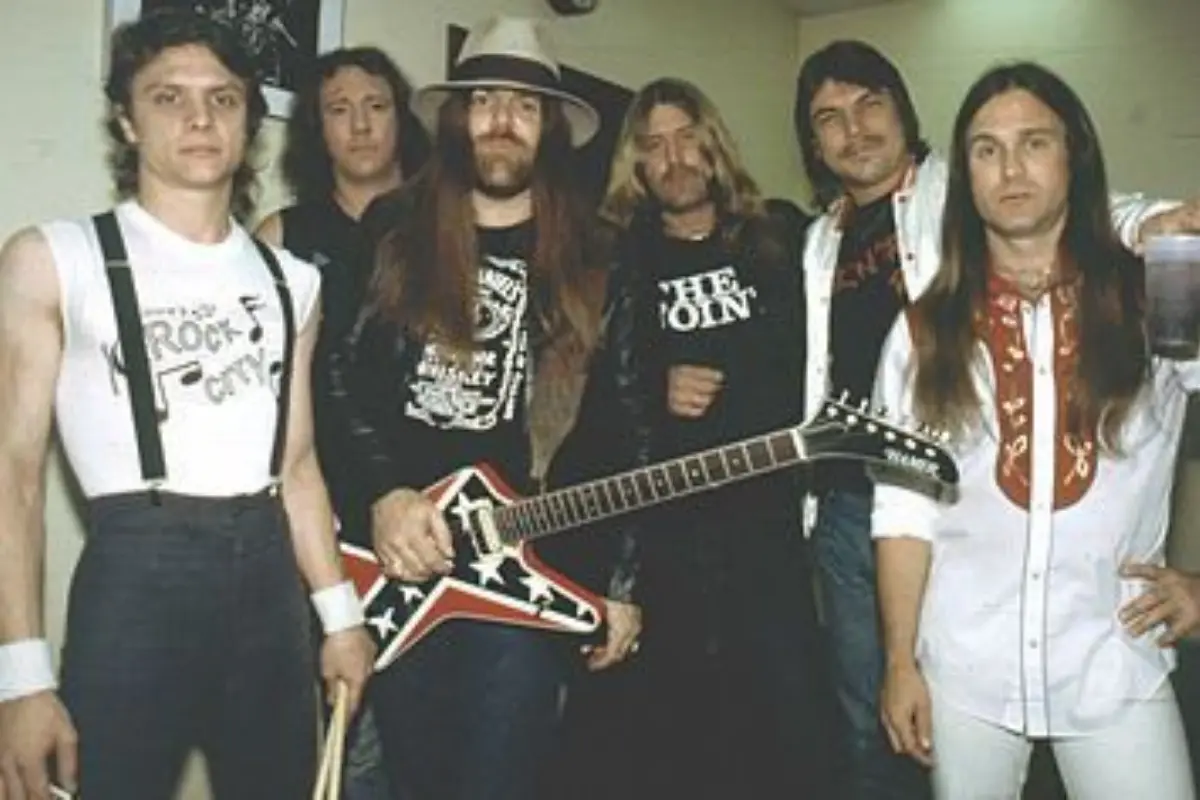
The story did not stop with obituaries. In 2023 the band cut a new single, “Firing Line,” at Abbey Road Studios in London with a lineup of Ingram on guitar, Galvin on keyboards, Tim Lindsey on bass, Shawn Beamer on drums and new singer Parker Lee, billing it as their first fresh song in 13 years and framing the lyrics as a stand up for yourself tale about defending your integrity when the system paints you as guilty.
Coverage in the rock press added that “Firing Line” was the first taste of a completed new studio album, the follow up to 2010’s “Justice,” and that the band would be pairing the release with another heavy run of U.S. and European tour dates. In other words, while the original creators are gone, the logo, the sound and the work ethic are very much alive, now powered by players who grew up on those first two Epic records.
How to dive into Molly Hatchet’s catalog
If you are coming to Molly Hatchet fresh or circling back after a few decades, here is a simple listening roadmap:
- Start with the first two albums. Spin “Molly Hatchet” and “Flirtin’ with Disaster” front to back to hear the original three guitar army in full cry, from “Gator Country” and “Dreams I’ll Never See” to the title track.
- Jump to the danger years. Check out “Beatin’ the Odds” and “No Guts… No Glory” to hear how the band flirted with a harder, more metallic sound without completely abandoning its Southern roots.
- Sample the Ingram era. Try “Devil’s Canyon,” “Warriors of the Rainbow Bridge” and “Justice” for a surprisingly muscular later chapter that many casual fans never heard.
- Use the covers to connect the dots. Albums like “Southern Rock Masters” and compilations such as “Jukebox Saloon” put Molly Hatchet side by side with their heroes, making it clear how deeply they internalized everyone from ZZ Top to the Allman Brothers.
- Walk into modern shows with eyes open. You are not seeing the guys from the album covers anymore, but if you want to feel what a fully cranked triple boogie Southern rock set still sounds like in a room, today’s version of Molly Hatchet delivers that experience with professional ferocity.
In the end Molly Hatchet is less a band in the traditional sense and more a living, touring idea of what Southern rock can sound like when you push it to its loudest, roughest edge. Whether that feels heroic or heretical probably says as much about your own relationship to classic rock nostalgia as it does about the Jacksonville hellraisers who started this whole saga.


