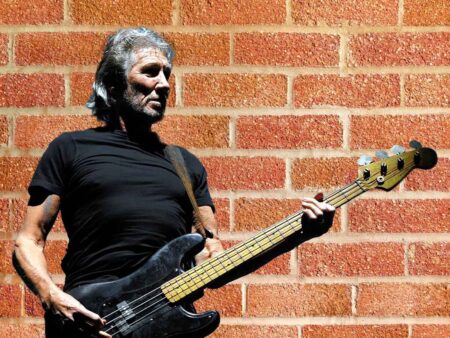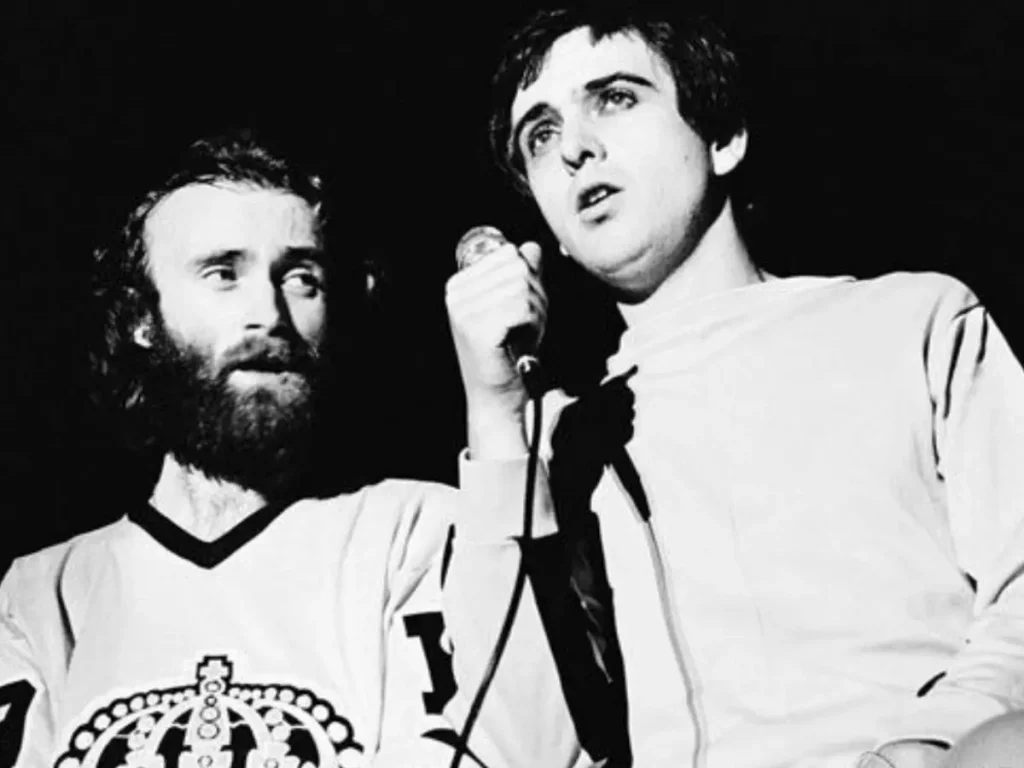
Phil Collins and Peter Gabriel are one of rock’s strangest double act stories. Two singers, one band name, and two careers that pulled in opposite directions yet kept colliding on the charts and on MTV. If you grew up in the 60s through the 80s, you probably lived through the split in real time.
Today their names carry very different baggage: Collins as the overplayed pop juggernaut, Gabriel as the art-rock saint. The truth is messier and far more interesting. Their story is not really about a feud. It is about how one band secretly birthed two entire genres of mainstream rock.
One band, two frontmen
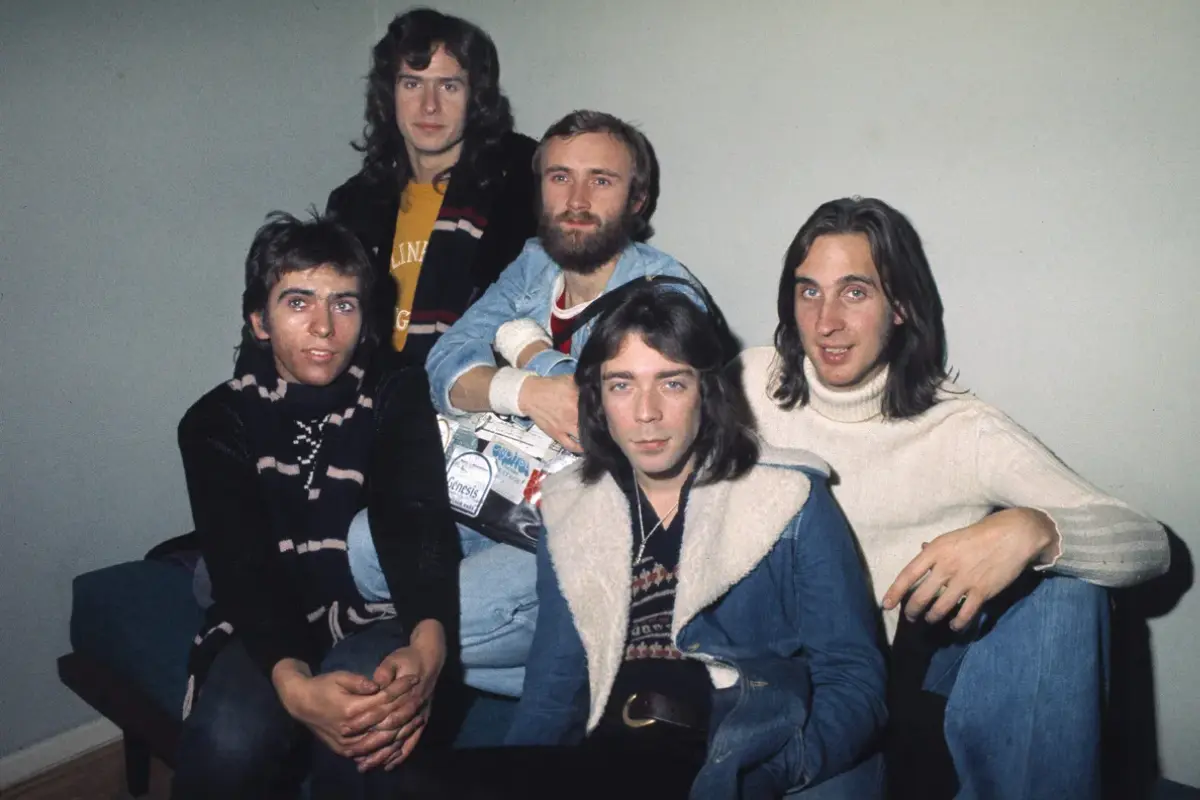
Genesis began life in the late 1960s as a British public school songwriting project that morphed into a full progressive rock band, with Peter Gabriel as its costumed, story-telling front man and Phil Collins joining in 1970 as the drummer. By the mid 70s they were cult heroes, known for long suites, odd time signatures and surreal stage shows rather than hit singles.

After the dense concept album The Lamb Lies Down on Broadway, Gabriel walked away in 1975, exhausted by touring, family pressures and creative battles. Genesis decided not to fold; instead Collins, who had only sung the odd lead vocal, stepped out from behind the kit and took the microphone. The same band name suddenly carried a warmer, more direct voice and, album by album, the music tightened into radio friendly rock.
Gabriel’s art-rock universe
Gabriel did not leave to become a pop star. He dove into darker, more experimental solo records, embracing world rhythms, political themes and unusual production tricks long before those ideas were fashionable. His early solo work and songs like “Games Without Frontiers” and “Biko” ran alongside his activism, including cofounding the WOMAD festival and later the Real World label to champion global music.
Collins, the reluctant front man
Collins never tried to copy Gabriel’s theatricality. Bandmate Mike Rutherford recalls him simply standing and singing, initially too shy even to take the mic off the stand, and Collins himself has said he told the others not to expect costumes or masks. That ordinary-bloke presence turned out to be his secret weapon: audiences felt he was one of them, not a rock god descending from the rafters.
In the background Collins still thought of himself as “a drummer first”, and the documentary of that name underlines how accidental his front man status really was. When Gabriel quit, Collins even suggested Genesis continue as an instrumental band before being pushed into the vocal role no one else wanted.
Solo careers: pop powerhouse vs art-rock visionary
While fronting Genesis, Collins quietly built a solo empire. His debut album Face Value and its lead single “In the Air Tonight” turned very private divorce lyrics into stadium catharsis, and over the next decade he became one of the defining pop voices of the era, collecting Grammys and film themes along the way. Encyclopaedia Britannica flatly describes him as rising from Genesis drummer to world conquering pop star.
Between 1984 and 1990 alone, Collins released 13 US Top 10 singles under his own name, an absurd run that made him as ubiquitous on pop radio as Madonna or Michael Jackson.
“Against All Odds (Take a Look at Me Now)” gave him his first US No 1 in 1984, and writers have noted it was only the first of seven solo singles he would drive to the top of the Billboard Hot 100.
Gabriel’s solo path looked almost inverted. His first four albums were dense, self titled art-rock statements that slowly built a reputation for sonic adventure and political bite rather than blockbuster sales. That changed with 1986’s So, an album that is widely regarded as his best record and regularly appears on lists of the greatest albums of the 1980s for the way it marries experimentation to hooks.
Nothing summed up that collision better than “Sledgehammer”. Its stop motion video, made with Aardman Animations, still holds the Guinness World Record for the most MTV Video Music Awards won by a single clip, with nine trophies including Video of the Year and a personal Video Vanguard award for Gabriel.
In one of rock history’s most delicious twists, Genesis finally scored their own first US No 1 in 1986 with “Invisible Touch” – only for Gabriel’s “Sledgehammer” to knock them off the top spot the very next week. Phil later joked that if they had realised at the time, they would have sent Gabriel a telegram reading “Congratulations – bastard“, a story recounted in detail by American Songwriter.
Collins vs Gabriel: what really separates their music
Fans love to argue over which man “ruined” or “saved” Genesis, but musically they occupy different corners of the same room. Collins writes in a confessional, melodic style, often turning everyday middle aged misery into enormous choruses. Gabriel tends to zoom out, tackling identity, politics and spirituality with more metaphor and texture.
The irony is that one of the sounds that defined Collins’s 80s pop – the explosive gated drum reverb – was born on Gabriel’s third solo album when Collins was hired to drum. In later interviews Collins recalled Gabriel getting excited about the strange, compressed drum sound that had accidentally been picked up over a talkback mic, and the two of them shaping it into the sonic equivalent of a thunderclap. That same texture later powered “In the Air Tonight” and half of mainstream 80s rock radio.
Live, the contrast was even starker. Gabriel treated the stage as performance art, emerging in costumes, acting out characters and embracing multimedia long before arena video walls became standard. Collins leaned into humor and informality, chatting with audiences, sending himself up and treating even the most bombastic Genesis songs like something you could still enjoy with a pint.
| aspect | phil collins | peter gabriel |
|---|---|---|
| Primary image | Everyman drummer turned singer, radio staple | Masked storyteller, art-rock elder statesman |
| Signature 80s weapon | Gated drums, big ballads, punchy horn sections | Stop motion videos, Fairlight samples, worldbeat grooves |
| Lyric focus | Divorce, regret, private guilt made public | Identity, politics, empathy on a global scale |
| Genesis legacy | Turned a cult prog band into a chart machine | Defined the band’s theatrical prog era |
| MTV moment | “In the Air Tonight” live drum break mythology | “Sledgehammer” crowned as MTV’s ultimate video |
Rivals or reluctant brothers?
The tabloid version of this story insists that Gabriel and Collins hate each other. The reality is far less juicy and, in a way, more radical: two strong egos who actually managed to stay friends while becoming each other’s competition.
Collins has been explicit that “we were never rivals” and that he could never be the kind of front man Gabriel was, which took the sting out of any comparisons. The same interview paints a picture of two collaborators, not enemies, trading ideas and sounds throughout the 70s and 80s.
When Gabriel’s first WOMAD festival nearly bankrupted him in 1982, it was Genesis – with Collins now front and center – who reunited with him for the one off “Six of the Best” show to pay off his debts. In miserable English rain they tore through old Gabriel era epics so that their former singer would not be financially wrecked by his world music obsession.
Genesis later handled Collins’s own departure with similar gallows humor. Their 1996 press release announcing that he was leaving after 25 years was jokingly titled “Genesis end twenty year experiment, decide to replace Peter Gabriel as vocalist”, a wink at the fact that Collins had only ever been a stand in singer in the first place.
Any lingering narrative of bad blood took a serious hit at the band’s farewell O2 Arena show in 2022, when Peter Gabriel quietly turned up in the audience instead of on stage. Later he told Mojo that he wanted to witness the end of something he had helped start, and bandmates have stressed there is no ill will between them.
After the spotlight: two very different retirements
If Collins owned the 80s, he is now paying the physical price for it. Years of drumming and spinal surgery have left him unable to play, performing his final Genesis shows seated while his son Nic handled the kit, and recent interviews find him admitting he has been “very sick” and no longer feels hungry to make new music. He has spoken candidly about his health struggles in recent years.
That last Genesis concert at London’s O2 in 2022 really was the end of the band, with Collins closing the night by telling the crowd it was their final show together.
Gabriel, by contrast, has taken the opposite route of the aging rock star: releasing his most ambitious work in decades. His 2023 album i/o arrived to a Metacritic score in the high 80s and near universal critical praise, and it even topped the UK album chart, his first No 1 there since So in the 80s.
In his seventies he toured arenas playing new material alongside “Solsbury Hill” and “In Your Eyes”, proving that the supposed “cult” figure may yet outlast the pop superstar in sheer creative stamina.
So who really “won”?
The easy answer is that Collins won the 1980s and Gabriel is winning the long game, but that sells both men short. Collins helped turn progressive musicianship into something your kids could sing along with in the car, and his best records remain models of how emotional vulnerability can sit inside ruthless pop craft.
Gabriel, meanwhile, smuggled global rhythms, human rights concerns and avant garde visuals into prime time television, changing the language of music video and arena staging along the way. The fact that he once dethroned his own former band at No 1 almost feels like a footnote.
For listeners, the real victory is that you do not have to choose. Put on The Lamb Lies Down on Broadway, follow it with “Invisible Touch”, then jump to So and a Collins greatest hits set. What you will hear is not a feud, but a 50 year conversation between two very different ways of being a rock star – theatrical and ordinary, cerebral and direct – that somehow sprang from the same small English band.