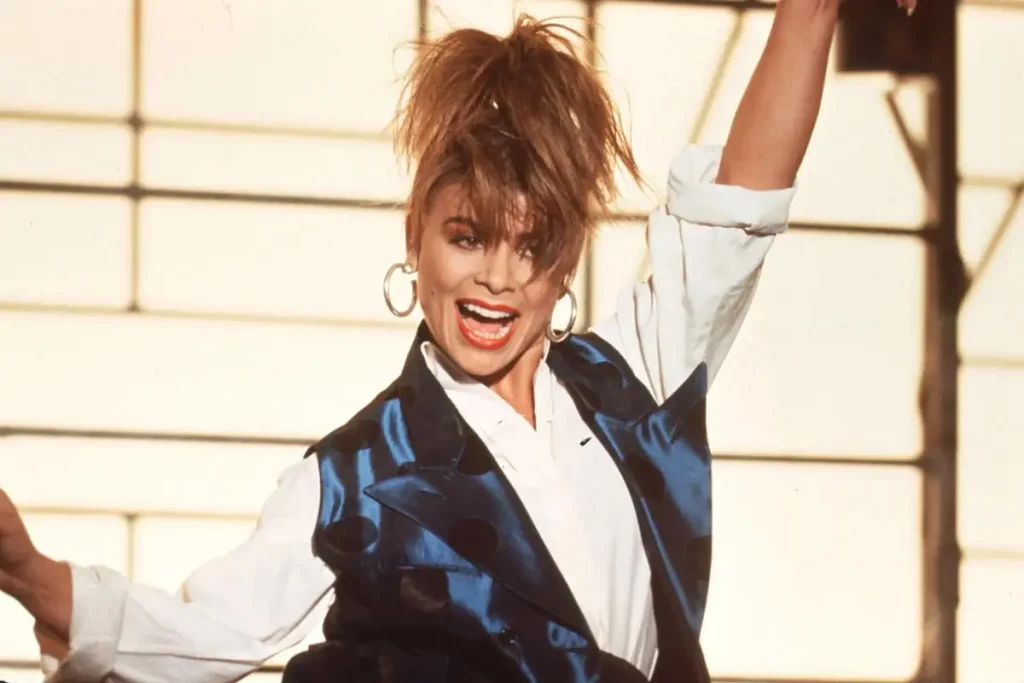
Paula Abdul’s “Straight Up” is one of those late-80s pop singles that sounds like it was engineered in a lab to be irresistible, then somehow ended up feeling human anyway. Released as the third single from Forever Your Girl, it helped turn a choreographer-turned-singer into a full-blown chart bully, and it did it with a beat you can’t shake and a hook that basically dares you to answer honestly.
“Tell me tomorrow… straight up now tell me.”
Paula Abdul, “Straight Up”
The stakes: why “Straight Up” mattered
Forever Your Girl did not become a juggernaut overnight, and that’s exactly why “Straight Up” is so important. The single arrived with the pressure of proving Abdul was more than a dancer with a record deal.
The bet paid off: the song hit No. 1 on the U.S. Hot 100 and became a defining pop moment of its era, with chart documentation widely summarized in reference discographies. One commonly cited overview of the song’s release, chart run, and credits appears in a dedicated summary of the song’s release, chart run, and credits.
Who actually wrote it? The songwriting backbone
“Straight Up” is often remembered as a performance and video, but its durability starts with the writing. The lyrics are simple and confrontational in the best way: romantic ambiguity, no poetic fog, just a demand for clarity.
Songwriting and publishing data can be cross-checked in performing-rights databases, which is where the boring truth lives. Even if you start with the official music video listing and credits context, it’s a reminder that confirming writers and publishers typically requires database-level verification.
That sound: pop, funk, and a little bit of menace
Musically, “Straight Up” sits in a sweet spot between radio pop and dance-floor funk, with a groove that feels tight rather than glossy. It’s not the biggest-sounding record of the decade; it’s one of the most efficient, and that difference matters.
The track’s appeal is how it weaponizes contrast: clean vocals against a restless rhythm, bright hooks against a slightly suspicious lyric. The chorus is basically a pop ultimatum, and the arrangement keeps you bouncing while the words keep you wary.
Why older listeners still crank it
If you grew up with 60s-80s radio, “Straight Up” lands like a classic single: verse, chorus, bridge, done. No streaming-era bloat, no endless outro, just a clean hit that knows when to leave the party.
It also has that rare “car test” quality: it sounds great loud, even on mediocre speakers, because the groove is the feature. That’s not an accident; it’s a production philosophy.

The black-and-white video: simplicity that flexes
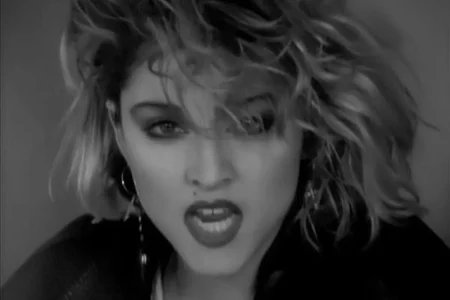
Let’s be provocative: the “Straight Up” video is a cheat code. In an era that loved loud colors, sets, and novelty costumes, Abdul goes monochrome and wins anyway, like she’s daring MTV to look away.
The single’s track page and release documentation makes it easy to place the song in its proper era, and the official video is still the easiest way to revisit the aesthetic: a stylized, performance-forward concept that spotlights choreography and attitude over plot.
Why it became an MTV staple
The video plays like a short, hypnotic stage show, with fast cuts that still respect the choreography. It’s not trying to be a movie; it’s trying to be a vibe you can’t escape.
That matters because MTV rewarded clarity. If the viewer understands what they’re watching in five seconds and wants to keep watching, you’ve already won.
Awards and the MTV factor (what we can verify)
It’s frequently claimed that the “Straight Up” video took home multiple MTV Video Music Awards, and the broader story is true in spirit: Abdul’s early videos were heavily awarded and MTV-friendly. However, MTV’s modern web presentation of legacy VMA winner data is fragmented, and it’s surprisingly hard to locate a stable, official page that cleanly lists the 1989 winners by category.
What is verifiable is MTV’s continued positioning of the VMAs as the institution that historically crowns music video achievements, including dedicated VMA event pages maintained by MTV.
The chart impact outside the U.S.: UK performance
“Straight Up” also crossed the Atlantic, peaking in the UK at a level that signaled real international traction, not just U.S. hype. The Official Charts Company provides a permanent record of the single’s UK chart placement.
If you want more context on Abdul’s overall UK profile, sources like a cataloged entry for the “Straight Up” video can help triangulate the single’s life across markets and formats, even when your main focus is charts.
Paula Abdul’s secret weapon: choreographer instincts
Lots of pop stars dance. Fewer build songs and visuals like a choreographer from the ground up. Abdul’s performance in “Straight Up” is not just “good dancing”; it’s a lesson in how movement can function like melody.
In practical terms, it changes what a viewer remembers. You might forget a snare sound, but you don’t forget a signature move synced to a hook, because your brain stores it like a gesture-language chorus.
Try this at home: the “choreography as arrangement” listening exercise
- Listen once without the video: note where your body wants to move.
- Watch the video: notice how often the choreography “answers” the vocal line.
- Listen again: see if you now hear accents you missed (claps, kicks, rhythmic stabs).
Credits you can confirm: video documentation and cataloging
Music video databases can help corroborate key production details like director credits and release-era metadata. That kind of cross-referencing is especially useful when you can also compare it to archived video material showing how “Straight Up” circulated across formats and eras, even if those archival uploads should be treated as secondary evidence.
“Straight Up” as a template: why modern pop still copies it
Strip away the 1988 wardrobe and you’ve got a blueprint that still drives hits: a high-stakes chorus question, a danceable but slightly tense groove, and a visual identity strong enough to survive meme culture.
If you want to understand why this worked then and still works now, look at how “Straight Up” refuses to over-explain itself. It trusts rhythm, it trusts repetition, and it trusts charisma, which is why it doesn’t age like a trend.
Three ingredients worth stealing (if you write songs or produce)
| Ingredient | What “Straight Up” does | How to apply it today |
|---|---|---|
| Chorus as confrontation | Turns romance into a yes/no demand | Write a chorus that forces a decision, not a feeling |
| Groove-first production | Prioritizes movement and pocket over maximal layers | Mute parts until the rhythm feels inevitable |
| Visual minimalism | Black-and-white focus keeps attention on performance | Pick one strong visual rule and commit hard |
The bigger Forever Your Girl story
“Straight Up” didn’t just succeed; it helped lock Forever Your Girl into the pop canon as an album that produced multiple massive singles and established Abdul’s identity as a dance-pop auteur.
And if you want to zoom out beyond Abdul, the recording industry’s own historical archives around major award years can help map the era’s mainstream sound and competition – for example, the 32nd Annual GRAMMY Awards event page anchors the period in a broader, industry-facing timeline.

Quick listener’s guide: what to listen for in “Straight Up”
- The pre-chorus lift: the arrangement subtly tightens before the hook lands.
- Call-and-response phrasing: lines are designed to feel like a conversation, not a monologue.
- Danceable tension: it sounds upbeat while the lyric questions trust.
Conclusion: the honest reason it still works
“Straight Up” survives because it’s not just nostalgic. It’s a disciplined pop construction with a personality: bright on the surface, slightly dangerous underneath, and confident enough to ask the question everyone avoids.
If you only remember it as an MTV classic, revisit it as a craft lesson. The beat, the demand in the chorus, and the performance-first visual concept are still a masterclass in how pop turns attitude into architecture.