
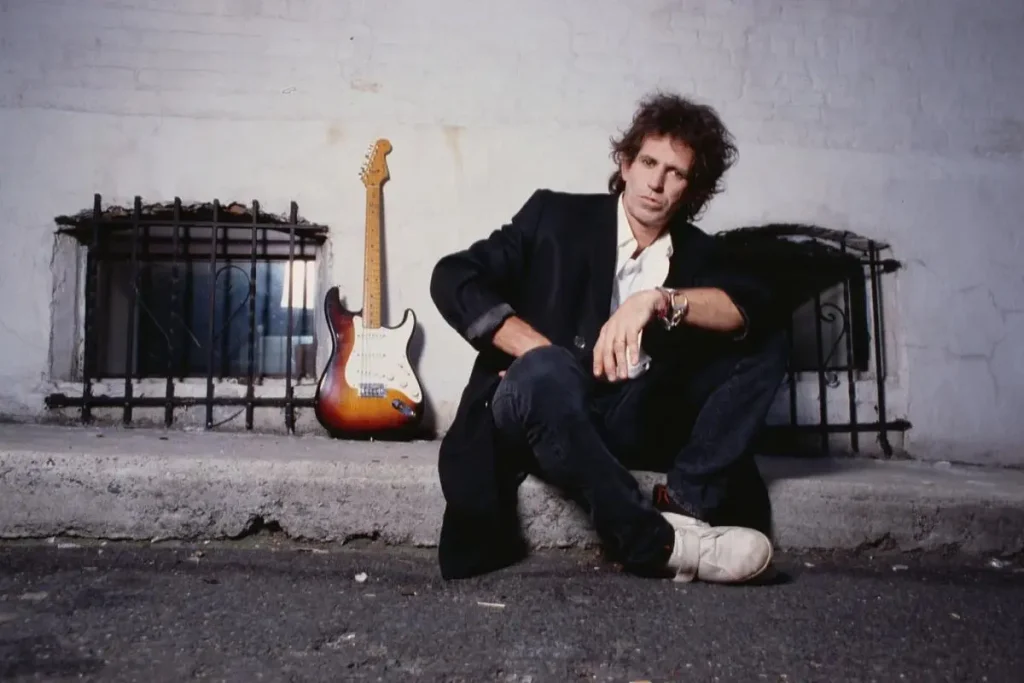
Keith Richards once laughed off the idea of “getting in shape” for tour, saying eight or nine hours of Rolling Stones rehearsals was plenty of exercise and that his body “has been rehearsing too.” It’s a classic Keith answer: funny, defiant, and almost annoyingly sensible.
But here’s the edgy truth touring musicians rarely say out loud: tour prep is not about looking fit. It’s about staying functional when your sleep gets mangled, your stress spikes, your hearing takes a beating, and your body repeats the same motions thousands of times a night. If you don’t prepare, the tour will prepare you – violently.
“By the time I finish rehearsals, I haven’t just been rehearsing the music, my body has been rehearsing too.”
Keith Richards, interview by Pat Gilbert (Mojo Magazine)
Do you have to prepare physically before a tour?
No – and yes. You don’t need a pro-athlete boot camp, and Keith’s point holds up: rehearsal is sport-specific training. Standing, moving, lifting guitars, gripping, singing, and maintaining posture for hours is real work.
Where modern touring differs is that rehearsal happens in controlled conditions. Shows happen under heat, adrenaline, travel fatigue, and weird meal timing. That’s why the best “physical prep” is a small set of boring habits that keep you durable.
The baseline: what “fit enough” means for a musician
Public health guidance is blunt: regular activity supports long-term health, energy, and resilience. The World Health Organization recommends adults aim for 150-300 minutes of moderate activity per week (or 75-150 vigorous), plus strength work at least twice weekly.
The CDC likewise frames physical activity as a major protector against chronic disease and a quality-of-life multiplier. You don’t have to become a runner like Mick Jagger, but showing up with some capacity matters.
Why rehearsal alone sometimes isn’t enough
Keith is describing the dream scenario: long rehearsals, lots of playing, and a band with the resources to ramp up gradually. Many working musicians get the opposite: a handful of rehearsals, then three weeks of back-to-backs and airport sprints.
Even when rehearsals are long, they can be lopsided: lots of standing and playing, not much pulling, hinging, or balanced strength work. That imbalance can show up as back pain, tendon irritation, or numb hands – the unglamorous tour-enders.
The back, shoulders, and “guitar strap tax”
Back pain is extremely common, and it doesn’t care if you’re an icon or a weekend warrior. The NHS notes back pain is widespread and is often tied to strain, posture, and overuse patterns.
If your instrument and strap setup forces you into a twisted, shrugged posture for two hours a night, your body will collect that debt with interest. Prep isn’t vanity – it’s paying down the balance.
Hands, wrists, and repetitive stress reality
Carpal tunnel syndrome is one of the clearer “musician-adjacent” issues because it’s strongly linked to repetitive hand use and nerve compression. NIAMS describes classic symptoms like numbness, tingling, and weakness that can affect daily tasks and work.
Translation: if you ignore early warning signs on tour, you may end up changing parts, changing technique, or canceling dates.
Mental prep is not optional (and not “woo”)
Richards calls it fun – and it is – but touring also weaponizes uncertainty. New room every night, inconsistent sleep, constant social demand, pressure to perform, and the always-present temptation of coping shortcuts.
The American Psychological Association outlines how stress affects the body and mind, including impacts on digestion, sleep, mood, and cardiovascular systems. When stress rises, your playing can tighten up, your timing can rush, and your patience can evaporate.
Sleep: the hidden headliner
If you want one “biohack” that actually works, it’s sleep. The Sleep Foundation summarizes that adults typically need 7-9 hours per night, and chronic short sleep affects performance and health.
On tour, perfect sleep may be impossible. The goal is damage control: consistent wind-down cues, earlier light exposure when you can, and protecting your first 90 minutes after waking from chaotic decision-making.
The provocative claim: the real tour athlete is the boring one
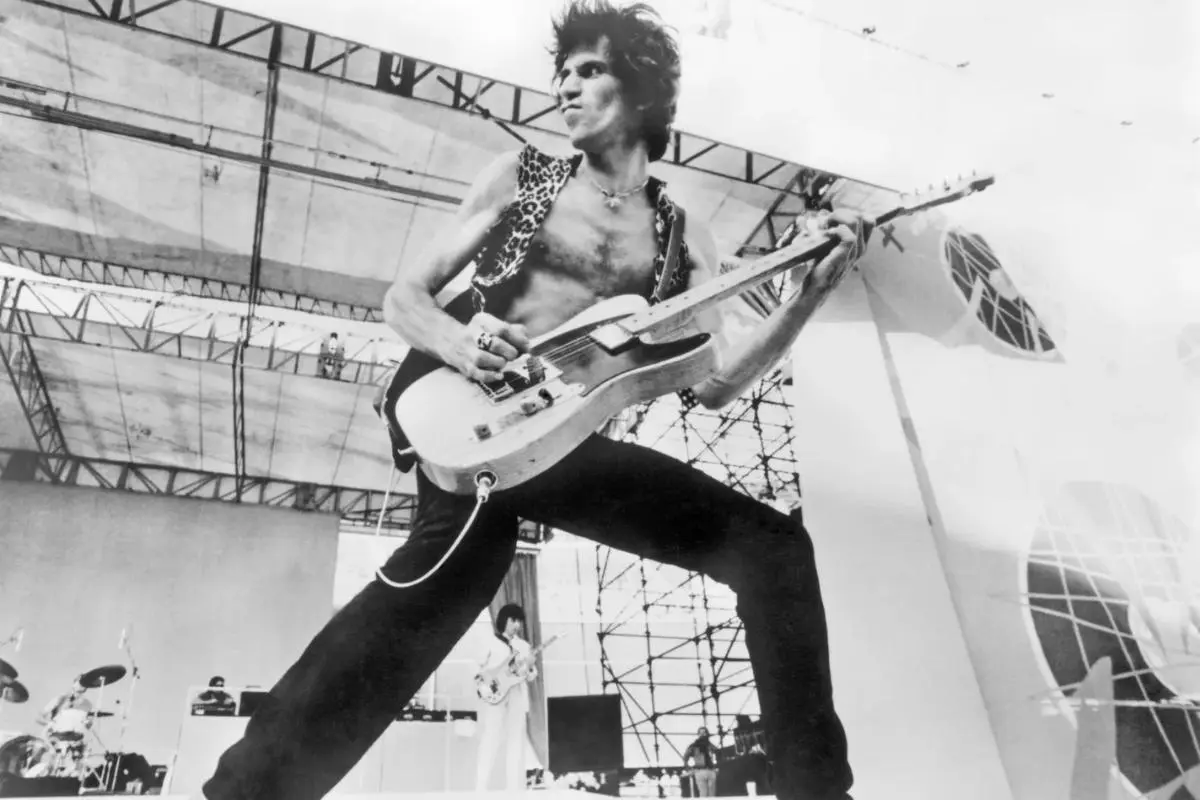
Keith’s anti-treadmill stance is relatable, but there’s a twist: the most “rock and roll” thing you can do in 2026 is show up hydrated, warmed up, and emotionally regulated. The cliché is sex, drugs, and chaos. The modern professional flex is consistency.
Mayo Clinic notes exercise can reduce stress and improve mood, which is exactly what you want when a tour schedule squeezes you. Harvard Health also highlights exercise as a way to relax and buffer stress.
A practical tour-prep plan (that won’t ruin your personality)
This is built for real musicians: minimal equipment, low time cost, maximum payoff. Adjust for your age, injuries, and medical situation.
1) Rehearsal like Keith – but structure it
- Ramp volume and duration: add 10-20% per week rather than jumping from couch to two-hour sets.
- Practice standing if you perform standing, and practice the transitions between songs.
- Simulate the set: same strap height, same shoes, similar lighting if possible.
2) Add “anti-injury” strength twice weekly
Think of this as making your joints and tissues less offended by your lifestyle.
| Goal | Simple moves | Why it matters on tour |
|---|---|---|
| Upper-back strength | Band rows, face pulls | Counteracts “guitar hunch” and mic-lean posture |
| Hip and core endurance | Dead bug, side plank, glute bridge | Helps protect the lower back during long stands |
| Grip and forearm balance | Light wrist extensor work, finger opens | Offsets constant flexion from fretting and picking |
| Leg capacity | Split squats, step-ups | Makes load-ins, stairs, and stage movement easier |
3) Warm up like a pro, not like a myth
Musicians love the fantasy that inspiration is instant. Bodies disagree. A quick general warm-up plus instrument-specific slow playing can reduce stiffness and improve control.
Research on music performance anxiety suggests preparation routines and psychological skills can matter for performance stability, not just “confidence.” Pair that with a warm-up and you’re stacking the deck.
4) Treat hearing protection as part of your instrument
If you’re serious about longevity, protect your ears. The National Institute on Deafness and Other Communication Disorders explains how noise-induced hearing loss can be permanent and preventable.
Choosing gear matters, too: OSHA covers workplace noise risks and control approaches, which apply surprisingly well to clubs and stages, and NIDCD outlines hearing protectors and why correct selection and fit matter.
5) Build a mental “tour operating system”
- Pre-show script: same 10-minute routine every day (breathing, light stretch, quiet time).
- One anchor habit: coffee ritual, short walk, journaling, prayer, or reading – anything stable.
- Permission to be boring: skip the afterparty sometimes without guilt.
The National Institute of Mental Health emphasizes ongoing habits and support systems as part of caring for mental health, not just crisis response.

So, was Keith Richards wrong?
No – he was describing a truth many musicians forget: playing is physical, and long rehearsals do condition the body. But most tours aren’t built like Rolling Stones tours, and most bodies don’t recover like they did at 25.
The smartest take is a hybrid: rehearse hard like Keith, but add just enough strength, sleep protection, stress management, and hearing safety to keep the fun alive. Because the real goal isn’t to “prepare for tour.” It’s to survive long enough to keep getting better, exactly like Richards says he’s addicted to doing.
Concise takeaway: tour prep is not gym culture. It’s maintenance. And if that sounds unsexy, good – unsexy habits are why the show goes on.


