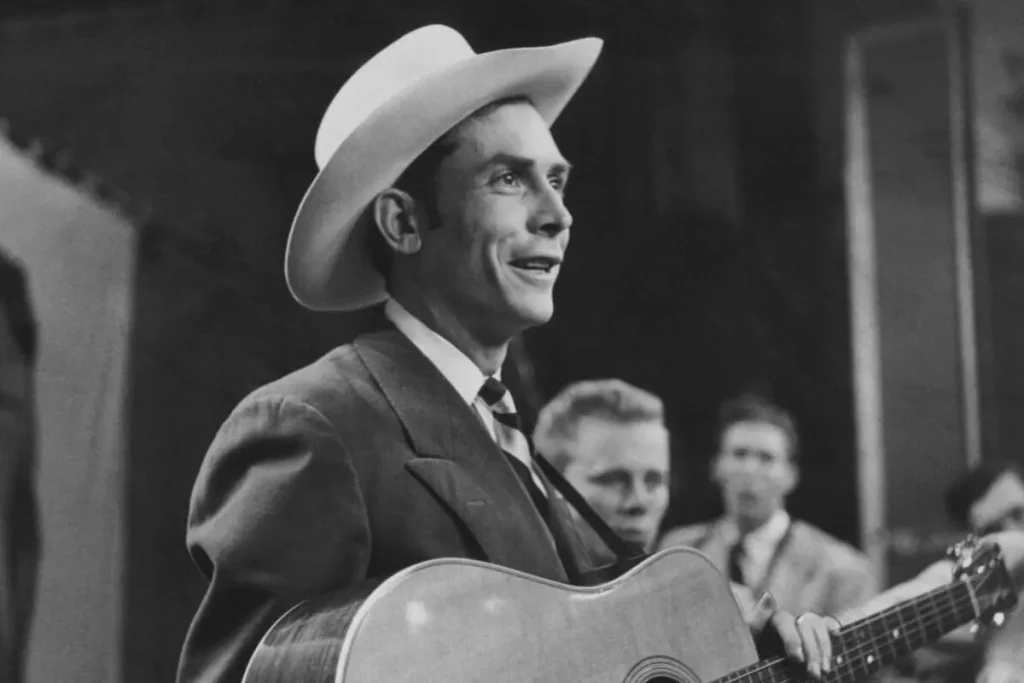
Country music loves a myth, but Hank Williams’ last trip is one of the rare legends that is already brutal without any embellishment. He was 29, painfully famous, medically fragile, and still expected to show up and sing like nothing was wrong. The schedule said Charleston, West Virginia. The weather said no. And the road said yes, right up until it didn’t.
This is the story of the New Year’s run that turned into a funeral route, the people who witnessed it, and the small details that keep getting repeated until they harden into “truth.” We will separate what’s documented from what’s merely repeated, because Hank’s final ride deserves accuracy as much as atmosphere.
The setup: a star who could not slow down
By late 1952 Hank Williams was not a “promising” artist. He was the engine of a whole new kind of country stardom, with songs that made everyday heartbreak feel Biblical. PBS describes him as a defining figure in country music whose work reshaped the genre’s future.
But the career arc came with a cost. Even friendly biographies agree on the basics: chronic pain, heavy touring, and substance problems that were treated with the medical habits of the day rather than long-term care. The Hank Williams Museum’s official biography frames the period as one of intense output and mounting personal struggle.
Why he was headed to Charleston in the first place
Hank was scheduled for a New Year’s Eve show at the Municipal Auditorium in Charleston, West Virginia, a major regional venue and civic centerpiece in the city’s entertainment life. The City of Charleston notes the auditorium’s longstanding role in hosting large public events and performances.
The plan, as often told, was to fly. Then an ice storm in the Nashville area complicated travel, and the quick fix became a car and a driver. It is a classic touring problem: when the gig is non-negotiable, your body becomes negotiable instead.
Enter the driver: Charles Carr and the “just get him there” job
The driver most often named in accounts is Charles Carr, hired to get Hank to West Virginia when flying was not an option. West Virginia Encyclopedia summaries of Williams’ death commonly mention the last ride and the driver as part of the basic timeline of events.
In practical terms, it was not glamorous work. It was winter driving through Appalachia with a sick passenger in the back seat and a clock that did not care. If you have ever been in a band van, scale that feeling up to “national star” and scale the health down to “barely holding.”
The Andrew Johnson Hotel stop: when “unwell” becomes an alarm
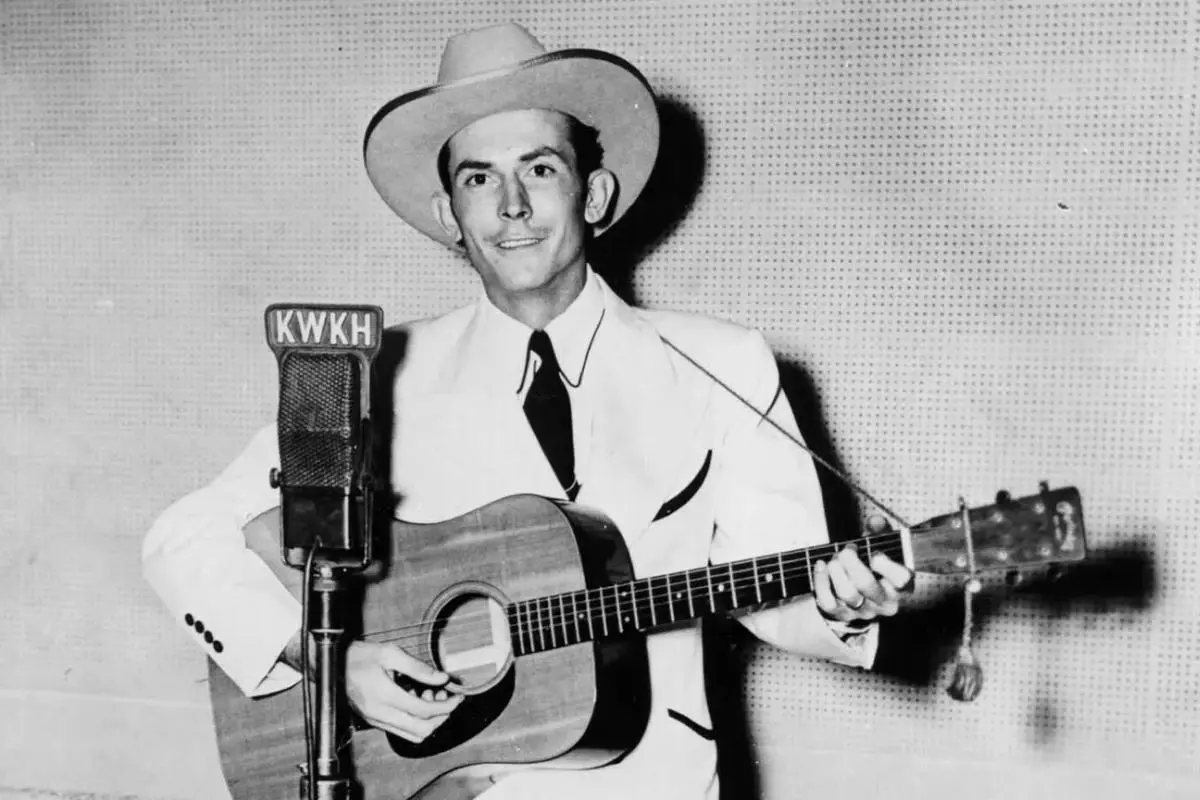
One widely repeated waypoint is Knoxville, Tennessee, at the Andrew Johnson Hotel, where Hank reportedly complained of feeling ill and saw a doctor. The hotel itself is a documented historic property, preserved and interpreted by the National Park Service as part of the Andrew Johnson National Historic Site.
Accounts differ on exactly what was said, what was administered, and how serious it seemed in the moment. That uncertainty is the first clue to how Hank’s death became a magnet for speculation: you have a famous man, in a private room, receiving medical attention, then getting back into a car headed into freezing night.
Edgy but fair point: the system was built to keep him working
It is tempting to paint every person around him as either villain or savior. The less cinematic truth is harsher: mid-century touring economics rewarded showing up and punished canceling. When your income is performance-based, “rest” becomes a luxury item.
Midnight in Bristol: the last words problem
The story you shared includes the famous moment around midnight in Bristol, Virginia: Carr stops at an all-night restaurant and asks Hank if he wants to eat. Hank declines, and those are believed to be his last words.
Here is the problem: “last words” are rarely recorded like court testimony. They are remembered, repeated, and polished. Wikipedia’s summary of Hank Williams’ death notes the contested and often secondhand nature of details surrounding his final hours, reflecting how quickly the story turned into folklore.
“I’ll never get out of this world alive.”
Hank Williams (song title and lyric), popularized through Williams’ own recordings
That line is not a verified “last quote” from the car, but it is one reason the public keeps trying to script his ending. The man wrote his own epitaphs for a living, so listeners keep hunting for a final sentence that sounds like a Hank Williams chorus.
Oak Hill, West Virginia: the gas stop that became a death scene
What is consistent across accounts is that the trip continued into West Virginia, and a stop for fuel in Oak Hill led to the realization that Hank was dead. Local and state historical summaries in West Virginia repeatedly identify Oak Hill as the place where Williams was found unresponsive in the car.
Oak Hill is not a big-city headline town. That is part of why the story still stings: one of America’s most influential songwriters died quietly while the world was busy throwing New Year’s parties. A gas station stop is the opposite of a “grand finale,” and that plainness makes it unforgettable.
What likely killed him: the least romantic answer
Hank Williams’ death has been blamed on everything from heartbreak to conspiracy, but credible accounts converge on a mix of poor health and substance complications. Biography.com, in its overview of Williams’ final days, emphasizes the interplay of health issues and heavy drinking, and how rapidly his condition deteriorated.
It is also important to remember how limited pain management and addiction medicine were at the time. Treatments that might now come with strict monitoring were then handed out with far less understanding of long-term risk. The result is a perfect storm: chronic pain, sedatives, alcohol, exhaustion, and winter travel.
Fact vs legend: a quick scoreboard
| Claim | How to treat it |
|---|---|
| He was booked to play Charleston, WV on Dec 31, 1952 | Highly likely, widely reported in historical summaries |
| An ice storm prevented flying, prompting a car trip | Plausible and common in retellings; weather disruptions are consistent with the season |
| He stayed at Knoxville’s Andrew Johnson Hotel and saw a doctor | Often reported; location is a well-documented historic site |
| His last words were a refusal to eat in Bristol | Possible, but inherently hard to verify; treat as reported recollection, not recorded fact |
| He was found dead after a fuel stop in Oak Hill, WV | Core detail repeated by multiple West Virginia references |
Why this story hits musicians so hard
Musicians read Hank’s last ride like a warning label. Not because “fame kills,” but because the job can teach you to ignore your body until it stops cooperating. Hank’s writing made suffering sound purposeful, even holy, and that aesthetic can be dangerously seductive to performers who think pain is part of the contract.
There is also the chilling ordinariness: a hired driver, a cold road, a late-night food stop, a gas station. No stage lights. No last encore. Just a man who could not outrun his own condition.
If you are a working musician: practical lessons you can steal from a tragedy
1) Build a “cancel without shame” plan
Touring is a machine, and machines need emergency brakes. Put it in writing: who calls venues, who handles refunds, and what medical red lines trigger a stop. It is easier to protect yourself when you decide the rules before you are desperate.
2) Treat sleep like gear maintenance
You would not play a show on a broken guitar neck. Chronic sleep loss is the same kind of damage, just slower and more expensive. Protect it with scheduling, not willpower.
3) Don’t confuse “pain tolerance” with professionalism
Hank’s era celebrated endurance and punished vulnerability. Modern professionalism is the opposite: you plan for health so you can sustain the work. The goal is not to survive one gig; it is to stay alive for the next decade.
Conclusion: the ending Hank didn’t write, and the world can’t stop rewriting
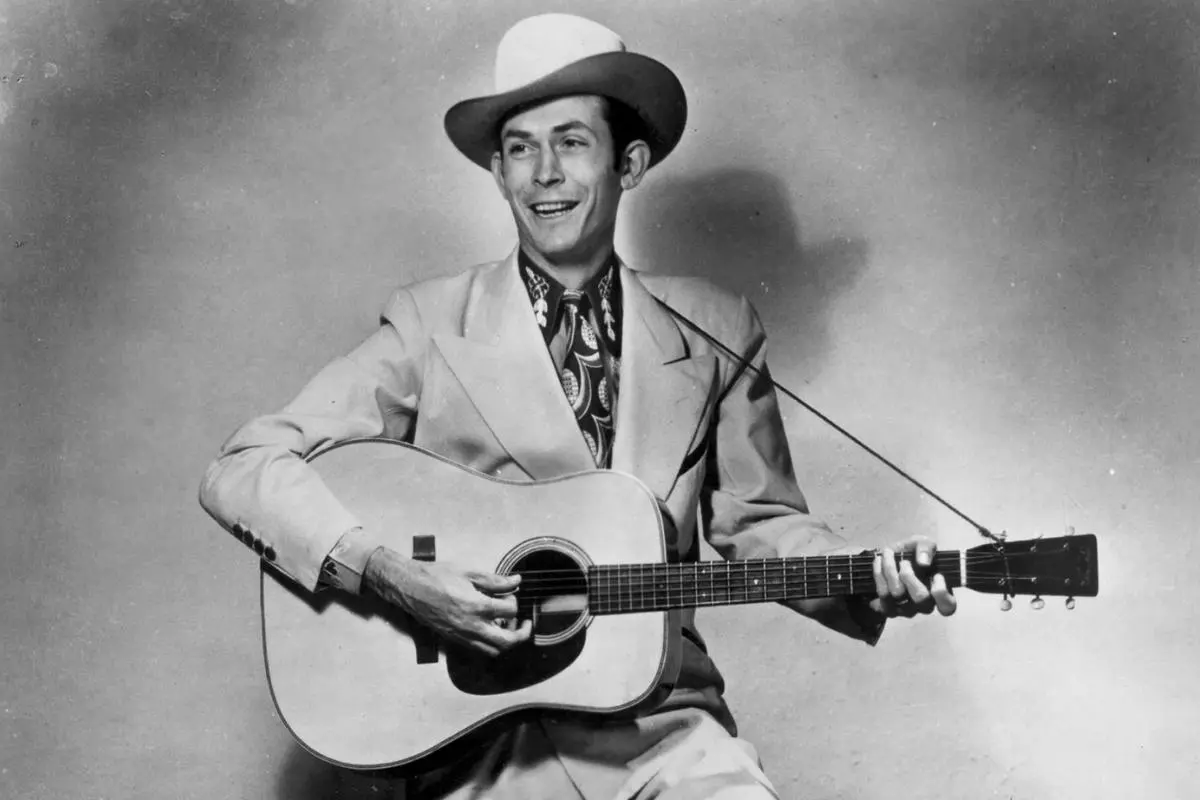
Hank Williams’ final ride is remembered because it compresses the whole country-music myth into a few hundred winter miles: genius, pressure, pain, escape, and the hard stop of mortality. The details matter, especially the uncertain ones, because they show how quickly a real death turns into a story people use for their own meanings.
Maybe the most provocative takeaway is also the most practical: Hank did not die because his songs were sad. He died because the human body has limits, and the music business, then and now, loves to pretend it doesn’t.