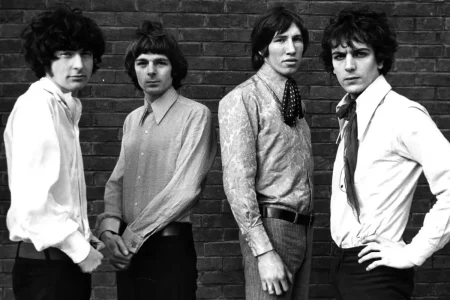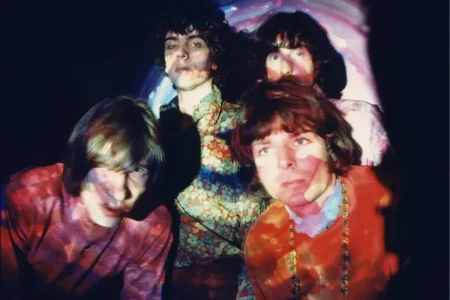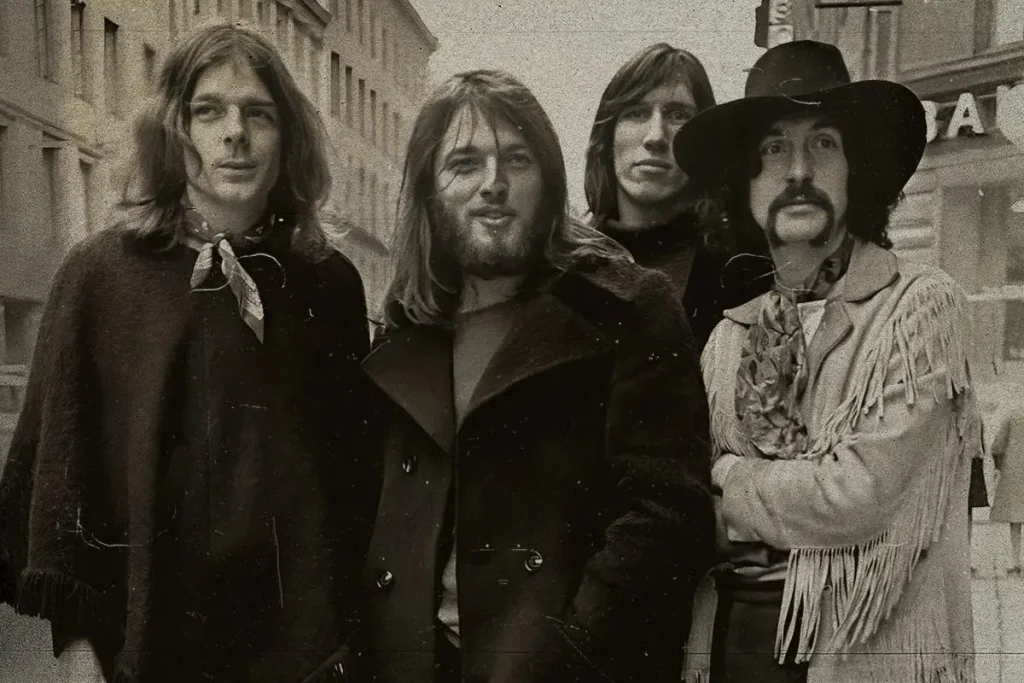
Some concert films sell you community: the roar, the sweat, the shared chorus. Pink Floyd: Live at Pompeii sells you something stranger and arguably more powerful: isolation. Filmed in 1971 inside Pompeii’s ancient Roman amphitheatre with no public audience, it’s the band, their gear, and a ruin that feels like it’s listening anyway. Decades later, that eerie intimacy is exactly why the movie became a sacred text for musicians, engineers, and anyone who likes their rock a little haunted. The news that the film is being rereleased in IMAX under the title Pink Floyd at Pompeii – MCMLXXII makes perfect sense: this is a “big screen” artifact that was always too large for television and too weird for a standard concert movie.
What follows is the practical, musician-minded guide to what makes Pompeii influential, what it teaches about performance and sound, and why an IMAX revival is more than nostalgia. If you’ve only seen it as a grainy bootleg clip online, you haven’t really met it yet.
What it is (and what it isn’t)
Pink Floyd: Live at Pompeii is a concert film directed by Adrian Maben, shot primarily in the Amphitheatre of Pompeii. It’s famously audience-free, which flips the usual concert-film contract: there’s nobody to perform for, so the camera becomes the only witness. The film is typically dated to 1972 for release, while the core amphitheatre performance footage was filmed in 1971 – details summarized in the film’s production and release overview.
It’s also not a greatest-hits victory lap. This is Floyd in their exploratory era, stretching long-form pieces and textures that would soon solidify into the more structured grandeur of The Dark Side of the Moon. That “in-between” moment is part of the magic: you see a world-class band still operating like a lab.
“We were just playing for ourselves and the film crew.” – Nick Mason (as quoted in an official band feature)
The band’s own framing of the project leans into the premise: a performance without applause, without ego cues, without the social feedback loop that can turn concerts into competitions for loudest scream – an idea echoed in the official project description.
Why Pompeii is the perfect setting (and a brutal one)
Pompeii is not “ancient vibes” wallpaper. It’s a city famously preserved by catastrophe, buried by the eruption of Mount Vesuvius. That context adds a charge the film never has to explain: the stones carry the implication of time, fragility, and sudden silence – exactly the kind of historical weight described in a concise history of Pompeii.
The official site for the Archaeological Park of Pompeii emphasizes the scale and significance of the excavated city and its monuments, including the amphitheatre. That physical reality matters because the film is constantly letting the architecture do musical work: echoes, open air, hard surfaces, and the sense of playing inside a gigantic relic, all grounded in the park’s overview of the site and its monuments.
Edgy claim: it’s the most honest “stadium rock” film ever made
Yes, stadium rock with no crowd. That’s the point. In most concert movies, the audience is a co-star. In Pompeii, the empty seats force the music to stand alone, with no applause to tell you what to feel. It’s a ruthless test of whether the band is actually good right now, and Floyd passes.
The sound: a masterclass in dynamic performance
Musically, Pompeii is about dynamics: soft-to-loud waves, long crescendos, and the kind of rhythmic patience that modern editing rarely tolerates. This is why musicians keep recommending it to other musicians. It’s not “watch them nail the single,” it’s “watch them manage tension for ten minutes without blinking.”
There’s also a practical lesson here for any band: tone and touch beat speed and complexity. David Gilmour’s phrasing and sustain, Roger Waters’ controlled low-end movement, Richard Wright’s harmonic glue, and Nick Mason’s steady pulse are all easier to hear when there isn’t a screaming arena masking the details.

The gear angle (without the mythmaking)
Fans love to turn Pompeii into a gear scavenger hunt, and you can learn a lot just by watching signal chains and stage layout. But the bigger takeaway is how the band uses limited elements to create scale. If you’re a player or producer, steal the approach, not the shopping list:
- Commit to a few signature sounds and develop them over time instead of changing tones every section.
- Leave holes in the arrangement so delays, reverbs, and organ beds can bloom.
- Practice transitions as hard as solos – Floyd’s “between” moments are where the spell happens.
The film language: slow cinema for rock people
Adrian Maben’s direction treats the amphitheatre like a fifth band member. The camera lingers. The cuts are patient. Instead of telling you “this is exciting,” it lets the performance accumulate meaning. The result is closer to art film than TV special, which is partly why it lodged in the culture so deeply: it feels like a document from an alternate timeline where rock matured early.
Even the absence of a crowd becomes a visual motif: wide shots emphasize emptiness, then tighter shots force you into the mechanics of playing – fingers, drum heads, keys, cables, breath. It’s intimate without being sentimental.
How it influenced concert films (and bands who never admit it)
It’s hard to trace influence cleanly because later artists borrow the vibe without citing it. Still, Pompeii helped normalize the idea that a concert film doesn’t need a traditional concert context. You can place a band in a meaningful space, remove the audience, and gain a different kind of intensity.
Rolling Stone’s inclusion of Pink Floyd: Live at Pompeii in its canon of essential music documentaries is an indicator of how the film’s reputation has endured beyond fan circles.
For filmmakers, it’s also a quiet argument against over-editing. The movie’s long takes and room for silence feel “anti-content” by modern standards. That’s exactly why it still feels radical: it refuses to behave like a product.
So what’s new about the IMAX rerelease?
The IMAX rerelease is being framed as a major restoration and re-presentation of the film, titled Pink Floyd at Pompeii – MCMLXXII. The official Pink Floyd page positions it as a significant return, aimed at theatrical impact rather than background viewing.
Here’s why IMAX is a big deal for Pompeii specifically:
- Scale matches intent – the amphitheatre’s geometry and emptiness finally feel imposing again.
- Detail becomes musical – small gestures (pick attack, mallet bounce, organ voicing) read as part of the performance.
- Silence gets weight – a good theater makes the “between” moments feel like tension, not dead air.
Don’t expect a typical “remaster miracle”
Even with restoration, the source is the source. You’re not going to turn early-70s film and location audio into a modern pop spectacle without losing the texture that made it valuable. The goal should be clarity and impact, not sterilization.
What to listen for: a track-by-track “musician’s checklist”
If you’re watching for the first time (or the tenth), use this checklist to hear what makes the performance special. The point isn’t trivia; it’s training your ear.
| Moment | What to focus on | Why it matters |
|---|---|---|
| Long instrumental passages | How the band holds tempo without “showing” it | Demonstrates ensemble trust and restraint |
| Gilmour lead lines | Note length, vibrato, and when he doesn’t play | Space is a compositional tool |
| Wright’s keys | Chord voicings that avoid obvious rock harmony | Creates the film’s floating, cinematic mood |
| Mason’s drumming | Consistency of pulse during crescendos | Keeps “jam” sections from turning sloppy |
| Band interaction | Eye contact and micro-cues | Shows how long-form music stays coordinated |
The “no audience” myth: it’s not about snobbery
Some people treat the no-audience setup as pretentious, like Floyd wanted to escape the messy public. But the film reads less like elitism and more like an experiment: what happens when you remove the social contract of entertainment and just document the act of making sound?
How audiences tend to frame the film as an atmospheric, meditative object underlines why it’s often discussed less like a conventional concert capture and more like a mood you enter.
And that’s the provocative truth: most bands don’t want this kind of filming because it’s exposing. With no crowd noise to hide behind, every timing wobble and every weak tone is obvious. Pompeii became influential partly because it dares you to listen closely.
Pompeii’s place in Pink Floyd’s timeline
In hindsight, the film sits at the threshold of Floyd’s transformation from cult innovators to global phenomenon. It documents a group that’s already powerful but not yet packaged as legend. Wikipedia’s overview usefully summarizes the film’s production basics, versions, and general release context, which helps explain why different viewers remember different cuts.
Key production credits are also a handy way to confirm information in one place, especially for readers trying to separate the original film from later re-edits and reissues.
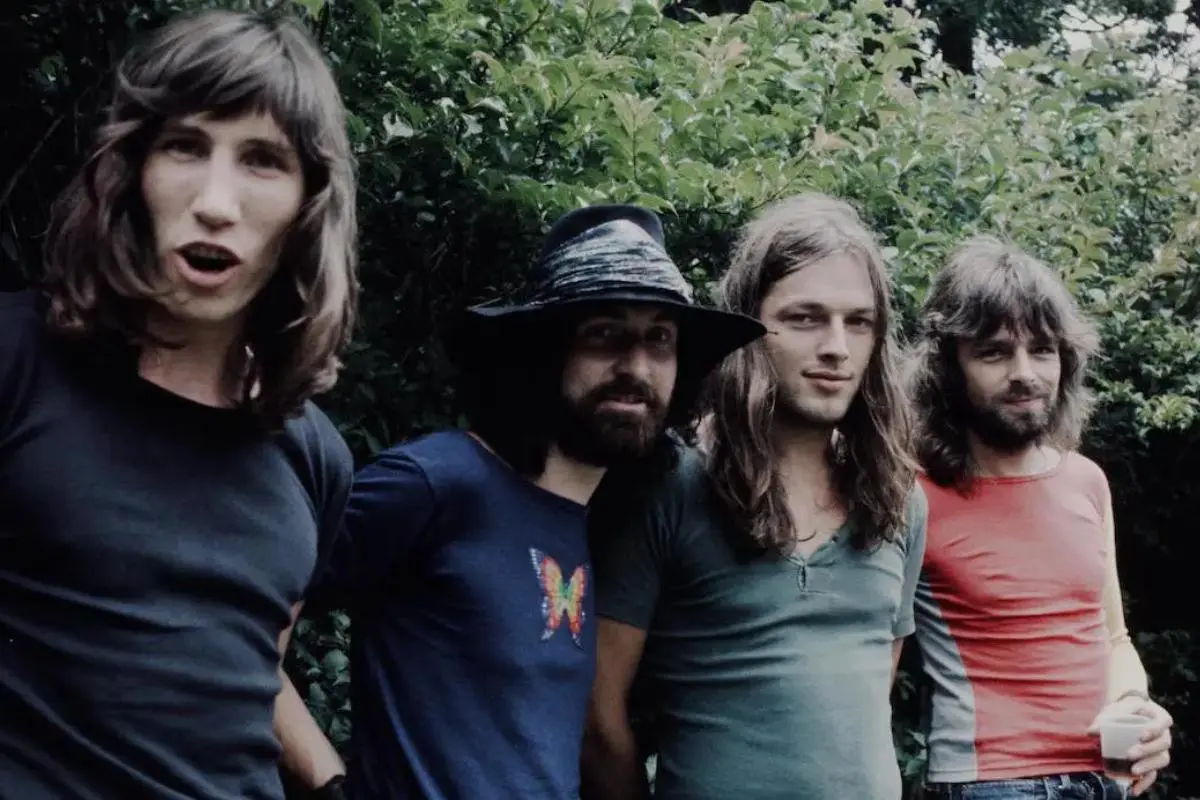
How to get the most out of the IMAX experience
If you’re going to see Pompeii in a premium theater, treat it like a listening session, not a “movie night.” That means arriving early, sitting centered, and resisting the urge to check your phone when the film goes quiet. The quiet is the point.
Also consider watching twice if you can: first for pure immersion, second for details. On the second run, focus on one instrument per song. You’ll leave with practical ideas you can apply to your own playing, recording, or even how you build a setlist.
Conclusion: why this rerelease matters
Pink Floyd: Live at Pompeii endures because it captures something most concert films avoid: the vulnerability of musicians performing without external validation. The amphitheatre turns that vulnerability into grandeur, and the absence of an audience turns grandeur into a kind of truth serum.
An IMAX rerelease is not just “bigger.” It’s closer to the film’s natural habitat: loud, spacious, physical, and a little unsettling. If rock ever had a haunted house, this is it.