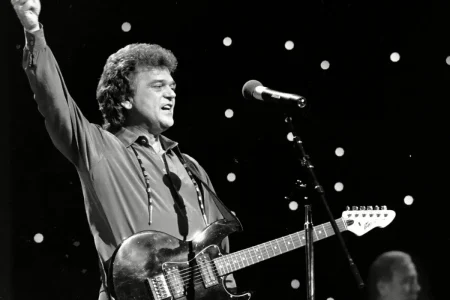
It is a scene built for the internet: Conway Twitty backstage in Springfield, Missouri, rain at the window, a worn Gibson in his arms, and a prophecy on his lips: “If I ever come back, it’ll be in 2025 – to bring real love songs back.”
It reads like country scripture. But here is the uncomfortable truth: that quote is not supported by credible, citable evidence, and it does not appear in reliable reporting about Twitty’s final show or his last hours.
That does not make the story useless. It makes it interesting. Because the fact that people want it to be true tells us something sharp about modern country, nostalgia, and what Twitty represented when he walked on stage and turned romance into a full-contact sport.
The “2025 Promise”: A Great Line With No Paper Trail
The viral-style passage is written like a remembered confession, but it is missing the one thing historians and journalists need: an attributable source. No major obituary, museum bio, or archival timeline commonly cited for Twitty includes that quote, and nothing authoritative ties it to the Springfield show with verifiable documentation in the standard institutional biography.
Twitty’s final days are documented in broad strokes: he collapsed during a performance in Missouri after suffering what was reported as a brain aneurysm, and he died the next day at age 59 in widely repeated biographical summaries.
So where did the “2025” line come from? Likely from a modern chain of retellings: social posts, content farms, and memory blur packaged as certainty. That is not a slam on fans. It is a reminder that grief, celebrity, and myth have always been songwriting partners.
How to tell myth from history (fast)
- Check for first publication (a newspaper, wire report, or interview with a named witness).
- Look for direct attribution (who heard it, where, and when).
- Watch for “movie writing” (rain, quiet room, perfect last words) with no sourcing.
- Verify against reference bios from institutions that keep receipts.
“Legend is a good word for it – because it behaves like folklore.”
– A practical way to read viral music stories
What We Can Say With Confidence About Twitty’s End
Even when details get dramatized, Twitty’s final chapter remains tragic and startling. Accounts agree he collapsed mid-show in Missouri and was hospitalized, dying the following day.
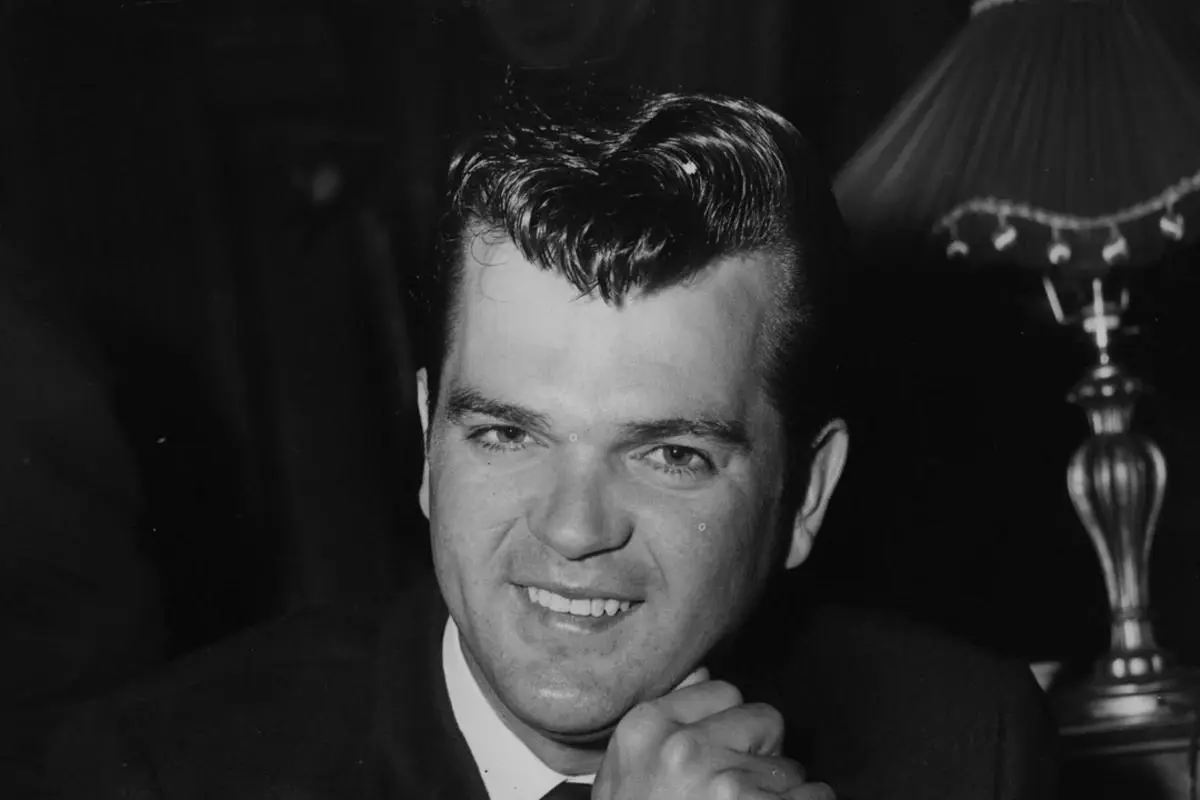
His larger biography is not in dispute: he was born Harold Lloyd Jenkins, became a rock-and-roll hitmaker before reinventing himself in country, and built one of the most commercially dominant runs in the genre’s history – facts reflected in archival authority records.
The institutional summary from the Country Music Hall of Fame underlines what fans already know: Twitty was a defining male voice of country’s romantic mainstream, with a career that stretched across decades and formats.
Why This Quote “Feels True” Anyway
Here is the provocative part: the quote works because modern country often seems embarrassed by sincerity. In many corners of contemporary radio, love is treated like a punchline, a liability, or a subplot to partying and brand-building.
Twitty was the opposite. He built a persona where tenderness was a weapon, longing was athletic, and romantic obsession was performed with unblinking confidence.
Twitty’s secret sauce: a rock singer’s intensity in a country suit
Before “Hello Darlin’” became a country standard, Twitty had already tasted pop stardom. “It’s Only Make Believe” was a major crossover hit, and its dramatic vocal style foreshadowed the way he would later deliver country ballads like they were life-or-death statements.
His artistry lived in that tension: polished but sweaty, polite but predatory, sentimental but never soft.
The Gibson Detail: Plausible, But Still Unprovable Here
The story’s “old Gibson guitar” image is believable because Gibson acoustics and electrics are staples in country, and players often form long relationships with particular instruments. But the specific claim that he cradled his old Gibson backstage that night needs evidence we do not have in verified sources.
For guitar nerds, the best practice is simple: separate instrument brand plausibility from documented instrument identity (model, serial, tour photos, tech notes). Gibson’s serial number verification guidance shows how formal confirmation usually happens when an instrument’s history is being pinned down.
What Conway Twitty Actually Promised Fans (In His Work)
If we ditch the fake prophecy, we still have something more durable: recordings that keep making their own promises to new listeners.
“Hello Darlin’” and the art of the spoken confession
Twitty’s signature move was intimacy at scale: he could whisper-talk a line like he was two inches from your ear, then open up into a full vocal lift. That performance style is why “Hello Darlin’” became more than a hit; it became a template for how country men could sound vulnerable without sounding weak.
And yes, it is a little manipulative. That is part of the genius. Twitty made emotional pressure sound like romance.
Duets, desire, and the Loretta Lynn dynamic
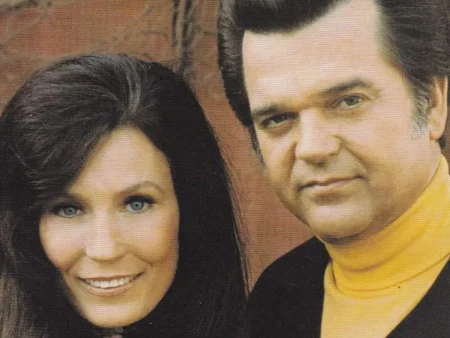
Twitty’s run of duets with Loretta Lynn helped define a whole wing of country storytelling: playful, adult, sometimes combative, always rooted in character. The Country Music Hall of Fame notes their importance as one of the genre’s iconic partnerships.
The Real “Return in 2025” Is Already Here
No, Twitty did not come back from the dead. But he did return in the way pop culture always allows: through catalog, sampling, covers, and algorithmic rediscovery.
His official estate presence keeps the narrative and discography circulating for old fans and curious newcomers, which is how legacy artists stay culturally “active” without new studio albums on his official site.
Meanwhile, archival and institutional listings help freeze the basics of his life into a stable record, preventing the internet from rewriting everything into fan fiction.
Why the myth spreads now
- Nostalgia cycles – country audiences regularly crave a “return” to earlier emotional realism.
- Platform incentives – prophecy-like quotes get shared more than nuanced history.
- Romance backlash – when love songs feel scarce, people invent a savior.
If You Miss “Real Love Songs,” Here’s What to Listen For
Calling Twitty “real” is less about era and more about technique. If you want music that scratches that itch, focus on these measurable traits:
| Trait | What it sounds like | Why it hits |
|---|---|---|
| Unrushed phrasing | Lines that lean behind the beat | Tension and intimacy |
| Clear narrative stakes | Someone might leave, cheat, return, forgive | Drama without explosions |
| Vocal “close-mic” energy | Breath, consonants, half-spoken lines | Feels like a private confession |
| Melodic restraint | Simple hooks, strong chorus lift | Lets lyrics do the damage |
Twitty’s catalog delivers all four in bulk. The question is whether today’s mainstream market rewards those choices as much as it rewards image, tempo, and trend-chasing.
Edgy Take: Conway Twitty Would Not Be “Safe” on Modern Radio
If Twitty debuted now, he would probably be labeled “too intense” or “too dated” by gatekeepers who confuse emotional directness with corniness. The irony is that his approach is exactly what many listeners claim to want when they complain that country has lost its heart.
In other words: the “2025 promise” quote is fake, but the hunger behind it is real.
Conclusion: The Unfinished Melody Is Ours, Not His
There is no verified record of Conway Twitty predicting a 2025 comeback backstage in Springfield. Treat that line as folklore, not fact.
But do not ignore what the folklore reveals. People are begging for love songs that do not wink at themselves. Twitty already left a blueprint. If country is going to “bring real love songs back,” it will not take a resurrection. It will take nerve.
Check the video below: